
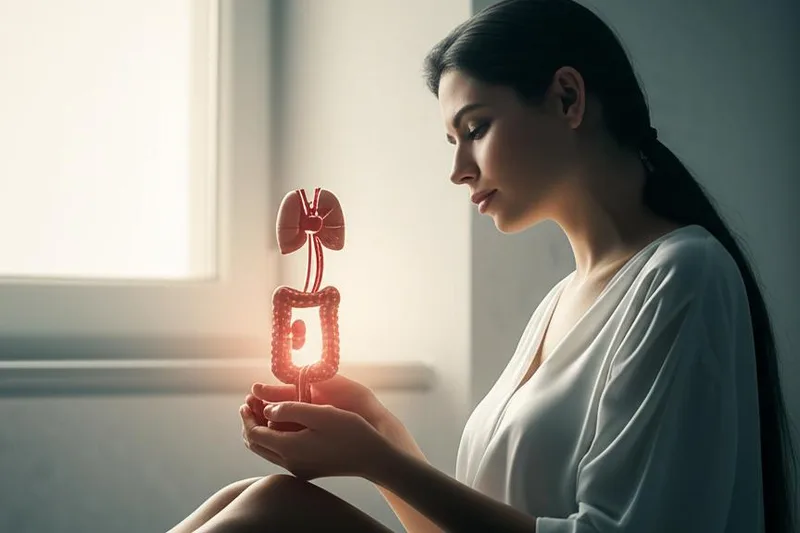
Our body's secret messengers: Let's learn about the Endocrine System in simple terms!

Our body's secret messengers: Let's learn about the Endocrine System in simple terms!

Do you sometimes wonder, "Why am I so tired these days?", "Why am I gaining weight for no reason?", or "Why am I not happy?"? The answers to many of these questions lie in an amazing network of messages working inside your body. We call this the endocrine system . Simply put, this is the system that makes and controls chemical messengers called hormones in our bodies. Today, we'll talk about this.

What exactly is the endocrine system?

Imagine your body as a big city. In this city, there are different organs that do different things (for example, digesting food, breathing, thinking). All of these organs need to talk to each other and work in coordination. The endocrine system is the system that helps with that talking, that is, the exchange of messages.

This system has little factories called glands . These factories make special chemicals called hormones , which are messengers. These hormones are then added to the blood and sent throughout the body. These hormones go to the relevant organs and say, "Okay, now you do this job" or "Okay, now you stop doing that job."

Simply put, these little messengers control everything from your mood, body growth, metabolism , sleep, sexual function, and more.

If this system isn't working properly, you may have problems during puberty, have trouble conceiving, or feel stressed over small things. Also, instead of being used for energy, sugar builds up in the blood, causing weight gain, weak bones, and constant fatigue.

What are the main parts of this system and their functions?

There are several major glands in our endocrine system. Each of them has a specific job to do. Let's take a look at the main ones.

Gland / Organ Location Main function
Hypothalamus In the brain This is the bridge between the endocrine system and the nervous system. It is this gland that tells the pituitary gland, which is the "boss" of the other glands, when to make hormones and when to stop.
Pituitary Gland In the brain This is the "Master Gland" or "boss" of the system. It uses information from the brain to tell all the other glands what to do. It makes many important hormones, such as growth hormone and the hormone that helps nursing mothers make milk.
Pineal Gland In the brain It produces a chemical called melatonin. This is what gives our body the signal, "Okay, it's night, get ready for bed."
Thyroid Gland Front of the neck It produces thyroid hormone, which controls body growth and metabolism. If it is produced too little (hypothyroidism), everything happens slowly. Weight gain and constipation occur. If it is produced too much (hyperthyroidism), everything happens too fast. Weight loss and increased heart rate occur.
Parathyroid Glands Behind the thyroid gland These are four small glands that control the levels of calcium and phosphorus in the blood, which are essential for strong bones.
Adrenal Glands Above the two kidneys This is where the hormone adrenaline is made, which prepares us for fight or flight in an emergency. Imagine that you are walking down the street and suddenly a dog jumps out at you, and your heart races. That's when these hormones work.
Pancreas Behind the stomach This is an organ that belongs to both the digestive system and the endocrine system. It is here that the hormones insulin and glucagon, which are related to diabetes, are produced. These properly control blood sugar levels.
Ovaries In the pelvic area of ​​women This is where the female hormones estrogen and progesterone are made. These hormones control things like puberty, menstrual cycles , and support pregnancy.
Testicles (Testes) In the pelvic area of ​​men Testosterone, the male hormone, is produced here. It is essential for things like beard and chest hair growth during puberty, and sperm production.

Diseases that occur when hormonal balance is disrupted

If any gland in this system produces too many hormones, or if it does not produce enough, various diseases can occur. We call these endocrine disorders.

  • Diabetes Mellitus: Blood sugar levels rise when the pancreas does not produce enough insulin or when the body's cells do not respond to insulin.
  • Thyroid Disorders: As we discussed earlier, an increase (Hyperthyroidism) or decrease (Hypothyroidism) in thyroid hormone can cause the body to function irregularly.
  • Polycystic Ovary Syndrome (PCOS): An imbalance in women's reproductive hormones can cause irregular periods , acne, and unwanted hair growth.
  • Acromegaly: Enlargement of the bones of the hands, feet, and face due to excessive production of growth hormone by the pituitary gland.
  • Cushing's Disease: Excessive production of the hormone cortisol, which controls the body's stress, causes weight gain, skin lines, and a condition called a backache.
  • Osteoporosis : Bones become weak and easily broken due to the disruption of the function of hormones necessary for the healthy maintenance of bones.

What are the symptoms that should prompt you to see a doctor?

It's normal for our hormonal systems to change as we age. Our metabolism slows down, which can lead to weight gain. But there are some symptoms that should be checked out by a doctor if you notice them.

Remember, not everyone who has one or two of these symptoms has a hormonal problem, but it's important to be aware of them.

If you continue to have one or more of the following symptoms, please be sure to see your doctor .

  • Frequent need to urinate and excessive thirst.
  • Sudden weight gain or loss for no reason.
  • Feeling extremely tired or weak.
  • Persistent nausea or stomach ache.
  • Excessive sweating.
  • Sudden rapid heartbeat or high blood pressure.
  • In children, delays in growth or puberty.

By talking to your doctor about these things and getting tests done if necessary, you can quickly identify the problem and begin treatment.

Take-Home Message

  • The endocrine system is an amazing network that controls almost everything in the body through chemical messengers called hormones.
  • Many things, such as your mood, energy, sleep, weight, and growth, depend on the health of this system.
  • Hormonal imbalance can lead to various health problems such as diabetes, thyroid disease, and PCOS.
  • A healthy diet, regular exercise, and adequate sleep go a long way in keeping this system healthy.
  • If you notice unexplained, ongoing changes in your body (weight, mood, energy), never be afraid to talk to a doctor about it.

Endocrine System, Hormones, Glands, Thyroid, Diabetes, PCOS, Health

⚠️ Important: The medical articles and information on Nirogi Lanka are for general awareness only, and are by no means a substitute for professional medical advice, diagnosis, or treatment. For any medical problem you have, consult a qualified physician immediately.

💬 Comments (0)

No comments yet. Be the first to share your thoughts here.

Add Your Comment

Please calculate: 3 + 1 =
Our body's secret messengers: Let's learn about the Endocrine System in simple terms!
How the Body WorksJuly 6, 2026

Our body's secret messengers: Let's learn about the Endocrine System in simple terms!

Do you sometimes wonder, "Why am I so tired these days?", "Why am I gaining weight for no reason?", or "Why am I not happy?"? The answers to many of these questions lie in an amazing network of messages working inside your body. We call this the endocrine system . Simply put, this is the system that makes and controls chemical messengers called hormones in our bodies. Today, we'll talk about this.

What exactly is the endocrine system?

Imagine your body as a big city. In this city, there are different organs that do different things (for example, digesting food, breathing, thinking). All of these organs need to talk to each other and work in coordination. The endocrine system is the system that helps with that talking, that is, the exchange of messages.

This system has little factories called glands . These factories make special chemicals called hormones , which are messengers. These hormones are then added to the blood and sent throughout the body. These hormones go to the relevant organs and say, "Okay, now you do this job" or "Okay, now you stop doing that job."

Simply put, these little messengers control everything from your mood, body growth, metabolism , sleep, sexual function, and more.

If this system isn't working properly, you may have problems during puberty, have trouble conceiving, or feel stressed over small things. Also, instead of being used for energy, sugar builds up in the blood, causing weight gain, weak bones, and constant fatigue.

What are the main parts of this system and their functions?

There are several major glands in our endocrine system. Each of them has a specific job to do. Let's take a look at the main ones.

Gland / Organ Location Main function
Hypothalamus In the brain This is the bridge between the endocrine system and the nervous system. It is this gland that tells the pituitary gland, which is the "boss" of the other glands, when to make hormones and when to stop.
Pituitary Gland In the brain This is the "Master Gland" or "boss" of the system. It uses information from the brain to tell all the other glands what to do. It makes many important hormones, such as growth hormone and the hormone that helps nursing mothers make milk.
Pineal Gland In the brain It produces a chemical called melatonin. This is what gives our body the signal, "Okay, it's night, get ready for bed."
Thyroid Gland Front of the neck It produces thyroid hormone, which controls body growth and metabolism. If it is produced too little (hypothyroidism), everything happens slowly. Weight gain and constipation occur. If it is produced too much (hyperthyroidism), everything happens too fast. Weight loss and increased heart rate occur.
Parathyroid Glands Behind the thyroid gland These are four small glands that control the levels of calcium and phosphorus in the blood, which are essential for strong bones.
Adrenal Glands Above the two kidneys This is where the hormone adrenaline is made, which prepares us for fight or flight in an emergency. Imagine that you are walking down the street and suddenly a dog jumps out at you, and your heart races. That's when these hormones work.
Pancreas Behind the stomach This is an organ that belongs to both the digestive system and the endocrine system. It is here that the hormones insulin and glucagon, which are related to diabetes, are produced. These properly control blood sugar levels.
Ovaries In the pelvic area of ​​women This is where the female hormones estrogen and progesterone are made. These hormones control things like puberty, menstrual cycles , and support pregnancy.
Testicles (Testes) In the pelvic area of ​​men Testosterone, the male hormone, is produced here. It is essential for things like beard and chest hair growth during puberty, and sperm production.

Diseases that occur when hormonal balance is disrupted

If any gland in this system produces too many hormones, or if it does not produce enough, various diseases can occur. We call these endocrine disorders.

  • Diabetes Mellitus: Blood sugar levels rise when the pancreas does not produce enough insulin or when the body's cells do not respond to insulin.
  • Thyroid Disorders: As we discussed earlier, an increase (Hyperthyroidism) or decrease (Hypothyroidism) in thyroid hormone can cause the body to function irregularly.
  • Polycystic Ovary Syndrome (PCOS): An imbalance in women's reproductive hormones can cause irregular periods , acne, and unwanted hair growth.
  • Acromegaly: Enlargement of the bones of the hands, feet, and face due to excessive production of growth hormone by the pituitary gland.
  • Cushing's Disease: Excessive production of the hormone cortisol, which controls the body's stress, causes weight gain, skin lines, and a condition called a backache.
  • Osteoporosis : Bones become weak and easily broken due to the disruption of the function of hormones necessary for the healthy maintenance of bones.

What are the symptoms that should prompt you to see a doctor?

It's normal for our hormonal systems to change as we age. Our metabolism slows down, which can lead to weight gain. But there are some symptoms that should be checked out by a doctor if you notice them.

Remember, not everyone who has one or two of these symptoms has a hormonal problem, but it's important to be aware of them.

If you continue to have one or more of the following symptoms, please be sure to see your doctor .

  • Frequent need to urinate and excessive thirst.
  • Sudden weight gain or loss for no reason.
  • Feeling extremely tired or weak.
  • Persistent nausea or stomach ache.
  • Excessive sweating.
  • Sudden rapid heartbeat or high blood pressure.
  • In children, delays in growth or puberty.

By talking to your doctor about these things and getting tests done if necessary, you can quickly identify the problem and begin treatment.

Take-Home Message

  • The endocrine system is an amazing network that controls almost everything in the body through chemical messengers called hormones.
  • Many things, such as your mood, energy, sleep, weight, and growth, depend on the health of this system.
  • Hormonal imbalance can lead to various health problems such as diabetes, thyroid disease, and PCOS.
  • A healthy diet, regular exercise, and adequate sleep go a long way in keeping this system healthy.
  • If you notice unexplained, ongoing changes in your body (weight, mood, energy), never be afraid to talk to a doctor about it.

Endocrine System, Hormones, Glands, Thyroid, Diabetes, PCOS, Health

⚠️ Important: The medical articles and information on Nirogi Lanka are for general awareness only, and are by no means a substitute for professional medical advice, diagnosis, or treatment. For any medical problem you have, consult a qualified physician immediately.

💬 Comments (0)

No comments yet. Be the first to share your thoughts here.

Add Your Comment

Please calculate: 3 + 1 =