
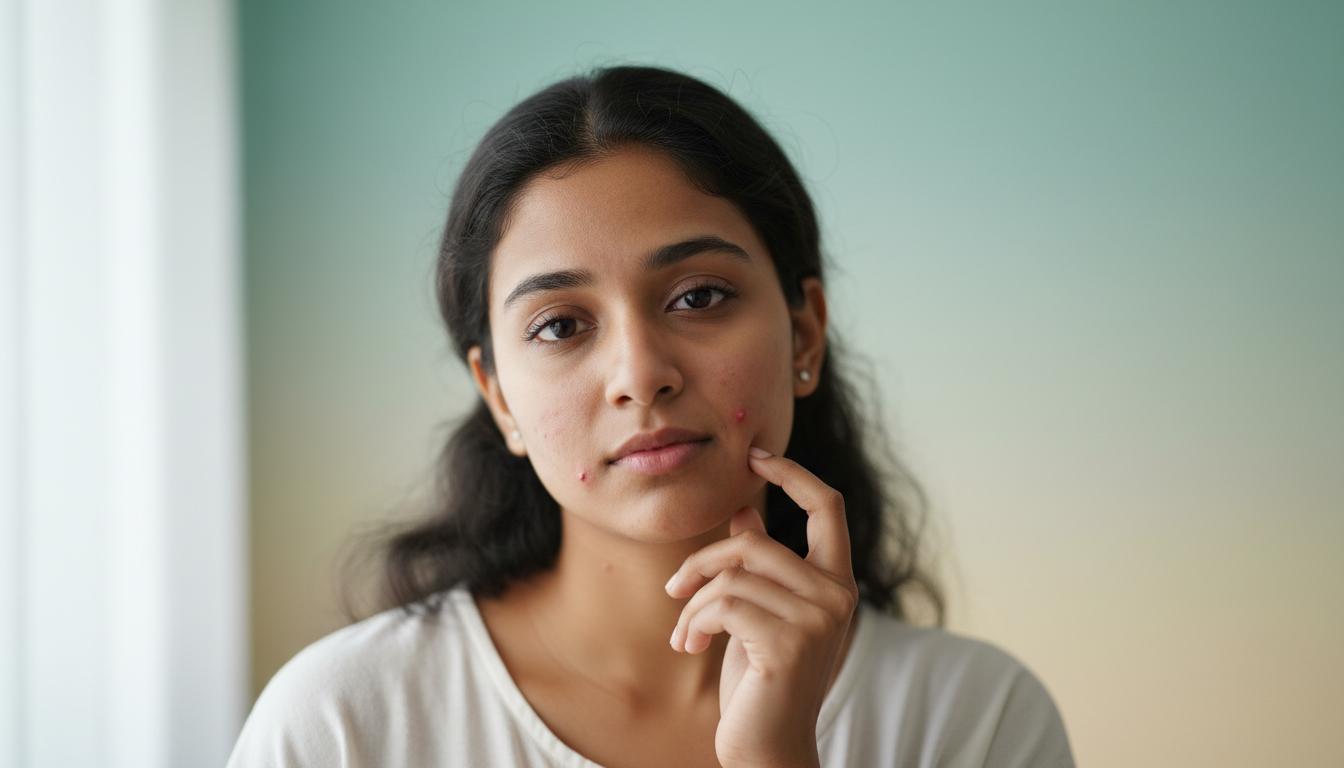
Bringing your baby home is a joyful, life-changing moment. Yet, as you navigate those precious first weeks, you might notice unexpected changes in your body. One day, you look in the mirror and spot new breakouts popping up on your face or chest. If your skin looks very different than it did during pregnancy, you are not alone. This guide explores postpartum acne and how you can manage it safely.
Postpartum breakouts can feel frustrating, especially when you are already adjusting to sleepless nights and a busy schedule. Understanding why these pimples happen makes them much easier to manage. Let us walk through the causes, symptoms, and safest treatment options for new mothers.
Key Takeaways for New Mothers.
- Hormonal shifts: Sudden drops in estrogen and progesterone trigger excess oil production after childbirth.
- Very common condition: Many new mothers experience postpartum breakouts as their bodies return to normal.
- Breastfeeding safety: Always consult your doctor before using acne creams or pills if you are breastfeeding.
- Gentle skincare: Wash your face twice daily with a mild cleanser and avoid picking at blemishes.
BMI Calculator
Know your body mass index (BMI) and weight classification
What is Postpartum Acne?
Simply put, postpartum acne refers to acne breakouts that happen after giving birth. Some new mothers notice pimples right away. Others might see them appear several weeks or even a few months after delivery.
The primary driver behind this condition is the major hormonal shift happening inside your body. As your hormone levels return to their pre-pregnancy state, your skin reacts. These hormonal fluctuations often increase your skin's oil production. This extra oil mixes with dirt, sweat, and dead skin cells, blocking your pores and causing pimples.
Who is Most Likely to Get Postpartum Acne?
Any woman can experience postpartum breakouts after giving birth. However, if you had acne in the past, your chances are higher. A personal history of breakouts or hormonal skin issues makes postpartum acne much more likely.
How Common is Postpartum Acne?
Postpartum acne is a very common skin concern. When hormone levels fluctuate after childbirth, a large number of new mothers experience at least a few breakouts. While exact medical statistics on the exact percentage of affected women are limited, acne itself is one of the most widespread skin conditions globally.
Skin breakouts affect millions of people of all backgrounds every day. In regions like the United States, acne remains the single most common skin disorder treated by doctors.
Why Does Postpartum Acne Happen?
As mentioned earlier, hormones are the main trigger for postpartum breakouts. Postpartum acne is a classic type of hormonal acne. During pregnancy, your body maintains high levels of two vital hormones: estrogen and progesterone.
Once you give birth, your body no longer needs such high amounts of these hormones. As these hormone levels drop sharply, your skin begins producing a natural oil called sebum. Sebum is the primary culprit behind clogged pores. Just like ordinary acne, when sebum mixes with dirt, sweat, and dead skin cells, it blocks your pores and creates pimples.
High stress levels also play a major role in postpartum breakouts. Adjusting to life with a newborn brings heavy responsibilities and intense physical pressure. Sleep deprivation, endless baby care tasks, and skipping your own self-care routine take a heavy toll on your skin. Elevated stress hormones can make breakouts much worse.
What are the Symptoms of Postpartum Acne?
Some women develop breakouts right away after childbirth. Other mothers enjoy clear skin for several weeks before pimples finally appear. Breakouts can also flare up later when you stop breastfeeding or when your menstrual cycle resumes.
Breakouts usually appear on the face, but they can develop anywhere on your body. You might notice several common types of blemishes:
- Blackheads with dark plugs inside open pores.
- Whiteheads trapped underneath closed skin pores.
- Raised red bumps that feel tender to the touch.
- Blind pimples forming deep underneath the skin surface.
If your condition becomes severe, you may develop large, painful lumps beneath the skin called cysts or nodules. These indicate severe forms of acne known as cystic acne or nodular acne. If you notice these deep, painful lumps, consult a board-certified dermatologist for professional treatment.
How is Postpartum Acne Diagnosed?
You can usually identify these breakouts on your own by looking at the typical blemishes on your skin. However, if you have persistent breakouts that keep returning, the best approach is to speak with your doctor for a proper evaluation.
How is Postpartum Acne Treated?
Before you start any acne treatment, talk to your doctor. This is especially important if you are breastfeeding, because certain ingredients can pass into your breast milk. Many topical acne creams and gels are safe, but you should always confirm safety with your doctor first.
If You Are Breastfeeding.
Your doctor may recommend products containing benzoyl peroxide or salicylic acid in safe amounts. However, certain ingredients like retinoids must be avoided completely while pregnant and breastfeeding. If you have breakouts on your chest, avoid applying acne treatments directly to areas where your baby's skin might brush against you. Always wash your hands thoroughly after applying any skin medicine before you hold your baby.
If You Are Not Breastfeeding.
If you do not breastfeed, you have more treatment options available. Your doctor might prescribe stronger prescription skincare products or oral medicines such as antibiotics. Your treatment plan will also depend on whether you plan to become pregnant again in the near future.
| Treatment Approach. | If Breastfeeding. | If Not Breastfeeding. |
|---|---|---|
| Topical Gels & Creams. | Mild options like benzoyl peroxide (doctor-approved). | Prescription-strength topical retinoids and acids. |
| Oral medicines. | Usually restricted to protect the nursing infant. | Oral antibiotics or hormonal medicines if needed. |
| Skincare Routine. | Gentle, non-comedogenic daily cleansing. | complete acne skincare regimen. |
Can Postpartum Acne Be Prevented?
You may not be able to prevent postpartum acne completely because hormones play such a large role. Even so, you can lower your risk and keep breakouts under control with a few simple daily habits:
- Keep your skin clean: Use non-comedogenic makeup and skincare products that do not clog your pores. Cleanse your skin daily using a mild, gentle cleanser. Wash your face twice a day and always before bed, even when you feel exhausted from caring for your newborn.
- Manage your stress levels: Caring for a newborn is challenging and emotionally demanding. High stress levels can worsen skin breakouts. Practice simple breathing exercises or relaxation techniques whenever possible. Take short breaks for yourself and ask your partner or family members for help.
- Never pick or pop your pimples: Touching or squeezing pimples makes inflammation worse and damages your skin. Picking leaves behind stubborn acne scars that are difficult to treat. Squeezing blemishes also pushes bacteria deeper, causing painful skin infections.
What to Expect If You Have Postpartum Acne.
In most cases, postpartum breakouts are temporary. Once your hormone levels stabilize and return to normal, your skin usually clears up. Simple topical treatments help keep breakouts manageable while you heal.
Sometimes, breakouts persist for a while or flare up during the early months of motherhood. Give your body time to adjust as your hormone levels settle. If your breakouts are severe or do not improve with basic care, speak with your doctor about advanced treatment options.
When to See a Doctor for Postpartum Acne.
Schedule an appointment with your doctor or dermatologist if you experience any of these warning signs:
- Your acne is severe, lasts for a long time, or keeps returning repeatedly.
- You develop hard, painful lumps or cysts beneath your skin surface.
- You are breastfeeding and have breakouts on your chest or near your nipples.
- You notice signs of a skin infection, such as fever, severe pain, spreading redness, swelling, or pus.
Emergency Warning Signs.
Seek immediate medical attention or call emergency services (911 in the US/Canada, 999 in the UK) if you experience severe allergic reactions to skincare products, difficulty breathing, facial swelling, or rapidly spreading systemic infection symptoms.
Remember that postpartum acne is a normal experience shared by countless new mothers. You never need to feel embarrassed or worried about seeking help. Speaking with a medical professional ensures you get safe and effective guidance.
Final Thoughts.
Dealing with postpartum acne can feel frustrating when your body is already going through many changes after childbirth. Fluctuating hormone levels are the main cause behind these breakouts. Once your hormone levels settle back to normal, your skin will gradually clear up.
If your breakouts do not improve within a few weeks, do not hesitate to talk to your doctor. Safe treatment options exist even if you are breastfeeding. Always consult a doctor before trying new medicines. Taking care of your skin and overall health is an important part of your journey as a new mother. Your well-being directly supports your baby's health and happiness.
Medical Review and Localization: Reviewed by Dr. Priya Sammani, MD (Senior Medical Editor & Patient Health Educator). Sources consulted include the American Academy of Dermatology (AAD), National Health Service (NHS), Mayo Clinic, and the Eunice Kennedy Shriver National Institute of Child Health and Human Development (NIH).

No comments yet. Be the first to share your question or experience below.