
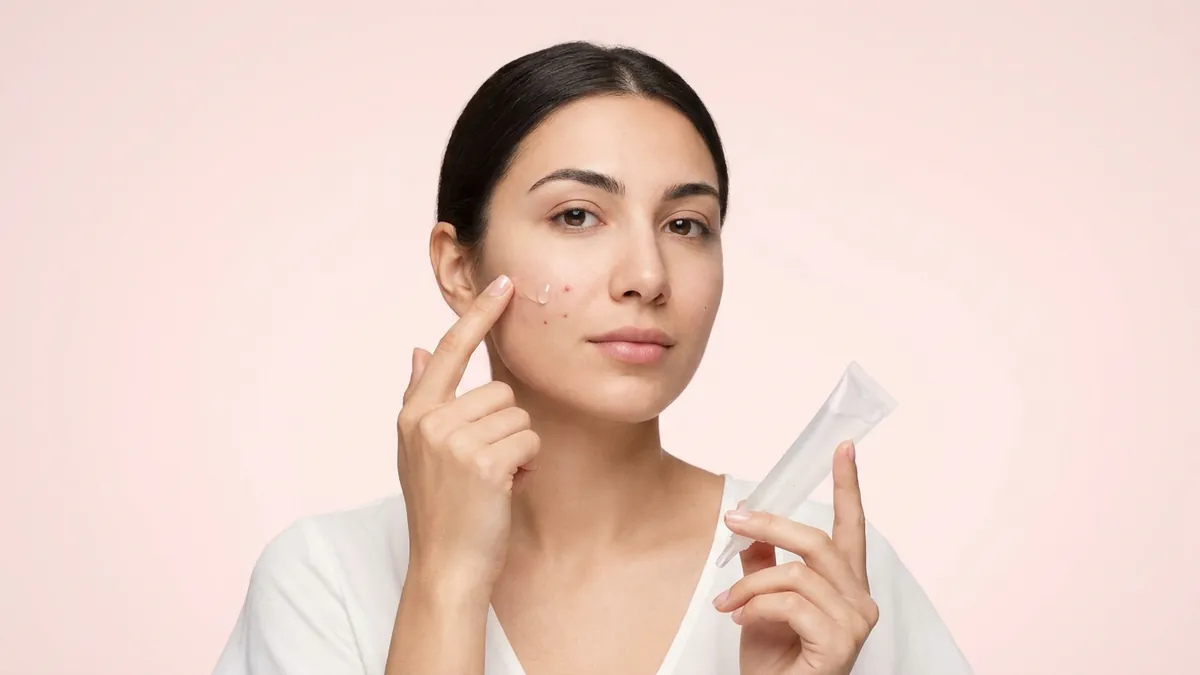
If you have been dealing with stubborn breakouts that refuse to clear or thick, scaly patches of psoriasis that make you self-conscious, knowing how to use tazarotene properly can be a real game-changer for your skin. When over-the-counter washes and drugstore creams just do not cut it, we doctors often prescribe Tazarotene Gel—a powerful, prescription-strength topical retinoid—to get deep inflammation and rapid skin cell buildup under control.
Because it comes in a straightforward tube, it is easy to assume you can just slather it on like any everyday moisturizer. Think about it for a second—have you ever been tempted to use a little extra cream hoping your skin will clear twice as fast? With Tazarotene, that shortcut actually backfires. It is one of the strongest topical retinoids available, so understanding how it works, how to apply it, and how to protect your skin is essential before you squeeze out that very first drop.
📌 Key Takeaways at a Glance
- Potent Vitamin A Derivative: Tazarotene is a third-generation topical retinoid (a vitamin A-derived medicine) that regulates how quickly your skin cells grow and shed.
- Dual Skin Benefits: We doctors prescribe it primarily for moderate-to-severe acne vulgaris) and stubborn plaque psoriasis.
- Nighttime, Pea-Sized Application: Always apply a thin film to clean, completely dry skin once a day at bedtime—using more will only cause irritation, not faster results.
- Strict Pregnancy Warning: You must never use Tazarotene if you are pregnant, trying to conceive, or not using reliable birth control, as it can cause severe birth defects.
- Daily Sun Protection Is Mandatory: Tazarotene makes your skin burn much faster in UV light, so broad-spectrum SPF 30+ sunscreen is non-negotiable every single morning.
How to Use Tazarotene Gel Correctly Step by Step?
To use tazarotene gel safely, wash your skin with a gentle cleanser, wait 15 to 20 minutes until it is completely dry, and apply a thin, pea-sized film to the affected area once daily at bedtime. Avoid your eyes, lips, and nostrils, wash your hands afterward, and apply a fragrance-free moisturizer to reduce dryness.
Getting your nightly routine right makes all the difference between clear, glowing skin and a red, peeling face. We doctors always tell patients to treat Tazarotene with respect. Here is the exact step-by-step routine we recommend every evening:
- Cleanse gently: Wash the treatment area with a mild, soap-free, fragrance-free cleanser and lukewarm water. Skip harsh scrubs, washcloths, or exfoliating brushes.
- Wait for completely dry skin: Pat your skin dry with a clean towel and wait at least 15 to 20 minutes. Applying a retinoid to damp skin pulls the medicine in too fast and triggers stinging. Pretty surprising, right?
- Use a pea-sized amount: Squeeze out just a pea-sized dab for your entire face—or a very thin film just enough to lightly cover psoriasis plaques. Using a thick layer will not speed up healing; it only causes painful redness and flaking.
- Keep it external and targeted: Tazarotene is for external skin use only. Keep it well away from your eyes, eyelids, inside your nose, and the corners of your mouth. If it accidentally gets in your eyes, rinse immediately with plenty of cool, clean water.
- Wash your hands afterward: Unless you are specifically treating psoriasis on your hands, wash your hands thoroughly with soap and water right after applying the gel so you do not accidentally rub it into your eyes later.
- Finish your full course: Even if your skin starts looking smoother after a few weeks, keep following the schedule set by your Primary Care Physician (PCP) or family GP until they advise changing it.
What Is Tazarotene Gel, and What Are Tazarotene Gel Uses vs. Tazarotene Cream Uses?
Tazarotene is a prescription topical retinoid derived from vitamin A that normalizes skin cell turnover. Tazarotene gel uses focus mainly on oily, acne-prone skin and plaque psoriasis, while tazarotene cream uses are preferred for drier, more sensitive skin, plaque psoriasis, and sometimes sun-damaged skin.
You might have seen different names on pharmacy shelves or online—such as Tazorac, Tazaro gel, or generic tazarotene 0.05% and 0.1% tubes. Regardless of the brand name, the active ingredient works the same way inside your skin. Think of your skin like a busy conveyor belt of cells. In acne vulgaris), dead skin cells and natural oil (sebum) stick together and clog your pores, leading to blackheads, whiteheads, and painful deep pimples. Tazarotene speeds up cell shedding so pores stay clear and inflammation calms down.
In plaque psoriasis (a chronic autoimmune skin condition), the opposite happens: your immune system tells skin cells to multiply way too fast, piling up into thick, red, silvery-scaled patches. Tazarotene slows down that overdrive and helps flatten the plaques back into smoother skin. Makes sense, right?
Now, what is the difference between the gel and the cream—and between the 0.05% and 0.1% strengths? Look at what happens here: the gel base is lighter and absorbs quickly, making it ideal if you have oily skin or stubborn acne. The cream base contains extra moisturizing ingredients, which helps cushion dry or sensitive skin. As for strength, we doctors often start patients on the gentler 0.05% strength before stepping up to tazarotene 0.1% if your skin tolerates it well and needs extra clearing power.
What Should You Tell Your Doctor Before Starting Tazarotene?
Before you leave your Primary Care Physician (PCP) or family GP clinic with a prescription for Tazarotene, we doctors need a full picture of your health. Sharing your complete medical history helps us make sure this medicine is genuinely safe for your skin and your body.
Be sure to tell your doctor or pharmacist if any of the following apply to you:
- Eczema or very sensitive skin: If you have eczema (atopic dermatitis), Tazarotene can cause severe, painful irritation and flare-ups.
- Current sunburn: Never start Tazarotene on sunburned skin. Wait until your skin has completely healed before applying your first dose.
- Outdoor work or heavy sun exposure: If you work outdoors in construction, landscaping, or spend long hours in the sun, your doctor needs to know so you can plan strict UV protection.
- Pregnancy or plans to conceive: Tell your doctor immediately if you are pregnant, breastfeeding, or thinking about starting a family in the near future.
- History of allergies: Mention any past allergic reactions to retinoids (like tretinoin or adapalene), vitamin A supplements, or skincare preservatives.
Can Children and Teenagers Use Tazarotene Safely?
Teenage acne can be emotionally tough, and parents often ask us whether Tazarotene is safe for younger skin. Generally, Tazarotene Gel is approved for teenagers and children aged 12 years and older for acne, and in some cases for plaque psoriasis under close specialist supervision.
However, it is not recommended for children under 12 because their skin absorbs topical medicines more readily and its safety in younger kids has not been fully established. If your teenager is struggling with stubborn breakouts, have them evaluated by your family GP, pediatrician, or a dermatologist first. They can choose the right strength and teach your teen how to pair it with a gentle moisturizer and daily sunscreen.
What Happens If You Use Too Much Tazarotene?
Be honest—have you ever thought, "If a pea-sized drop is good, a generous layer must work even faster"? With Tazarotene, applying too much will not clear your acne or psoriasis any quicker. Instead, it overwhelms your skin barrier, causing intense redness, burning, swelling, and heavy peeling.
If you accidentally apply too much to your skin, gently wash the extra gel off with mild soap and cool water, apply a plain fragrance-free moisturizer, and skip your next dose until the irritation settles. On the other hand, if someone—especially a young child—accidentally swallows Tazarotene Gel, treat it as an urgent medical situation. In the US, call Poison Control at 1-800-222-1222 or 911 right away. In Canada, call 911 or your provincial poison center; in the UK, call 999 or NHS 111; and in Australia, call 000 or the Poisons Information Centre at 13 11 26. And remember: never share your prescription tube with friends or family, even if their skin looks just like yours.
Which Skincare Products and Medicines Interact With Tazarotene?
When you are using a powerhouse retinoid, your bathroom cabinet suddenly matters a lot more. Certain everyday skincare products and prescription medicines can clash with Tazarotene, stripping your skin barrier or making you burn in the sun within minutes.
Watch out for these common culprits:
- Harsh acne and exfoliating products: Medicated soaps, salicylic acid washes, glycolic acid toners, benzoyl peroxide, and alcohol-based astringents can double down on dryness and stinging when layered with Tazarotene.
- Sun-sensitizing prescription drugs: Certain oral medications—including thiazide water pills (diuretics), tetracycline or fluoroquinolone antibiotics, and sulfonamides—increase your sensitivity to sunlight. Combining them with Tazarotene raises your risk of severe sunburn.
- Waxing and depilatory creams: Never wax the skin where you apply Tazarotene. Because the medicine thins the top layer of dead skin cells, waxing can literally lift off healthy skin and leave raw, painful patches.
Always bring a list of your current prescriptions, over-the-counter skincare products, and supplements to your doctor or pharmacist so they can check for interactions.
Pregnancy, Birth Control, and Sun Protection: What Special Precautions Matter Most?
Two safety rules sit at the very top of our checklist whenever we prescribe Tazarotene: strict pregnancy prevention and daily sun protection. Remember how we talked about this earlier in the key takeaways? Let us look closely at why both rules are non-negotiable.
Strict Pregnancy and Birth Control Rules
Tazarotene can cause severe birth defects (teratogenicity) in a developing baby if absorbed during pregnancy. If you are able to become pregnant, your doctor will typically ask for a negative pregnancy test within two weeks before you start treatment, and you should begin applying the gel during a normal menstrual period. You must use reliable, effective birth control the entire time you use Tazarotene. If you miss a period or suspect you might be pregnant, stop using the gel immediately and call your Primary Care Physician or family GP clinic right away.
Protecting Your Skin From Sunlight and Wind
Tazarotene makes your fresh, newly exposed skin cells much more vulnerable to ultraviolet (UV) rays—and even to cold wind! Whether you are walking the dog in London, commuting in Toronto, or spending a weekend outdoors in Sydney or California, you need a solid sun-safety habit:
- Apply a broad-spectrum sunscreen with SPF 30 or higher every single morning, even on cloudy days.
- Wear a wide-brimmed hat, sunglasses, and protective long sleeves when spending time outdoors.
- Stay completely away from tanning beds and sun lamps.
- During cold, windy winter weather, apply a rich, non-comedogenic moisturizer to shield your skin from windburn.
What Are the Most Common Tazarotene Side Effects to Watch For?
The most common tazarotene side effects are mild to moderate dryness, peeling, redness, itching, and a brief stinging or burning sensation where you apply it. These reactions usually peak during the first two to four weeks as your skin adjusts and gradually fade with consistent moisturizing.
We doctors call this adjustment phase "retinization." It is completely normal, and it does not mean the medicine is failing—in fact, it shows your skin cells are turning over. To help you tell the difference between normal adjustment and a reaction that needs medical attention, take a look at this quick guide:
| Side Effect or Skin Reaction | What It Means & What You Should Do |
|---|---|
| Mild dryness, flaking, or light peeling | Very common during the first 2 to 4 weeks as Tazarotene speeds up dead skin shedding and clears clogged pores. What you should do: Apply a gentle, fragrance-free, non-comedogenic moisturizer twice daily. You can also try the "sandwich method"—moisturizer, then Tazarotene, then moisturizer—after checking with your doctor. |
| Temporary redness or mild stinging | Your skin barrier is adjusting to a strong vitamin A derivative, especially if applied too soon after washing. What you should do: Make sure your skin is completely dry (wait 20 minutes after washing) before applying. Ask your GP if you can scale back to every other night until your skin calms down. |
| Early acne "purge" (temporary breakouts) | Deep, clogged pores are surfacing faster than usual during the first 4 to 6 weeks of treatment. What you should do: Do not pick or squeeze spots, as this causes scarring. Stay consistent with your prescribed routine and give it 8 to 12 weeks to see true clearing. |
| Severe burning, blistering, crusting, or intense swelling | Signs of significant skin barrier damage, overuse, or an allergic skin reaction (contact dermatitis). What you should do: Stop using Tazarotene immediately, rinse the area gently with cool water, and contact your Primary Care Physician, family GP, or local Urgent Care center for evaluation. |
How Should You Store and Dispose of Tazarotene Safely?
Taking care of your tube keeps the medicine effective and keeps everyone in your home safe. Store Tazarotene Gel at normal room temperature—between 20°C and 25°C (68°F to 77°F)—away from bathroom steam, direct sunlight, and freezing temperatures. Always keep the cap tightly closed and store the tube well out of reach of children and pets.
When your tube expires or you finish treatment, do not just toss it into an open household bin where a curious child or dog could chew on it. The safest option is to drop it off at a local pharmacy medicine take-back program. If no take-back program is available near you, squeeze the leftover gel into a sealable plastic bag mixed with something unappealing like used coffee grounds, dirt, or cat litter, seal it tightly, and place it in your outdoor trash.
✔️ What You Should Do & ❌ What to Avoid
- ✔️ Do apply a thin, pea-sized layer once daily at bedtime to clean, completely dry skin.
- ✔️ Do wear broad-spectrum SPF 30+ sunscreen every morning and pair your routine with a gentle, fragrance-free moisturizer.
- ✔️ Do use reliable birth control if you can become pregnant, and keep all follow-up appointments with your doctor.
- ❌ Don't use Tazarotene if you are pregnant, trying to conceive, or currently have a sunburn or eczema flare.
- ❌ Don't layer harsh scrubs, alcohol toners, or waxing treatments over the treated area.
- ❌ Don't apply extra gel hoping for faster results—patience beats irritation every single time.
🚨 When to Seek Immediate Emergency Care (Red-Flag Symptoms)
If you or someone near you develops any of these red-flag symptoms, do not wait — call 911 (US & Canada), 999 or 111 (UK), or 000 (Australia) immediately or go straight to the nearest hospital Emergency Room (ER / A&E):
- Swelling of your face, lips, tongue, or throat.
- Sudden trouble breathing, wheezing, or tightness in your chest.
- Widespread hives, severe dizziness, or feeling faint.
- Severe blistering, oozing, or painful peeling across large areas of your skin.
- Accidental swallowing of the gel, especially by a child.
💡 Key Take-Home Message
- Tazarotene Gel is a highly effective prescription retinoid for stubborn acne and plaque psoriasis when used consistently at bedtime.
- A pea-sized amount on completely dry skin, paired with daily moisturizer and SPF 30+ sunscreen, keeps side effects mild and manageable.
- Never use Tazarotene during pregnancy, and always check with your doctor before combining it with other active skincare products.
- Real skin transformation takes time—give your skin 8 to 12 weeks to show its best results.





No comments yet. Be the first to share your question or experience below.