Becoming a mother after 35: What you need to know

Becoming a mother after 35: What you need to know

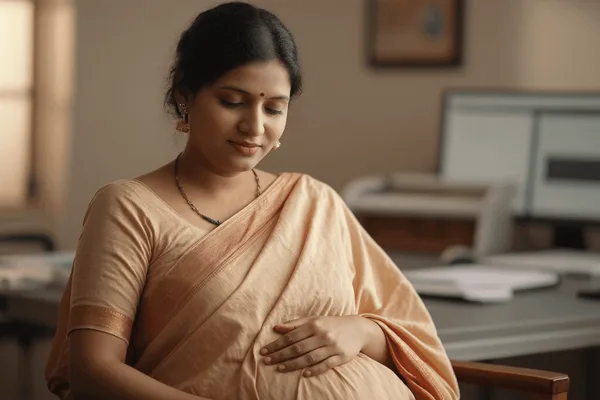
So, one morning, a teacher named Priyanka came to my clinic. She was 38 years old. As soon as I saw her, I could tell she was a little nervous, but at the same time very happy. She came and sat down, carefully holding her stomach with both hands.

Doctor Priya ,” she began, “I recently found out that I am pregnant . But I am now thirty-eight years old. So my family says that it is a bit risky to have children at that age. I am really scared. Should I be worried about this, doctor?”

I smiled and calmed him down, leaned forward a little and said, “First of all, congratulations! Let's talk about this properly. Then you can be free from fear about this journey.”

What does it mean to become a mother at the age of 35?

In the past, it was called "geriatric pregnancy ." But now, in medical science, it is called "advanced maternal age" (AMA). That means becoming a mother at the age of 35 or older. So, nowadays, family life is starting a little later.

Is it weird to get pregnant after age 35?

Crazy! Not at all! In fact, more people are having children at this age than ever before. According to a report by the Centers for Disease Control and Prevention (CDC), the number of first-time parents in the 35-39 age group is six times higher than it was in the 1970s. So while the number of children is up, having children after the age of 35 is not uncommon these days.

Priyanka's story is similar to the story of many other women in Sri Lanka. Nowadays, many people give more importance to studying and working. So, having children late has become a common thing in Sri Lanka, just like everywhere else in the world.

What are the risks that come with age?

Although getting pregnant after the age of 35 is generally not a big deal, there are some slight increases in risk. Let's look at each one of them one by one:

  • The baby is more likely to have genetic problems: The eggs in our bodies also age. So with age,The chance of problems like Down syndrome increases slightly.
  • Diseases can develop: With age, the risk of developing diseases like blood pressure and diabetes increases. So, those diseases can affect pregnancy.
  • Pregnancy complications: If blood pressure increases during pregnancy, it can cause problems. It can also cause problems with the placenta.
  • Fibroids and endometriosis: These are problems that occur in the uterus . So, these are more likely to occur in older women. These things can affect pregnancy.
Risk/benefit In the description
There is a high chance of genetic problems. Aging eggs can produce babies with problems like Down syndrome.
Diseases can occur. As you get older, you are more likely to develop diseases like blood pressure and diabetes.
Money and courage Elderly parents usually have some money. And they are also strong in spirit.
Money and other things When you have money and are well educated, you can take good care of your baby.

Are there any positive aspects to becoming a mother after the age of 35?

Yes, yes! There are many benefits to becoming a mother later in life, not just risks:

  • Mental strength and money: Older mothers usually have some money. They also have a lot of mental strength.
  • Money and other things: When you have money and are well educated, you can take good care of your baby. You can spend it on medicine and other necessities.
  • Readiness: When you have experience in life, you are more prepared to have children.

So when I told her that, Priyanka's face lit up. "Now I feel very relieved," she said.

When should I see the doctor?

If you are over 35, trying to conceive, or already pregnant, it is very important to see a doctor as soon as possible. Because:

  • Before having children: Your doctor can prepare your body for having a child. They can check for any medical conditions you may have, advise you on what to eat, and prepare you for labor.
  • After pregnancy: So even after pregnancy, you should always see a doctor, take your medication, and make sure that your body and the baby's body are healthy.
  • Tests: Sometimes, tests are needed to check for genetic problems. Some tests need to be done early in pregnancy.

How to reduce risks?

So while you can't change your age, there are ways you can reduce your risks and have a healthy pregnancy:

  • Work hard: It's good to walk a little to feel your body, do things like that. It improves your physical health. And it makes it easier to have a baby.
  • Eat well: Eat nutritious foods, such as vegetables and fruits.
  • Keep your mind calm: Doing yoga , meditating, or even just breathing slowly can help keep your mind calm.
  • Stay away from bad things: You should stop smoking cigarettes, drinking alcohol, and taking certain medications.

Priyanka nodded as I said this, taking it into account. “I always think about my body,” she said. “But now I have to think about it a little more.”

Finally

Even though there were some risks involved in getting pregnant with age, it was a time when you could be very happy . Priyanka left the clinic that day with great confidence. She now knows that she can take care of her health and have a good pregnancy.

Is it risky to get pregnant after age 35?

Even though there is a small risk, if you take the right medication and are careful, people of this age can have healthy children.

What are the main things to look for in older pregnancies?

The main things to watch out for are health issues, blood pressure, and diabetes. But if you see a doctor regularly, you can reduce those risks.

Can I have a baby normally after age 35?

Of course you can. Most people over the age of 35 have normal pregnancies. So your doctor will tell you about it based on your situation.

Should I do a genetic test?

It's not mandatory, but sometimes it's recommended. So talk to your doctor about it.

How can I prepare for a healthy pregnancy?

Eat well, exercise, keep a calm mind, and stay away from bad things. That's it!

⚠️ Important: The medical articles and information on Nirogi Lanka are for general awareness only, and are by no means a substitute for professional medical advice, diagnosis, or treatment. For any medical problem you have, consult a qualified physician immediately.

💬 Comments (0)

No comments yet. Be the first to share your thoughts here.

Add Your Comment

Please calculate: 1 + 6 =
Becoming a mother after 35: What you need to know
Women's HealthDecember 22, 2024

Becoming a mother after 35: What you need to know

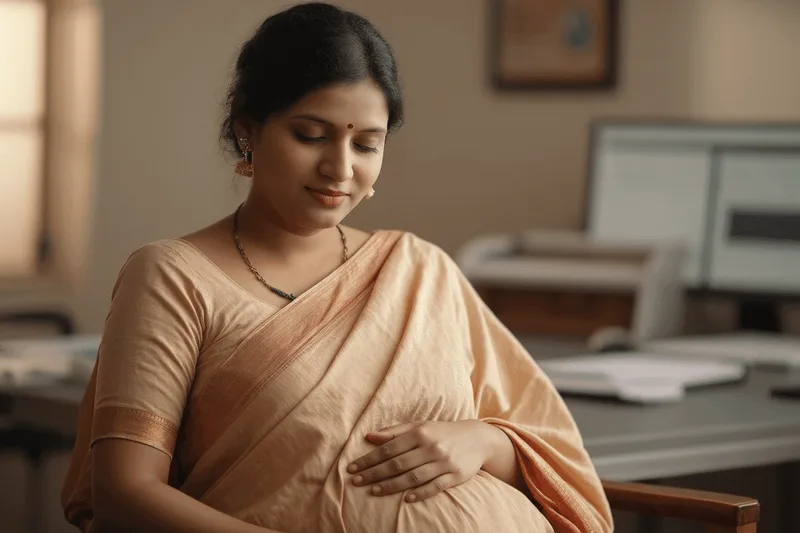
So, one morning, a teacher named Priyanka came to my clinic. She was 38 years old. As soon as I saw her, I could tell she was a little nervous, but at the same time very happy. She came and sat down, carefully holding her stomach with both hands.

Doctor Priya ,” she began, “I recently found out that I am pregnant . But I am now thirty-eight years old. So my family says that it is a bit risky to have children at that age. I am really scared. Should I be worried about this, doctor?”

I smiled and calmed him down, leaned forward a little and said, “First of all, congratulations! Let's talk about this properly. Then you can be free from fear about this journey.”

What does it mean to become a mother at the age of 35?

In the past, it was called "geriatric pregnancy ." But now, in medical science, it is called "advanced maternal age" (AMA). That means becoming a mother at the age of 35 or older. So, nowadays, family life is starting a little later.

Is it weird to get pregnant after age 35?

Crazy! Not at all! In fact, more people are having children at this age than ever before. According to a report by the Centers for Disease Control and Prevention (CDC), the number of first-time parents in the 35-39 age group is six times higher than it was in the 1970s. So while the number of children is up, having children after the age of 35 is not uncommon these days.

Priyanka's story is similar to the story of many other women in Sri Lanka. Nowadays, many people give more importance to studying and working. So, having children late has become a common thing in Sri Lanka, just like everywhere else in the world.

What are the risks that come with age?

Although getting pregnant after the age of 35 is generally not a big deal, there are some slight increases in risk. Let's look at each one of them one by one:

  • The baby is more likely to have genetic problems: The eggs in our bodies also age. So with age,The chance of problems like Down syndrome increases slightly.
  • Diseases can develop: With age, the risk of developing diseases like blood pressure and diabetes increases. So, those diseases can affect pregnancy.
  • Pregnancy complications: If blood pressure increases during pregnancy, it can cause problems. It can also cause problems with the placenta.
  • Fibroids and endometriosis: These are problems that occur in the uterus . So, these are more likely to occur in older women. These things can affect pregnancy.
Risk/benefit In the description
There is a high chance of genetic problems. Aging eggs can produce babies with problems like Down syndrome.
Diseases can occur. As you get older, you are more likely to develop diseases like blood pressure and diabetes.
Money and courage Elderly parents usually have some money. And they are also strong in spirit.
Money and other things When you have money and are well educated, you can take good care of your baby.

Are there any positive aspects to becoming a mother after the age of 35?

Yes, yes! There are many benefits to becoming a mother later in life, not just risks:

  • Mental strength and money: Older mothers usually have some money. They also have a lot of mental strength.
  • Money and other things: When you have money and are well educated, you can take good care of your baby. You can spend it on medicine and other necessities.
  • Readiness: When you have experience in life, you are more prepared to have children.

So when I told her that, Priyanka's face lit up. "Now I feel very relieved," she said.

When should I see the doctor?

If you are over 35, trying to conceive, or already pregnant, it is very important to see a doctor as soon as possible. Because:

  • Before having children: Your doctor can prepare your body for having a child. They can check for any medical conditions you may have, advise you on what to eat, and prepare you for labor.
  • After pregnancy: So even after pregnancy, you should always see a doctor, take your medication, and make sure that your body and the baby's body are healthy.
  • Tests: Sometimes, tests are needed to check for genetic problems. Some tests need to be done early in pregnancy.

How to reduce risks?

So while you can't change your age, there are ways you can reduce your risks and have a healthy pregnancy:

  • Work hard: It's good to walk a little to feel your body, do things like that. It improves your physical health. And it makes it easier to have a baby.
  • Eat well: Eat nutritious foods, such as vegetables and fruits.
  • Keep your mind calm: Doing yoga , meditating, or even just breathing slowly can help keep your mind calm.
  • Stay away from bad things: You should stop smoking cigarettes, drinking alcohol, and taking certain medications.

Priyanka nodded as I said this, taking it into account. “I always think about my body,” she said. “But now I have to think about it a little more.”

Finally

Even though there were some risks involved in getting pregnant with age, it was a time when you could be very happy . Priyanka left the clinic that day with great confidence. She now knows that she can take care of her health and have a good pregnancy.

Is it risky to get pregnant after age 35?

Even though there is a small risk, if you take the right medication and are careful, people of this age can have healthy children.

What are the main things to look for in older pregnancies?

The main things to watch out for are health issues, blood pressure, and diabetes. But if you see a doctor regularly, you can reduce those risks.

Can I have a baby normally after age 35?

Of course you can. Most people over the age of 35 have normal pregnancies. So your doctor will tell you about it based on your situation.

Should I do a genetic test?

It's not mandatory, but sometimes it's recommended. So talk to your doctor about it.

How can I prepare for a healthy pregnancy?

Eat well, exercise, keep a calm mind, and stay away from bad things. That's it!

⚠️ Important: The medical articles and information on Nirogi Lanka are for general awareness only, and are by no means a substitute for professional medical advice, diagnosis, or treatment. For any medical problem you have, consult a qualified physician immediately.

💬 Comments (0)

No comments yet. Be the first to share your thoughts here.

Add Your Comment

Please calculate: 1 + 6 =