
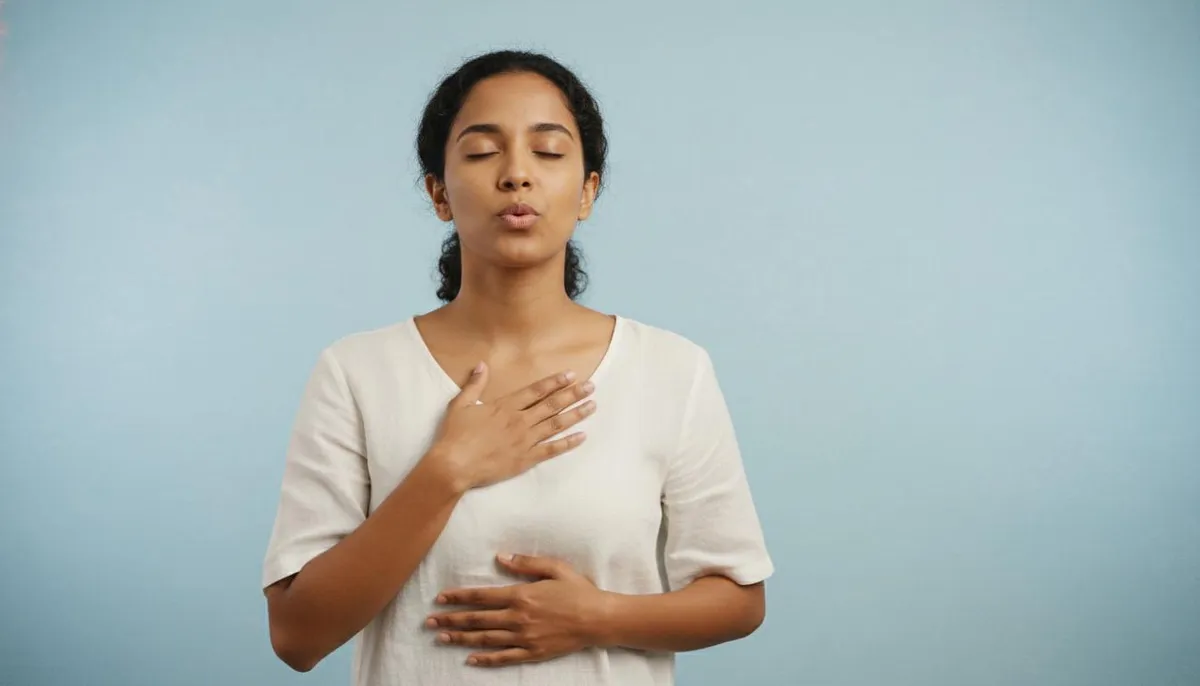
Have you ever felt suddenly short of breath while climbing the stairs, doing light chores, or even while resting quietly? Feeling like you cannot catch your breath can be frightening, stressful, and overwhelming when it happens out of nowhere. Fortunately, you do not always need complicated equipment or medicines to regain control of your breathing during these moments. There is a wonderfully simple, highly effective technique called pursed lip breathing that you can practice anywhere, at any time, to help you feel better right away.
In this complete medical guide, we will explore what pursed lip breathing is, why it works so well, how to perform it correctly step by step, and when you should seek professional medical help. Whether you are living with a chronic lung condition or simply looking for ways to manage sudden physical stress and anxiety, mastering this simple breathing pattern can transform how you handle breathlessness in your daily life.
Key Takeaways at a Glance
- Simple Technique: Inhale slowly through your nose for two seconds with your mouth closed.
- Controlled Exhalation: Pucker your lips like you are blowing out a candle and exhale gently for four or more seconds.
- Lung Support: It helps keep your airways open longer, letting trapped air escape so fresh oxygen can enter.
- Anxiety Relief: Slowing your breath rate naturally calms your nervous system during stressful moments.
- Emergency Caution: If shortness of breath does not improve after ten minutes of practice, seek emergency medical care right away.
Know your body mass index (BMI) and weight classification
What Is Pursed Lip Breathing?
Simply put, pursed lip breathing is an easy breathing technique designed to help you slow down your breathing rate and make every breath you take more efficient. When you feel short of breath, your natural instinct is often to take rapid, shallow gasps of air. Unfortunately, this quick breathing actually traps stale air inside your lungs and prevents fresh oxygen from circulating properly.
By consciously pursing your lips and lengthening your exhalation, you create a gentle back-pressure in your airways. This pressure keeps your small air tubes open longer, allowing trapped carbon dioxide to escape while welcoming fresh oxygen. Instead of panicking when breathlessness strikes, you can use this simple tool to regain calm, steady control within just a few breaths.
Common Breathing Patterns We Experience Every Day
Human beings do not all breathe the exact same way all the time. Our breathing patterns shift naturally depending on our activity level, our stress levels, and our overall health. Let us look at four common breathing patterns and what happens during each one.
| Breathing Pattern | What Happens Simply Explained |
|---|---|
| Eupnea | This is your normal, resting breathing pattern. You do not have to think about it, and it happens automatically without any effort or discomfort. |
| Hyperpnea | This refers to deeper and faster breathing. It happens naturally when you exercise, lift heavy objects, or travel to high-altitude mountain areas. |
| Diaphragmatic Breathing (Belly Breathing) | Here, you consciously engage your diaphragm muscle located right below your lungs, allowing your belly to rise outward as you take deep breaths. |
| Costal Breathing | This relies mostly on the muscles between your ribs rather than your diaphragm. It is typically a shallower breathing pattern used during light exertion. |
Who Benefits Most From Pursed Lip Breathing?
While anyone can learn pursed lip breathing to manage occasional breathlessness or stress, it is especially beneficial if you live with a chronic lung or respiratory condition. Doctors and pulmonologists often recommend this technique for people managing specific health challenges.
You may find this breathing method especially useful if you manage one of the following conditions:
- Asthma: A chronic inflammatory disease that narrows your airways and triggers sudden wheezing and breathlessness.
- COPD (Chronic Obstructive Pulmonary Disease): A long-term progressive lung disease that makes it difficult to push air completely out of your lungs.
- Pulmonary Fibrosis: A condition characterized by stiffening and scarring of lung tissues, making deep breaths harder to achieve.
When you live with conditions like these, your airways can easily collapse or trap stale air when you exhale. Pursed lip breathing provides an effective physical mechanism to keep those airways open and ease your daily breathing effort.
Why Is This Breathing Technique So Important?
The health benefits of pursed lip breathing extend far beyond simple relaxation. When practiced regularly, it delivers profound physiological advantages for your respiratory and cardiovascular systems.
Here are the primary ways this technique helps your body:
- Improves Airway Ventilation: It makes the movement of air into and out of your lung tissue much more efficient.
- Clears Trapped Stale Air: Many lung conditions trap old air inside the lungs during exhalation. This technique forces that trapped air out.
- Keeps Airways Open Longer: By adding gentle back-pressure, it prevents your bronchial tubes from collapsing prematurely.
- Slows Down Breathing Rate: Lengthening your exhalation time lowers your overall breath count per minute and calms your mind.
- Optimizes Oxygen Exchange: It replaces old, trapped air with fresh, oxygen-rich air with every cycle.
- Provides Fast Relief: It offers quick, accessible comfort when shortness of breath strikes unexpectedly.
- Relaxes Body and Mind: Deep rhythmic control lowers physical tension and reduces feelings of panic.
For people with COPD, this process is especially crucial because it prevents air trapping, ensures higher blood oxygen levels, and helps rid the body of excess carbon dioxide.
When Should You Use This Technique?
You can use pursed lip breathing during any physical activity, especially right when you reach the most difficult part of an exertion. Using this technique proactively prevents severe breathlessness before it takes hold.
Good times to use pursed lip breathing include:
- Bending forward to tie your shoes or pick up an item.
- Lifting a heavy laundry basket or grocery bag.
- Walking briskly across a parking lot or park.
- Climbing a flight of stairs at home or work.
- Engaging in your regular physical exercise routine.
The best way to master this technique is to practice it regularly when you are completely at rest. Try practicing while watching television, reading a book, or waiting in line at the grocery store. When you make it a natural habit during calm moments, your body will automatically remember to use it when sudden breathing difficulties arise.
How to Perform Pursed Lip Breathing Correctly
Learning pursed lip breathing takes only a few minutes. Follow these simple step-by-step instructions to get started safely and effectively.
| Step | Action Required |
|---|---|
| Step 1: Relax Your Body | Relax the muscles in your neck and shoulders. Do not tense up. Sit comfortably upright in a sturdy chair or lie down on your back. |
| Step 2: Inhale Through Your Nose | Keep your mouth closed and take a slow, normal breath in through your nose. Count quietly to two in your head (one, two). You do not need a huge gasp; a normal breath is enough. Feel your belly rise gently. |
| Step 3: Pucker Your Lips | Cup or pucker your lips gently, as if you are about to whistle, blow out a birthday candle, or cool down a hot spoon of soup. Do not force or strain your lips. |
| Step 4: Exhale Slowly and Gently | Exhale air very slowly and smoothly through your pursed lips. Count quietly to four or longer in your head (one, two, three, four). Your exhalation should take twice as long as your inhalation. Feel your belly flatten. |
Helpful Tips for Practicing
When you first begin practicing pursed lip breathing, it might feel slightly unnatural or awkward. With daily practice, however, it will quickly become second nature.
- Never force air out: Let the air leave your lungs at a natural, unforced pace through your lips.
- Maintain the 1-to-2 ratio: Always ensure your exhalation lasts twice as long as your inhalation (for example, inhale for two seconds, exhale for four seconds).
- Keep it smooth and easy: Focus on smooth, continuous breathing until you feel completely in control of your airflow.
How Long and How Often Should You Practice?
Training your respiratory muscles takes consistent repetition. A great goal is to practice this technique four to five times every day, spending about five to ten minutes per session.
Once this breathing pattern feels automatic and comfortable, you do not need to schedule daily practice sessions anymore. You can simply use it whenever you feel shortness of breath coming on during physical tasks or stressful moments.
Potential Risks and Important Precautions
Pursed lip breathing is an extremely safe, natural technique with virtually no adverse physical risks. However, if you have been diagnosed with a chronic respiratory or cardiovascular illness, it is always wise to consult your doctor before starting any new exercise or breathing regimen.
- Watch for lightheadedness: If you feel dizzy or lightheaded while practicing, stop right away, sit quietly, and rest until normal breathing returns.
- It is not a medical cure: Remember that pursed lip breathing is a symptom-management tool, not a cure for underlying lung disease. You must continue taking all prescribed medicines exactly as directed by your doctor.
When to Seek Emergency Medical Attention
Important Emergency Warning: If you practice pursed lip breathing for ten consecutive minutes and your shortness of breath does not improve, or if your breathing difficulty continues to worsen, call 911 (US/Canada), 999 (UK), or go right away to the nearest hospital Emergency Department (ER / A&E). Seek urgent care right away if you experience chest pain, confusion, blue lips, or fainting.
Belly Breathing vs. Pursed Lip Breathing: What Is the Difference?
People often confuse belly breathing with pursed lip breathing, but they serve slightly different purposes in respiratory care.
Belly breathing, also known as diaphragmatic breathing, requires you to consciously train and engage your diaphragm muscle to take deep breaths. It requires focused practice and physical coordination.
In contrast, pursed lip breathing is much simpler and faster to learn. It does not require complex muscle training. Instead, it offers an immediate way to slow your breathing rate down, relieve trapped air, and optimize oxygen delivery whenever breathlessness occurs.
Is Pursed Lip Breathing Helpful for Anxiety and Stress?
Yes, absolutely. Clinical studies show that pursed lip breathing helps reduce feelings of anxiety, panic, and emotional distress by calming your autonomic nervous system. When you feel anxious or frightened, your body instinctively enters a fight-or-flight response, causing your breathing rate to spike rapidly.
By intentionally slowing your breathing down using pursed lip techniques, you send powerful physiological signals to your brain that you are safe. This reduces heart rate, lowers blood pressure, and brings deep mental tranquility during stressful episodes.






No comments yet. Be the first to share your question or experience below.