
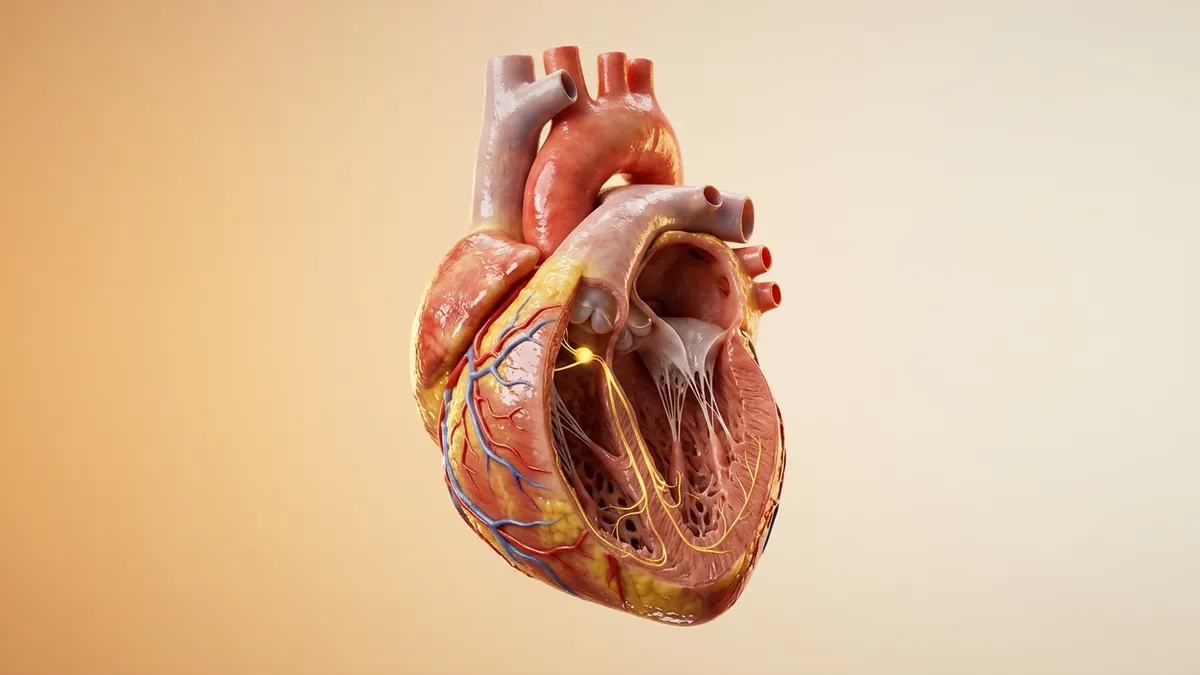
When a specialist or family doctor brings up targeted heat therapy, it is completely natural to go straight home and look up the Radio Frequency Ablation Procedure: Clinical Meaning, Causes, Normal Ranges & Next Steps so you know what awaits you. Be honest, hearing the word "ablation" sounds a little intimidating at first, doesn't it? Yet in everyday medicine, we doctors view targeted radio-wave heat treatment (radiofrequency ablation, or RFA) as one of the gentlest, smartest ways to calm stubborn pain, steady a racing heart, or seal leaky leg veins without a single surgical incision.
Instead of putting you through major hospital surgery and weeks of recovery, this outpatient treatment delivers pinpoint warmth through a hair-thin probe or flexible tube while you stay relaxed. Pretty reassuring, right?
Whether you were referred by your Primary Care Physician (PCP) or family GP clinic in the United States, Canada, the United Kingdom, or Australia, understanding how the procedure works, which safety numbers matter beforehand, and how recovery unfolds puts you firmly in charge of your health.
📌 Key Takeaways at a Glance
- Minimally invasive precision: A radio frequency ablation procedure uses controlled radio waves to warm and quiet tiny pain nerves, irregular heart tissue, swollen veins, or benign nodules through a needle-sized entry point.
- No stitches or overnight stay for most patients: Most spine, joint, vein, and thyroid treatments happen as day procedures, letting you walk out and rest in your own bed that evening.
- Strict safety cutoffs protect you: Specialists verify diagnostic numbing block relief of at least 50% to 80% for pain cases, along with safe blood clotting and vital sign ranges before starting.
- Gradual, lasting results: While heart and vein improvements often start quickly, nerve pain relief typically builds over two to four weeks and lasts six to eighteen months or longer.
- Teamwork matters: Always coordinate blood thinners, diabetes medications, and follow-up visits with your PCP or family GP clinic before and after treatment day.
What Is an Ablation Procedure, and What Is Its Clinical Meaning?
A radio frequency ablation procedure (RFA) is a minimally invasive medical treatment that uses controlled, high-frequency radio waves to generate targeted heat and gently switch off overactive pain nerves, faulty heart rhythm pathways, leaky veins, or benign nodules—offering lasting relief without open surgery or stitches.
People often ask us in the clinic, "What is an ablation procedure compared with regular surgery, and what is a ablation procedure going to feel like?" Think about it for a second: when a tiny electrical wire in your home keeps triggering a false alarm, you do not tear down the whole wall—you simply disconnect that single faulty wire. That is the exact clinical meaning behind medical ablation.
Depending on which part of your body needs help, we doctors at your Primary Care Physician (PCP) or family GP clinic take a thorough history, order initial blood work or baseline scans, and refer you to the right hospital specialist. Pain medicine specialists and interventional radiologists use live X-ray guidance (fluoroscopy) or ultrasound to quiet sore joint nerves, cardiologists thread a soft tube through a blood vessel for irregular heartbeats, and vascular specialists seal aching varicose veins. Different body parts, same gentle physics. Makes sense, right?
How Does a Radio Frequency Ablation Procedure Work Inside Your Body?
Have you ever wondered how radio waves—the same harmless energy band used in communication—can stop chronic lower back pain or an erratic pulse? Look at what happens right at the tip of the probe. Once your specialist numbs your skin and guides an insulated needle or thin flexible tube (catheter) to the exact millimeter target, a generator sends an alternating electrical current of roughly 350 to 500 kilohertz through the uninsulated tip.
Contrary to what many people assume, the probe tip itself does not heat up like a soldering iron. Instead, those radio waves make tiny charged water molecules in the microscopic ring of tissue right beside the tip vibrate rapidly, creating gentle friction heat (thermal coagulation). Within 60 to 90 seconds, that pinpoint warmth pauses pain-signal transmission along a sensory nerve or creates a tiny, protective scar barrier that blocks stray electrical beats in the heart.
We doctors also distinguish between three main variations and closely related treatments when helping you weigh options:
- Conventional thermal RFA: Uses steady warmth of 60°C to 80°C (140°F to 176°F) to create a predictable, long-lasting nerve or tissue block.
- Pulsed and cooled RFA: Pulsed RFA delivers short bursts capped around 42°C (107.6°F) to calm sensitive nerves without heat damage, while water-cooled RFA treats slightly wider joint zones like the knee or sacroiliac joint.
- How it differs from steroid shots or freezing: Cortisone injections (corticosteroid injections) only calm inflammation temporarily for weeks, whereas cold-probe treatment (cryoablation) freezes tissue with liquid gas when cold is safer near delicate structures.
What Causes Doctors to Recommend Procedure Ablation Across Different Conditions?
Why do we doctors turn to a procedure ablation pathway instead of simply prescribing stronger daily tablets? We rarely stop to think about how exhausting daily medication side effects can be, do we? Long-term anti-inflammatory painkillers can irritate your stomach lining and kidneys, while heart rhythm tablets do not always keep symptoms away. When conservative care—physical therapy, posture work, weight management, or standard medications—falls short, RFA steps in.
Chronic Spine, Neck, and Knee Joint Pain
The single most common reason family doctors refer patients for nerve RFA (radiofrequency neurotomy) is wear-and-tear spinal joint arthritis (facet joint osteoarthritis) in the lower back or neck, often after decades of desk work, heavy lifting, or old whiplash injuries. It is also widely used for pelvic girdle pain (sacroiliac joint dysfunction) and stubborn arthritis pain around the knee—including persistent ache after knee replacement—by targeting tiny sensory branches (geniculate nerves) while leaving leg strength untouched.
Heart Rhythm Disorders, Leaky Leg Veins, and Benign Nodules
Beyond pain relief, cardiac electrophysiologists perform heart catheter ablation for irregular heart rhythms (cardiac arrhythmias) such as fluttering upper chambers (atrial fibrillation) or sudden racing episodes (supraventricular tachycardia). Vascular specialists use endovenous RFA to gently close swollen, leaky leg veins (chronic venous insufficiency) that cause throbbing ankles and varicose veins. Meanwhile, interventional radiologists use image-guided RFA to shrink non-cancerous thyroid lumps (benign thyroid nodules), painful bone growths (osteoid osteomas), or small liver and kidney tumors when open surgery carries unnecessary risk.
What Are the Normal Ranges, Safety Cutoffs, and Pre-Procedure Steps?
When patients look up "normal ranges" before an ablation procedure, they are usually looking at pre-op lab results or clinic qualifying scores and wondering if they are cleared to go ahead. What do you think we doctors check on your chart before giving the green light? Every safe RFA relies on strict, evidence-based clinical cutoffs:
- Diagnostic nerve block cutoff (50% to 80% relief): For spine or joint pain, specialists never guess. First, you receive one or two temporary numbing test shots (medial branch nerve blocks). Experiencing at least 50% to 80% pain relief for a few hours proves that exact nerve is the culprit.
- Blood clotting normal ranges: Your clotting test (international normalized ratio, or INR) generally needs to sit at or below 1.4 to 1.5, with a blood platelet count safely above 50,000 to 100,000 per microliter to prevent deep bruising around the spine or vessels.
- Vital sign and blood sugar targets: Clinic blood pressure should be controlled below 180/110 mmHg on treatment day, and blood sugar should sit in a steady range—ideally below 200 mg/dL (11.1 mmol/L)—to minimize infection risk.
- Live nerve-testing safety ranges: During spine RFA, the specialist tests sensory tingling below 0.5 volts and confirms zero leg or arm muscle twitching up to 2.0 volts before heating to 60°C–80°C (140°F–176°F).
Preparation is straightforward too. If you receive light IV sedation, fast from solid food for six hours and clear water for two hours beforehand, arrange an adult ride home, and never pause blood thinners like apixaban, warfarin, or clopidogrel without written timing instructions from your prescribing doctor. Active skin infection over the needle site, fever, or pregnancy are standard reasons to postpone.
How Do Common Types of Radio Frequency Ablation Compare?
Remember how we talked earlier about the same radio-wave technology treating very different parts of the body? This side-by-side guide shows what each clinical application means for you and the practical step to take next.
| Ablation Type & Target Area | Clinical Meaning & Action Step |
|---|---|
| Spine & Neck Nerve RFA (Medial branch neurotomy) | Quiets tiny sensory nerves carrying chronic ache from arthritic neck or lower back facet joints; pain relief commonly lasts 6 to 18 months until the nerve slowly regrows. What you should do: Complete your diagnostic numbing block diary honestly so your specialist knows whether you hit the 50% to 80% relief benchmark. |
| Knee & Pelvic Joint RFA (Geniculate or cooled sacroiliac RFA) | Targets small pain-sensing nerve branches around an arthritic knee or sacroiliac joint without weakening the muscles you use to walk or climb stairs. What you should do: Pair your pain-free window after week three with gentle physical therapy recommended by your family GP or physiotherapist. |
| Cardiac Catheter Ablation (Heart rhythm pathway RFA) | Threads a soft catheter through a groin or neck vein to block misfiring heart tissue causing atrial fibrillation, atrial flutter, or supraventricular tachycardia. What you should do: Keep taking prescribed heart rhythm and blood-thinning tablets afterward until your cardiologist explicitly adjusts your dose. |
| Endovenous Vein RFA (Varicose vein closure) | Uses ultrasound-guided warmth inside a leaky leg vein so it seals shut gently, rerouting blood into healthy deep veins and easing leg heaviness. What you should do: Wear your medical compression stockings as directed and take brisk 10-to-15-minute walks around the block daily to support healthy blood flow. |
| Thyroid & Solid Tissue RFA (Image-guided nodule or tumor ablation) | Shrinks benign thyroid nodules over several months while preserving normal hormone-making thyroid tissue, or treats select small liver, kidney, or bone lesions. What you should do: Book your scheduled 3-, 6-, and 12-month follow-up ultrasounds or hormone blood tests through your PCP or specialist clinic. |
What Should You Expect During Recovery and Daily Home Care?
Once your bandage goes on and you spend 30 to 60 minutes sipping water or herbal tea in the recovery bay—or a few hours lying flat if a groin vessel was used for heart ablation—your escort drives you home. What does the first week actually feel like? For spine and joint procedures, it is very common to notice a mild "sunburn-like" soreness or muscle spasm at the treatment site for three to ten days while the nerve settles down. Surprisingly normal, isn't it?
At home, wrap a cold pack in a clean kitchen towel and apply it for 15 to 20 minutes at a time during the first 48 hours. Keep meals light and nourishing that first evening—think warm chicken or vegetable broth, oatmeal, scrambled eggs, or whole-grain toast—and drink plenty of water, especially if mild sedation left you groggy. Most office workers return to desk duties within 24 to 72 hours.
Just like we mentioned at the very beginning, patience pays off with nerve RFA. Full pain relief usually blossoms between weeks two and four. See? That is why we doctors encourage gentle daily walking right away rather than staying stiff in bed, followed by a check-in with your family GP or specialist a month later.
✔️ What You Should Do & ❌ What to Avoid
- ✔️ Do arrange a trusted driver for 24 hours: Even light twilight sedation slows reaction times, making driving legally and medically unsafe until the next day.
- ✔️ Do shower gently after 24 hours: Pat the tiny puncture site dry with a clean towel and peel off the small adhesive dressing when instructed.
- ✔️ Do stay gently mobile: Short indoor or neighborhood walks prevent stiffness and lower blood clot risk far better than strict bed rest.
- ❌ Avoid hot tubs, baths, and swimming pools for 48 to 72 hours: Soaking a fresh needle or catheter puncture site invites skin bacteria in before the skin seals.
- ❌ Avoid placing heating pads directly over numb skin: Right after nerve RFA, skin sensation can be temporarily dulled, meaning a hot pad can cause an accidental burn.
- ❌ Avoid heavy lifting or vigorous gym workouts for several days: Skip heavy yard work, deadlifts, or straining—especially for a full week after groin-access cardiac ablation.
🚨 When to Seek Immediate Emergency Care (Red-Flag Symptoms)
If you or someone near you develops any of these red-flag symptoms, do not wait — call 911 (or 999 in the UK / 000 in Australia) immediately or go straight to the nearest hospital Emergency Room (ER / A&E):
- New leg or arm weakness, foot drop, or numbness in your groin/saddle area: Especially alongside trouble passing urine or losing bowel control after a spinal procedure.
- Chest pain, sudden shortness of breath, or fainting: Crucial warning signs after cardiac or vein procedures that require immediate hospital evaluation.
- Rapidly expanding lump or active bleeding at the puncture site: Firmly press a clean cloth over the groin, neck, or back site while emergency help is on the way.
- High fever, shaking chills, stiff neck, or spreading redness and pus: Signs of a deep infection that cannot wait for a routine GP appointment (for milder, non-emergency after-hours questions, contact your clinic, an Urgent Care center, or NHS 111 in the UK).
- Sudden slurred speech, facial drooping, vision changes, or one-sided calf swelling: Potential signs of a blood clot or stroke needing urgent emergency care.
💡 Key Take-Home Message
- A radio frequency ablation procedure delivers pinpoint radio-wave warmth through a needle or catheter to calm chronic joint pain, irregular heartbeats, varicose veins, or benign nodules without open surgery.
- Checking your pre-procedure lab ranges, blood-thinner schedule, and diagnostic numbing block results ensures both safety and high success rates.
- Mild soreness for a few days is normal, and pairing your recovery with gentle movement and routine follow-up at your PCP or family GP clinic helps your results last.



No comments yet. Be the first to share your question or experience below.