

You fought a long, hard battle against breast cancer. You went through surgery, chemotherapy, and many difficult days. Now, you may finally feel a sense of relief and hope. Reaching this milestone is a massive victory for your health and your life.
Even so, you might know that the original cancer could potentially return one day. But there is another medical fact to keep in mind. Sometimes, due to past treatments, a completely new and unrelated cancer can develop. In medicine, doctors call this a secondary cancer.
Hearing about a secondary cancer can feel scary and overwhelming. The best defense is staying informed with clear, accurate knowledge. Understanding your body and your risks helps you take control of your future health.
Key Takeaways for Your Health
- Secondary cancers are completely new cancers, not a return of your original breast cancer.
- Certain treatments like radiation and tamoxifen can slightly raise your risk over time.
- Regular follow-up screening appointments help doctors catch any new issues very early.
- Healthy habits like exercise, good nutrition, and quitting smoking lower your overall risk.
What Types of Secondary Cancers Can Happen?
After beating breast cancer, the most common second cancer that develops is another breast cancer. However, this is not a recurrence or a return of the old tumor. It represents a brand-new cancer starting from different cells in the breast tissue.
This new cancer might appear in your opposite breast. Or, if you only had a lumpectomy to remove the tumor, it could appear in another part of that same breast. Your doctors will monitor both areas during your routine checkups.
Depending on the treatments you received, your overall risk for other types of secondary cancers may be slightly higher than average. Medical researchers track these patterns closely to protect patients. Below is a helpful list of secondary cancers that doctors watch for after breast cancer treatment.
| Potential Secondary Cancers After Treatment | Body System Affected |
|---|---|
| Salivary Gland Cancer | Head and Neck Area |
| Uterine Cancer (Endometrial Cancer) | Reproductive System |
| Esophagus Cancer | Digestive Tract |
| Ovarian Cancer | Reproductive System |
| Stomach Cancer | Digestive Tract |
| Thyroid Cancer | Endocrine System |
| Colon Cancer | Digestive Tract |
| Soft Tissue Cancer (Sarcoma) | Connective Tissues and Bones |
| Lung Cancer | Respiratory System |
| Melanoma of the Skin | Skin and Integumentary System |
| Acute Myeloid Leukemia (AML) | Blood and Bone Marrow |
Medical studies show that age and family background also influence these risks. As you live a long, healthy life after beating breast cancer, growing older naturally increases general health risks. Scientists continue studying these exact patterns worldwide. Instead of worrying, focus on staying informed and keeping in touch with your care team.
What Risk Factors Cause Secondary Cancers?
Several distinct factors can influence your chance of developing a secondary cancer after breast cancer treatment. Knowing these causes helps you and your doctor plan better checkups. Let us examine each risk factor in detail.
Genetics and Family History
Some women inherit specific genetic changes, such as BRCA gene mutations, from their parents. Carrying these gene mutations raises the overall lifetime risk for breast cancer and ovarian cancer. If you have a strong family history of cancer, talk to your doctor about genetic testing.
Your doctor can help you understand your unique hereditary background. Knowing your genetic status guides your screening schedule and preventive options. Early awareness gives you powerful tools to protect your long-term health.
Radiation Therapy
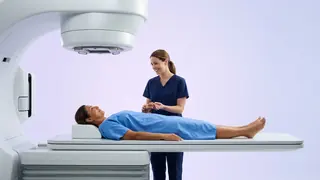
Radiation therapy is a cornerstone treatment used to destroy remaining breast cancer cells. During this therapy, high-energy beams target your chest area precisely. The overall risk of developing a secondary cancer from radiation is very low, but it does exist.
Certain rare complications can sometimes develop years after receiving radiation treatment. Patients and doctors monitor these specific areas carefully during routine follow-ups:
- Lung cancer risk increases, especially for people who smoke tobacco products.
- Soft tissue sarcoma can develop in connective tissues like blood vessels and bones.
- Blood cancers like leukemia and myelodysplastic syndrome affect the bone marrow.
This risk depends heavily on your radiation dose and how long your tissues were exposed. The total volume of bone marrow exposed also plays a role in blood cancer risks. Typically, secondary cancers related to radiation appear several years after treatment finishes.
The age at which you receive radiation therapy is an important factor. For example, patients who receive radiation at a younger age have a slightly higher chance of developing a secondary cancer many years later compared to older adults.
Chemotherapy Medicines
Some chemotherapy drugs used to treat cancer can slightly raise your risk of blood disorders. These include serious conditions like acute myeloid leukemia and myelodysplastic syndrome. Receiving higher drug doses and longer treatment courses increases this risk.
Medical teams carefully calculate your chemotherapy dosages to maximize cancer-fighting power while protecting your health. Specific medicine classes associated with these slight risks include alkylating agents, platinum-based drugs, and anthracycline topoisomerase II inhibitors.
Tamoxifen Medicine
Tamoxifen is a very important hormone therapy for hormone receptor-positive breast cancers. It prevents cancer recurrence and saves many lives every day. However, using tamoxifen can slightly increase the risk of developing uterine cancers.
These include endometrial cancer and uterine sarcoma. If you take tamoxifen, you must watch your body closely for warning signs. Report any unusual vaginal bleeding or spotting to your doctor right away.
Obesity and Body Weight
Body weight is not directly caused by cancer treatments, but it matters greatly. Research proves that carrying extra body weight and suffering from obesity increases secondary cancer risks. Maintaining a high body mass index creates inflammation that encourages tumor growth.
Excess weight opens the door for a second breast cancer or other obesity-related malignancies. Managing your weight is one of the most effective ways to protect your body.
Tests to Detect Secondary Cancers (Screenings)
After finishing your breast cancer treatment, attending your scheduled follow-up clinic visits is crucial. Your doctor wants to monitor your recovery and keep you safe. These regular appointments serve several vital purposes for your health.
- Checking your body for any signs that the original breast cancer has returned.
- Scanning for long-term side effects and late-term medical complications.
- Performing routine mammograms to spot new breast changes early.
- Conducting pap smears for uterine health and bone density tests for bone strength.
These follow-up visits give you a safe space to ask questions and share worries. If you notice any new changes or strange symptoms in your body, do not wait. Tell your doctor right away so you can get answers quickly.
Things You Can Do to Lower Your Risk
The best news is that the vast majority of breast cancer survivors never develop a secondary cancer. Because your risk is slightly higher than average, taking proactive steps makes good sense. You can take control of your health with simple daily habits.
- Early detection saves lives, so attend every scheduled follow-up clinic appointment without fail.
- Maintain a healthy body weight through a balanced diet and regular physical activity.
- Stay active every day by starting with simple walks and gentle stretching exercises.
- Eat a nutritious diet rich in fresh fruits, vegetables, and whole grains.
- Cut back on red meat, processed meats, sugary drinks, and heavily processed foods.
- Limit alcohol consumption to no more than one standard drink per day if you drink.
- Avoid smoking and tobacco products completely to protect your lungs and overall health.
When to Seek Emergency Medical Help
Contact your doctor right away or go to the nearest emergency room (call 911 in the US/Canada or 999 in the UK) if you experience any of these red flag symptoms:
- Sudden, unexplained shortness of breath or persistent chest pain.
- Unusual vaginal bleeding or spotting after menopause.
- New lumps, bumps, or persistent swelling anywhere on your body.
- Unexplained weight loss, extreme fatigue, or frequent fevers.
💡 Take-Home Message
Some treatments for breast cancer carry a small risk of causing a new, unrelated secondary cancer. Genetic factors, radiation therapy, chemotherapy, and obesity can influence this overall risk. Attending your scheduled doctor follow-ups helps catch any new health issues early. Maintaining a healthy weight, eating well, exercising, and avoiding smoking lowers your risks greatly. Stay calm, stay informed, and talk to your doctor whenever you notice any unusual symptoms.
Sources & References:
- American Cancer Society (ACS). Second Cancers After Breast Cancer. Available from: cancer.org.
- National Cancer Institute (NCI). Second Cancers Resulting from Cancer Treatment. Available from: cancer.gov.
- Mayo Clinic. Breast Cancer Survivorship: Managing Long-Term Risks. Available from: mayoclinic.org.
- National Health Service (NHS UK). Follow-up Care After Breast Cancer Treatment. Available from: nhs.uk.
- Centers for Disease Control and Prevention (CDC). Living Well After Cancer. Available from: cdc.gov.




No comments yet. Be the first to share your question or experience below.