
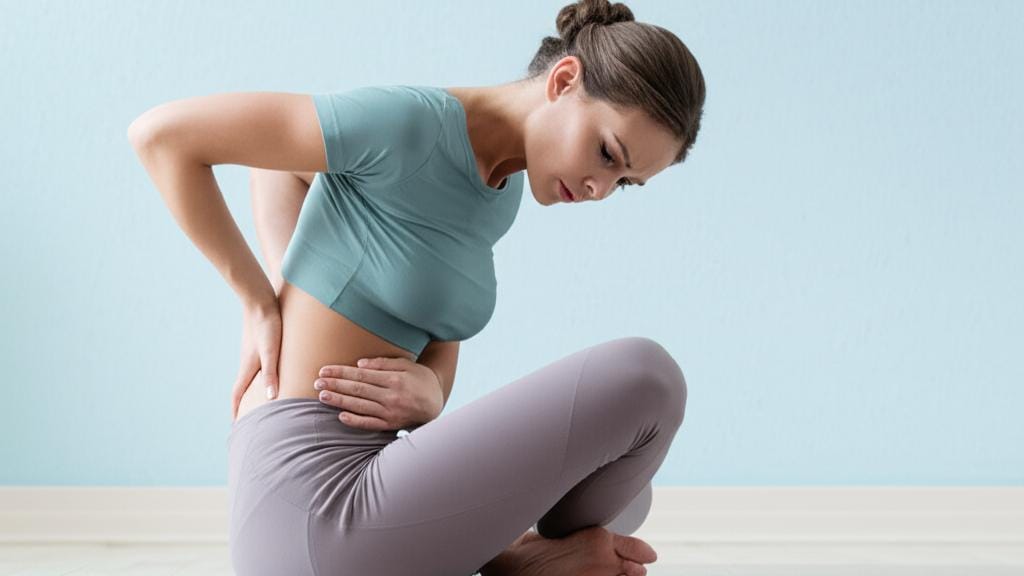
Have you ever woken up with a stiff lower back? Maybe your back feels locked up after sitting at your desk for hours. Or perhaps you felt a sharp pull while lifting a heavy box. If you experience this, you are not alone. Millions of people around the world deal with this exact issue every single day.
Some people ignore the pain and try to push through their daily tasks. Others struggle silently while trying to find a comfortable position. Today, we are going to talk about why your lower back aches. We will also explore the simplest, most effective ways to find relief and feel like yourself again.
Key Takeaways for Lower Back Pain
- Acute lower back pain is very common and usually gets better on its own within a few weeks.
- Recent clinical research shows that muscle relaxants and NSAIDs provide strong short-term relief.
- Taking paracetamol alone often does not provide enough relief for acute lower back pain.
- Always talk to your doctor before taking any new medicine to protect your stomach and kidneys.
- Simple home care like proper rest, gentle heat, and good posture are your best first steps.
BMI Calculator
Know your body mass index (BMI) and weight classification
Why Is Lower Back Pain So Common?
Simply put, sudden pain in your lower back is known as acute lower back pain. This condition is one of the leading reasons people miss work or struggle with daily activities around the world. Think about how many hours you spend sitting at an office desk. Think about how easy it is to lift a heavy laundry basket using the wrong posture. Any of these everyday actions can put sudden stress on your back muscles and spinal joints.
Your spine supports nearly your entire upper body weight. When you twist awkwardly or sit for too long, the soft tissues around your spine can become irritated and inflamed. This leads to that familiar feeling of tightness, spasms, and sharp discomfort. For most people, this pain improves greatly within a few weeks. However, those few weeks can feel extremely long and frustrating.
In the past, doctors often prescribed strong opioid painkillers for this kind of pain. Today, medical professionals know much more about the risks of addiction and side effects linked to those powerful drugs. Because of these risks, researchers constantly look for safer, more practical options to help you recover quickly without unnecessary harm.
What Does the Newest Research Say?
Recently, a dedicated team of researchers in Germany completed a major study on this topic. They gathered and analyzed data from 18 different clinical trials. These trials included more than 3,000 patients suffering from acute lower back pain. The majority of these participants were adults between 40 and 45 years old.
The main discovery from this complete study is very interesting. The researchers found that two simple types of medicine are remarkably successful at reducing lower back pain. Let us look at both of them closely so you understand how they work.
First, muscle relaxants help calm down tight, spasming back muscles. When your back muscles lock up, they pull your spine into painful positions. Muscle relaxants interrupt these painful spasms and let your muscles rest and lengthen.
Second, nonsteroidal anti-inflammatory drugs, commonly known as NSAIDs, target both pain and swelling. Drugs like ibuprofen reduce the swelling around irritated spinal nerves. This dual action makes everyday movement much easier while your back heals.
To help you see how these treatments compare, look at the medicine comparison table below.
| Medicine Type | Effect on Lower Back Pain (According to Study) |
|---|---|
| Muscle Relaxants | Greatly reduces pain and discomfort when used for about a week. |
| NSAIDs (e.g., Ibuprofen, Diclofenac) | Greatly reduces pain and inflammation when used for about a week. |
| Paracetamol Alone | Shows no significant clinical benefit for lower back pain relief. |
| NSAIDs Combined with Paracetamol | Shows slightly improved recovery compared to using NSAIDs alone. |
Essential Steps Before Taking Medicine
One of the most important lessons from this research is that you should try other options before rushing to take pills. Because acute lower back pain often heals on its own, starting with drug-free care is always a smart choice. These natural methods protect your body from unnecessary chemical exposure while still easing your discomfort.
What Are Non-Drug Treatments?
Before you open your medicine cabinet, try incorporating these proven self-care strategies into your daily routine:
- Proper Rest: Resting does not mean staying trapped in bed for days. Take short rests of 24 to 48 hours if the pain is severe, then return to light everyday activities as soon as you can.
- Hot and Cold Therapy: Apply a warm water bottle or a heating pad to the sore area to relax tight muscles. Some people also find quick relief by applying an ice pack wrapped in a towel for 15 minutes.
- Mindful Posture: Keep your spine straight when sitting in a chair. Always bend your knees when picking objects up from the floor. These small habits remove immense pressure from your lower back.
- Gentle Movement: Once the sharpest pain starts to fade, engage in light stretching. Follow advice from your doctor or a licensed physical therapist to build core strength safely.
Should I Just Go to the Pharmacy? - No! Here Is Why
After reading about these helpful medicines, you might think about running to your local pharmacy to buy ibuprofen right now. However, you must pause and think carefully before doing that. Medical guidelines and doctors strongly warn against treating yourself without professional advice.
Important Medical Advice:
The core message from healthcare experts is that anyone having lower back pain should talk openly with their doctor to find the safest, most effective treatment plan for their unique body.
Why is professional guidance so crucial? Your doctor needs to evaluate your complete medical history before recommending any drug.
- Do you have stomach ulcers or gastritis? NSAIDs can irritate your stomach lining and worsen digestive issues.
- Do you have kidney disease? Long-term or improper use of anti-inflammatory drugs can damage your kidney function.
- Do you have high blood pressure? Certain pain relievers can raise your blood pressure and interfere with heart medicines.
- Are you taking other prescription drugs? Mixing medicines can cause dangerous drug interactions or unpleasant side effects.
Because every person's body is different, only a qualified doctor can prescribe the exact medicine, correct dosage, and safe duration for your recovery. Never diagnose your back pain alone or copy a friend's prescription. Always schedule an appointment with your doctor to ensure safe healing.
When to Seek Emergency Medical Care
Most lower back pain is not dangerous, but certain warning signs require immediate medical attention. Call 911 (US/Canada), 999 (UK), or go to your nearest Emergency Department right away if your back pain is accompanied by any of the following red flags:
- Loss of bowel or bladder control (incontinence).
- Numbness, tingling, or weakness in both legs or the groin area ("saddle anesthesia").
- Back pain following a severe accident, high fall, or direct trauma.
- Unexplained fever, chills, or sudden unexplained weight loss along with back pain.
- Pain that wakes you up at night or does not improve with any resting position.
💡 Take-Home Message
Lower back pain is a very common challenge, but understanding how to manage it makes a huge difference. Here are the core points to remember from our guide:
- Sudden acute lower back pain happens often and usually heals on its own over time.
- Muscle relaxants and NSAIDs provide proven short-term relief for back pain and muscle tightness.
- Paracetamol alone does not offer significant relief for acute back discomfort.
- Always consult your doctor before taking any pain medicine to ensure it is safe for your health history.
- Practice non-drug care like proper rest, gentle heat, good posture, and stretching before turning to pills.
Lower Back Care: Do's and Don'ts
| Do's | Don'ts |
|---|---|
| Stay as active as possible with light walking and gentle daily movement. | Do not stay confined to bed for multiple days, as this can weaken muscles. |
| Use ergonomic support and lift objects using your knees instead of your back. | Do not slouch or bend over forward from your waist when lifting heavy loads. |
| Talk to your doctor before starting any new over-the-counter medicine. | Do not take high doses of painkillers or mix drugs without professional advice. |






No comments yet. Be the first to share your question or experience below.