
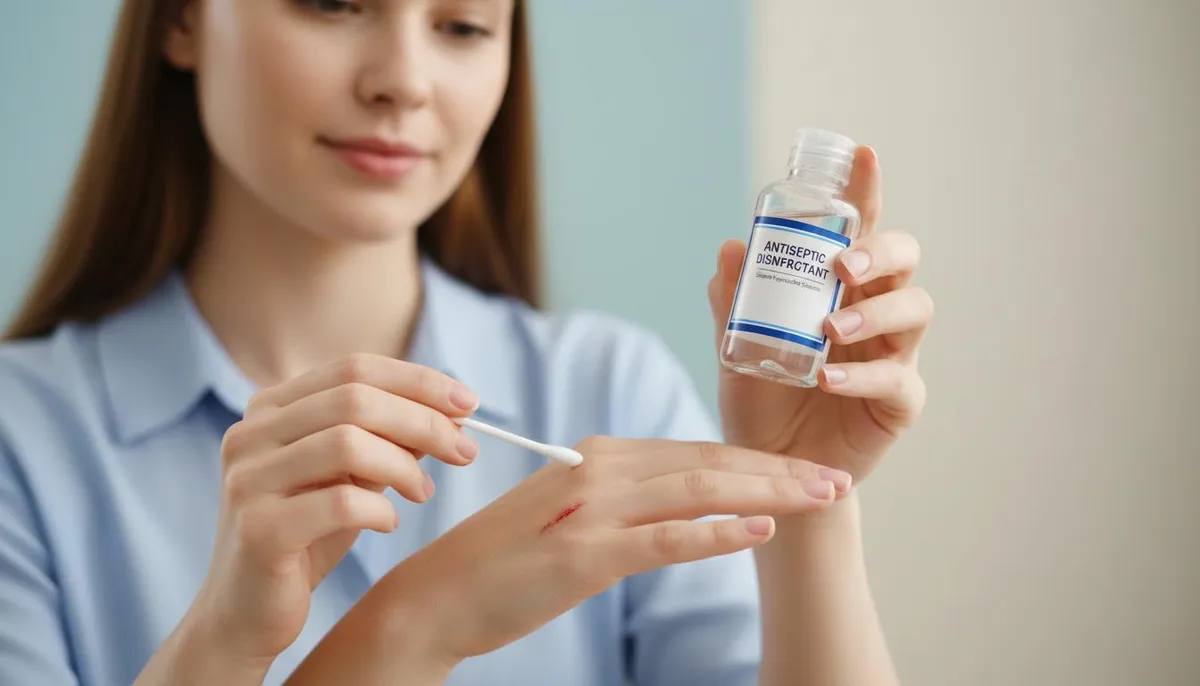
Dealing with a minor cut or scrape can feel stressful when you want to make sure it heals cleanly without turning into a bigger issue. Sometimes, your doctor might prescribe a specialized liquid wash to keep the skin area clean and free from harmful germs. Today, we are going to look closely at one such helpful liquid wash known as sodium hypochlorite topical solution.
This complete guide will walk you through everything you need to know about this medicine. You will learn what it does, how to use it safely on your skin, and when you should call your doctor for help. Let us dive right in and break down all the important details in simple, everyday language.
Key Takeaways at a Glance
- External Use Only: Sodium hypochlorite solution is strictly meant for external use on your skin and must never be swallowed or taken internally.
- Germ Protection: It works as an antiseptic wash to destroy harmful microbes and bacteria that can cause wound infections.
- Share Your Medical History: Always tell your doctor if you have allergies, are pregnant, or are breastfeeding before starting this medicine.
- Watch for Side Effects: Monitor your skin closely for severe redness, burning pain, or allergic reactions like rashes and swelling.
- Safe Storage: Keep the bottle securely stored at normal room temperature completely out of reach of young children.
eGFR calculator using the CKD-EPI 2021 equation. Estimate kidney function from creatinine and identify CKD stage.
What Is Sodium Hypochlorite Solution?
Put simply, sodium hypochlorite topical solution is a powerful antiseptic. An antiseptic is a special medicine designed to destroy germs and microscopic organisms living on the surface of your skin. These tiny germs can easily enter through open cuts and create painful infections if left unchecked.
You may have seen doctors or nurses use a special cleaning liquid right before a surgical operation in a clinic. In a similar way, doctors often recommend sodium hypochlorite solutions for cleaning minor cuts, scrapes, and certain specific skin infection conditions right at home. It acts as a reliable shield against bacterial growth.
When you go to pick up your prescription at the pharmacy, you might find this medicine under different brand names. Common trade names include Dakin's Solution or Di-Dak-Sol. Even though the brand names on the bottle may vary, the active medicine and how it works remain exactly the same.
Things You Must Tell Your Doctor Before Using This Medicine
Before your doctor writes a prescription for sodium hypochlorite solution, they will ask you a few questions about your health. However, you must proactively share certain important details to ensure your treatment is as safe and effective as possible.
First, talk openly about any allergies you might have. If you have ever had an allergic reaction to sodium hypochlorite, other antiseptics, foods, fabrics, or chemical preservatives, tell your doctor right away. This prevents dangerous immune reactions from taking you by surprise.
Next, let your doctor know if you are pregnant or planning to become pregnant in the near future. Similarly, if you are a breastfeeding mother nursing a baby, you must share this information with your doctor before applying any medicated washes to your skin.
Sharing these personal health details helps your doctor evaluate whether this specific antiseptic wash is the right choice for you. If needed, they can easily recommend an alternative treatment that fits your unique medical situation.
How to Use This Medicine Correctly
Using your medicine correctly is the best way to make sure your wound heals up quickly and safely. Always follow the exact instructions given to you by your doctor or pharmacist.
Apply the solution exactly as your doctor instructed and continue using it for the full duration of your prescription. Even if your wound looks much better after a few days, do not stop early on your own. Stopping treatment too soon can allow surviving bacteria to multiply and cause the infection to return.
Using This Medicine on Young Children
If you need to apply this topical solution to a wound on your young child, you should talk to a pediatrician or family doctor first. Children have more sensitive skin, and certain strengths may be too harsh for their developing bodies.
While doctors do prescribe antiseptic washes for kids in specific situations, you must follow their specialized guidelines closely. Never guess the dilution or application frequency without professional medical approval.
What to Do If You Use Too Much
If you accidentally swallow this medicine or realize you applied way too much over a large area, you must act quickly. Go to the nearest Emergency Department (ER) right away or call emergency services like 911 (US/Canada) or 999 (UK).
If you are located in Sri Lanka, you can also contact the National Poisons Information Centre at the Colombo National Hospital for immediate clinical advice. Always bring the medicine bottle with you so medical staff can see exactly what was ingested.
What to Do If You Miss a Dose
If you forget to apply your wound wash at the scheduled time, do not panic. Apply it as soon as you remember later that day.
However, if it is almost time for your next scheduled application, skip the missed dose completely. Just stick to your normal routine moving forward. Never take or apply a double dose to make up for a missed one.
Other Important Things to Watch For
While treating your skin injury, keep a close eye on how your body responds and how the wound changes day by day.
- Check Healing Progress: If your wound does not show signs of improvement after a few days, or if it starts looking worse, take note. Redness, spreading swelling, or worsening pain mean you need medical attention.
- Protect Your Eyes: This liquid wash is extremely harsh on your eyes. Be very careful during application. If any liquid accidentally splashes into your eye, flush your eye right away with plenty of clean water and seek medical help.
- Use Only for Your Condition: Only use this medicine for the exact health issue your doctor prescribed it for. Do not share your bottle with family members or friends who have similar-looking cuts.
| Correct Practices (Do's) | Unsafe Practices (Don'ts) |
|---|---|
| Always use the solution strictly on the outer surface of your skin as directed. | Never swallow the liquid or introduce it into your internal body cavities. |
| Complete the full course of treatment prescribed by your doctor. | Do not stop early just because the outer skin scab looks partially healed. |
| Store the tightly closed bottle safely away from children in a cool, dry place. | Do not share your prescription antiseptic bottle with friends or family members. |
Possible Side Effects of Sodium Hypochlorite Solution
Like all medicines, sodium hypochlorite topical solution can cause unwanted side effects in some people. Fortunately, not everyone experiences them. Review the common categories below so you know what symptoms require immediate medical evaluation.
| Side Effect Category | Expected Signs & Symptoms |
|---|---|
| Severe Allergic Reactions (Call Doctor Right away) |
|
| Local Skin Reactions at Application Site |
|
If you experience any unusual symptoms that are not listed in this guide, do not hesitate to reach out to your doctor or local pharmacist for professional advice.
When to Call the Doctor or Emergency Services
Seek emergency medical help right away by calling 911 (US/Canada), 999 (UK), or visiting your nearest hospital Emergency Department if you swallow this solution, experience severe breathing difficulties, or develop facial swelling. Contact your regular doctor promptly if your wound shows signs of spreading infection, increased pus, or severe worsening pain.
How to Store Your Medicine Properly
Keeping your medicine stored correctly ensures it remains safe and effective throughout its usable lifespan.
- Keep Away From Children: Store your bottle securely in a high or locked cabinet where small children cannot reach it or play with it.
- Room Temperature Storage: Keep the bottle at normal room temperature, ideally between 15°C and 30°C (59°F to 86°F). Avoid exposing it to extreme summer heat or freezing cold.
- Check Expiration Dates: Always look at the expiration date printed on your medicine label. Never use expired antiseptic solutions; dispose of them safely through a local pharmacy take-back program.
This article provides general health information for educational purposes. If you have specific questions regarding your personal health plan, speak with your doctor.





No comments yet. Be the first to share your question or experience below.