

Is your child getting ready to join a school sports team, a community club, or an active summer camp? Before they jump into the game, getting a sports physical is one of the most important steps you can take as a parent. This special health check makes sure your child is safe, healthy, and ready to play without hidden risks. Let us walk through everything you need to know about sports physicals, step by step.
Getting your child checked by a doctor before they start playing sports gives you peace of mind. It helps spot any hidden health issues that could flare up during heavy running or contact sports. By planning ahead, you protect your child and help them have a fun, safe sports season.
- A sports physical is a special medical check before playing sports.
- It focuses on your child's medical history and current physical health.
- Doctors look for hidden heart issues, bone problems, or breathing concerns.
- It is best to schedule the exam six to eight weeks before the sports season starts.
- Always share complete health facts with your doctor to keep your child safe.
What Is a Sports Physical?
Simply put, a sports physical is a medical checkup before a child starts a new sport or physical activity. Doctors often call this a pre-participation physical evaluation, or PPE for short. During this visit, a doctor checks your child from head to toe. The doctor will also ask you and your child about past illnesses and family health history.
The main goal of this checkup is to find out if your child has a higher chance of getting hurt, sick, or facing other health problems while playing sports.
Sports physicals are designed to help your child play as safely as possible. These checks give parents, doctors, and coaches important details about a young player's health. With these facts, everyone can work together to prevent injuries. Remember, these exams are meant to encourage safe sports play, never to keep kids out of sports for no good reason.
How Common Are Sports Physicals?
Sports physicals are very common today, especially for school-aged kids and teens. In many countries, more than half of all kids between ages six and seventeen join a sports team or club. Because of this, most schools, sports camps, and leagues require a sports physical certificate before letting kids play.
In many places, your child cannot join a team or step onto the field without this completed health form. It protects the child, the team, and the school by making sure every player is medically ready for the physical demands of the sport.
What Happens During a Sports Physical?
Let us look at what actually happens during a sports physical. The doctor usually starts by reviewing your child's medical history. After that, the doctor performs a complete physical examination.
Your Child and Family Medical History.
The doctor will ask you and your child about any family illnesses or health conditions that run in the family. The doctor may also ask questions about these specific areas:
- Do you use alcohol, tobacco, or other drugs? Even though teens might feel shy, doctors ask this to keep them safe, so please answer honestly.
- Do you have allergies, asthma, or trouble breathing? The doctor needs to know if these are current or past issues.
- What is your current fitness level? The doctor wants to know how active your child is and how much they play each day.
- Have you ever felt dizzy, passed out, or suffered from heat illness during exercise?
- What are your eating habits, and have you recently gained or lost weight suddenly?
- When was your last tetanus shot or COVID-19 vaccine? Keeping immunizations up to date is vital.
- What medicines do you take right now? Include prescription drugs, vitamins, and painkillers bought at the store.
- For girls, the doctor may ask about your monthly period, or if you have any pain or problems in your urinary system.
- Are you dealing with mood changes, stress, or mental health issues like depression?
- Have you had any past surgeries or serious injuries like broken bones or head bumps?
The Physical Exam: What the Doctor Checks.
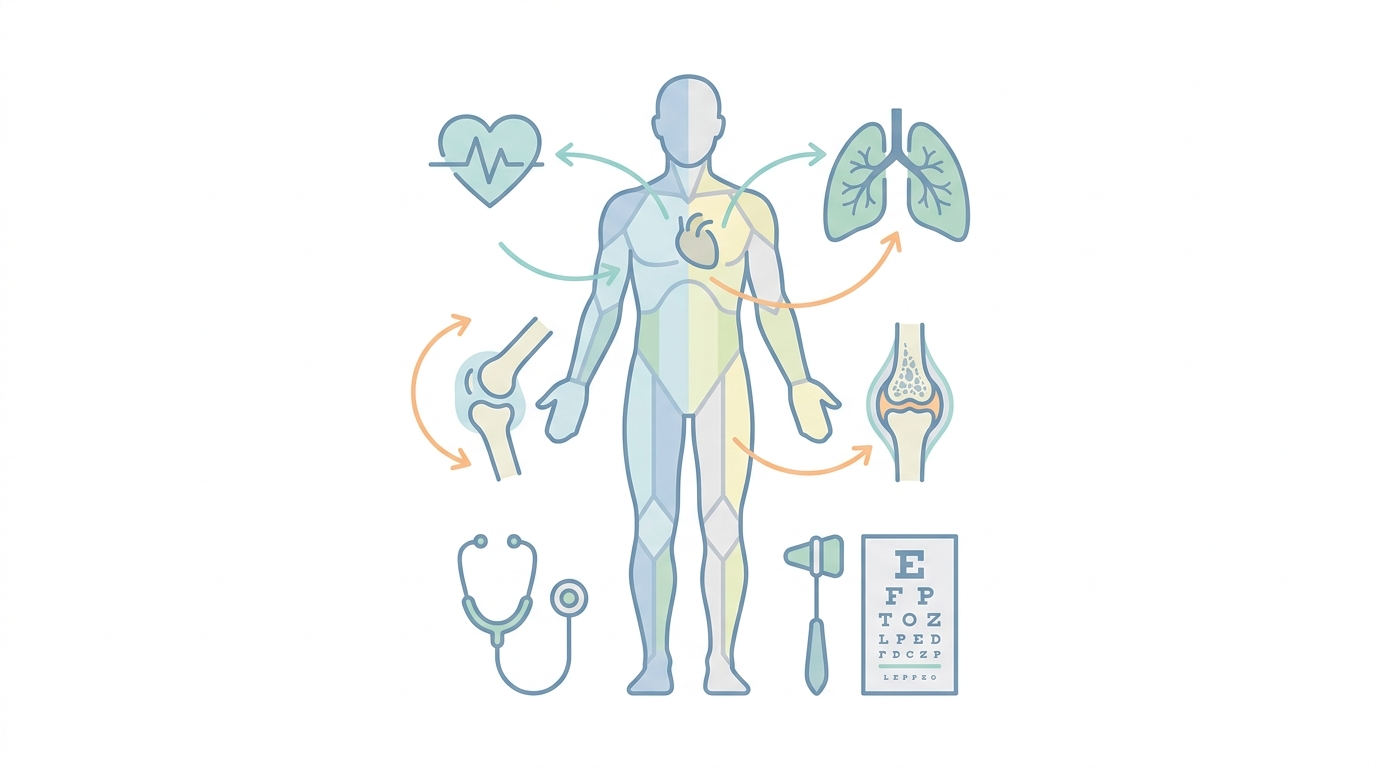
Once the medical history is done, the doctor examines your child's body. During this part, the doctor checks several key things:
- The doctor checks your nervous system by testing your reflexes, often by tapping your knee with a small rubber hammer.
- Your child's eyesight and hearing are tested to make sure they can see and hear well on the field.
- Bones and muscles are checked carefully. The doctor looks at your joint movement, body balance, and bone alignment.
- The doctor checks the spine for signs of scoliosis, a condition where the spine curves to the side.
- The belly area is gently pressed to check for any unusual signs inside.
- The doctor looks inside the nose and throat.
- A stethoscope is used to listen closely to the heart beat and lung breathing sounds.
- The doctor measures your child's exact height and weight.
- Vital signs like blood pressure and heart rate are checked to make sure they are normal.
What Happens After the Exam? Can Your Child Play?
After the exam ends, the doctor will tell you if it is safe for your child to play sports. If everything looks good, the doctor gives your child a medical clearance. This means there are no health reasons stopping your child from playing.
Sometimes, the doctor adds a condition or recommendation. For example, if your child wears glasses, the doctor might state they must wear strong sports goggles. If your child has asthma, the doctor will remind them to keep their rescue inhaler nearby during every game.
At the end of your visit, the doctor fills out and signs the sports physical form. This paper notes your child's health status and any safety needs. You must then hand this signed form to your school nurse, coach, or sports trainer. They keep it safe so they know how to help if your child gets hurt.
Where Can You Get a Sports Physical?
You can get a sports physical at several different places depending on what works best for your family:
- Your child's pediatrician who already knows their medical history.
- Your family doctor or general practitioner.
- Local urgent care clinics for fast visits.
- Some major pharmacies now offer quick sports physical services.
- Schools sometimes host special health clinics right on campus where a doctor performs checks for students.
When Is the Best Time to Get a Sports Physical?
Timing is very important here. Doctors suggest getting this checkup six to eight weeks before the sports season starts. Why? Because if the doctor finds a minor health issue, you will have plenty of time to get treatment or see a specialist before the first game.
Most sports require a new physical every year if your child keeps playing. If your child had a bad sports injury recently, they might need extra checkups before returning to the game.
| Type of Check. | What It Focuses On. | When It Is Done. |
|---|---|---|
| Sports Physical. | Fitness for a specific sport and injury risk. | 6 to 8 weeks before sports season. |
| Annual Well-Check. | Overall health, growth, and vaccinations. | Once every year. |
Sports Physical vs. Annual Well-Check: What Is the Difference?
Many parents confuse these two exams. A sports physical focuses only on whether your child is healthy enough to play a specific sport safely. It looks closely at bones, joints, heart health, and injury risks related to physical activity.
On the other hand, a regular annual well-check looks at your child's overall health and growth over time. While a yearly checkup might cover some sports needs, a sports physical dives much deeper into physical readiness for games and heavy exercise.
What Are the Possible Outcomes of a Sports Physical?
When the checkup ends, the doctor will give you one of these results:
- Cleared for all sports: Your child can play any sport without limits.
- Cleared for specific sports only: Your child can play certain sports that match their health needs.
- Cleared with restrictions: Your child can play if they wear safety gear, carry an inhaler, or follow certain rules.
- Pending further treatment: Your child can play after finishing physical therapy or medical treatment for an injury.
- Not cleared to play: This is very rare. A doctor only gives this result if playing sports puts the child's life or health in severe danger.
Seek immediate emergency care if your child experiences severe chest pain, trouble breathing, sudden fainting, or a severe head injury while playing sports. Go to the nearest Emergency Department (ER or A&E) right away.
What Happens If the Doctor Finds a Problem?
If the doctor spots a health issue during the sports physical, do not panic. The doctor will explain the issue and send you to a specialist if needed. Children with these conditions will need a follow-up visit and proper care:
- Bleeding disorders like hemophilia.
- Heart and blood vessel diseases.
- Genetic conditions like Marfan syndrome.
- A history of severe concussions or head injuries.
- Long-term bone or muscle problems.
- Uncontrolled asthma or lung issues.
- Nervous system conditions like epilepsy or pediatric multiple sclerosis.
The Most Important Takeaway.
A sports physical gives your doctor vital information to protect your child from harm on the field. It helps spot risks early so your child can play safely and happily.
Always remember that sharing honest, complete family health facts with your doctor is the best way to keep your child safe during sports.
Book your sports physical well before the sports season begins. That way, you have plenty of time to handle any extra tests or treatments. We all want to see your child run, play, and stay healthy!
Getting a clear understanding of sports physicals helps protect your child's future health. Never ignore unusual symptoms or mild inflammation. A quick check by an experienced doctor helps you make the right choice for your young athlete.


💬 Comments (0)
No comments yet. Be the first to share your thoughts here.
Add Your Comment