Stem Cell Therapy: The Next Miracle in Medicine?

Stem Cell Therapy: The Next Miracle in Medicine?

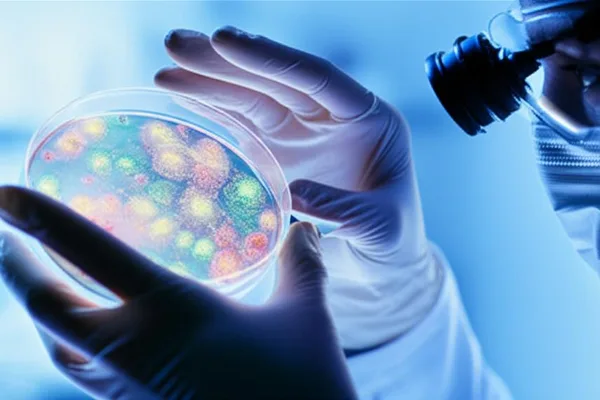
You must be hearing the word ' Stem Cell ' all the time now, right? Some say that this is the latest miracle cure for many diseases. Sometimes it is talked about in newspapers and on TV. So what exactly is this stem cell treatment? Are these being used on people now? Let's talk about this simply and clearly.

Simply put, what is a stem cell?

Think of stem cells as the 'master' cells in our bodies. Like the boss who is in charge of the work before the task is assigned. These cells have the amazing ability to become any type of cell in the body (for example, heart muscle cells, brain nerve cells , skin cells , liver cells). Because of this ability, scientists believe they can be used to repair damaged tissue or to make new cells to replace cells destroyed by disease.

There are currently many large-scale clinical trials taking place around the world on this topic. But the most important thing to remember is that most of this research is still in the early stages . That is, before we can see how effective the treatment is, we must first determine whether it is safe to give to people . Because in medicine, safety always comes first.

What are the main areas of stem cell research?

Currently, there is a lot of focus on stem cell research for 11 major diseases and conditions. Let's take a look at each of them in detail.

Condition Current Status of Research
1. Heart Disease In the initial stage, attempts are made to repair damaged heart tissue and form new blood vessels.
2. Eye Diseases Some conditions (corneal disease) have successful outcomes. Others are at the research stage.
3. Diabetes Research is underway to regenerate insulin-producing cells (beta cells). In the early stages.
4. Stroke Research is being conducted into using nerve cells to repair brain damage.
5. Spinal Cord Injury Research is underway to treat those who are paralyzed. There is no proven success yet.
6. Parkinson's Disease There are a few very small-scale studies underway. It's too early to tell the results.
7. Alzheimer's Disease Research using humans has not yet begun. Research has been done using mice.
8. ALS disease (ALS) Basic research is being conducted to ensure safety.
9. Multiple Sclerosis Stem cell transplantation is being researched to rebuild the immune system.
10. Cancer It is used as a standard treatment for some types of blood cancer (leukemia). It is in research phase for brain cancer.
11. Cartilage Repair Research is being conducted to regenerate cartilage in joints. Results are mixed.

1. Heart Disease

The two main goals are to repair heart tissue damaged by a heart attack and to grow new blood vessels . In some studies, stem cells taken from the patient's own bone marrow have been shown to heal heart damage . In some people, heart function has also improved somewhat. But it's important to remember that this is still preliminary research .

2. Eye Diseases

A UK study has shown that transplanting a special type of stem cell taken from the outer edge of the cornea (limbal stem cells) can restore vision to people who have been blinded by diseases of the retina. Similarly, research using stem cells taken from human embryos (embryonic stem cells) for conditions such as macular degeneration has also shown initial success.

3. Diabetes (Type 1 Diabetes)

In type 1 diabetes, the body's immune system destroys the insulin- producing beta cells in the pancreas. So if these beta cells can be regenerated using stem cells, it could free people from having to take daily insulin injections. In a related study, 15 young diabetics were able to go insulin-free for about 1.5 years using the patients' own stem cells. But since this is a very small study , no big conclusions can be drawn.

4. Stroke

Paralysis is the death of brain cells due to a lack of blood flow to the brain . So, it is being investigated whether stem cells can be used to repair this damaged brain tissue. In a study conducted in Scotland, fetal neural stem cells (`fetal neural stem cells`) were injected into the brains of paralyzed patients. The main focus here was on safety . In that respect, the treatment has been shown to be safe. However, it is not yet possible to say to what extent the symptoms have improved.

Remember, many of these treatments are still in the research stage. Their safety and effectiveness have not been 100% proven.

5. Spinal Cord Injury

There is great interest in treating people with spinal cord injuries that have left them paralyzed with stem cells. Although research into reintroducing stem cells taken from the patients' own blood has shown some progress, there has not yet been a permanent, long-term success .

6. Parkinson's & Alzheimer's Disease

There are some very small-scale studies underway for Parkinson's disease, but it's too early to talk about the results. As for Alzheimer's disease, human trials haven't even begun yet.

7. Multiple Sclerosis (MS)

This is also a disease caused by a malfunction in the immune system. What is done here is to completely suppress the patient's immune system with drugs, and then to reintroduce stem cells taken from the patient's own bone marrow into the body, creating a 'new' healthy immune system. Although this has shown some success, completely suppressing the immune system is very risky , so a lot of thought needs to be given before giving this treatment.

8. Cancer

One area where stem cell therapy is already being successfully used as a standard treatment in medicine is blood cancers such as leukemia. The 'bone marrow transplant' that we have all heard of is actually a stem cell transplant.

In addition, stem cells are being used to treat a serious type of brain cancer called `Glioblastoma`. Here, genetically modified stem cells are used to go to cancer cells and activate an anti-cancer drug. This is also still in the research stage.

9. Cartilage Repair

Stem cells are being tested to see if they can be used to repair worn-out cartilage in joints like the knee and ankle. Stem cells taken from the patient's own bone marrow are mixed with a gel and then transplanted into the damaged area. But the results have been mixed. Sometimes the new cartilage that forms is not as strong as it should be, which has been a problem.

Take-Home Message

  • Stem cells are a medical field that has great potential, but is still developing. It has the potential to be a miracle, but it is not there yet.
  • Most of the current clinical trials are in the early stages, focusing on the safety of the treatment, not its effectiveness.
  • Stem cell treatments are already being used successfully for some diseases (e.g., blood cancers such as leukemia, and some eye diseases).
  • But for diseases that many people talk about, like heart disease, diabetes, and Parkinson's, these are still in the research stage .
  • Never be fooled by unproven, unlicensed stem cell treatments. Talk to your doctor about anything and make informed decisions.

Stem Cell, Stem Cell, Clinical Trials, Heart Disease, Diabetes, Cancer, Stroke, Parkinson's, Alzheimer's, Medical Research

⚠️ Important: The medical articles and information on Nirogi Lanka are for general awareness only, and are by no means a substitute for professional medical advice, diagnosis, or treatment. For any medical problem you have, consult a qualified physician immediately.

💬 Comments (0)

No comments yet. Be the first to share your thoughts here.

Add Your Comment

Please calculate: 1 + 1 =
Stem Cell Therapy: The Next Miracle in Medicine?
Health NewsSeptember 19, 2025

Stem Cell Therapy: The Next Miracle in Medicine?

You must be hearing the word ' Stem Cell ' all the time now, right? Some say that this is the latest miracle cure for many diseases. Sometimes it is talked about in newspapers and on TV. So what exactly is this stem cell treatment? Are these being used on people now? Let's talk about this simply and clearly.

Simply put, what is a stem cell?

Think of stem cells as the 'master' cells in our bodies. Like the boss who is in charge of the work before the task is assigned. These cells have the amazing ability to become any type of cell in the body (for example, heart muscle cells, brain nerve cells , skin cells , liver cells). Because of this ability, scientists believe they can be used to repair damaged tissue or to make new cells to replace cells destroyed by disease.

There are currently many large-scale clinical trials taking place around the world on this topic. But the most important thing to remember is that most of this research is still in the early stages . That is, before we can see how effective the treatment is, we must first determine whether it is safe to give to people . Because in medicine, safety always comes first.

What are the main areas of stem cell research?

Currently, there is a lot of focus on stem cell research for 11 major diseases and conditions. Let's take a look at each of them in detail.

Condition Current Status of Research
1. Heart Disease In the initial stage, attempts are made to repair damaged heart tissue and form new blood vessels.
2. Eye Diseases Some conditions (corneal disease) have successful outcomes. Others are at the research stage.
3. Diabetes Research is underway to regenerate insulin-producing cells (beta cells). In the early stages.
4. Stroke Research is being conducted into using nerve cells to repair brain damage.
5. Spinal Cord Injury Research is underway to treat those who are paralyzed. There is no proven success yet.
6. Parkinson's Disease There are a few very small-scale studies underway. It's too early to tell the results.
7. Alzheimer's Disease Research using humans has not yet begun. Research has been done using mice.
8. ALS disease (ALS) Basic research is being conducted to ensure safety.
9. Multiple Sclerosis Stem cell transplantation is being researched to rebuild the immune system.
10. Cancer It is used as a standard treatment for some types of blood cancer (leukemia). It is in research phase for brain cancer.
11. Cartilage Repair Research is being conducted to regenerate cartilage in joints. Results are mixed.

1. Heart Disease

The two main goals are to repair heart tissue damaged by a heart attack and to grow new blood vessels . In some studies, stem cells taken from the patient's own bone marrow have been shown to heal heart damage . In some people, heart function has also improved somewhat. But it's important to remember that this is still preliminary research .

2. Eye Diseases

A UK study has shown that transplanting a special type of stem cell taken from the outer edge of the cornea (limbal stem cells) can restore vision to people who have been blinded by diseases of the retina. Similarly, research using stem cells taken from human embryos (embryonic stem cells) for conditions such as macular degeneration has also shown initial success.

3. Diabetes (Type 1 Diabetes)

In type 1 diabetes, the body's immune system destroys the insulin- producing beta cells in the pancreas. So if these beta cells can be regenerated using stem cells, it could free people from having to take daily insulin injections. In a related study, 15 young diabetics were able to go insulin-free for about 1.5 years using the patients' own stem cells. But since this is a very small study , no big conclusions can be drawn.

4. Stroke

Paralysis is the death of brain cells due to a lack of blood flow to the brain . So, it is being investigated whether stem cells can be used to repair this damaged brain tissue. In a study conducted in Scotland, fetal neural stem cells (`fetal neural stem cells`) were injected into the brains of paralyzed patients. The main focus here was on safety . In that respect, the treatment has been shown to be safe. However, it is not yet possible to say to what extent the symptoms have improved.

Remember, many of these treatments are still in the research stage. Their safety and effectiveness have not been 100% proven.

5. Spinal Cord Injury

There is great interest in treating people with spinal cord injuries that have left them paralyzed with stem cells. Although research into reintroducing stem cells taken from the patients' own blood has shown some progress, there has not yet been a permanent, long-term success .

6. Parkinson's & Alzheimer's Disease

There are some very small-scale studies underway for Parkinson's disease, but it's too early to talk about the results. As for Alzheimer's disease, human trials haven't even begun yet.

7. Multiple Sclerosis (MS)

This is also a disease caused by a malfunction in the immune system. What is done here is to completely suppress the patient's immune system with drugs, and then to reintroduce stem cells taken from the patient's own bone marrow into the body, creating a 'new' healthy immune system. Although this has shown some success, completely suppressing the immune system is very risky , so a lot of thought needs to be given before giving this treatment.

8. Cancer

One area where stem cell therapy is already being successfully used as a standard treatment in medicine is blood cancers such as leukemia. The 'bone marrow transplant' that we have all heard of is actually a stem cell transplant.

In addition, stem cells are being used to treat a serious type of brain cancer called `Glioblastoma`. Here, genetically modified stem cells are used to go to cancer cells and activate an anti-cancer drug. This is also still in the research stage.

9. Cartilage Repair

Stem cells are being tested to see if they can be used to repair worn-out cartilage in joints like the knee and ankle. Stem cells taken from the patient's own bone marrow are mixed with a gel and then transplanted into the damaged area. But the results have been mixed. Sometimes the new cartilage that forms is not as strong as it should be, which has been a problem.

Take-Home Message

  • Stem cells are a medical field that has great potential, but is still developing. It has the potential to be a miracle, but it is not there yet.
  • Most of the current clinical trials are in the early stages, focusing on the safety of the treatment, not its effectiveness.
  • Stem cell treatments are already being used successfully for some diseases (e.g., blood cancers such as leukemia, and some eye diseases).
  • But for diseases that many people talk about, like heart disease, diabetes, and Parkinson's, these are still in the research stage .
  • Never be fooled by unproven, unlicensed stem cell treatments. Talk to your doctor about anything and make informed decisions.

Stem Cell, Stem Cell, Clinical Trials, Heart Disease, Diabetes, Cancer, Stroke, Parkinson's, Alzheimer's, Medical Research

⚠️ Important: The medical articles and information on Nirogi Lanka are for general awareness only, and are by no means a substitute for professional medical advice, diagnosis, or treatment. For any medical problem you have, consult a qualified physician immediately.

💬 Comments (0)

No comments yet. Be the first to share your thoughts here.

Add Your Comment

Please calculate: 1 + 1 =