
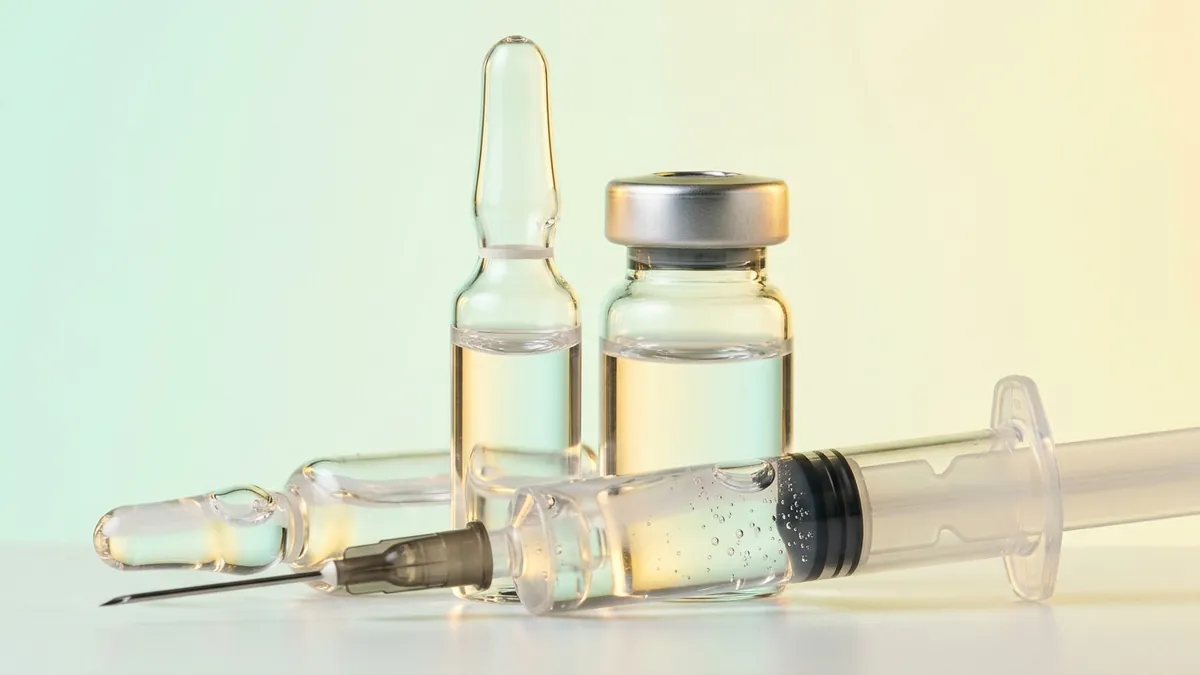
Understanding your subcutaneous injection area—its clinical meaning, causes of common skin reactions, normal ranges for needle depth and dose volume, and next steps for daily skin care—takes the guesswork and anxiety right out of home medications. Have you ever brought home a new prescription pen or syringe from your local pharmacy and wondered where on your body that tiny needle is actually supposed to go? You are certainly not alone, and we doctors guide patients through this exact skill every day.
Whether you are taking insulin, weekly weight-management or diabetes injections (GLP-1 receptor agonists), fertility hormones, biologic therapies for autoimmune joint or skin conditions, or blood-thinning shots (low-molecular-weight heparins such as enoxaparin) after surgery, picking the right spot matters enormously. Your choice of injection zone directly controls how comfortably the needle goes in and how steadily your medicine enters your bloodstream.
Think about it for a second: when an under-the-skin shot (subcutaneous injection) lands smoothly in the exact tissue layer it was engineered for, it works predictably and barely stings at all. Let us walk through how this tissue layer functions, which body areas are safest, and how you can protect your skin for years to come.
📌 Key Takeaways at a Glance
- Four Safe Body Zones: The safest subcutaneous injection areas are your abdomen (at least 2 inches or 5 cm away from your belly button), the front and outer thighs, the back of your upper arms, and your upper outer buttocks.
- Normal Clinical Ranges: Standard pen needles measure 4 mm to 6 mm (syringes 8 mm to 12.7 mm), thickness ranges from ultra-fine 25G to 32G, and a single spot comfortably holds 0.5 mL to 1.5 mL (up to 2.0 mL maximum).
- Steady Absorption Speed: Fatty tissue beneath the skin has fewer large blood vessels than muscle, allowing medicines to release slowly and evenly over hours or days.
- Clock-Face Site Rotation: Moving every new injection at least 1 inch (2.5 cm) away from your last spot prevents rubbery fatty lumps (lipohypertrophy) and erratic drug absorption.
- Know When to Get Checked: Tiny bruises are usually harmless capillary nicks, whereas spreading heat, pus, fever, or breathing trouble requires urgent medical evaluation.
What Is a Subcutaneous Injection Area, and What Is Its Clinical Meaning?
A subcutaneous injection area is a soft region of fatty tissue (hypodermis) located directly beneath your skin and above your muscle where medications absorb slowly and steadily. Safe areas include your abdomen, outer thighs, upper arms, and upper buttocks, comfortably holding 0.5 to 1.5 mL with 4 to 8 mm needles.
Look at what happens right underneath your skin when we examine human anatomy in layers. On the very outside sits your protective skin surface (epidermis and dermis). Directly underneath lies a soft, insulating cushion of fat and connective fibers called your fatty under-skin layer (subcutaneous tissue, or hypodermis), and beneath that sits firm skeletal muscle. Unlike deep muscle, this fatty cushion contains very few large blood vessels and very few pain-sensing nerve endings. We rarely stop to think about our body fat actually helping our medicine work better, do we?
Because blood flows gently through fat cells via tiny microscopic capillaries, medications placed here trickle steadily into your circulation instead of rushing in all at once. Contrast that with a deep muscle shot (intramuscular injection, like an annual flu vaccine in your upper shoulder muscle), which absorbs rapidly, or a shallow skin-surface test (intradermal injection, like a tuberculosis or allergy test) placed just beneath the top skin layer. If a slow-acting medicine like basal insulin accidentally hits muscle instead of fat, it can absorb far too fast and trigger dangerously low blood sugar (hypoglycemia). Makes sense, right?
Which Subcutaneous Injection Areas on Your Body Are Safest to Use?
Have you ever wondered why nurses and pharmacists almost always point to your tummy or outer thigh first when teaching home injections? Those specific regions carry a reliable, even blanket of fatty tissue away from major nerves, large blood vessels, and bony joints. We doctors recommend four proven subcutaneous injection areas, noting that absorption speed varies slightly from zone to zone:
- Abdomen (Tummy): For most medications, your abdomen is the gold-standard choice because it is easy to reach while sitting and absorbs medication fastest and most consistently. Inject below your ribs, above your hip bones, and at least 2 inches (5 cm)—roughly two to three finger-widths—away from your belly button (umbilicus), since tissue right around the navel is tough and fibrous. Also steer clear of your natural waistband where jeans or gym leggings rub.
- Front and Outer Thighs: Aim for the middle third of your thigh—halfway between your hip and knee, slightly toward the outer half of your leg rather than the sensitive inner thigh. Medication absorbs at a moderate pace here, making it a favorite for solo home shots.
- Back of the Upper Arms: Use the soft, fleshy pad on the back of your arm halfway between your shoulder and elbow. Because pinching your own back-arm skin one-handed is tricky, save this zone for short 4 mm pen needles or when a family member helps you.
- Upper Outer Buttocks and Flank: That soft area just below your waist above the main sitting muscle absorbs medicine slowest of all, making it ideal for evening long-acting insulin doses.
What Are the Normal Ranges for Needle Size, Dose Volume, and Injection Angle?
Checking the numbers printed on your prescription box helps you confirm that your supplies match your body build and medication dose. When patients ask us at their Primary Care Physician (PCP) or family GP clinic what "normal ranges" look like for home under-the-skin shots, we rely on clear clinical guidelines:
- Normal Needle Length: Modern disposable pen needles measure 4 mm to 6 mm (roughly five-thirty-seconds to one-quarter of an inch). Traditional vial-and-syringe needles typically measure 8 mm to 12.7 mm (five-sixteenths to half an inch). Pretty surprising how tiny modern needles really are, right? Even in adults with higher body weight, outer skin thickness rarely exceeds 2.5 mm, meaning a 4 mm to 6 mm needle reaches subcutaneous fat reliably!
- Normal Needle Gauge (Thickness): Standard subcutaneous needles range from 25-gauge to 32-gauge (25G–32G). Remember that medical gauge numbers run backward—a 31G or 32G needle is hair-thin and barely noticeable compared with a thicker 25G syringe needle used for thicker biologic liquids.
- Normal Dose Volume per Site: A single subcutaneous injection area comfortably absorbs 0.5 mL to 1.5 mL of liquid, with 2.0 mL generally treated as the upper limit for routine single shots. Volumes above 2.0 mL stretch tissue fibers and ache, so your doctor may advise splitting larger doses across two separate spots.
- Normal Injection Angle: Insert straight in at a 90-degree angle with short 4 mm to 6 mm needles or whenever you can pinch 2 inches of fat; angle at 45 degrees if you are very lean, injecting a young child, or using a longer 8 mm to 12.7 mm needle.
How Do You Give a Subcutaneous Injection Safely Step by Step?
Learning how to give a subcutaneous injection feels nerve-wracking on day one, yet within a week most patients find it no harder than brewing their morning tea or coffee. What do you think makes the biggest difference between a sting-free shot and a sore one? Almost always, it comes down to calm preparation and letting your alcohol wipe dry. Follow these six clinic-tested steps:
- Wash Hands and Check Temperature: Wash your hands thoroughly with plain soap and warm tap water. If your medicine stays in the fridge, let your dose warm at room temperature for 15 to 30 minutes first (unless your package leaflet directs otherwise), because icy liquid stings warm tissue. Verify the drug name, dose, expiration date, and liquid clarity.
- Swab and Air-Dry Completely: Wipe your chosen subcutaneous injection area with an alcohol pad and let it air-dry for a full 10 to 15 seconds without blowing on it. Pushing a needle through wet alcohol stings sharply!
- Pinch a Gentle Skinfold (If Needed): With longer needles or leaner thighs and stomachs, lift a soft 1- to 2-inch fold of skin and fat between your thumb and index finger without squeezing deep muscle.
- Insert Smoothly Like a Dart: Push the needle in with one quick, confident motion at your 90-degree or 45-degree angle—hesitating slowly against the skin surface actually activates pain sensors more.
- Inject Slowly and Count to Ten: Press the plunger or pen button steadily all the way down, then keep the needle still under your skin while counting slowly from 1 to 10. Remember that soft fatty cushion we talked about at the very beginning? Holding for ten seconds lets the liquid settle in instead of leaking back out.
- Withdraw and Bin Immediately: Pull straight out, release your pinch, press gently with clean gauze without rubbing, and drop the used sharp straight into a certified sharps container—never recap a loose needle.
What Causes Lumps, Bruising, or Pain — and What Are Your Next Steps?
Be honest: once you discover one virtually painless spot on your stomach, you've felt tempted to use that exact same spot week after week, haven't you? Nearly everyone feels that temptation, yet repeated pokes in one spot are the number-one cause of preventable skin trouble. Knowing what causes different injection-site changes tells you your exact next steps.
When the same tiny patch receives repeated injections—especially with insulin—fat cells thicken and form rubbery, spongy mounds under the skin called fatty tissue overgrowth (lipohypertrophy). Because scar-like fat feels slightly numb, shots there hurt less, tricking people into using them even more! Unfortunately, medicine injected into a rubbery lump absorbs unpredictably, causing swinging blood sugars or reduced drug strength. Less often, immune reactions cause small skin dents (lipoatrophy). Your best prevention and treatment is strict clock-face site rotation: imagine a clock over your abdomen or thigh, spacing every new shot at least 1 inch (2.5 cm) from your previous mark, and resting any lumpy area completely for three to six months.
What about small purple bruises (ecchymosis) or mild pink patches? A coin-sized bruise simply means your needle nicked a tiny invisible surface capillary—super common with daily blood thinners like enoxaparin—and fades naturally over a week if you avoid rubbing right after injecting. Mild localized redness or itching from biologic pens often represents a harmless local histamine response that calms down with a cool, clean cloth. However, if a spot grows hotter, harder, and wider after 24 to 48 hours, book a prompt review at your family GP clinic, PCP office, or local Urgent Care center to rule out a bacterial skin infection (cellulitis).
How Do Injection Areas and Skin Reactions Compare in Daily Care?
To make everyday troubleshooting quick and stress-free at home, use this side-by-side clinical guide comparing each injection zone and common post-shot skin findings:
| Injection Area or Skin Finding | Clinical Explanation & Recommended Action |
|---|---|
| Abdomen (2+ inches / 5 cm from navel) | Provides the fastest, most predictable subcutaneous absorption with easy visibility and generous fatty cushioning. What you should do: Rotate shots in a wide clock-face pattern across all four tummy quadrants while avoiding scars, stretch marks, and tight waistbands. |
| Outer Thighs & Upper Buttocks | Offers moderate-to-slow steady medication release, ideal for seated solo injections or long-acting evening medications. What you should do: Aim for the outer middle third of your thigh or upper outer hip curve, and pinch a soft fold if your legs are lean or muscular. |
| Soft, Rubbery Skin Lump (Lipohypertrophy) | Caused by injecting into the exact same spot repeatedly or reusing dulled pen needles, leading to erratic medication absorption. What you should do: Stop injecting into the lump immediately for several months, use a fresh needle every single time, and ask your doctor or nurse to examine your sites. |
| Small Surface Bruise or Drop of Blood | Happens when the needle tip grazes a tiny surface capillary beneath the skin; does not ruin your medication dose. What you should do: Press gently with a clean cotton pad for 30 seconds without rubbing vigorously, and choose a fresh spot at least 1 inch away next time. |
| Expanding Hot Redness, Swelling, or Pus | Signals a possible bacterial skin infection (cellulitis) or localized abscess rather than normal mild post-injection irritation. What you should do: Outline the red border lightly with a pen to track spread, and visit your PCP, family GP clinic, NHS 111 service, or Urgent Care center the same day. |
In daily life across the US, UK, Canada, and Australia, smart storage and disposal protect your whole household. Keep unopened refrigerated pens on a middle fridge shelf (36°F–46°F or 2°C–8°C)—never shoved against the back cooling plate where medicine can freeze and lose potency. Wear breathable cotton shirts or looser waistbands on injection days, stay well hydrated, and return sealed sharps containers through your local pharmacy, chemist, GP surgery, or municipal community drop-off program rather than household trash.
✔️ What You Should Do & ❌ What to Avoid
- ✔️ DO use a brand-new sterile needle for every single shot: Even one reuse bends the microscopic needle tip into a tiny hook that tears tissue and triggers fatty lumps.
- ✔️ DO inspect and feel your skin with clean fingers before injecting: Check in good lighting and glide your fingertips across the area to make sure it feels smooth, soft, and lump-free.
- ✔️ DO hold pen needles in place for a full 5 to 10 seconds: Giving the barrel time to empty completely ensures you receive your full prescribed dose.
- ❌ AVOID injecting through clothing: Fabric hides bruises or veins, dulls the fine needle coating, and can carry lint or bacteria under your skin.
- ❌ AVOID scars, moles, bruised patches, or active rashes: Scarred, sunburned, or inflamed skin has altered blood flow and cannot absorb medication reliably.
- ❌ AVOID vigorous massage or hot baths right after insulin shots: Heavy rubbing, saunas, or hot tubs speed up local blood flow and can make insulin peak unexpectedly fast.
🚨 When to Seek Immediate Emergency Care (Red-Flag Symptoms)
If you or someone near you develops any of these red-flag symptoms, do not wait — call 911 (or 999 in the UK / 000 in Australia) immediately or go straight to the nearest hospital Emergency Room (ER / A&E):
- Signs of a severe allergic reaction (anaphylaxis): Widespread hives, sudden swelling of your lips, tongue, face, or throat, dizziness, or difficulty breathing shortly after an injection.
- Rapidly spreading skin infection with whole-body illness: An angry, hot, swollen red patch spreading quickly outward accompanied by fever, shaking chills, red streaks, or foul-smelling pus.
- Severe low blood sugar emergencies: Extreme confusion, slurred speech, seizures, or loss of consciousness—especially if fast-acting insulin was accidentally injected into muscle.
- Uncontrolled bleeding or a rapidly expanding hard lump: Particularly important if you take prescription blood thinners and develop a large, painful, tense swelling on your abdomen wall, or sudden black stools and dizziness.
💡 Key Take-Home Message
- Stick to your four safe fatty zones—abdomen, outer thighs, back of upper arms, and upper buttocks—while keeping at least 2 inches (5 cm) clear of your belly button.
- Rotate every shot systematically by at least 1 inch (2.5 cm) and attach a fresh needle every time to keep your subcutaneous tissue smooth and responsive.
- Let alcohol wipes air-dry completely, warm refrigerated doses appropriately, and hold your needle steady for up to 10 seconds for a calm, virtually painless routine.
No comments yet. Be the first to share your question or experience below.