
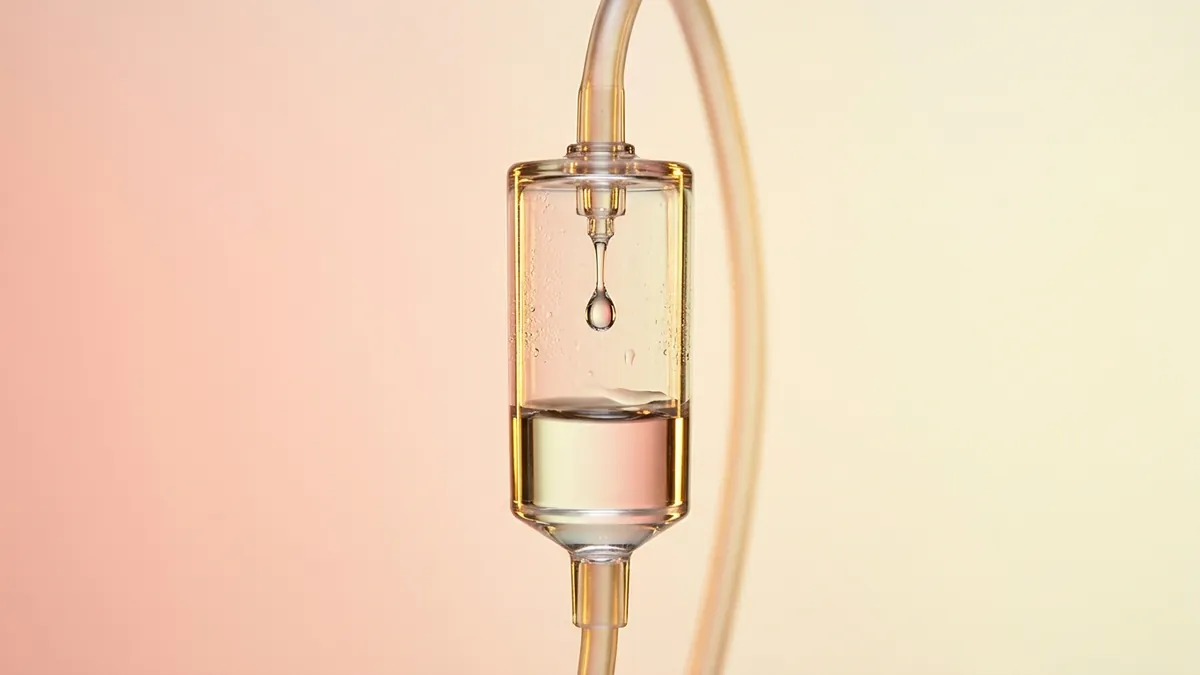
Looking up subcutaneous injection stomach: clinical meaning, causes, normal ranges & next steps usually means you or a family member just picked up a new injectable prescription—and be honest, holding that needle near your belly for the first time feels a little nerve-wracking, doesn't it? We doctors reassure patients about this every single day in clinic. Despite how intimidating "stomach injection" sounds, it never goes anywhere near your actual stomach organ or deep abdominal muscles.
Instead, an under-the-skin shot (subcutaneous injection) places a tiny drop of medicine gently into the soft pillow of fat right beneath your belly skin. Think about it for a second: your abdomen has one of the broadest, easiest-to-reach cushions of surface fat on your entire body, with remarkably few pain-sensing nerves compared to your fingertips or thighs. Pretty reassuring, right?
Whether your doctor prescribed a weekly metabolic pen, daily blood-sugar therapy, a short course of blood thinners after surgery, or an immune medication, mastering a few simple clinical rules makes home injections virtually painless and keeps your skin healthy for years to come.
📌 Key Takeaways at a Glance
- Shallow fat layer only: A stomach subcutaneous injection goes just beneath the skin into the soft fatty layer (subcutaneous adipose tissue)—never into your digestive stomach or deep muscle.
- Follow the 2-inch navel rule: Always stay at least 2 inches (5 cm) away from your belly button (umbilicus), staying below your ribs and above your hip bones.
- Ultra-thin, short needles: Standard home needles measure just 4 mm to 8 mm long and 28G to 32G thin—roughly the thickness of two human hairs.
- Rotate every single dose: Move at least 1 inch (2.5 cm) away from your last injection spot to prevent rubbery fatty lumps (lipohypertrophy) that block medicine absorption.
- Never rub after injecting: Press gently with clean gauze if needed, especially with blood thinners, because rubbing breaks tiny surface vessels and causes dark bruises.
What Is a Subcutaneous Injection in the Stomach, and What Does It Mean Clinically?
A subcutaneous injection in the stomach is a shallow, gentle shot that delivers liquid medication directly into the soft fatty layer right beneath your belly skin rather than deep into muscle. Because belly fat has steady, slow-moving tiny blood vessels, your body absorbs medicines smoothly, predictably, and comfortably over several hours.
When patients hear the phrase "injection in the stomach," many understandably picture a long needle reaching deep inside the abdomen. Let us put your mind at ease right away! In everyday conversation, people say "stomach" when referring to the outer belly or tummy area (anterior abdominal wall). Clinically, your needle stops just a few millimeters below the outer skin surface inside the fatty cushion (subcutaneous adipose tissue) that sits safely above the tough protective muscle wall.
Have you ever wondered why we doctors prefer your belly over your upper arm or thigh for so many home medications? Your abdomen offers the most consistent absorption rate in the body regardless of whether you go for a brisk morning walk, ride an exercise bike, or relax on the couch after dinner. Leg and arm muscles pump blood much faster during exercise, which can accidentally speed up how fast certain drugs enter your bloodstream. Your tummy fat stays steady and predictable all day long. Makes complete sense, right?
How Does a Subcutaneous Injection in the Stomach Work Inside Your Body?
Look closely at what happens beneath the surface when you press the button on a prefilled pen or gently push a syringe plunger. Your skin has three distinct layers stacked like a sandwich: the thin waterproof outer barrier (epidermis), the middle layer containing hair follicles, sweat glands, and nerve endings (dermis), and the soft, insulating third layer of fat cells underneath (subcutaneous tissue or hypodermis), which rests on top of firm skeletal muscle.
Unlike a deep muscle shot (intramuscular injection)—like your annual flu vaccine in the shoulder, which enters richly vascular muscle tissue for rapid uptake—or a shallow top-skin test shot (intradermal injection) used for tuberculosis screening, an abdominal under-the-skin shot deposits a small pool or "depot" of liquid among soft fat cells. Those fat cells are woven with a delicate web of microscopic blood vessels (capillaries) and lymphatic channels.
Why does that slow capillary network matter so much? Many modern protein and hormone medicines would be destroyed in minutes by stomach acid if swallowed as a pill, yet they would hit your bloodstream far too abruptly if injected straight into a vein or deep muscle. By resting quietly in belly fat, the medication trickles into your circulation at a controlled, steady pace over hours or even an entire week. We rarely stop to think about how clever our own skin anatomy is, do we?
Why Do Doctors Prescribe Stomach Injections? (Common Causes & Medications)
When people search for the medical "causes" behind a stomach subcutaneous injection, they are usually asking what health conditions require these shots—or why their Primary Care Physician (PCP) or family GP clinic switched them from tablets to an injectable pen. Because peptide, hormone, and antibody molecules are fragile proteins, delivering them beneath abdominal skin protects their structure so they actually work.
Here are the five most common medication families we doctors prescribe for abdominal self-injection:
- Blood-sugar hormone therapy (insulin therapy): Rapid-acting mealtime insulins and long-acting basal insulins for Type 1, Type 2, and gestational diabetes absorb most reliably from the abdomen.
- Gut-hormone metabolic pens (GLP-1 and dual GIP/GLP-1 receptor agonists): Weekly or daily pens such as semaglutide, tirzepatide, dulaglutide, and liraglutide for Type 2 diabetes, weight management, and cardiovascular risk reduction.
- Injectable blood thinners (low-molecular-weight heparins): Medications like enoxaparin or dalteparin prescribed specifically into the left or right "love handle" belly area to prevent or treat deep vein blood clots (deep vein thrombosis) after joint replacement, abdominal surgery, or hospitalization.
- Targeted immune therapies (biologic medications): Autoimmune treatments such as adalimumab, etanercept, or secukinumab used for rheumatoid arthritis, psoriasis, Crohn's disease, and ulcerative colitis.
- Fertility and endocrine hormones: Precisely timed ovulation-stimulation hormones during IVF cycles, parathyroid hormone treatments for severe osteoporosis, and cholesterol-lowering PCSK9 inhibitors.
What Are the Normal Ranges for Needle Size, Angles, and Safe Belly Zones?
Just like blood tests have normal reference ranges, safe home injections rely on exact measurement ranges for needle dimensions, fluid volume, skin angles, and safe abdominal landmarks. Sticking to these evidence-based numbers keeps every dose inside the fat layer and prevents painful accidental muscle pokes.
- Safe distance from your belly button: Stay strictly at least 2 inches (5 cm)—roughly the width of two adult fingers—away from your belly button (umbilicus) in all directions. Dense scar-like fibrous tissue surrounds the navel and blocks smooth absorption.
- Outer abdominal boundaries: Inject no higher than 1 inch below your lowest ribs, no lower than 1 inch above your pubic bone/hip crease, and out toward your sides where soft fat remains pinchable.
- Standard needle length range: Pen needles normally measure 4 mm to 6 mm, while standard subcutaneous syringes measure 6 mm to 8 mm (occasionally up to 12.7 mm / half an inch).
- Standard needle thickness (gauge) range: 28-gauge to 32-gauge for insulin and GLP-1 pens, and 25-gauge to 27-gauge for slightly thicker biologics or prefilled blood-thinner syringes. Remember: a higher gauge number means a thinner needle!
- Injection angle range: Insert short 4 mm to 6 mm needles straight in at a 90-degree angle. If you are very lean or using an 8 mm to 12.7 mm syringe needle, pinch a soft skinfold and enter at a 45-degree angle (or 90 degrees into a lifted fold) so you never touch muscle.
- Single-site volume limit and spacing: Standard subcutaneous volume is 0.2 mL to 1.5 mL per shot (occasionally up to 2.0 mL for specialty biologics). Always space each new injection at least 1 inch (2.5 cm) from your previous spot.
What Are the Next Steps to Inject Safely at Home and Prevent Skin Lumps?
Ready to walk through how a calm, textbook stomach injection looks at home? First, wash your hands thoroughly with warm soap and water. Check your medication label, expiration date, and liquid clarity. Here is a practical clinic tip that makes a huge difference: if your pen or syringe lives in the fridge, ask your pharmacist if you can let it sit at room temperature for 15 to 30 minutes before injecting. Cold liquid stings; room-temperature liquid goes in almost unnoticed! Never microwave or run hot water over a medication pen, though, as heat ruins active proteins.
Next, pick a healthy spot at least two fingers away from your navel—recall that two-inch belly button rule we just covered? Wipe the skin with an alcohol swab and let it air-dry completely for 10 to 15 seconds without blowing on it. Have you ever wondered why an injection suddenly stings right as the needle touches skin? Nine times out of ten, wet rubbing alcohol rode in on the needle tip!
If your clinician advised pinching a skinfold—or if you use a blood-thinner syringe—gently lift a 1-to-2-inch fold of skin and fat between your thumb and index finger without squeezing tightly (squeezing pulls muscle upward). Insert the needle smoothly in one quick, dart-like motion at your recommended 90-degree or 45-degree angle. Push the plunger or hold the pen button slowly and steadily all the way down, then count slowly to 6 or 10 seconds before pulling straight out. Release your skinfold, drop the needle straight into a hard plastic sharps container, and press lightly with a dry cotton ball if you see a tiny speck of blood.
How Do Stomach Injection Options and Skin Reactions Compare?
Even with great technique, you might occasionally notice a small drop of clear liquid, a minor bruise, or a firm patch under your fingers. How do you know what is completely harmless versus what needs a quick adjustment or a call to your doctor? Compare these common real-world scenarios below.
| Finding, Needle Setup, or Skin Reaction | Clinical Meaning & Action Step |
|---|---|
| Short Pen Needle (4 mm – 6 mm) vs. Longer Syringe Needle (8 mm – 12.7 mm) | Ultra-short 4 mm to 5 mm pen needles reliably reach the fat layer in adults of almost all body sizes without hitting muscle, whereas 8 mm or longer needles can overshoot into muscle in leaner adults. What you should do: Insert 4 mm needles straight in at 90 degrees; if using an 8 mm or longer needle (or if you have very little belly fat), gently lift a skinfold and use a 45-degree angle as shown by your nurse or pharmacist. |
| Small Purple or Yellow Bruise at the Spot | Your needle nicked a tiny, invisible surface capillary on the way in—very common and harmless, especially if you take blood thinners like enoxaparin, aspirin, or apixaban. What you should do: Leave the bruise alone to fade over 1 to 2 weeks, never inject directly into an active bruise, and apply a cool pack wrapped in a clean kitchen towel before or after future shots if you bruise easily. |
| Tiny Drop of Clear Medicine or Blood on the Skin | Pulling the needle out immediately after pressing the button lets a micro-drop follow the needle track back to the surface; clinically, your main dose was still absorbed. What you should do: Never inject a second "make-up" dose (which risks dangerous overdosing); next time, hold the needle smoothly in place and count slowly to 10 full seconds before withdrawing. |
| Rubbery, Firm, Painless Lump Under the Skin (Lipohypertrophy) | Repeatedly injecting into the exact same favorite belly spot stimulates fat cells and fibrous tissue to thicken into a spongy mound that traps medication and causes unpredictable blood-sugar or drug swings. What you should do: Stop injecting into that lump completely for several months so the tissue softens, divide your tummy into four quadrants, and move at least 1 inch (2.5 cm) away for every single injection. |
| Mild Pinkness or Light Itching Under 1 Inch Wide | Preservatives, cold liquid, or natural immune signaling from biologic and GLP-1 pens can trigger mild, temporary local histamine irritation that fades within 24 to 48 hours. What you should do: Let refrigerated pens warm naturally to room temperature for 20 minutes first, let alcohol swabs dry fully, and mention recurring welts to your Primary Care Physician (PCP) or family GP clinic. |
| Expanding Hot Redness, Pus, or Deep Throbbing Pain | Unlike harmless mild irritation, a spot that grows wider, hotter, swollen, and increasingly painful after 24 hours points toward a bacterial skin infection (cellulitis) or skin abscess. What you should do: Draw a gentle pen line around the outer border to track spreading and visit your family GP clinic or local Urgent Care center the same day for medical evaluation. |
Remember how we talked about rotating your injection spots earlier? Building a simple "clock-face" habit around your belly button—moving cleanly from 12 o'clock (two inches out!) to 1 o'clock, 2 o'clock, and around your lower abdomen—takes all the guesswork out of daily skin care.
✔️ What You Should Do & ❌ What to Avoid
- ✔️ DO use a brand-new sterile needle every single time: Even one reuse bends the microscopic tip into a tiny hook that tears skin fibers and promotes fatty lumps.
- ✔️ DO inspect and feel your belly skin in good lighting: Always skip scars, stretch marks, moles, birthmarks, sunburns, waistbands that chafe, and bruised or firm areas.
- ✔️ DO dispose of sharps properly: Place used needles and pens straight into an approved hard-shell sharps bin—available through your local pharmacy, state/provincial disposal program, or UK council/GP sharps service.
- ❌ DON'T rub or massage the spot afterward: See? That's exactly why we doctors emphasize gentle blot pressure only—rubbing forces medicine out too fast and ruptures capillaries, especially with heparin shots.
- ❌ DON'T expel the tiny air bubble in prefilled blood-thinner syringes unless told: Prefilled syringes like enoxaparin include a deliberate micro-bubble designed to seal the medicine neatly under your skin and reduce bruising.
- ❌ DON'T inject through shirts or waistbands: Injecting through clothing dulls the needle, introduces fabric fibers and skin bacteria, and hides bleeding or skin lumps.
🚨 When to Seek Immediate Emergency Care (Red-Flag Symptoms)
If you or someone near you develops any of these red-flag symptoms, do not wait — call 911 (US & Canada), 999 or 111 (UK), or 000 (Australia) immediately or go straight to the nearest hospital Emergency Room (ER / A&E):
- Signs of a severe whole-body allergic reaction (anaphylaxis): Sudden swelling of your lips, tongue, face, or throat, widespread itchy hives, wheezing, chest tightness, or trouble breathing within minutes to hours of an injection.
- Rapidly expanding belly bleeding or rock-hard swelling (abdominal wall hematoma): Especially if you take blood thinners and develop a large, painful, fast-growing dark mass on your abdomen accompanied by dizziness, pale skin, or feeling faint.
- Signs of severe infection or sepsis: High fever, shaking chills, red streaks spreading across your belly skin, pus draining from a site, or feeling acutely unwell and confused.
- Severe low blood sugar (severe hypoglycemia) after an insulin shot: Shakiness, cold sweats, slurred speech, confusion, seizures, or inability to swallow glucose safely.
- Severe, unrelenting upper abdominal pain radiating to your back with persistent vomiting: Particularly important to rule out acute pancreas inflammation (acute pancreatitis) if you use a GLP-1 metabolic injection.
💡 Key Take-Home Message
- A stomach subcutaneous injection targets only the soft surface fat cushion beneath your tummy skin—staying at least 2 inches (5 cm) clear of your belly button keeps absorption smooth and comfortable.
- Room-temperature medication, fully air-dried alcohol swabs, fresh 4 mm to 8 mm needles, and a calm 10-second count before pulling out eliminate almost all stinging and leakage.
- Consistent 1-inch site rotation protects your skin from rubbery lumps, and your local pharmacist, practice nurse, or family doctor is always happy to watch one practice shot with you.

No comments yet. Be the first to share your question or experience below.