
When you search for Subcutaneous Injection Dogs: Clinical Meaning, Causes, Normal Ranges & Next Steps, you are likely holding a new veterinary prescription and wondering how to give an under-the-skin shot (subcutaneous injection) safely at home. Unlike deep muscle injections or hospital drips, this gentle method places liquid medication into the loose, elastic tissue space right beneath your dog's coat. Pretty reassuring once you picture that cushioned space, right?
Managing home injections brings two important priorities together: helping your dog absorb vital treatment smoothly while protecting yourself and your family from accidental needle pricks (percutaneous needle-stick injuries). In everyday family practice, we doctors regularly advise pet owners on safe syringe handling, skin hygiene, and exactly what to do if a slip of the hand happens in a busy kitchen.
Whether your dog needs twice-daily insulin, monthly allergy therapy, or hydrating fluids, building a calm routine melts away the anxiety fast. Below, we walk through how the under-the-skin layer works, normal needle and syringe ranges, step-by-step skin-tenting, lump checks, and safe sharps disposal.
📌 Key Takeaways at a Glance
- Gentle, steady absorption: A subcutaneous injection places medicine or fluids into the loose tissue beneath the skin over the shoulders and upper back, where pain nerve endings are sparse.
- Match the exact syringe: Canine insulins often require U-40 syringes (red cap), whereas human insulins require U-100 syringes (orange cap)—mixing them up causes dangerous dosing errors.
- Use a fresh needle every time: Thin 29G–31G needles suit insulin, 25G–27G suit standard shots, and wider 18G–20G needles deliver large fluid bags smoothly.
- Rotate sites daily: Alternate between the left and right shoulder areas at least 1 inch (2.5 cm) apart to prevent firm scar bumps.
- Never recap used needles: Drop syringes straight into a rigid sharps bin to prevent household needle-stick injuries.
What Is a Subcutaneous Injection in Dogs and What Does It Mean Clinically?
A subcutaneous injection in dogs is a clinical procedure that delivers liquid medication, vaccines, or fluids into the loose tissue layer directly beneath the skin (the subcutis). Because dogs have abundant elastic skin over the shoulders and upper back, medicines absorb steadily into tiny capillaries with minimal discomfort.
Have you ever noticed how easily you can lift a soft fold of skin behind your dog's shoulder blades compared to your own forearm? In people, the deepest skin fat and connective layer (hypodermis or subcutis) is attached fairly snugly to underlying tissue. Dogs, however, have long, stretchy collagen fibres that allow their upper coat to lift effortlessly into an upside-down "V" pocket—often called a skin tent—with very few pain receptors.
Think about it for a second: route of delivery changes everything in medicine. A vein infusion (intravenous or IV therapy) hits the bloodstream immediately, while a deep muscle shot (intramuscular or IM injection) enters vascular muscle fibres fast but stings noticeably more. By contrast, the subcutaneous space has a slower, gentler network of tiny blood vessels, creating a smooth "depot" release over hours. Makes complete sense why vets prefer it for daily home care, doesn't it?
Why Do Dogs Need Subcutaneous Injections? Common Causes and Medications
Have you ever wondered why these medications cannot simply be hidden inside a piece of cheddar cheese or a beef-flavoured chewable tablet? Delicate protein-based therapies—such as insulin and targeted antibodies—get broken down by stomach acid and digestive enzymes before they ever reach the bloodstream. Bypassing the gut through an under-the-skin shot preserves full clinical strength.
- High blood sugar disease (diabetes mellitus): Diabetic dogs typically need subcutaneous insulin injections every 12 hours right after eating to move glucose safely into body cells.
- Long-term kidney decline (chronic kidney disease): Dogs whose kidneys lose concentrating ability often receive balanced electrolyte bags—such as Lactated Ringer's solution—under the skin at home to prevent dehydration and flush metabolic waste.
- Chronic itchy skin allergies (canine atopic dermatitis): Targeted itch-blocking antibody therapies and custom allergy desensitization shots (allergen-specific immunotherapy) calm flare-ups without heavy steroid side effects.
- Gut malabsorption and acute nausea: Dogs with chronic bowel inflammation often need weekly Vitamin B12 (cyanocobalamin) shots, while anti-nausea injections help vomiting pets keep fluids down.
Routine preventative care—including core canine vaccines—also relies on this exact subcutaneous space so the immune system can recognize antigens calmly and safely.
What Are the Normal Ranges for Needle Sizes, Syringes, and Injection Sites?
Look closely at needle packaging and you will spot a little "G" for gauge. Here is a detail that trips almost everyone up at first: the higher the gauge number, the thinner the needle! Pretty surprising at first glance, right? Choosing the proper normal range keeps your dog comfortable and ensures the liquid flows at the right speed.
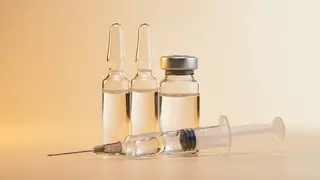
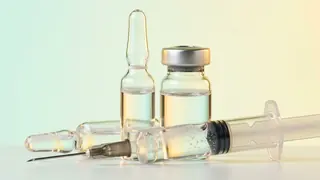
- Insulin needles and syringes: Ultra-fine 29-gauge to 31-gauge (29G–31G) needles measuring 5/16 inch to 1/2 inch (8–12.7 mm) long. Always verify whether your dog's insulin vial is U-40 (40 units per mL, paired strictly with red-capped U-40 syringes) or U-100 (100 units per mL, paired strictly with orange-capped U-100 syringes).
- Standard liquid medications and B12: Fine 25-gauge to 27-gauge (25G–27G) needles measuring 1/2 inch to 5/8 inch (12.7–16 mm), typically delivering 0.25 mL to 2 mL per single site.
- Subcutaneous fluid therapy lines: Wider-bore 18-gauge to 20-gauge (18G–20G) needles—or 22G for tiny toy breeds under 10 lbs (4.5 kg)—so vet-prescribed fluid volumes of roughly 10 to 20 mL per kg of body weight flow in 5 to 10 minutes.
For anatomical placement, aim for the broad, loose saddle zone 1 to 2 inches behind the shoulder blades and 1 to 2 inches off either side of the backbone (dorsolateral chest wall). Avoid injecting directly over the dead-centre spine or neck collar line, where tougher fibrous tissue slows drug absorption.
How Do You Give a Subcutaneous Injection for Dogs Step by Step?
Be honest—holding a loaded syringe for the very first time makes your heart beat a little faster, doesn't it? Setting up a quiet, brightly lit spot on a non-slip rug turns the whole process into a 20-second routine.
- Check the vial and warm gently: Confirm the drug name, expiry date, and exact unit or millilitre mark. Roll cloudy insulin gently between your warm palms (unless your specific porcine insulin label explicitly directs brisk shaking—always follow the package insert) so icy fridge liquid does not sting, then draw the dose and flick out large air bubbles.
- Offer a safe kitchen distraction: Put down your dog's meal or smear plain cooked chicken, cottage cheese, or xylitol-free peanut butter onto a lick mat. Double-check peanut butter jars in the US, UK, Canada, and Australia to ensure zero xylitol (also listed as birch sugar), which causes life-threatening low blood sugar in dogs!
- Lift the skin tent: With your non-dominant thumb and forefinger, gently pinch and pull up a generous fold of loose skin beside the shoulder blade, feeling the soft hollow pocket at the base of the tent.
- Insert at a 45-degree angle: Hold the barrel like a dart with your thumb off the plunger. With the angled needle opening (bevel) facing up, glide smoothly into the base of the tent at a 45-degree angle parallel to the body wall—keeping your lifting fingers safely clear of the needle path.
- Inject smoothly and check the coat: Press the plunger steadily until empty, withdraw along the same angle, release the skin, and brush a dry finger over the spot to ensure the fur stays completely dry.
How Do You Tell Normal Healing From Trouble? Side Effects and Care Table
Remember how we mentioned at the beginning that home injection care protects both your dog and the person holding the syringe? Use the quick-reference comparison table below to distinguish harmless everyday findings from situations that need veterinary or human medical attention.
| Finding or Situation at Home | Clinical Meaning & Recommended Action |
|---|---|
| Soft, jiggly fluid pouch sliding toward the chest after fluid therapy | Normal gravity-driven pooling of sterile hydrating fluid inside the loose subcutaneous layer, which absorbs steadily over 4 to 8 hours. What you should do: Leave the pouch undisturbed—do not squeeze or rub it—and postpone the next scheduled fluid dose if any pouch remains unabsorbed. |
| Damp patch of fur or strong medicine odour right after the shot | A classic "fur shot," meaning the needle tip poked entirely through both sides of the lifted skin tent and squirted onto the coat. What you should do: Never give a second repeat shot of insulin or prescription medication on your own, as partial absorption can cause a dangerous overdose; phone your vet clinic for advice. |
| Small, painless, pea-sized firm bump under the skin | Mild local tissue irritation or thickened fatty tissue (lipohypertrophy) caused by injecting into the exact same spot repeatedly, which blocks predictable drug absorption. What you should do: Rotate every shot at least 1 inch (2.5 cm) away across the left and right shoulder zones, and have your vet examine any lump lasting longer than 14 days. |
| Hot, red, painful swelling or pus oozing from an injection spot | Signs of a localized bacterial skin infection or pus pocket (subcutaneous abscess), often linked to dirty fur or reusing a dulled needle. What you should do: Avoid injecting near the tender area and schedule a prompt same-day veterinary visit for wound care and targeted antibiotics. |
| Trembling, drunken walking, glassy stare, or extreme weakness after insulin | Urgent warning sign of dangerously low blood sugar (hypoglycemia) triggered by excess insulin or a skipped meal. What you should do: If your dog is awake enough to swallow safely, rub a small amount of honey, maple syrup, or glucose gel onto their gums and go straight to an emergency vet clinic. |
| Accidental needle prick to your own finger or hand | Percutaneous needle-stick injury that can introduce animal skin bacteria (such as Pasteurella or Staphylococcus) or active medication into your tissue. What you should do: Encourage gentle bleeding under warm running tap water, wash thoroughly with plain soap—never scrub or suck the wound—and call your Primary Care Physician (PCP) / family GP clinic or local Urgent Care center. |
How Should You Store Supplies, Dispose of Sharps, and Handle Needle-Stick Injuries?
Proper daily storage keeps delicate medicines working reliably. Store unopened and active insulin vials upright on a middle refrigerator shelf at 36°F to 46°F (2°C to 8°C), well away from the icy back wall where freezing ruins potency, and shield them from direct sunlight. Always attach a brand-new sterile needle for every single injection—microscopic metal hooks form after just one skin poke, causing bruising and infection.
See? Here is the golden rule we doctors repeat more than any other: never try to push the tiny plastic cap back onto a used needle. Attempting to recap a syringe is the number-one cause of accidental finger sticks we treat in clinics! Instead, drop the entire uncapped syringe point-first straight into a rigid sharps container kept out of reach of children and pets. In the US, use an FDA-cleared sharps container or state-approved heavy-duty container drop-off; in the UK, arrange a yellow clinical sharps bin via your GP surgery, local council, or pharmacy; and in Canada and Australia, pick up approved sharps bins with convenient return programs at community pharmacies.
If you ever suffer an accidental needle-stick injury—especially with a used needle or a syringe containing insulin, sedatives, or allergy biologics—bring the medication box or snap a clear photo of the vial label when visiting your Primary Care Physician (PCP), family GP clinic, or local Urgent Care center. We doctors will check whether your tetanus booster (Tdap or Td) is up to date, watch for spreading skin infection, and monitor your blood sugar or vital signs if any active drug entered your finger.
✔️ What You Should Do & ❌ What to Avoid
- ✔️ Do make sure your dog eats first before insulin: Confirm your dog finishes their meal before giving full mealtime insulin doses, unless your veterinarian instructs otherwise.
- ✔️ Do Part thick coats cleanly: Part dense fur on breeds like Golden Retrievers or Huskies so you actually see bare skin before inserting the needle.
- ✔️ Do keep a written shot log on the fridge: Note the time, dose, and left-or-right side so two family members never accidentally double-dose the dog!
- ❌ Don't reuse syringes even once: Reused needles bend, hurt your pet, contaminate multi-dose vials, and trigger skin abscesses.
- ❌ Don't guess after a "fur shot":Recall what we said earlier about wet fur—never inject a backup insulin dose without veterinary guidance.
- ❌ Don't toss loose needles into household bins: Loose sharps pierce bin bags and put sanitation workers and family members at serious risk.
🚨 When to Seek Immediate Emergency Care (Red-Flag Symptoms)
If you or someone near you suffers an accidental veterinary needle-stick injury and develops any of these red-flag symptoms, do not wait — call 911 (US & Canada), 999 or 111 (UK), or 000 (Australia) immediately or go straight to the nearest hospital Emergency Room (ER / A&E) (and rush your dog to a 24-hour emergency veterinary hospital if your pet collapses, gasps, or develops facial swelling after an injection):
- Signs of a severe whole-body allergic reaction (anaphylaxis): Tightness in the throat, wheezing, shortness of breath, swelling of the lips or tongue, widespread hives, or sudden dizziness after needle exposure.
- Accidental self-injection of insulin: Cold sweats, shaky hands, pounding heartbeat, blurred vision, confusion, or feeling faint—eat or drink fast-acting sugar (such as regular fruit juice or glucose tablets) immediately while emergency help is on the way.
- Rapidly spreading skin infection (acute cellulitis): Angry red streaks moving up your finger or hand, throbbing pain, pus, swollen armpit glands, fever, or chills within hours or days of a used needle prick.
- Deep joint or tendon puncture: A needle stick directly into a finger joint crease followed by stiffness or severe pain when bending the finger.
💡 Key Take-Home Message
- Giving a subcutaneous injection for dogs becomes calm, virtually painless, and routine once you lift a proper shoulder skin tent and insert a fresh needle at a 45-degree angle.
- Double-checking syringe markings (especially U-40 versus U-100 for insulin), parting thick fur, and rotating left and right injection spots prevent almost all home dosing complications.
- Protect your own health just as carefully by never recapping used needles, using local pharmacy or council sharps bins, and consulting your family doctor or Urgent Care promptly after any accidental needle stick.
No comments yet. Be the first to share your question or experience below.