
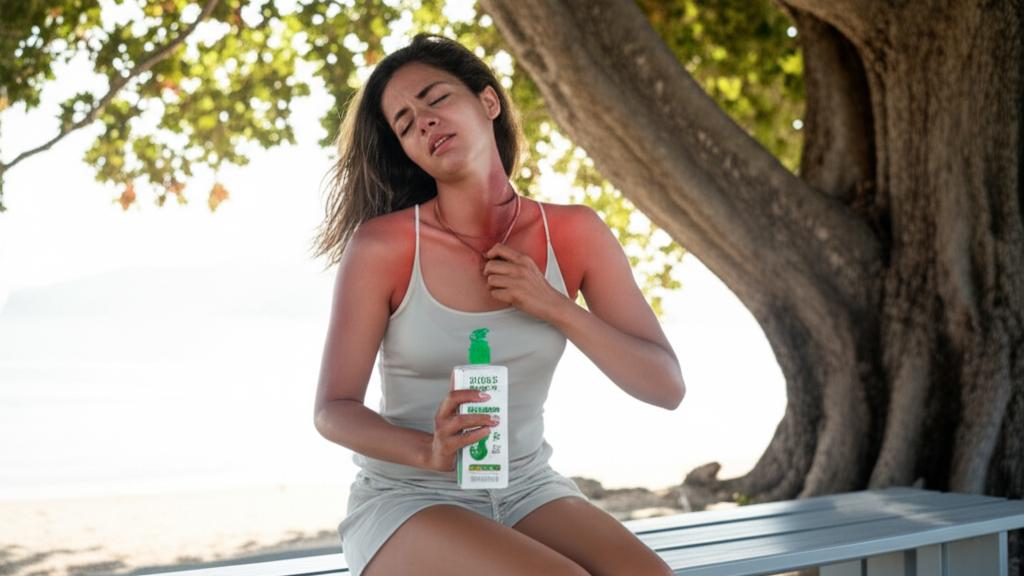
When the sun shines brightly and warm weather arrives, outdoor activities become hard to resist. Whether you are heading to the beach for a weekend getaway, playing sports in the park, or enjoying a hike with friends, spending time outdoors brings joy and energy. However, intense sunlight and warm outdoor environments can also bring unexpected challenges for your skin. From painful sunburns and itchy bug bites to annoying plant rashes and minor scrapes, summer skin hazards are very common. Understanding how these skin issues happen and knowing how to prevent or treat them can keep you safe, comfortable, and healthy all season long.
As a medical editor and patient educator, I often see patients who underestimate how quickly the sun and outdoor elements can damage unprotected skin. This complete guide will walk you through the most common summer skin hazards, practical prevention tips, safe first-aid steps, and clear warning signs that tell you when it is time to see a doctor or seek emergency medical care. Let us explore how you can take the best possible care of your skin while enjoying the great outdoors.
Key Takeaways for Healthy Summer Skin
- Always apply broad-spectrum sunscreen with an SPF of 30 or higher at least thirty minutes before going outside.
- Reapply your sunscreen every two hours, or right away after swimming, sweating heavily, or towel drying.
- Wear protective clothing, such as long sleeves and wide-brimmed hats, during peak sun hours between 10:00 AM and 2:00 PM.
- Use insect repellents containing DEET or Picaridin to protect yourself against mosquitoes, ticks, and other biting bugs.
- Wash minor cuts and scrapes right away with soap and lukewarm water to prevent painful bacterial infections.
BMI Calculator
Know your body mass index (BMI) and weight classification
Understanding Sunburns and Ultraviolet Skin Damage
Most of us have experienced a painful sunburn at least once in our lives. We know how uncomfortable, red, and tender our skin can feel after spending too long under a blazing sun. However, a sunburn is much more than a temporary annoyance or a brief inconvenience. Repeated sunburns cause cumulative damage to your skin cells. Over time, this damage leads to premature skin aging, wrinkles, dark spots, and a greatly higher risk of developing serious skin cancers later in life.
The best defense against sunburn is limiting direct sun exposure during the hottest parts of the day. Ultraviolet radiation is strongest between 10:00 AM and 2:00 PM. During these peak hours, try to stay in shaded areas, play indoor games, or schedule your outdoor adventures for the early morning or late afternoon when the sun is much gentler on your body.
To protect your skin effectively every time you step outside, follow these simple daily sunscreen guidelines:
- Apply a generous layer of sunscreen to all exposed areas of skin at least thirty minutes before heading outdoors.
- Choose a broad-spectrum sunscreen with a Sun Protection Factor (SPF) of 30 or higher to block harmful ultraviolet rays.
- Reapply your sunscreen every two hours, or more often if you are sweating heavily or swimming in a pool or ocean.
- Protect your eyes and surrounding delicate facial skin by wearing UV-blocking sunglasses and a wide-brimmed hat.
- Keep your lips safe from painful cracking and sunburns by applying a moisturizing lip balm with an SPF rating of 30 or higher.
First-Aid Tip for Sunburns: If your skin gets sunburned, do not panic. Take a cool shower or apply cool, damp cloths to soothe the stinging sensation. Afterward, apply a gentle, fragrance-free moisturizer or ask your doctor or pharmacist about using an over-the-counter hydrocortisone cream to calm the inflammation and reduce redness.
Managing Insect Bites and Stings
Warm weather brings out many wonderful outdoor activities, but it also awakens pesky insects like mosquitoes, ants, ticks, and midges. Bug bites can turn a fun nature walk or a backyard picnic into an itchy nightmare. Fortunately, using a few smart prevention strategies can keep these tiny nuisances away from your skin.
When walking through grassy fields, wooded areas, or dense brush, your skin is vulnerable to crawling and flying insects. To minimize your risk of getting bitten, wear long trousers and long-sleeved shirts. Tucking the cuffs of your trousers securely inside your socks creates a physical barrier that stops ticks and ants from crawling up your legs. Also, try to wear light-colored clothing because dark colors tend to attract certain types of insects.
When you explore outdoor areas with heavy foliage, applying an insect repellent is essential. Products containing active ingredients like DEET or Picaridin provide long-lasting and reliable protection against mosquitoes and ticks. However, always check product labels carefully and never use strong chemical repellents on young children under three years of age. For infants and toddlers, use physical barriers like stroller nets and protective clothing instead.
Natural alternatives like oil of lemon eucalyptus also offer effective protection for older children and adults. Always follow the manufacturer instructions printed on the product label. When you return indoors after spending time outdoors, always inspect your skin and clothing thoroughly to ensure no ticks have attached themselves to your body.
If an insect manages to bite or sting you, act quickly to relieve the discomfort. Press a clean ice pack or a cold, damp cloth against the bite area to reduce swelling and numb the itching sensation. If the itching persists, apply calamine lotion, use a mild hydrocortisone cream recommended by your doctor, or take an over-the-counter oral antihistamine to calm the allergic reaction.
Recognizing and Treating Poisonous Plant Rashes
Gardening, hiking, and exploring nature are wonderful hobbies, but they sometimes bring you into contact with irritating plants. Certain weeds, bushes, and wild plants produce natural oils or sap that trigger severe allergic skin reactions when they touch your skin. Contact with plants like stinging nettles or poison ivy can cause intense itching, redness, inflammation, and uncomfortable fluid-filled blisters.
The safest approach is learning to identify local poisonous plants and staying far away from them. Never touch unfamiliar wild plants with your bare hands. If you accidentally brush against a toxic plant while walking outdoors, take immediate action to clean your skin:
- Wash the affected skin thoroughly with lukewarm water and mild soap as soon as possible to remove irritating plant oils.
- Scrub gently underneath your fingernails to remove any trapped plant residue, preventing the oil from spreading to other parts of your body if you scratch.
- Take off your clothes right away and wash them in hot water to remove any lingering plant oils.
If an itchy rash develops despite your best efforts, several soothing home remedies can help ease your discomfort:
- Apply cool, damp compresses to the itchy rash several times a day to calm the skin.
- Take a soothing bath using colloidal oatmeal products mixed into lukewarm water. Alternatively, add one cup of baking soda to a tub of cool water for relief.
- Apply calamine lotion or a mild over-the-counter hydrocortisone cream to reduce itching and inflammation.
- Take an oral antihistamine if directed by your pharmacist or doctor to help you sleep through severe nighttime itching.
Caring for Cuts, Scrapes, and Minor Wounds
Active outdoor play, sports, and gardening often lead to minor skin injuries. Scrapes on your knees from falling off a bicycle or small cuts on your hands from yard work are very common during warmer months. While these minor injuries are rarely dangerous, proper first-aid care is vital to ensure quick healing and prevent nasty bacterial infections.
When you or someone near you sustains a minor cut or scrape, follow these simple first-aid steps right away:
- Wash the wound thoroughly using clean water and mild soap to remove dirt, bacteria, and debris.
- If the wound is bleeding actively, press a clean cloth, sterile gauze, or tissue firmly against the cut until the bleeding stops.
- If the wound is in a clean area that will not get dirty, you can leave it uncovered to heal in the air. Otherwise, cover it lightly with a clean adhesive bandage and change the bandage daily.
- As the wound heals, a protective scab will naturally form over the tissue. Never pick at the scab because doing so delays healing and introduces bacteria into the sensitive skin underneath.
Important Tetanus Note: If your cut was caused by a dirty metal object, rusty nail, or soil, check your vaccination records. If it has been more than five to ten years since your last tetanus booster shot, contact your doctor right away to receive an updated vaccine.
When to Seek Immediate Medical Attention
While most summer skin issues heal nicely with basic home care and over-the-counter remedies, certain symptoms require professional medical evaluation. Knowing when to visit a local clinic, urgent care center, or emergency department can prevent minor issues from turning into major health emergencies.
🚨 Emergency Red Flags: When to Call 911 (US/Canada) or 999 (UK)
Call emergency services right away or visit the nearest Emergency Department (ER / A&E) if you or someone else experiences any of the following severe symptoms:
- Signs of heat stroke, including severe throbbing headache, confusion, dizziness, rapid pulse, and loss of consciousness.
- Extensive skin blistering covering large areas of the body, accompanied by a high fever and chills.
- Unbearable, severe pain from a burn, insect bite, or wound that does not improve with standard first-aid measures.
- Sudden swelling of the face, lips, tongue, or throat, or difficulty breathing (signs of a severe allergic reaction or anaphylaxis).
- Plant rashes spreading extensively across the eyes, lips, or genital region.
- Severe signs of wound infection, such as red streaks spreading outward from the cut, pus drainage, and high fever.
Quick Comparison: Safe Practices vs. Risky Habits
To help you remember the best ways to protect your skin during the summer months, review this quick comparison table outlining healthy habits versus habits to avoid:
| Skin Hazard | ✅ Safe Practice (Do This) | ❌ Risky Habit (Avoid This) |
|---|---|---|
| Sun Exposure | Apply SPF 30+ sunscreen 30 minutes before going outside and reapply every 2 hours. | Staying out in direct midday sun without sunscreen or protective clothing. |
| Insect Protection | Wear long sleeves in grassy areas and use approved insect repellents correctly. | Walking barefoot through tall brush and ignoring bug repellent. |
| Poisonous Plants | Wash skin right away with soap and lukewarm water if contact occurs. | Scratching plant rashes with unwashed hands, spreading oils further. |
| Cuts & Scrapes | Clean wounds gently with soap and water and let scabs heal naturally. | Picking at healing scabs or leaving dirty wounds unwashed. |
💡 Take-Home Message
- Always apply a broad-spectrum sunscreen with an SPF of 30 or higher before going outdoors, especially during peak hours between 10:00 AM and 2:00 PM.
- Wear long sleeves and trousers when exploring grassy or wooded areas, and use safe insect repellents to prevent painful bug bites.
- Learn to recognize poisonous plants, and wash your skin right away with soap and water if accidental contact occurs.
- Clean minor cuts and scrapes right away, keep them covered with fresh bandages, and never pick at healing scabs.
- Monitor your skin closely and consult your doctor right away if you notice signs of severe infection, high fever, unbearable pain, or spreading rashes.






No comments yet. Be the first to share your question or experience below.