
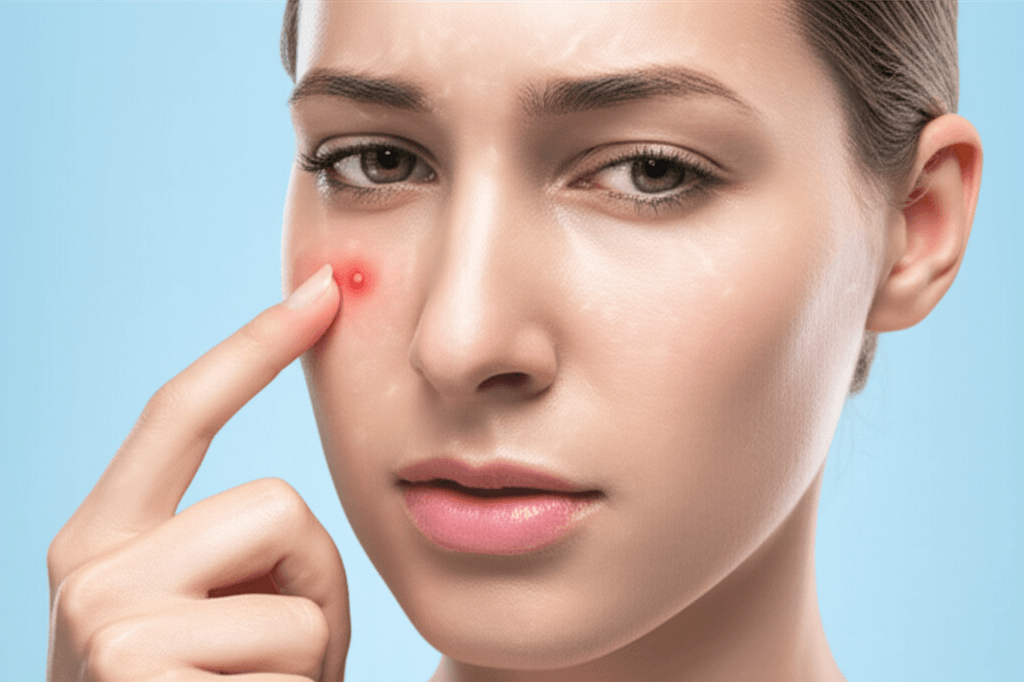
Have you ever felt a painful bump deep under your skin on your face, neck, upper chest, or back? When you press on it gently, it feels like a small ball, but you cannot see any whitehead on the surface. Sometimes it feels sore and tender when you touch it. That is what doctors call a blind pimple, or a nodular or cystic acne spot forming beneath the outer layer of your skin.
Dealing with skin bumps that refuse to pop can be frustrating and confusing. Unlike regular surface pimples, these stubborn spots hide deep within your pores and require a completely different approach to healing. In this complete guide, we will break down everything you need to know about blind pimples in simple, friendly, and easy-to-understand English so you can care for your skin safely.
Key Takeaways About Blind Pimples.
- Hidden Under Skin: Blind pimples form deep inside hair follicles without a visible white or black head on top.
- Never Pop Them: Squeezing or forcing a blind pimple pushes bacteria deeper, causing severe swelling, infection, and permanent scars.
- Use Warm Compresses: Applying a clean warm washcloth for ten minutes helps the trapped fluid drain naturally.
- Common Triggers: Hormonal changes, genetics, stress, and heavy skincare products often block pores and trigger these bumps.
- When to Get Help: See a doctor or dermatologist if the pain is severe, returns often, or leaves deep nodules.
BMI Calculator
Know your body mass index (BMI) and weight classification
What Is a Blind Pimple?
Simply put, a blind pimple is a type of acne that develops underneath your skin. Unlike other common pimples, these bumps do not form a visible whitehead or blackhead on the surface. Instead, they often appear as red, swollen lumps that grow deep within your skin layers.
Sometimes, a blind pimple will slowly move closer to the surface over a few days and turn into a regular pimple with a visible pus-filled head. However, many blind pimples never come to a head at all. They stay hidden beneath your skin and eventually fade away on their own over time.
These deep bumps usually appear on your face, upper back, or chest. If you run your finger gently across your skin, you might feel a small lump underneath. However, you cannot always feel every single blind pimple just by touch.
Blind pimples can feel quite painful and cause unwanted stress. Fortunately, there are safe ways to treat them. Simple steps like warm compresses and gentle topical creams can help shrink these bumps safely.
The most important rule is to never squeeze, pick, or press on a blind pimple! Doing so can make your skin condition much worse and lead to permanent acne scars.
Who Is Most Likely to Get Them?
Anyone can develop blind pimples at some point in their life. However, teenagers and young adults experience these deep acne spots much more often due to natural body changes.
This vulnerability typically starts around age twelve to fifteen and continues into young adulthood. Even so, people of any age can still get them. If other people in your family struggle with acne, you have a higher chance of developing these hidden bumps too.
How Common Are Blind Pimples?
Doctors cannot give an exact number for how many people get blind pimples because they usually occur alongside other types of acne. Acne is one of the most common skin conditions in the world, affecting tens of millions of people in the United States alone.
Millions of people worldwide deal with clogged pores and acne breakouts every single day. Understanding that you are not alone can make managing skin blemishes much easier.
Why Do Blind Pimples Happen?
Blind pimples form in the exact same way as other acne breakouts. When your skin pores become trapped or blocked, trouble begins. Doctors refer to these pores as hair follicles.
Your pores can get clogged by a combination of several normal substances:
- Bacteria: Tiny germs that live naturally on your skin can multiply inside blocked pores.
- Dead skin cells: Old skin cells shed constantly and can get stuck inside pore openings.
- Hair: Tiny facial or body hairs can trap oils inside the follicle.
- Sebum: Your body produces an oily substance called sebum to keep your skin naturally moist and protected.
What Causes Pores to Block?
When your body produces too much sebum, or if you do not clean your skin properly, oil and dead skin cells get trapped underneath. This trapped material forms pus, creating a blocked pimple. The pressure inside creates soreness, tenderness, and visible swelling.
Several everyday factors can cause your body to produce extra sebum and block your pores:
- Family history: If your parents had acne and blind pimples, you are much more likely to get them too.
- Hormonal changes: Puberty brings major hormone shifts that trigger extra oil production. For women, menstrual cycles and pregnancy can also make acne flare up.
- Certain medicines: Some prescription drugs, such as corticosteroids, can cause blind pimples to form or worsen.
- Heavy sweating: Activities that make you sweat heavily—especially while wearing tight helmets, hats, or tight athletic clothing—can trap sweat and oil in your pores.
- Heavy skincare products: Using thick lotions, heavy creams, or oily makeup can clog your pores quickly.
- Stress: Emotional stress and anxiety increase your body's cortisol levels. Doctors call cortisol the stress hormone, and it can boost oil production and trigger breakouts.
You might get just one or two blind pimples at a time. In more severe cases, some people develop many deep bumps that last for months. Doctors call severe deep acne nodular acne. These painful blind pimples fill with pus and bacteria, feeling very firm and hard beneath the skin.
What Are the Symptoms?
Blind pimples have a few clear warning signs that set them apart from regular surface breakouts:
- A small lump or bubble felt beneath the skin. Sometimes you can only feel it when pressing lightly with your finger.
- Soreness, tenderness, or discomfort right around the bump and in the surrounding tissue.
- Local swelling and redness in the area where the pore is blocked.
Some whiteheads and blackheads actually start deep inside as blind pimples before pushing their way up through the skin layers. A red bump eventually forms, and a visible head may appear in the center. This head can look white, yellow, or dark.
Identifying Them and Seeing a Doctor.
You can usually spot a blind pimple on your own by feeling a tender lump beneath your skin. However, if the pain becomes severe, if you develop multiple deep bumps, or if they keep coming back over and over, you should see a doctor.
Your primary doctor can examine your skin closely. They may also refer you to a specialized skin doctor known as a dermatologist for advanced treatment options.
Home Remedies for Blind Pimples.
If your blind pimple feels mild with very little pain or swelling, you can treat it safely right at home. Try these simple steps to reduce the deep pain and swelling:
- Apply a warm compress: Soak a clean washcloth in warm water—make sure it is comfortably warm and not hot enough to burn your skin! Hold the warm cloth gently against the pimple for about ten minutes. Repeat this a few times every day. The gentle warmth helps dissolve the trapped oil and pus, encouraging the bump to shrink or rise to the surface.
- Use an acne patch: Special pimple patches or hydrocolloid stickers often contain helpful ingredients like salicylic acid. When you place this small sticker directly over the bump, it releases medicine into your skin slowly over several hours. Always follow package instructions carefully to avoid skin irritation.
- Try natural remedies: Pure, raw honey has natural antibacterial properties that help calm redness and soothe swelling. You can also dab a tiny drop of diluted tea tree oil onto the blind pimple twice a day to help reduce inflammation.
- Use over-the-counter creams and gels: Antibiotic creams, retinoids, and salicylic acid washes help clear away bacteria and dry out blemishes. Many effective treatments contain benzoyl peroxide. Ask your pharmacist or doctor which product fits your skin type best.
Important: If you have more than one blind pimple, if they keep returning often, or if they cause severe pain, you should visit a doctor for professional evaluation. Getting repeated deep pimples is a sign of more severe acne that needs care from a dermatologist. Your doctor may prescribe oral medicine or specialized treatments.
Why Squeezing Is Harmful.
Never, ever try to squeeze, pop, or pinch a blind pimple! When you squeeze a deep bump, you push the trapped oil, bacteria, and dead skin cells even deeper into your skin tissue. This makes the swelling much worse and increases your risk of developing a serious skin infection. Squeezing blind pimples also leads directly to permanent acne scars. Leave the pimple alone so it can heal naturally.
Can You Prevent Blind Pimples?
You may not be able to prevent every single blind pimple. However, you can lower your chances of getting them and stop existing ones from getting worse by following these daily habits:
- Keep your skin clean: Wash your face gently every morning, every night, and after you sweat heavily. Use a mild, fragrance-free cleanser.
- Leave them alone: Avoid touching, rubbing, or squeezing blind pimples so they do not become more irritated.
- Choose skin products wisely: Make sure your makeup, lotions, and sunscreens are labeled non-comedogenic. This means the products are specifically designed not to clog your pores. Always check product labels before buying.
What Else to Know About Blind Pimples.
With proper care, blind pimples usually clear up and disappear within one to two weeks. However, some stubborn bumps can linger beneath your skin for months, causing ongoing discomfort and soreness.
In severe cases, trapped oils and dead skin cells travel deep inside plugged follicles, trapping bacteria and creating painful infections.
When to See a Doctor right away.
You should schedule an appointment with a medical professional if you notice any of these situations:
- You develop multiple blind pimples, or they heal and then return constantly.
- The pain, tenderness, or swelling becomes severe and hard to manage.
- You develop signs of a wider infection, such as a fever or chills. Seek emergency medical care right away by calling 911 (US/Canada), 999 (UK), or going to your nearest Emergency Department (ER or A&E) if you experience signs of a severe spreading skin infection accompanied by systemic illness.
| Safe Practices (Do's). | Harmful Actions (Don'ts). |
|---|---|
| Apply warm compresses for 10 minutes to ease pain and encourage natural drainage. | Never squeeze, pop, or force open a blind pimple under your skin. |
| Use non-comedogenic skincare products that won't clog your pores. | Do not scrub your face harshly with rough washcloths or abrasive scrubs. |
| Wash your face twice daily with a gentle cleanser. | Avoid touching or picking at your skin throughout the day with unwashed hands. |
💡 Take-Home Message.
Blind pimples can feel very painful and annoying. Fortunately, most of these deep bumps heal nicely within a week or two with proper care. If you have several blind pimples or suffer from ongoing pain and swelling, talk to your doctor or visit a dermatologist.
Remember never to squeeze or pop a blind pimple, because doing so only makes the problem worse. Wash your face twice daily with a gentle cleanser, avoid heavy oil-based makeup, and give your skin the gentle care it deserves!






No comments yet. Be the first to share your question or experience below.