
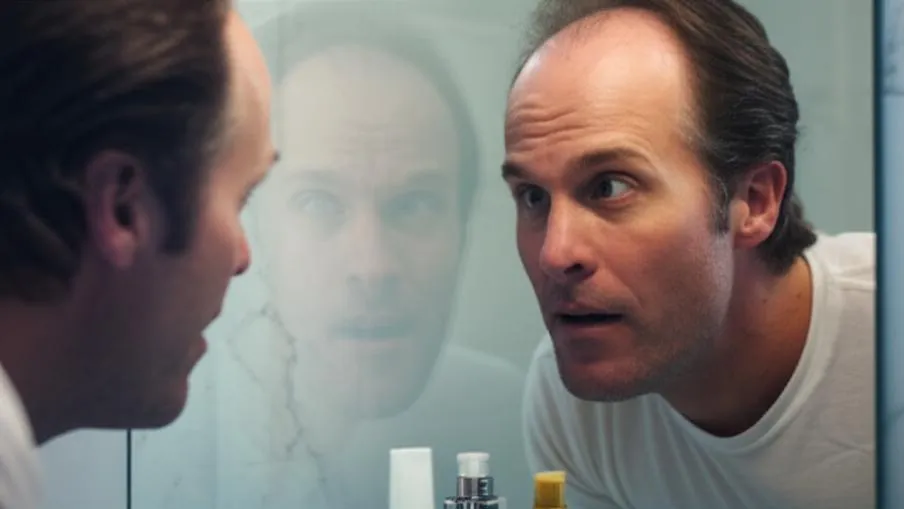
You look in the mirror on a busy morning. You pull a hairbrush through your locks and see a thick clump of strands left behind. A quiet worry crosses your mind. Are you starting to lose your hair? Is your once full head of hair getting thinner day by day?
You are certainly not alone in having these thoughts. Millions of people around the world face this exact issue every single day. Hair thinning can feel stressful, and it often shakes your self-confidence. But you do not need to panic or lose hope completely.
Modern medicine has come a long way. Today, doctors have reliable tools to slow down hair loss, stop it completely in many cases, and even help you regrow hair you thought was gone forever. Let us walk through the most common treatments, how they work, and whether they can truly help you.
Key Takeaways for Your Hair Health
- Hair thinning is very common, and effective medical treatments are available today.
- Minoxidil and Finasteride are the two most scientifically proven treatments for pattern hair loss.
- You need patience because visible hair growth results usually take at least four months.
- Always consult a qualified doctor before starting any oral medicine or major hair loss routine.
- Sudden hair shedding can signal an underlying health issue that requires professional medical testing.
What Are the Main Medical Treatments for Thinning Hair?
When you speak with a medical professional about hair loss, they will usually point you toward specific therapies backed by strong scientific research. Let us examine the two primary treatments that doctors around the world prescribe most often for thinning hair.
1. Minoxidil
Minoxidil is widely known as the gold standard for topical hair loss treatment. It is the only over-the-counter medicine approved by major regulatory bodies like the United States Food and Drug Administration (FDA) for both men and women. You do not even need a doctor's prescription to buy it at your local pharmacy.
However, you should keep realistic expectations in mind. Minoxidil works best on areas where your hair is thinning out rather than on completely bald spots where hair follicles have been dormant for years. Scientists believe that Minoxidil works by improving blood flow to your scalp and waking up resting hair follicles so they start producing hair strands again.
- How to apply it: Minoxidil usually comes as a liquid solution or a light foam. You apply it directly to your dry scalp in the thinning areas twice every single day. Massage it in gently with your fingertips and wash your hands afterward.
- Patience is essential: You will not see new hair grow overnight. It takes time for your follicles to cycle through. You must wait at least four months of consistent daily use before you notice any visible difference in your hair density.
- Who is it best for? People under the age of 40 who have noticed hair thinning starting within the last few years tend to get the absolute best results from this treatment.
- Possible side effects: Most people tolerate Minoxidil very well with zero issues. However, a small number of users may experience mild scalp redness, itching, dryness, or flaking. Higher strength formulas, such as the 5% concentration, can sometimes make skin irritation slightly more noticeable.
2. Finasteride
Finasteride is a prescription pill that you take by mouth every day. To understand how it works, you need to know a little bit about male hormones. A specific hormone called dihydrotestosterone, or DHT, is the main culprit behind male pattern hair loss. Finasteride works inside your body by blocking the enzyme that creates DHT.
By lowering the amount of DHT circulating in your system, this medicine protects your hair follicles from shrinking. Finasteride is sold under various brand names, such as Propecia. Because it is a powerful systemic medicine, you must have a prescription from a licensed doctor to obtain it.
- How to take it: You swallow one small pill daily, exactly as your doctor directs. Sometimes, a doctor will recommend using Finasteride alongside topical Minoxidil to tackle hair loss from two different angles at the same time.
- How well it works: Finasteride has a very high success rate in clinical studies. Out of 100 men who take it, about 90 men successfully stop their hair from thinning further. Also, roughly two-thirds of those men actually regrow a noticeable amount of hair on their scalp.
- Potential side effects: Because the medicine alters hormone levels, some users worry about side effects. A small percentage of men may experience temporary sexual side effects, such as reduced libido or erectile dysfunction. These occurrences are generally rare. If they do happen, the symptoms almost always disappear completely once you stop taking the medicine. However, it can take up to three months for your body to return to normal after stopping. Never hesitate to talk openly and honestly with your doctor about any concerns you have.
| Treatment Type | How You Use It / Success Rate / Key Medical Note |
|---|---|
| Minoxidil | How You Use It: Topical liquid or foam applied to scalp Success Rate: Successful for roughly 2 out of 3 users Key Medical Note: No prescription needed. Stops working if you quit. Takes 4+ months to show results. |
| Finasteride | How You Use It: Daily oral prescription pill Success Rate: Stabilizes hair loss in about 90% of men Key Medical Note: Requires a doctor's prescription. Rare sexual side effects can occur. |
Do Biotin and Laser Combs Actually Work?
If you search online or watch television, you will see countless advertisements for special hair growth supplements, shampoos, and glowing laser gadgets. It is very easy to feel confused by all the marketing noise. Let us look at what medical science actually says about these popular products.
Biotin and Other Vitamins
Biotin is a B-complex vitamin that plays a vital role in your overall metabolic health. Your body needs it to convert food into energy. You get plenty of biotin naturally from eating everyday foods like egg yolks, whole grains, yeast, and liver.
It is true that a severe biotin deficiency can cause hair loss. But does taking extra biotin pills magically make your hair grow thicker when your nutrient levels are already normal? Almost certainly not. Clinical research has never found solid proof that taking high-dose biotin supplements stops hair thinning or speeds up growth in people who do not have a deficiency.
Low Level Laser Therapy (LLLT)
You have likely seen laser combs, motorized hairbrushes, and bulky plastic helmet hoods advertised for hair loss. The theory behind these devices is that low-level laser light penetrates your scalp tissue, energizing cellular activity in your hair follicles to stimulate growth.
While the physics sound interesting on paper, medical experts agree that current scientific evidence is simply too weak. There are very few rigorous, large-scale clinical trials proving that laser combs or caps can reliably stop hair loss or regrow a full head of hair on their own.
Do You Need to See a Doctor for Hair Loss?
Yes, absolutely. Many people assume hair thinning is just an inevitable part of aging and ignore it completely. However, if your hair starts falling out suddenly in clumps, or if you notice patchy bald spots appearing overnight, you should never brush it aside.
Rapid or unusual hair shedding is often a sign of an underlying medical condition. Your body uses your hair as an indicator of internal health. Some common medical reasons for sudden hair loss include:
- Underlying systemic illnesses or autoimmune conditions.
- Side effects from prescription medicines or medical treatments.
- Iron deficiency anemia (low red blood cell count).
- Vitamin D deficiency.
- Thyroid gland disorders (hypothyroidism or hyperthyroidism).
- Severe physical or emotional stress, such as a major surgery or life event.
A trained doctor can run simple blood tests to check your vitamin levels, hormone balance, and thyroid function. Once you treat the root cause of the problem, your hair shedding often slows down or stops on its own. Visiting a doctor first saves you time and money by preventing you from buying unproven products.
When to Seek Emergency Medical Attention
While gradual hair thinning is rarely an emergency, certain warning signs require immediate medical evaluation at your nearest Emergency Department (ER / A&E) or by calling emergency services (such as 911 in the US or 999 in the UK):
- Sudden, patchy hair loss accompanied by severe scalp pain, burning, or blistering.
- Hair loss occurring alongside sudden unexplained weight changes, severe fatigue, or fever.
- Complete loss of body hair, eyebrows, or eyelashes in addition to scalp hair.
- Severe allergic reactions (hives, facial swelling, breathing difficulty) after applying a topical hair product.
💡 Take-Home Message
To wrap things up, let us review the most important points to keep in mind regarding your hair health:
- Hair thinning is a manageable condition with proven medical treatments available today.
- Minoxidil and Finasteride remain the two most reliable, scientifically backed treatments for pattern hair loss.
- Always consult your doctor before starting oral medicines like Finasteride to ensure they are safe for you.
- Results take time. You must exercise patience and commit to consistent treatment for several months.
- Supplements like biotin and home devices like laser combs lack strong clinical proof for general hair loss.
- If you experience rapid or severe hair shedding, see a doctor right away to check for underlying health conditions.






No comments yet. Be the first to share your question or experience below.