
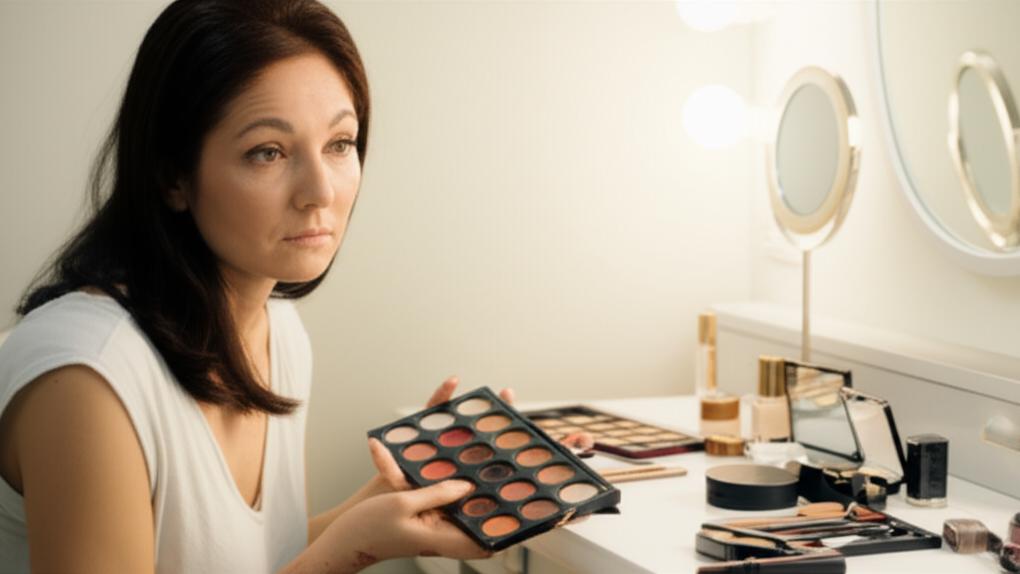
Picture this: you are getting ready for a special evening out, and you reach into your vanity drawer for that gorgeous lipstick or shimmering eyeshadow palette you bought a few years ago. It still looks pretty, smells somewhat familiar, and you figure makeup lasts forever anyway, right? Many of us treat our favorite cosmetic products as permanent fixtures in our beauty routines, rarely stopping to wonder if they have an expiration date.
However, just like the food in your refrigerator, cosmetics have a distinct shelf life. When that shelf life ends, your favorite beauty products can transform from skin-enhancing tools into breeding grounds for harmful bacteria and fungi. Using expired makeup can lead to frustrating skin breakouts, stubborn eye infections, and painful allergic reactions. Today, we are going to dive deep into everything you need to know about makeup expiration so you can keep your skin glowing, healthy, and safe.
Key Takeaways: Makeup Expiration and Skin Safety
- Cosmetics do not necessarily become toxic overnight, but their preservatives break down over time, reducing their quality and safety.
- Always check for printed expiration dates and the Period After Opening symbol, which looks like a small open jar marked with months like 6M or 12M.
- Using your fingers to apply makeup introduces oils, bacteria, and moisture directly into the product, accelerating microbial growth.
- Store your beauty products in a cool, dry place away from direct sunlight, high heat, and bathroom humidity to preserve their active ingredients.
- If your makeup changes in color, texture, separation, or strange odor, discard it right away to prevent skin irritation and infections.
BMI Calculator
Know your body mass index (BMI) and weight classification
Understanding Makeup Shelf Life
To keep your skin safe, you must first understand what happens when makeup ages. When we say a makeup product goes bad, it does not always mean it instantly turns toxic or harmful. Instead, it means the product loses its original quality, performance, and protective effectiveness.
In simple terms, the manufacturer designs a cosmetic to perform at its absolute best for a specific duration under normal conditions. This is what medical professionals and cosmetic chemists call the shelf life. Once you open that product and expose it to air, light, and skin microbes, that countdown begins.
After a product expires, you might notice visible changes. Your liquid foundation might separate into strange layers, your favorite lipstick might develop an unusual rancid smell, or your mascara might dry out completely and crumble into dust. These changes happen because the chemical compounds, oils, and preservatives inside the formula break down over time.
What Makes Makeup Go Bad Quickly?
The rate at which your makeup spoils depends heavily on how you handle, apply, and store your products every day. With proper care and hygiene habits, you can protect your skin and maximize the lifespan of your cosmetics. However, everyday habits often introduce invisible dangers.
Using Your Fingers
One of the most common habits in makeup application is dipping unwashed fingers directly into liquid foundation pots, cream highlighters, or jar containers. Unfortunately, our hands and fingers naturally carry invisible bacteria, fungi, and natural skin oils.
When you touch your makeup pots with bare fingers, these microscopic organisms transfer directly into the container. Over time, these bacteria overwhelm the preservatives designed to protect the formula. This causes the product to spoil much faster than expected. Whenever possible, opt for clean makeup sponges, silicone spatulas, or freshly washed synthetic brushes.
Keeping Brushes and Tools Clean
Every single time you apply makeup, your brushes pick up dead skin cells, natural oils, and bacteria from your face. When you dip that same brush back into your powder or liquid product, you create a continuous cycle of contamination.
This is why washing your makeup brushes, sponges, and blending tools at least once a week is non-negotiable for healthy skin. If you skip this routine, bacteria and yeast multiply rapidly inside the brush bristles. Applying dirty tools to your face can easily trigger severe acne breakouts, fungal rashes, and stubborn skin infections.
Storing Makeup Correctly
Where you store your cosmetics plays a massive role in their longevity. Many people store their makeup sets right on bathroom countertops or inside warm, humid bathroom cabinets. However, environmental factors can ruin your products in record time.
Makeup deteriorates much faster when exposed to several environmental stressors:
- Direct sunlight streaming through a window or sitting on a sunny vanity.
- High ambient temperatures and scorching summer heat.
- Air exposure caused by loosely capped or unsealed bottles.
- Frequent temperature fluctuations, such as leaving cosmetics inside a parked car.
- Excessive moisture and humidity, especially in steamy bathrooms.
Expert Storage Tip: Store your valuable cosmetics in a cool, dry, and dark location, such as a bedroom drawer or a dedicated vanity cabinet away from bathroom steam and windows. Proper storage prevents oil separation in foundations and keeps cream formulas from melting or drying out prematurely.
How to Find the Exact Expiration Date
Determining whether your cosmetics are safe to use involves looking for two key indicators on the packaging:
1. Printed Expiration Date: Many skincare-infused cosmetics and sunscreens feature a clearly stamped expiration date on the crimp of a tube or on the outer carton. Once that specific date arrives, you should discard the product, regardless of whether you have opened it.
2. Period After Opening Symbol: This is the most crucial guide for standard makeup. Look closely at your product container or outer box for a tiny icon shaped like an open cosmetic jar. Inside or next to this jar, you will see a number followed by the letter M for months, such as 6M, 12M, or 24M. If your new mascara has a 6M symbol, it means the formula remains safe and effective for exactly six months after you first open the seal.
To help you track your products, here is a helpful reference table outlining standard Period After Opening guidelines for common cosmetic categories:
| Product Category | Average Period After Opening |
|---|---|
| Mascara and Liquid Eyeliner | 2 to 4 months |
| Liquid Foundation and Concealer | 6 to 12 months |
| Cream Blush and Cream Eyeshadow | 6 to 12 months |
| Powder Products (Face powder, blush, powder eyeshadow) | Up to 24 months (2 years) |
| Lipstick and Lip Gloss | 12 months (1 year) |
| Pencil Eyeliner and Lip Liner | 12 months (easily maintained by regular sharpening) |
More Tips for Healthy Skin
Maintaining clear, healthy skin requires more than just washing your face at night. You must also practice rigorous hygiene regarding your beauty toolkit and product selection.
1. Pay Attention to Sensory Changes
Always inspect your makeup before application. If you notice any noticeable shift in color, a strange chemical smell, or a complete alteration in texture, discard the product right away without hesitation. For example, if your favorite mascara dries out and starts clumping into stiff, dry flakes, never attempt to revive it by adding tap water, saliva, or eye drops. Adding liquids introduces harmful bacteria, turning your mascara tube into a breeding ground that can easily cause severe eye infections like conjunctivitis or corneal abrasions.
2. Never Share Your Makeup
It can be tempting to share a stunning lipstick or a gorgeous eyeshadow palette with a close friend before a night out. However, sharing cosmetics creates a direct pathway for transmitting contagious infections. Sharing lip products can easily spread cold sores caused by the herpes simplex virus. This sharing eye makeup can transmit bacterial conjunctivitis and staph infections. If you test cosmetics at retail counters, always request a disposable applicator and swatch the product on the back of your hand rather than your face or lips.
3. Avoid Second-Hand or Discount Mystery Makeup
Browsing online marketplaces or clearance flea markets for heavily discounted brand-name makeup can feel like a great bargain. Unfortunately, these purchases carry significant health risks. You cannot verify how long the product has sat in storage, whether it was exposed to extreme heat, or if it has been previously used and repackaged. Also, many ultra-cheap online cosmetics are counterfeit products containing toxic heavy metals, lead, and unsafe chemical dyes that can permanently damage your skin and health.
When to Seek Emergency Medical Attention
Using expired or contaminated makeup can sometimes trigger severe allergic reactions or acute bacterial infections requiring urgent medical evaluation. Seek immediate medical care at your nearest Emergency Department or call 911 in the US and Canada or 999 in the UK if you experience any of the following emergency red flags:
- Sudden, severe swelling of the eyelids, lips, face, or tongue accompanied by difficulty breathing or swallowing.
- Intense eye pain, extreme sensitivity to light, blurred vision, or pus discharge coming from the eye.
- Rapidly spreading, painful skin redness accompanied by blisters, warmth, or fever.
- Widespread hives or blistering covering a significant portion of your body after applying a cosmetic product.
💡 Take-Home Message
To ensure your beauty routine remains safe and skin-friendly, keep these core principles in mind:
- Always check the printed expiration date and the Period After Opening symbol on every cosmetic product you own.
- Store your makeup collection in a cool, dry place away from direct sunlight, high heat, and bathroom humidity.
- Wash your hands before applying makeup, and clean your brushes and sponges at least once a week to prevent bacterial buildup.
- Never share your makeup products, especially mascara, eyeliner, and lipstick, with friends or family members.
- Discard any cosmetic product right away if you notice changes in color, texture, consistency, or unusual odor.
- If you develop persistent skin irritation, rashes, or eye discomfort after using a product, stop use right away and consult your doctor or dermatologist.





No comments yet. Be the first to share your question or experience below.