

Have you ever looked at your routine lipid profile lab report and wondered what triglycerides actually mean? Your doctor may have mentioned them during a checkup, or you might have spotted the term while reviewing your test results online. While most people are familiar with cholesterol, triglycerides often remain a mystery. Today, we will explore what triglycerides are, why they matter for your overall health, and what happens when your levels creep too high, all explained in simple, friendly terms.
Heart health is something we build every single day through the choices we make in the kitchen, during our workouts, and at our doctors' offices. Understanding your blood test results is one of the most powerful steps you can take to protect your future well-being. Let's break down this important health topic together so you feel confident and informed.
Key Takeaways About Triglycerides.
- Triglycerides are a type of fat found in your blood that your body uses for energy between meals.
- Extra calories, sugar, and alcohol are quickly converted into triglycerides and stored in your fat cells.
- High triglyceride levels can raise your risk for serious conditions like heart disease, stroke, and pancreatitis.
- Lifestyle changes such as regular exercise, a balanced diet, and losing excess weight can lower your levels effectively.
- Routine blood tests are essential because high triglycerides rarely cause noticeable symptoms on their own.
What Are Triglycerides?
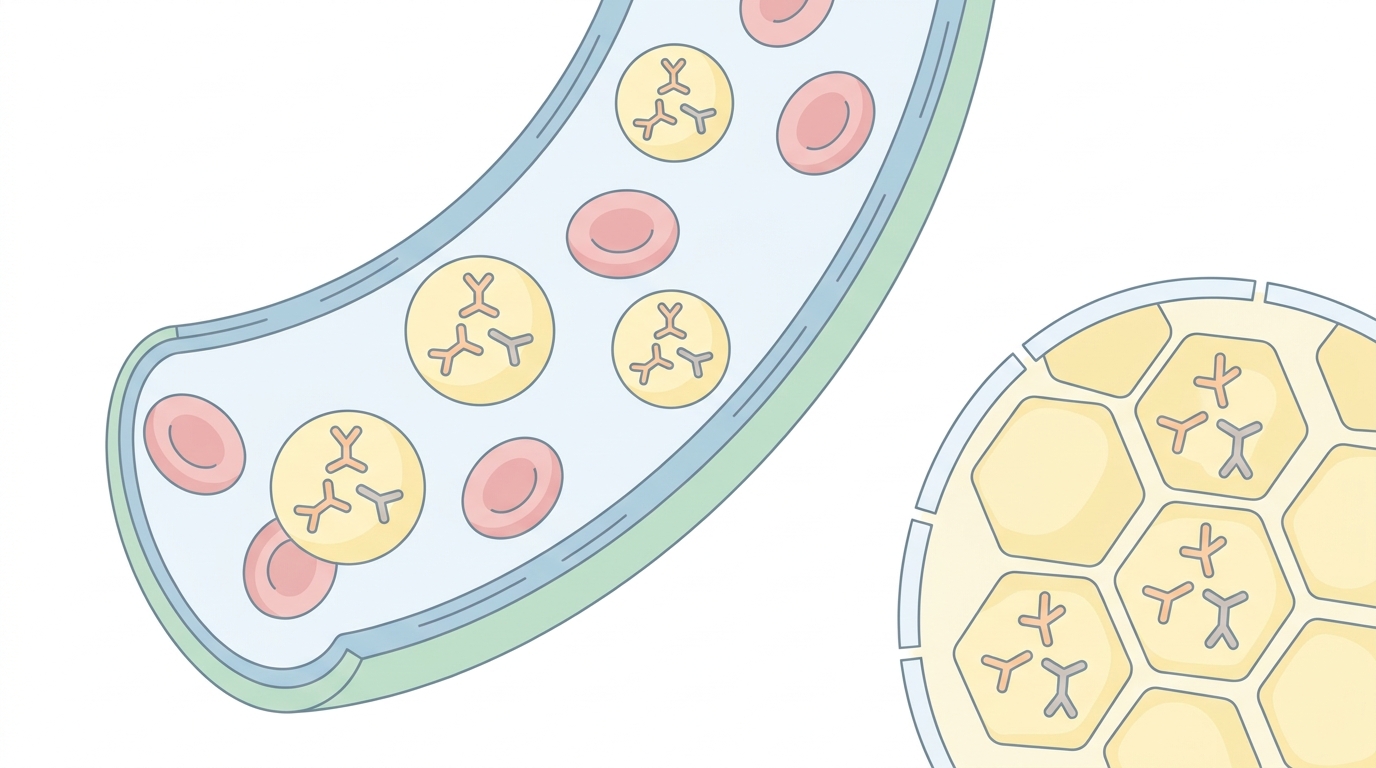
Simply put, triglycerides are the most common type of fat found in your body. When you eat butter, cooking oils, and other fatty foods, your body processes them primarily as triglycerides. Beyond fats from your diet, any extra calories you eat are also converted into triglycerides.
Think of your body like a well-stocked kitchen pantry. When you bring home groceries from the store, you store them on shelves to use later when you need to cook a meal. In the same way, your body stores extra triglycerides inside your fat cells.
When your body needs an energy boost between meals or during physical activity, it releases these stored triglycerides into your bloodstream to fuel your muscles. This means triglycerides are completely normal and actually vital for your daily survival.
However, problems begin when your triglyceride levels stay too high over a long period. This medical condition is known as hypertriglyceridemia. When you have too many triglycerides circulating in your blood, your risk of developing heart disease and blood vessel disorders increases greatly.
High levels are linked to dangerous events like heart attacks and strokes. In the United States and globally, millions of people deal with elevated triglyceride levels. Making simple adjustments early can protect your long-term cardiovascular health.
Triglycerides vs. Cholesterol: What Is the Difference?
Many people mix up triglycerides and cholesterol because both are types of lipids found in your bloodstream. However, they serve very different biological functions in your body.
- Triglycerides are actual fats. Their primary job is to store unused energy from your food and supply your body with fuel between meals.
- Cholesterol is not a fat. It is a waxy, fat-like substance produced mainly by your liver. Your body needs cholesterol to build healthy cell walls, produce vital hormones, support your nervous system, and help digest food.
In short, triglycerides provide your body with usable energy. This cholesterol acts as a building block for your cells and hormones. Both are measured together on a standard lipid panel to give your doctor a complete picture of your heart health.
How Do Triglycerides Travel Through Your Blood?
Cholesterol and triglycerides cannot dissolve or travel through your watery blood on their own. To solve this, your liver packages them together with special proteins called lipoproteins. These protein carriers act like transport vehicles, moving fats safely through your bloodstream to the tissues that need them.
There are several distinct types of lipoproteins:
- Very low-density lipoproteins (VLDLs): These particles primarily carry triglycerides from your liver out to your body tissues. High VLDL levels often point to elevated triglycerides.
- High-density lipoproteins (HDLs): Commonly known as "good cholesterol," HDL travels through your blood picking up excess cholesterol and carrying it back to your liver for removal.
- Low-density lipoproteins (LDLs): Often called "bad cholesterol," high levels of LDL can build up inside your artery walls and cause dangerous blockages over time.
When your doctor evaluates your lab work, they look at the balance between VLDL, HDL, and LDL to understand your overall cardiovascular risk profile.
Triglyceridemia Ranges: Normal and High Values.
Your doctor classifies your blood triglyceride levels based on standard measurements. These values are typically measured in milligrams per deciliter (mg/dL) or millimoles per liter (mmol/L):
- Normal Level: Less than 150 mg/dL (under 1.7 mmol/L).
- Borderline High Level: 150 to 199 mg/dL (1.7 to 2.2 mmol/L).
- High Level: 200 to 499 mg/dL (2.3 to 5.6 mmol/L).
- Very High Level: 500 mg/dL (5.7 mmol/L) or higher.
For children and teenagers between the ages of 10 and 19, a normal triglyceride level is generally under 90 mg/dL. Total cholesterol is calculated by combining your triglyceride, HDL, and LDL numbers.
If your triglycerides and LDL cholesterol are high while your protective HDL cholesterol is low, your combined risk for heart attacks and strokes goes up. To get accurate results, your lab work usually requires fasting for 8 to 12 hours beforehand.
Are There Symptoms of High Triglycerides?
This is the most critical and surprising fact about lipid disorders. Just like high cholesterol, having high triglycerides almost never causes any noticeable symptoms in the early stages.
You can feel completely healthy, energetic, and fine while your blood work shows dangerously elevated numbers. This is why routine preventive screenings and annual physical exams are so important for catching silent risk factors early.
If you wait until physical symptoms appear, you might miss the window for easy prevention. However, in rare cases where triglyceride levels spike to extreme heights—such as over 1,000 mg/dL—visible fatty skin deposits called xanthomas or sudden abdominal pain can occur.
Complications of High Triglycerides.
Leaving high triglycerides unmanaged over many years can lead to serious health complications that affect major organs throughout your body:
- Acute Pancreatitis: This is a severe, painful inflammation of your pancreas, an organ crucial for digestion. Extremely high triglycerides can trigger this life-threatening medical emergency.
- Coronary Artery Disease (CAD): Fat deposits build up inside the arteries that supply blood to your heart muscle, raising your heart attack risk.
- Carotid Artery Disease: Narrowing of the major blood vessels in your neck that supply blood to your brain.
- Peripheral Artery Disease (PAD): Reduced blood flow to your legs and feet caused by narrowed arteries.
- Stroke: Blocked or damaged blood vessels in the brain that can disrupt normal neurological function.
- Metabolic Syndrome: A dangerous cluster of conditions including high blood pressure, high blood sugar, excess waist fat, and abnormal cholesterol levels.
Common Causes of Elevated Triglycerides.
Many different lifestyle habits and medical conditions can cause your triglyceride levels to rise. Recognizing these triggers helps you take corrective action:
- Heavy Alcohol Consumption: Drinking large amounts of alcohol has a powerful effect on raising blood triglycerides.
- Poorly Managed Diabetes: High blood sugar levels often drive up triglyceride counts in people with type 2 diabetes.
- Dietary Habits: Eating large amounts of added sugars, refined carbohydrates, sugary beverages, and saturated fats.
- Inactivity: Lack of regular physical exercise and a sedentary daily routine.
- Excess Body Weight: Having a Body Mass Index (BMI) of 25 or higher.
- Kidney and Liver Disease: Underlying organ dysfunctions that interfere with normal lipid processing.
- Thyroid Disorders: An underactive thyroid gland, known as hypothyroidism.
- Certain medicines: Drugs like water pills (diuretics), beta-blockers, steroids, retinoids, and certain HIV therapies.
- Smoking and Inflammatory Conditions: Chronic inflammation and tobacco use further damage your blood vessels.
Risk Factors That Increase Your Chances.
Some people are naturally more vulnerable to high triglycerides due to inherited traits or life stages:
- Family History: Having parents or siblings with high cholesterol or high triglycerides.
- Menopause: Hormonal shifts after menopause can cause triglyceride levels to rise in women.
- Pregnancy: Natural hormonal changes during pregnancy temporarily elevate blood lipid levels.
- Inherited Lipid Disorders: Genetic conditions passed down through families that impair fat breakdown.
- South Asian Ancestry: Studies show certain ethnic populations face a higher baseline cardiovascular risk.
How Often Should You Get Tested?
Routine screening schedules depend on your age, family history, and personal health profile. Adults should follow professional medical guidelines to stay protected.
Testing Guidelines for Adults.
- Healthy adults in their 20s, 30s, and early 40s should have their cholesterol and triglycerides checked every 4 to 6 years.
- If you have diabetes, a family history of heart disease, or other risk factors, your doctor will recommend more frequent testing.
- Men aged 45 and older and women aged 55 and older benefit greatly from annual screening panels.
- If you are already taking medicine for abnormal lipids or have established heart disease, your cardiologist will set a custom testing schedule.
Do Children Need Lipid Testing?
Yes, children can also have elevated lipid levels. Pediatricians typically recommend routine cholesterol and triglyceride screening between ages 9 and 11, and again during late adolescence between ages 17 and 21. If a child has a strong family history of early heart disease or high cholesterol, testing may begin as early as age 2.
⚠️ When to Seek Emergency Medical Attention.
Extremely high triglycerides can cause acute pancreatitis, a life-threatening medical emergency. Seek immediate emergency care by calling 911 (US/Canada), 999 (UK), or going to your nearest Emergency Department (ER) if you experience severe, persistent upper abdominal pain radiating to your back, accompanied by nausea, vomiting, fever, or a rapid pulse. Also seek emergency help right away for chest pain, sudden weakness, facial drooping, or difficulty speaking.
How to Prevent and Lower Triglycerides Naturally.
The great news is that you can greatly lower your triglyceride levels through targeted lifestyle changes. Here are the most effective steps you can take:
- Get Moving Daily: Aim for at least 30 minutes of moderate aerobic exercise most days of the week, such as brisk walking, swimming, or cycling.
- Eat a Heart-Healthy Diet: Choose fiber-rich foods like vegetables, fresh fruits, whole grains, and fatty fish rich in omega-3 fatty acids while cutting back on sugary snacks and refined flour.
- Limit Alcohol: Reduce or completely eliminate alcohol consumption, as even small amounts can spike triglycerides in sensitive people.
- Manage Chronic Conditions: Keep your blood pressure and blood sugar tightly controlled with your doctor's guidance.
- Lose Excess Weight: Dropping even 5% to 10% of your body weight can create dramatic improvements in your lipid panel.
- Prioritize Sleep: Get 7 to 8 hours of quality sleep every night to support your metabolic health.
- Quit Smoking: Avoid all tobacco and nicotine products to protect your blood vessels from further injury.
| Healthy Habits (Do's). | Habits to Limit or Avoid (Don'ts). |
|---|---|
| Eat plenty of fresh vegetables, leafy greens, and whole grains. | Avoid sugary sodas, energy drinks, and packaged sweets. |
| Choose healthy fats like olive oil, avocado, and fatty fish (salmon). | Limit heavy alcohol consumption and binge drinking. |
| Exercise regularly with brisk walks, cardio, or strength training. | Avoid prolonged sedentary habits and sitting all day without breaks. |
| Maintain a healthy weight and nutritious portion sizes. | Do not ignore annual routine blood tests and physical exams. |
Medical Treatments for High Triglycerides.
When lifestyle modifications alone are not enough to bring your numbers down into a safe range, or if you have a high overall risk of heart disease, your doctor may prescribe medicine.
Common pharmaceutical options include statins to manage overall cholesterol, prescription-strength omega-3 fatty acid supplements, fibrates to lower VLDL production, and niacin in specific cases. Always talk with your doctor to find the safest and most effective treatment plan for your body.
A Note from Dr. Priya Sammani.
Navigating your lab results can sometimes feel overwhelming, but remember that knowledge is your greatest asset. High triglycerides are very common and, in most cases, highly responsive to consistent lifestyle adjustments and medical guidance. Do not wait for symptoms to appear. Schedule your routine checkups, talk openly with your doctor, and take small, positive steps every single day toward a healthier heart. Your future self will thank you.


💬 Comments (0)
No comments yet. Be the first to share your thoughts here.
Add Your Comment