
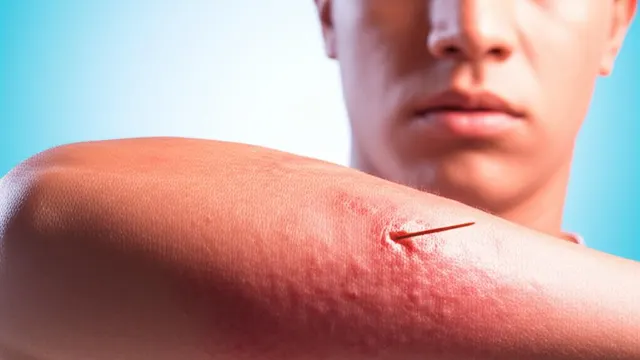
Picture this in your mind. You are walking barefoot across the green grass in your backyard on a warm, sunny afternoon. Or maybe you are gently pruning the blooming rose bushes in your garden. Suddenly, you feel a sharp, unexpected pinch on your skin. You look down and realize a honeybee, a wasp, or a hornet has stung you.
For most people, this results in a mild, annoying ache that fades away after a few hours with a bit of ice. But for some people, a single insect sting can trigger a fast, frightening, and potentially life-threatening reaction. Understanding bee sting allergies can save a life—maybe even your own or a loved one's.
Let us walk through everything you need to know about bee stings. We will explore how to spot danger signs, what first aid to use for everyday stings, and how to stay safe when you are enjoying the great outdoors.
Key Takeaways
- Most Stings Are Mild: Local redness, mild swelling, and itching around the sting site are normal and usually resolve on their own within a few hours.
- Watch for Anaphylaxis: Widespread hives, swelling of the lips, tongue, or throat, and difficulty breathing are red flags of a severe allergic reaction requiring emergency care.
- Call Emergency Services Right away: If you or someone nearby experiences severe symptoms, call 911 (US/Canada) or 999 (UK) or go to the nearest emergency room right away.
- Carry an Epinephrine Auto-Injector: If you know you have a severe allergy, always keep your prescribed epinephrine device (like an EpiPen) with you at all times.
- Prevention Is Key: Wear shoes outdoors, avoid swatting at bees, cover outdoor drinks, and protect your skin when gardening.
Know your body mass index (BMI) and weight classification
Is It a Normal Sting or a Serious Allergy? How to Tell the Difference
Let us start by understanding what a normal reaction looks like. When a honeybee or wasp stangs you, it injects venom into your skin. For most people, the sting site turns red, swells up a little bit, and aches or stings for a few hours. You might also feel some mild itching around the area.
This is a normal immune response. It is uncomfortable, but it is not dangerous. It stays localized right where the sting happened, and it goes away without any special medical treatment.
However, some people have bodies that are extremely sensitive to insect venom. Their immune systems overreact dramatically to the foreign proteins in the venom. This dangerous, body-wide reaction is called anaphylaxis. Simply put, it is a severe medical emergency that can threaten your life.
A person can develop this severe allergy at any time in their life. Even if you have been stung before with no problems at all, your immune system can suddenly decide to react violently during your next sting.
The most important thing you can do is learn to recognize the early warning signs of a severe allergic reaction. Knowing these signs lets you act quickly before the situation becomes life-threatening.
| Dangerous Symptom | What This Means For Your Body |
|---|---|
| Widespread itching and red, raised hives all over your body. | This shows that the allergic reaction is spreading far beyond the sting site. It is a clear warning sign of a systemic reaction. |
| Swelling of your face, lips, tongue, or throat. | This is extremely dangerous. If your throat swells shut, your airway closes up, and you will not be able to breathe properly. |
| Difficulty breathing, shortness of breath, or chest tightness. | This happens when your airways narrow or your lungs react strongly to the circulating venom proteins. |
| A harsh, raspy voice, or wheezing sounds when you breathe. | This points directly to swelling in your upper airway and your vocal cords. |
| Sudden dizziness, lightheadedness, or feeling like you might faint. | Your blood pressure drops rapidly during this time. This is a classic sign of anaphylactic shock. |
| Stomach cramps, severe nausea, vomiting, or diarrhea. | An allergic reaction can also affect your digestive system and cause intense abdominal distress. |
What to Do in a Medical Emergency
Imagine that you or someone near you has just been stung by a bee, and one or more of the severe symptoms listed above start to appear. You must understand clearly that this is a medical emergency. There is no time to waste.
Every single minute matters when a person experiences anaphylaxis. Taking quick action can save a life.
- Call Emergency Services Right Away: The first and most important step is to call 911 if you are in the United States or Canada, or 999 if you are in the UK. Get the person to the nearest hospital emergency department as fast as possible.
- Use Your Epinephrine Auto-Injector: If you have a known severe allergy and a doctor previously prescribed an epinephrine auto-injector—such as an EpiPen or Auvi-Q—use it right away. Follow the exact instructions provided with your device. Most people with severe allergies are advised to carry two auto-injectors with them at all times.
- Going to the Hospital Is Mandatory: Even if the epinephrine shot makes the symptoms fade away quickly and you start feeling better, you still must go to the hospital right away. The powerful medicine in the auto-injector wears off after a short time. When it wears off, the severe allergic reaction can return with full force. Professional medical observation in a hospital is essential.
🚨 Emergency Red Flags: When to Call 911 or 999
If a bee sting victim shows trouble breathing, swelling in the mouth or throat, dizziness, confusion, widespread hives, or a weak and rapid pulse, do not wait. Call emergency services right away or rush to the nearest emergency department. Every second counts in an anaphylactic reaction.
What to Do for Normal Swelling, Itching, and Pain
Now, let us look at a much more common scenario. Suppose you were stung, and you only have local redness, mild swelling, and itching right at the sting site. There are no body-wide symptoms or breathing trouble. In this case, you can treat the sting safely at home using simple first aid steps:
- Apply a Cool Compress: Wrap a few ice cubes in a clean cloth or towel. Place the cold pack gently over the sting site. Leave it on for about 10 minutes, then take it off for 10 minutes. Repeat this process a few times. Never put ice directly on your bare skin, as extreme cold can damage your skin tissue. Also, avoid putting heat on the sting.
- Elevate the Area: If the sting is on your arm or your leg, try to keep that limb propped up above the level of your heart. If you are resting, you can place a pillow underneath your arm or leg. This simple step helps reduce painful swelling.
- Use Helpful Medicines: Talk to your doctor or pharmacist about taking an over-the-counter oral antihistamine. Antihistamines help block the chemicals in your body that cause itching and swelling. You can also apply a mild hydrocortisone cream to soothe your skin. Always check with your doctor before taking new medicines, especially if you take other drugs or have underlying health conditions.
How to Prevent Bee Stings
As the old saying goes, prevention is better than cure. The best way to deal with a bee sting allergy is to avoid getting stung in the first place. You can lower your risk of bee stings greatly by following these smart everyday habits:
- Never walk barefoot across lawns, parks, or grassy fields where bees and wasps forage for food.
- If a bee or wasp lands near you, stay calm. Do not swat at it wildly, scream, or run away frantically. Sudden movements frighten the insect and make it much more likely to sting. Instead, move your hands slowly or wait patiently until the insect flies away on its own.
- Be very careful when drinking sweetened beverages outdoors, especially from open soda cans, juice boxes, or cups. Wasps and bees love sweet liquids and often crawl inside containers unseen.
- Keep your outdoor trash cans securely covered and tightly sealed so insects do not gather around garbage.
- Be mindful of what you wear and use. Certain strong perfumes, scented colognes, scented hairsprays, and bright floral clothing can attract stinging insects.
- When you are working in your yard or garden, protect your skin by wearing sturdy shoes, thick socks, long pants, long sleeves, and gardening gloves.
- Install fine mesh screens on your home windows and doors to keep insects outside. When you drive your car, keep your windows rolled up.
If You Know You Have an Allergy...
If you already know from past experience or allergy testing that you have a dangerous allergy to bee stings, you need to take extra precautions. Talk with your doctor to put a clear emergency plan in place:
1. Always Carry Your Epinephrine Auto-Injector: Discuss with your doctor whether you should carry an epinephrine auto-injector with you wherever you go. Make sure you know how to use it correctly, and check its expiration date regularly.
2. Wear a Medical Alert Bracelet: Consider wearing a medical alert bracelet or necklace that clearly states your insect allergy. In a sudden emergency where you might be unable to speak, this vital information helps paramedics and doctors treat you right away.
3. Ask About Allergy Shots (Immunotherapy): Talk to your doctor or an allergist about a specialized treatment called allergen immunotherapy, commonly known as allergy shots. During immunotherapy, a doctor gives you tiny, carefully measured amounts of insect venom over a long period. This gradually trains your immune system to tolerate the venom. If you get stung in the future after completing this treatment, your risk of a severe, life-threatening reaction drops dramatically.
Take-Home Message
Summary of Key Points
- Most bee stings are mild, causing only temporary local pain, redness, and minor swelling.
- Widespread hives, facial swelling, breathing difficulties, and dizziness are signs of anaphylaxis, a dangerous medical emergency.
- If you notice severe allergic symptoms after a sting, seek emergency medical care right away by calling 911 or 999.
- If you have a known severe insect allergy, always carry your prescribed epinephrine auto-injector and wear medical identification jewelry.
- Practice outdoor safety habits like wearing shoes, avoiding scented products, and remaining calm around bees to reduce your risk of stings.
Sources & References:
- Mayo Clinic. (2025). Bee stings: Symptoms and causes. Retrieved from Mayo Clinic patient care guidelines.
- Cleveland Clinic. (2024). Insect Stings and Anaphylaxis: First Aid and Treatment. Health Essentials.
- National Health Service (NHS UK). (2024). Insect bites and stings: Treatment and emergency advice.
- Centers for Disease Control and Prevention (CDC). (2025). Stinging Insects: Safety, Prevention, and Health Risks. US Department of Health and Human Services.
- National Institutes of Health (NIH). (2023). Venom Immunotherapy and Anaphylaxis Management in Clinical Practice. PubMed Central.





No comments yet. Be the first to share your question or experience below.