
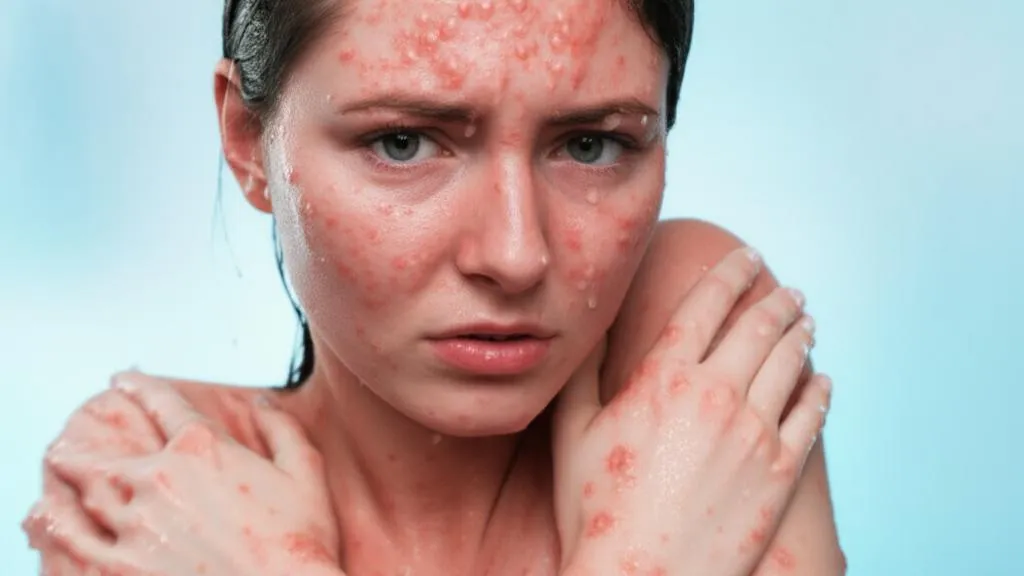
Imagine stepping into a warm shower or getting caught in a sudden afternoon rain shower, only to feel your skin flare up with intense burning, itching, and raised red hives just minutes later. Sounds surprising, right? Most of us think of water as the ultimate source of hydration and relief, but for a small number of people, it acts as a trigger for a rare and puzzling condition known medically as aquagenic urticaria (often called a water allergy).
Have you ever wondered how someone's skin could react to the very substance that makes up the majority of our bodies? What do you think happens when every droplet touches the skin? We doctors see many unusual skin conditions, but this one always catches people off guard. Let's break this down together and explore what aquagenic urticaria really is, why it happens, and what you can do about it.
📌 Key Takeaways
- Rare Condition: Aquagenic urticaria causes hives and itching whenever the skin touches water, regardless of its temperature or purity.
- Not a True Allergy: Unlike standard food or pollen allergies, it is not an IgE-mediated immune reaction; instead, it is believed to involve a reaction between water and substances within the skin.
- Diagnosis: Doctors typically diagnose this through a simple physical test involving a room-temperature water compress applied to the chest.
- Management: Treatment usually involves antihistamines, barrier creams, and sometimes specialized light therapy to help you live comfortably.
Daily water intake calculator. Get your personalised hydration target adjusted for body weight, activity level, and climate.
What is Aquagenic Urticaria?
When we talk about aquagenic urticaria, we are referring to a very rare form of physical urticaria. Just think about it for a second—water touches your skin every single day, whether you are washing your hands, drinking a glass of water, or going for a swim. For someone with this condition, however, any liquid contact triggers a skin reaction within 10 to 30 minutes.
Unlike cold urticaria (where cold temperatures trigger hives) or cholinergic urticaria (triggered by sweat and body heat), aquagenic urticaria reacts strictly to the liquid itself. The temperature of the water does not matter. Whether it is ice-cold tap water, warm shower water, or even your own sweat and tears, the skin reaction can still occur. Pretty surprising, right?
Why Does It Happen? Causes and Triggers
Have you ever asked yourself what actually causes such a strange reaction? We doctors get asked that question all the time. While research is ongoing, experts believe that aquagenic urticaria is not a traditional allergic reaction where your immune system attacks a harmless protein.
Instead, the current leading theory suggests that a substance dissolved in water interacts with sebum (the natural oil produced by your skin glands) or other components within the outer layers of the skin. This interaction creates a toxic or irritating substance that your skin's mast cells recognize as a threat. Once those mast cells are activated, they release histamine—the chemical responsible for redness, swelling, and that intense, maddening itch.
Just like we said a moment ago, it can be triggered by almost any aqueous liquid. Common triggers include:
- Rain, snow, or mist
- Bathing, showering, or washing dishes
- Sweating from exercise or hot weather
- Tears and saliva
- Swimming in pools or oceans
Symptoms of Aquagenic Urticaria
Recognizing the signs early can help you get answers from your Primary Care Physician (PCP) or family doctor much faster. The symptoms usually appear very quickly—often within 15 minutes of water touching the skin—and typically fade away within 30 to 60 minutes after you dry off.
Common symptoms include:
- Small, Defined Hives: Raised, red, or pale wheals (welts) that appear right where the water touched the skin.
- Intense Itching (Pruritus): A deep, burning itch that can make it hard to concentrate.
- Skin Redness (Erythema): General flushing or redness around the affected areas.
- Localized Discomfort: Most commonly affects the neck, upper chest, and arms, though it can appear anywhere on the body.
Now, let's look at how these clinical features compare across different presentations:
| Feature | Typical Presentation / What You Should Do |
|---|---|
| Onset Time | Typical Presentation: 10 to 30 minutes after water contact What You Should Do: Gently pat dry immediately and note the timing |
| Duration | Typical Presentation: Usually fades within 30–60 minutes post-drying What You Should Do: Avoid scratching to prevent secondary skin infections |
| Common Locations | Typical Presentation: Neck, upper chest, and arms What You Should Do: Wear barrier clothing and gentle fabrics |
| Systemic Signs | Typical Presentation: Rare, but can include wheezing if water is swallowed What You Should Do: Seek urgent medical evaluation if breathing is affected |
How Doctors Diagnose This Condition
Remember we talked about this earlier? Because aquagenic urticaria is so rare—affecting less than one in a thousand people—getting a proper medical evaluation is essential. When you visit your local NHS GP clinic, family doctor, or Primary Care Physician, we will start with a thorough medical history.
To confirm the diagnosis, doctors often perform a simple clinical test right in the office. We apply a compress of room-temperature distilled water to your upper chest or back for about 20 minutes. If you develop classic hives and itching in that exact spot while other areas remain clear, it points strongly toward aquagenic urticaria.
We will also run tests or ask questions to rule out other conditions, such as dermographism (skin writing), cholinergic urticaria, or systemic mastocytosis, to make sure we have the exact right diagnosis.
Available Treatments and Management Options
While there is no permanent cure for aquagenic urticaria, there are several effective ways to manage the symptoms and protect your skin. Treatment plans are tailored to how severe your symptoms are and how often you encounter triggers.
Common management strategies include:
- Antihistamines: Non-drowsy over-the-counter antihistamines (such as cetirizine or loratadine) taken daily can help block the histamine release and reduce hives.
- Barrier Creams: Applying petrolatum-based ointments or barrier creams before showering can create a protective layer between your skin and the water.
- Phototherapy: Ultraviolet (UV) light therapy prescribed by a dermatologist has been shown in some patients to desensitize the skin over time.
- Topical Treatments: Corticosteroid creams or soothing lotions to calm acute itching episodes.
✔️ Do's and ❌ Don'ts
- Do consult your family doctor or a dermatologist for a formal diagnosis before starting any new regimen.
- Do use barrier ointments or oils before bathing to minimize direct water contact with the epidermis.
- Do wear soft, breathable cotton clothing to reduce friction on sensitive skin.
- Don't scrub your skin vigorously after washing; always pat dry gently with a soft towel.
- Don't ignore worsening symptoms or difficulty breathing—seek prompt medical care if systemic signs appear.
🚨 When to Seek Emergency Care (Red Flags)
If you notice any of these warning signs, don't wait — call your local emergency number right away (911 in the US/Canada, 999 in the UK, 112 in Europe, or 000 in Australia) or go to the nearest hospital Emergency Department (ER / A&E):
- Difficulty breathing, shortness of breath, or wheezing after drinking water or showering.
- Swelling of the lips, tongue, throat, or face (angioedema).
- Feeling dizzy, lightheaded, or experiencing a sudden drop in blood pressure.
- Widespread hives covering a major portion of your body accompanied by severe distress.
Living and Coping with Aquagenic Urticaria
Living with a condition that reacts to water can certainly feel overwhelming at first. How do you go about your daily routine when washing up or checking the weather forecast requires extra planning? Makes sense, right? But thousands of people manage this condition successfully every day.
Simple lifestyle adjustments can make a world of difference:
- Limiting shower times to a few minutes using lukewarm water.
- Drinking water through a straw to prevent contact with the lips and surrounding facial skin, if oral sensitivity is an issue.
- Keeping an emergency dose of antihistamines or an epinephrine auto-injector (if prescribed by your doctor) on hand for peace of mind.
- Connecting with patient support groups online or locally to share tips and emotional support.
💡 Take-Home Message
- Aquagenic urticaria is a rare condition causing localized hives and itching upon skin contact with any liquid water.
- It is diagnosed through clinical water challenge tests and managed with antihistamines and skin barriers.
- Always consult your healthcare provider to create a personalized safety and treatment plan.




No comments yet. Be the first to share your question or experience below.