

Have you ever heard the word triglycerides from your doctor or seen it on a blood test report? These are a type of fat found in your blood that your body needs for daily energy. However, having too many of them can cause serious heart problems over time. Let us explore this topic in simple terms to help you protect your heart.
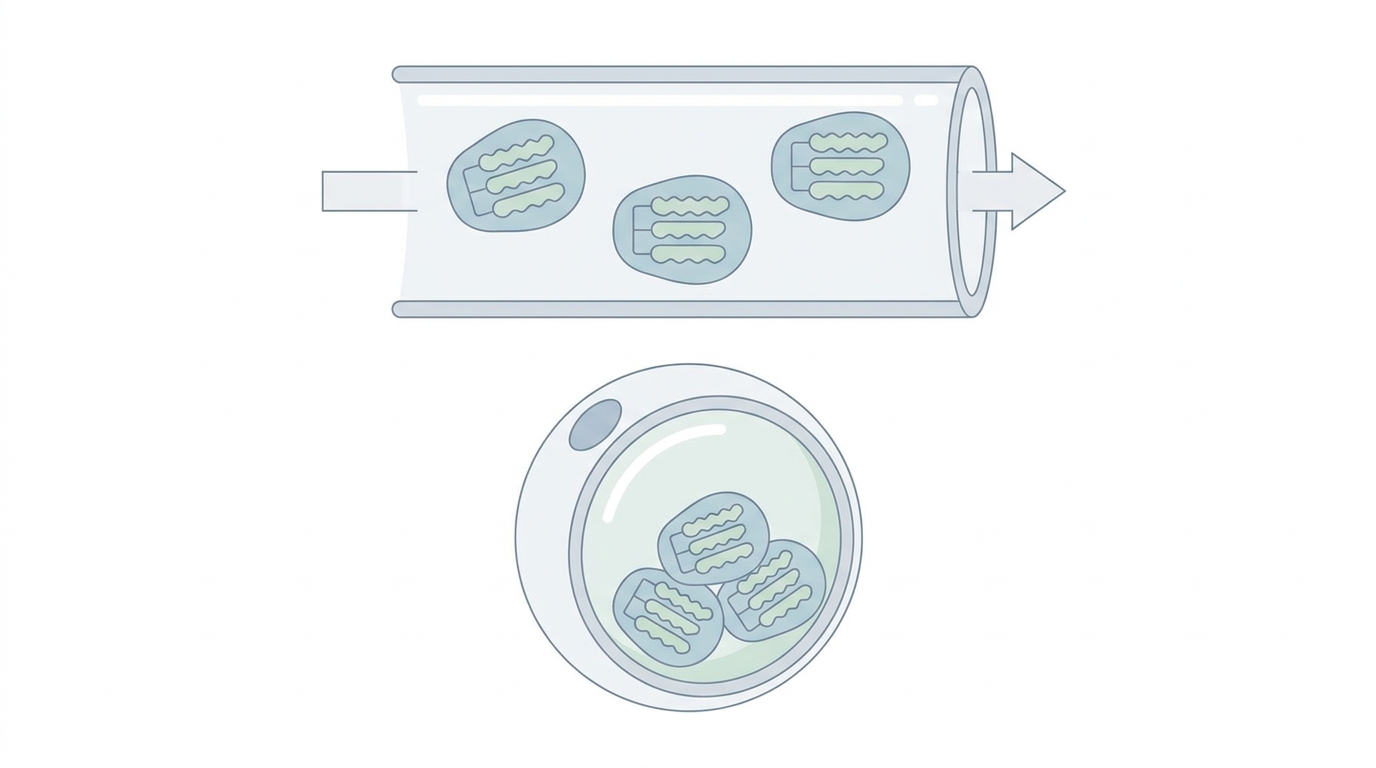
When you eat extra food, especially fatty foods, sweets, or refined carbohydrates, your body turns the extra calories into triglycerides. It stores these fats in your fat cells to use for energy later between meals. But when your blood test shows high levels, it is a sign that you need to make changes to protect your blood vessels and heart.
- Triglycerides are a type of fat in your blood used for energy storage.
- High levels can increase your risk of heart disease and stroke.
- An optimal triglyceride level is below 100 mg/dL. This normal is under 150 mg/dL.
- You can lower your levels through healthy diet changes, weight loss, and regular exercise.
- Always talk to your doctor to find out the exact cause of high blood fats.
Heart disease risk
Check the risk of developing a heart disease within the next 10 years with the Framingham Score
What Are Triglycerides and Why Are They Connected to Heart Disease?
Triglycerides are essentially the main form of fat stored in your body. When you eat, your digestive system breaks down food and converts unused calories into these fatty molecules. They circulate in your bloodstream to provide fuel for your muscles and organs.
Problems arise when you eat more calories than you burn off through physical activity. Your body packs away the extra energy as stored fat, raising your blood triglyceride numbers. Chronically elevated levels put a heavy strain on your cardiovascular system.
High Blood Triglycerides: Understanding Hypertriglyceridemia
When your blood test shows a high level of triglycerides, doctors call this condition hypertriglyceridemia. If left untreated, this condition can damage your blood vessels and heart over time. Managing this condition is a key part of preventing long-term cardiovascular issues.
Research shows that having high triglycerides increases your risk of heart problems. For example, if your reading stays above 200 mg/dL, your risk of dying from heart disease can be greatly higher compared to someone with normal levels. Taking action early helps you stay healthy.

Clinical vitamins and nutritional supplements
Clinically proven high quality vitamins, minerals and immune nutritional supplements.
Check Availability →The Connection Between Triglycerides and Atherosclerosis
Scientists continue to study the exact links between high blood fats and heart health. However, doctors know that higher triglyceride levels increase your chances of developing atherosclerosis. This is a condition where your arteries slowly narrow and harden.
Atherosclerosis happens when fatty deposits called plaque build up inside your artery walls. Think of it like rust building up inside an old water pipe, making the opening smaller. This buildup restricts normal blood flow throughout your body.
This plaque buildup can lead to several dangerous medical conditions:
- Carotid artery disease: Plaque builds up in the main arteries leading to your brain, which can cause a stroke.
- Coronary artery disease: Plaque narrows the arteries supplying blood to your heart muscle, which is the main cause of heart attacks.
- Peripheral artery disease: Plaque affects blood flow to your arms and legs, causing pain when walking and slow-healing wounds.
Without proper treatment over the years, these blocked arteries can lead to severe life-threatening events like a heart attack or stroke.
Is High Triglycerides Considered a Heart Disease?
Having high triglycerides is not a heart disease by itself. Instead, it acts as a major risk factor that makes heart disease much more likely to develop. Your chances of having a cardiac event go up when these numbers stay high.
You have likely heard of cholesterol, which is another type of fat in your blood. High levels of "bad" LDL cholesterol also contribute to heart disease risk. Many people have both high triglycerides and high cholesterol at the same time, which multiplies the overall danger to your heart.
Do Triglycerides Directly Block Your Blood Vessels?
Triglycerides do not stick directly to your artery walls to form plaque by themselves. Instead, they interact with other processes in your metabolism. When your body breaks down fats and lipoproteins, small leftover particles remain in your bloodstream.
These leftover particles can cause low-level inflammation in your blood vessel walls. This inflammation attracts cholesterol and white blood cells, creating an environment where plaque can grow. Therefore. This triglycerides do not form the plaque alone, they help create the dangerous conditions that cause it.
What Triglyceride Level Puts Your Heart at Risk?
Doctors consider a triglyceride level above 200 mg/dL to be high, increasing your risk of heart problems. You should aim to keep your reading below 150 mg/dL to maintain a healthy standard.
To give your heart the best protection, striving for a level under 100 mg/dL is even better. This is known as the optimal level for long-term cardiovascular health.
Important Note: These numbers are general guidelines. Your personal target level depends on your age, overall health, and other medical conditions. Always talk to your doctor to find out what target is right for you.
How to Lower Triglycerides Quickly and Safely
Making changes to your diet and daily habits can lower your triglycerides within a few months. However, the first step is to find out why your levels are high in the first place. Several different medical and lifestyle factors can cause hypertriglyceridemia:
- Dietary factors: Eating too many sugary foods, refined carbs, and drinking alcohol.
- Lifestyle habits: Lack of exercise, smoking, and carrying excess body weight.
- Underlying health issues: Diabetes, kidney disease, or an underactive thyroid gland.
- Certain medicines: Birth control pills, steroids, or some blood pressure drugs.
As soon as you learn your numbers are high, schedule an appointment with your doctor. They will review your medical history and run tests to pinpoint the exact root cause.
Your doctor will then help you create a safe plan to bring your numbers back to normal. If your levels are extremely high (above 500 mg/dL), they may also prescribe medicine to protect your pancreas and heart.
Diet Changes to Lower Triglycerides
To cut down your triglyceride levels, you must limit four main food groups known as the "four major enemies":
- Alcohol: Even small amounts can raise blood triglyceride levels quickly.
- Unhealthy fats: Saturated fats found in fatty meats and trans fats found in processed baked goods.
- Simple carbohydrates: White bread, white rice, pasta, noodles, biscuits, and cakes made with refined flour.
- Sugars: Table sugar, brown sugar, sugary sodas, sweetened fruit juices, and candies.
Adjusting Your Food Choices by Category
Here is how you can modify your daily meals across five main food groups:
Fruits:
- Choose fresh fruits whenever possible.
- Pick frozen fruit with no added sugar or canned fruit packed in its own juice, draining the juice before eating.
- Limit dried fruits like raisins and dates to a quarter cup per day because their sugar is very concentrated.
- Avoid adding extra sugar or sweet syrups to your fruit.
Vegetables:
- Limit starchy vegetables like potatoes, sweet potatoes, corn, and certain beans to half a cup per meal.
- Keep a baked potato portion to about the size of the palm of your hand.
- Eat plenty of leafy green and fiber-rich vegetables like cabbage, broccoli, and spinach.
Grains:
- Choose whole grains like barley, bulgur, oats, and millet.
- Pick breakfast cereals that contain at least 5 grams of dietary fiber per serving and less than 8 grams of sugar.
- Add whole-wheat bread, brown rice, and whole-wheat pasta to your meals.
- Check food labels to ensure whole grains are listed as the first ingredient.
- Limit refined grains made from white or enriched flour.
Proteins:
- Eat fish rich in omega-3 fatty acids, such as salmon, mackerel, and tuna, at least twice a week.
- Choose lean meats like skinless chicken breast and turkey, avoiding red meat, sausages, and bacon.
- Remove the skin from poultry before cooking.
- Include legumes like lentils, chickpeas, and mung beans as healthy protein sources.
Dairy:
- Choose light yogurt sweetened with artificial sweeteners or plain unsweetened yogurt instead of regular varieties.
- Select low-fat or fat-free milk and cheese products.
Always read food labels when shopping. Many packaged foods contain hidden sugars under different names. Limit or avoid products that list these simple sugars among their first ingredients:
- Sucrose .
- Glucose .
- Fructose .
- Corn syrup .
- High-fructose corn syrup .
- Maltose .
- Honey (natural, but still raises blood sugar if used in large amounts) .
- Molasses .
Be careful with items labeled "fat-free." While reducing dietary fat is important, fat-free desserts often contain much more sugar and calories than regular versions. Choose fresh fruit or healthy alternatives instead.
Lifestyle Changes to Lower Triglycerides
Lifestyle habits play a massive role in managing your blood lipids. Simple daily adjustments can yield wonderful results for your heart health:
- Avoid late-night snacking. Stop eating two to three hours before going to bed.
- Do not skip meals. Skipping meals causes you to overeat during your next sitting.
- Eat small, frequent meals throughout the day to keep your blood sugar stable.
- Exercise regularly. Aim for at least 30 minutes of physical activity five days a week, such as brisk walking, cycling, or swimming.
- Walk more during your daily routine. Park farther away from store entrances or get off public transport one stop early.
- Stop smoking right away. Smoking harms your entire cardiovascular system and worsens heart disease risks.
- Manage your weight. Keep your body mass index (BMI) within the healthy range of 18.5 to 24.9.
- Reduce stress through relaxation techniques like yoga, meditation, listening to music, or enjoying calming hobbies.
| Habit to Adopt (Do) | Habit to Reduce or Avoid (Don't) |
|---|---|
| Eat whole grains, oats, and high-fiber vegetables. | Eat white bread, refined pastries, and sugary snacks. |
| Choose fish, lean poultry, and plant proteins. | Eat processed meats, sausages, and heavy red meat. |
| Exercise for 30 minutes most days of the week. | Live a sedentary lifestyle with little movement. |
| Drink water and unsweetened beverages. | Eat alcohol, sugary sodas, and sweet juices. |
Key Takeaways from This Guide
Triglycerides are essential fats that give your body energy. However, when levels rise too high, they greatly increase your risk of heart disease and stroke.
Important: If a lipid profile blood test shows high triglycerides, schedule an appointment with your doctor right away. Discuss your overall risk factors, such as high blood pressure or diabetes, to make a solid prevention plan.
Consistency is the secret to success. Small daily changes in your diet and exercise habits add up to massive improvements over time. Involve your family and friends in your health goals so they can support and encourage you along the way. Your health is in your hands, and you have the power to make healthy choices every single day.
If you experience sudden chest pain, shortness of breath, sudden weakness or numbness in your face or limbs, or severe dizziness, call 911 (US/Canada), 999 (UK), or go to your nearest Emergency Department right away. These can be signs of a heart attack or stroke requiring immediate medical attention.


No comments yet. Be the first to share your question or experience below.