
What is Melanin? Let's learn about this amazing substance that gives our skin its color!

What is Melanin? Let's learn about this amazing substance that gives our skin its color!
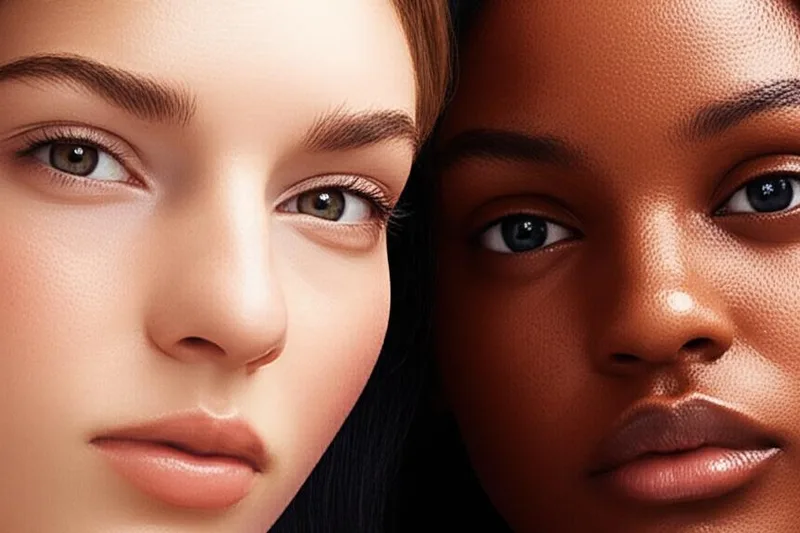
Have you ever wondered how your skin color, hair color, and eye color are determined? Some people have dark skin, some have light skin. Some have jet black hair, and some have brown hair. What causes these color differences? The main one responsible for all of this is called "melanin." Today, we're going to talk about this amazing substance in our bodies called melanin.

What exactly is melanin?

Simply put, melanin is a pigment that occurs naturally in our bodies. It is the substance that gives color to our skin, hair, and eyes. It is produced by a special type of cell in our bodies called "melanocytes." Surprisingly, we all have the same number of melanocyte cells in our bodies. However, the amount of melanin produced by those cells varies from person to person.
  • If you produce too little melanin : Your skin, hair, and eyes may become very light.
  • If you produce too much melanin: Your skin, hair, and eyes will become darker.
Your genes also affect how much melanin your body produces. That's why your skin color is likely determined by your mother's and father's skin color.

So where is this melanin in our body?

Cells that produce melanin can be found in several places in our body.
  • In the deepest layer of our skin
  • In parts of the eye such as the pupil and iris
  • In our hair
  • In some parts of the inner ear
  • In some areas of the brain and adrenal glands

What are the main types of melanin?

There are three main types of melanin in our bodies. Once you know a little about these, you'll understand the secret to our colors.
Melanin type Description and function
Eumelanin This is what gives our skin, hair, and eyes their dark colors . There are two types of this, brown and black. If your hair is black, it is a result of a mixture of black and brown eumelanin. Blonde hair is produced by a little brown eumelanin and the loss of black eumelanin. This type is what helps protect the skin from the sun.
Pheomelanin This type gives color to the pink parts of our body, such as the lips and nipples. Have you seen people with red hair? They have equal amounts of pheomelanin and eumelanin. However, this type does not protect the skin from the sun as well as eumelanin.
Neuromelanin This has nothing to do with our appearance. It controls the color of the neurons in our brain.

Benefits of melanin for our body

Melanin is not just a pigment. It acts as a protector for our body.
  • Protection from UV rays : Melanin helps protect our skin from harmful ultraviolet rays (UVA, UVB, UVC) that come from the harsh sun like in our country. Melanin absorbs these rays and scatters them in the upper layer of the skin. Then, those rays stop penetrating deeper into the skin and causing damage.
  • Protection from Reactive Oxygen Species (ROS): These are harmful particles that are produced during the normal processes of our cells. When these accumulate in the body, they can cause diseases such as premature aging , stress , diabetes , and cancer. Melanin seeks out these harmful particles and destroys them before they can cause harm.

Do people with dark skin also need sunscreen?

This is a big misconception among many people.
Many people think that if you have dark skin, you don't need sunscreen to protect yourself from the sun because you have more melanin. But that's a completely wrong idea.
The truth is, no matter how dark your skin is, the maximum sun protection your melanin provides is about SPF 13. But dermatologists recommend that we all use sunscreen with at least SPF 15. Another misconception is that people with dark skin don't get skin cancer. That's also wrong. Studies have shown that while dark-skinned people are less likely to develop skin cancer than fair-skinned people, the disease is often more advanced when it's diagnosed. Also, skin cancer in dark-skinned people tends to develop in areas that aren't exposed to the sun, such as the palms of your hands and soles of your feet. Therefore, regardless of your skin color, it's important to wear sunscreen every day and have your skin checked by a dermatologist at least once a year. Especially if you notice any new spots, lumps, or changes in your skin, see a doctor.

Diseases associated with melanin

Problems with melanin production can cause various skin conditions.

Albinism

This is a rare condition caused by a very low amount of melanin. These people have white hair, blue eyes, and very pale skin. They may also have vision problems. They must use sunscreen to prevent sun damage. There is no specific treatment for this.

Melasma

This is a condition where brown spots appear on the face. It is believed to be caused by hormones, birth control pills, and sun exposure. It can be controlled with things like sunscreen, prescription creams, and laser treatments.

Vitiligo

This is a condition in which white patches appear on the skin due to the destruction of melanocyte cells. As we all know, there is no specific cure for this, but there are treatments such as creams, UV light therapy, and surgery.

Loss of pigmentation after skin damage

Sometimes the body is unable to produce melanin again in areas that are burned, blistered, or infected. This does not require treatment, but you can cover it with makeup if it is uncomfortable for you.

Parkinson's disease

In this disease, the amount of neuromelanin in the brain decreases as brain cells are destroyed.

Can Melanin Increase? - Let's be aware of risky advertisements

There are prescription medications and special UV light treatments that can stimulate melanin production in the skin for people with conditions like vitiligo. However, you should be very careful with some of the products on the market. There are various supplements, pills, and injections on the market that claim to lighten skin tone. Most of these are not approved by any reputable organization, and are not safe or effective.
  • Tanning pills: These contain a pigment similar to beta-carotene, which gives carrots their orange color. Taking these can give your skin an orange-brown color. However, they do not increase melanin. Also, these excessive pigments can cause eye damage, liver problems, and skin diseases .
  • Injections and nasal sprays: These contain a chemical called melanotan, which is said to increase melanin production, but can cause side effects like nausea and increase the risk of skin cancer .
Therefore, if you have any concerns about your skin tone or melanin production, the best and safest thing to do is to consult a qualified doctor instead of using unproven products available in the market.

Take-Home Message

  • Melanin is a natural pigment that gives color to our skin, hair, and eyes.
  • The amount of melanin is determined by genes, and the body produces more melanin when exposed to sunlight.
  • Although melanin provides some protection from the sun's harmful UV rays, it is not complete protection.
  • Regardless of your skin tone, it is important to use sunscreen with at least SPF 15 daily.
  • Medical treatment is available for melanin-related conditions such as vitiligo and melasma. If you notice any changes in your skin, see a doctor immediately.
  • Avoid using unapproved pills, injections, etc. available on the market that claim to change skin color. They can pose serious health risks.
Melanin, skin color, skin diseases, sunscreen, vitiligo, skin cancer

⚠️ Important: The medical articles and information on Nirogi Lanka are for general awareness only, and are by no means a substitute for professional medical advice, diagnosis, or treatment. For any medical problem you have, consult a qualified physician immediately.

💬 Comments (0)

No comments yet. Be the first to share your thoughts here.

Add Your Comment

Please calculate: 8 + 9 =
What is Melanin? Let's learn about this amazing substance that gives our skin its color!

What is Melanin? Let's learn about this amazing substance that gives our skin its color!

Have you ever wondered how your skin color, hair color, and eye color are determined? Some people have dark skin, some have light skin. Some have jet black hair, and some have brown hair. What causes these color differences? The main one responsible for all of this is called "melanin." Today, we're going to talk about this amazing substance in our bodies called melanin.

What exactly is melanin?

Simply put, melanin is a pigment that occurs naturally in our bodies. It is the substance that gives color to our skin, hair, and eyes. It is produced by a special type of cell in our bodies called "melanocytes." Surprisingly, we all have the same number of melanocyte cells in our bodies. However, the amount of melanin produced by those cells varies from person to person.
  • If you produce too little melanin : Your skin, hair, and eyes may become very light.
  • If you produce too much melanin: Your skin, hair, and eyes will become darker.
Your genes also affect how much melanin your body produces. That's why your skin color is likely determined by your mother's and father's skin color.

So where is this melanin in our body?

Cells that produce melanin can be found in several places in our body.
  • In the deepest layer of our skin
  • In parts of the eye such as the pupil and iris
  • In our hair
  • In some parts of the inner ear
  • In some areas of the brain and adrenal glands

What are the main types of melanin?

There are three main types of melanin in our bodies. Once you know a little about these, you'll understand the secret to our colors.
Melanin type Description and function
Eumelanin This is what gives our skin, hair, and eyes their dark colors . There are two types of this, brown and black. If your hair is black, it is a result of a mixture of black and brown eumelanin. Blonde hair is produced by a little brown eumelanin and the loss of black eumelanin. This type is what helps protect the skin from the sun.
Pheomelanin This type gives color to the pink parts of our body, such as the lips and nipples. Have you seen people with red hair? They have equal amounts of pheomelanin and eumelanin. However, this type does not protect the skin from the sun as well as eumelanin.
Neuromelanin This has nothing to do with our appearance. It controls the color of the neurons in our brain.

Benefits of melanin for our body

Melanin is not just a pigment. It acts as a protector for our body.
  • Protection from UV rays : Melanin helps protect our skin from harmful ultraviolet rays (UVA, UVB, UVC) that come from the harsh sun like in our country. Melanin absorbs these rays and scatters them in the upper layer of the skin. Then, those rays stop penetrating deeper into the skin and causing damage.
  • Protection from Reactive Oxygen Species (ROS): These are harmful particles that are produced during the normal processes of our cells. When these accumulate in the body, they can cause diseases such as premature aging , stress , diabetes , and cancer. Melanin seeks out these harmful particles and destroys them before they can cause harm.

Do people with dark skin also need sunscreen?

This is a big misconception among many people.
Many people think that if you have dark skin, you don't need sunscreen to protect yourself from the sun because you have more melanin. But that's a completely wrong idea.
The truth is, no matter how dark your skin is, the maximum sun protection your melanin provides is about SPF 13. But dermatologists recommend that we all use sunscreen with at least SPF 15. Another misconception is that people with dark skin don't get skin cancer. That's also wrong. Studies have shown that while dark-skinned people are less likely to develop skin cancer than fair-skinned people, the disease is often more advanced when it's diagnosed. Also, skin cancer in dark-skinned people tends to develop in areas that aren't exposed to the sun, such as the palms of your hands and soles of your feet. Therefore, regardless of your skin color, it's important to wear sunscreen every day and have your skin checked by a dermatologist at least once a year. Especially if you notice any new spots, lumps, or changes in your skin, see a doctor.

Diseases associated with melanin

Problems with melanin production can cause various skin conditions.

Albinism

This is a rare condition caused by a very low amount of melanin. These people have white hair, blue eyes, and very pale skin. They may also have vision problems. They must use sunscreen to prevent sun damage. There is no specific treatment for this.

Melasma

This is a condition where brown spots appear on the face. It is believed to be caused by hormones, birth control pills, and sun exposure. It can be controlled with things like sunscreen, prescription creams, and laser treatments.

Vitiligo

This is a condition in which white patches appear on the skin due to the destruction of melanocyte cells. As we all know, there is no specific cure for this, but there are treatments such as creams, UV light therapy, and surgery.

Loss of pigmentation after skin damage

Sometimes the body is unable to produce melanin again in areas that are burned, blistered, or infected. This does not require treatment, but you can cover it with makeup if it is uncomfortable for you.

Parkinson's disease

In this disease, the amount of neuromelanin in the brain decreases as brain cells are destroyed.

Can Melanin Increase? - Let's be aware of risky advertisements

There are prescription medications and special UV light treatments that can stimulate melanin production in the skin for people with conditions like vitiligo. However, you should be very careful with some of the products on the market. There are various supplements, pills, and injections on the market that claim to lighten skin tone. Most of these are not approved by any reputable organization, and are not safe or effective.
  • Tanning pills: These contain a pigment similar to beta-carotene, which gives carrots their orange color. Taking these can give your skin an orange-brown color. However, they do not increase melanin. Also, these excessive pigments can cause eye damage, liver problems, and skin diseases .
  • Injections and nasal sprays: These contain a chemical called melanotan, which is said to increase melanin production, but can cause side effects like nausea and increase the risk of skin cancer .
Therefore, if you have any concerns about your skin tone or melanin production, the best and safest thing to do is to consult a qualified doctor instead of using unproven products available in the market.

Take-Home Message

  • Melanin is a natural pigment that gives color to our skin, hair, and eyes.
  • The amount of melanin is determined by genes, and the body produces more melanin when exposed to sunlight.
  • Although melanin provides some protection from the sun's harmful UV rays, it is not complete protection.
  • Regardless of your skin tone, it is important to use sunscreen with at least SPF 15 daily.
  • Medical treatment is available for melanin-related conditions such as vitiligo and melasma. If you notice any changes in your skin, see a doctor immediately.
  • Avoid using unapproved pills, injections, etc. available on the market that claim to change skin color. They can pose serious health risks.
Melanin, skin color, skin diseases, sunscreen, vitiligo, skin cancer

⚠️ Important: The medical articles and information on Nirogi Lanka are for general awareness only, and are by no means a substitute for professional medical advice, diagnosis, or treatment. For any medical problem you have, consult a qualified physician immediately.

💬 Comments (0)

No comments yet. Be the first to share your thoughts here.

Add Your Comment

Please calculate: 8 + 9 =