
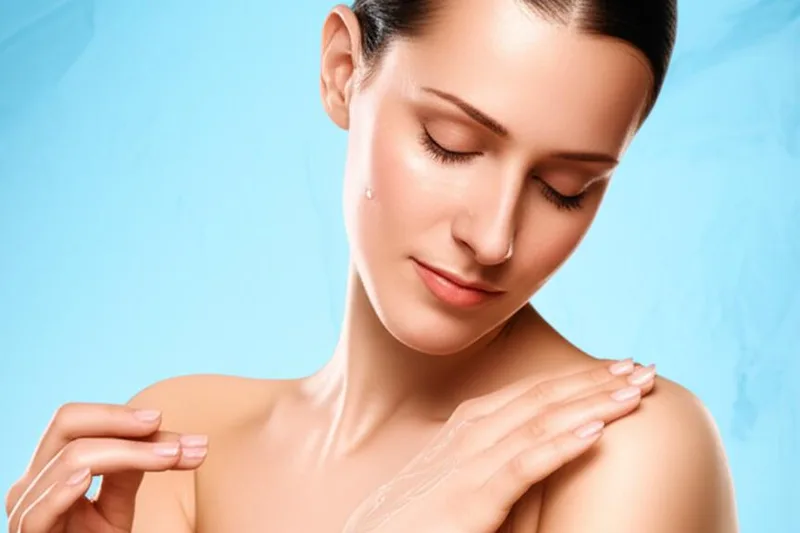
Have you ever read the ingredients list of the bar of soap, face wash, or body lotion you use? If you do, one of the names you'll often see is "glycerin." Although many of us have seen this name, we don't know exactly what glycerin is and what benefits it actually has for our bodies, especially our skin. So today, let's talk about this glycerin.
So, what exactly is glycerin?
Simply put, glycerin is a carbohydrate that belongs to a type of sugar. In medical terms, it is called a sugar alcohol or a polyol. It is an odorless, sweet-tasting, thick liquid. It is like a syrup.
Glycerin is naturally produced by the fermentation of sugars in trees and vines. However, most of the glycerin we use today is produced by subjecting animal or vegetable fats and oils to a special chemical process.
The first recorded human production of glycerin was in 1779. It was discovered by accident by a Swedish chemist named KW Scheele when he was boiling olive oil and a chemical containing lead. He named the thick, sweet liquid "glycerol" after the Greek word "glykos" meaning sweet.
The glycerin used in many products on the market today is 95% pure. Major health agencies around the world, such as the U.S. Food and Drug Administration (FDA), have certified glycerin as safe for human consumption.
What are the health benefits of glycerin?
Glycerin has many different benefits. Let's take a look at the main benefits.
The surprising benefits for our skin
Did you know that glycerin is one of the most effective skin moisturizers ? In medicine, we call it a humectant. That is, an agent that can attract water vapor from the environment and retain moisture where it is .
Imagine, when your skin is dry and flaky, when you apply a cream containing glycerin, what the glycerin does is draw moisture from the air and deliver it to your skin. It also reduces the evaporation of moisture from within the skin.
The outermost layer of our skin is called the stratum corneum. This layer is very important for maintaining moisture in the body. Research has found that glycerin increases the moisture retention capacity of this stratum corneum layer. Not only that, glycerin also helps protect the skin from certain skin irritants. Also, this moisturizing property helps in healing skin wounds quickly.
Relief from constipation
Glycerin has laxative properties, meaning it loosens stool and makes it easier to pass . For this reason, glycerin is also used as a treatment for people with constipation. These usually come in the form of suppositories that are inserted into the rectum.
This works by drawing water into the hard stool in the intestines, softening it, and helping the muscles in the intestines to push the waste out more easily. However, it is not a good idea to continue using these without medical advice.
To improve the players' skills
Some research has shown that glycerin can improve athletic performance. Since glycerin helps the body retain water, it may be beneficial for athletes, especially in situations where dehydration is likely. However, this water retention can also lead to a slight increase in body weight. Some studies have also shown that glycerin, when taken with other supplements, such as creatine, improves cardiovascular function.
Where glycerin is used in everyday life
Glycerin is a substance that is literally everywhere. It is used in a wide range of things, from cosmetics to food and beverages to medicines . According to an FDA report, glycerin is the most commonly used ingredient in cosmetics after water and fragrances.
Let's look at the main areas where glycerin is used and some examples in the table below.
| Field of use | Examples |
|---|---|
| Skin care and beauty products | Soap, detergent, body lotion, face cream, lipstick, hair coloring, shaving cream, hair conditioner, baby products. |
| Food industry | As a sweetener in toffee, chocolate and confectionery, to maintain the smooth texture of ice cream and toothpaste, and as a food preservative. |
| Pharmaceuticals | Cough syrups, various ointments, anesthetics, drug capsules, and suppositories for constipation. |
| Specialized medical treatment | Administered intravenously to reduce eye pressure in conditions where eye pressure increases, such as glaucoma, and to reduce pressure in the brain in brain infections, such as meningitis and encephalitis. |
Are there any side effects from using glycerin?
Although glycerin is generally very safe, it can rarely cause allergic reactions in some people. For example, some people may develop a rash, or skin irritation, when something containing glycerin comes into contact with their skin.
Doctors sometimes do a patch test to check if your skin is sensitive. This involves applying a small amount of glycerin to a small area of your skin and waiting a few hours to see if there is any adverse reaction. So it's a good idea to do a patch test before using a new product.
Where can we get pure glycerin?
You can buy pure glycerin liquid from pharmacies or other stores. You usually don't need a prescription to get it.
But the most important thing to remember here is that before you use glycerin in any form (applying it to your skin or drinking it), you should definitely talk to your doctor and seek advice.
Especially if you are using glycerin for a condition like constipation or another medical reason, doing so without medical advice can cause unnecessary health problems.
Take-Home Message
- Glycerin is a sweet-tasting, thick liquid that is widely used in our daily lives in soaps, creams, foods, and medicines.
- Its main property is that it acts as a humectant, which is why glycerin helps prevent skin dryness and keeps it healthy.
- Glycerin is also used to relieve constipation and improve the performance of some athletes.
- Although glycerin is generally safe, it can rarely cause allergies.
- Do not use glycerin (especially by ingestion) without medical advice for any reason. Always consult your doctor before using anything.


💬 Comments (0)
No comments yet. Be the first to share your thoughts here.
Add Your Comment