

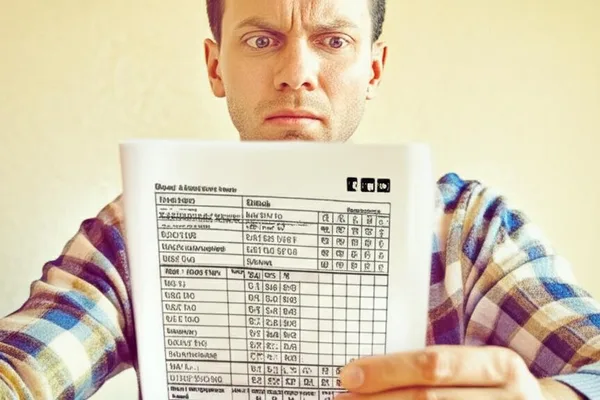
Have you had a blood test recently? There was a CBC on that report, right? It has a value called RBC Count. Many people get a little worried when they see this, thinking, 'Oh, is this low? Is it high? Is it some kind of disease?' It's really not that complicated to understand. So today, let's talk very simply, as if we were talking to a friend, about what these red blood cells , or RBC Count, are, and what causes their values to change.
What exactly is this red blood cell (RBC) count?
Simply put, red blood cells are a special type of cell in our blood. They are also called 'erythrocytes'. These cells contain a special protein called hemoglobin . Like a truck that carries goods, this hemoglobin is what picks up the oxygen that comes into the lungs when we breathe and distributes it to all the other cells throughout the body.
So, the amount of oxygen that reaches all parts of your body directly depends on the number of red blood cells in your blood. The RBC Count test measures how many millions of red blood cells there are per milliliter of blood. This is not usually a separate test, but is done as part of a complete blood count (CBC) test.
Why is the doctor asking you to do this RBC test?
Whether you're going for a routine checkup or getting medication for an illness, your doctor may order a CBC test. There are several main reasons for this:
- To check your general health status: This test helps you to know in general how your body is doing, without any major reason.
- To find the cause of your symptoms: If you are constantly feeling tired, fatigued, dizzy, or lightheaded , this test can help you find the cause. It could be a lack of red blood cells ( anemia ).
- To monitor a medical condition: If you already have a condition such as kidney disease, a blood disease, or cancer, your doctor may regularly order this test to see if the condition is controlled with treatment and if there is any change.
The important thing is, don't just look at the value you get and make decisions on your own. It only gives you an indication. Only your doctor can explain it exactly and tell you what to do next.
What should normal RBC values be like?
These values can vary slightly from one lab to another, so it's important to compare them to the "Normal Range" box on your report. But in general, normal values are as follows:
| Person | Normal RBC value (millions of cells per microliter of blood) |
|---|---|
| Male (adult) | 4.7 – 6.1 million |
| Women (adult) | 4.2 – 5.4 million |
| Children | 4.0 – 5.5 million |
These values may decrease slightly with age. Changes in these values may also be seen during pregnancy .
If the RBC count is higher than normal (High RBC Count)
Sometimes an elevated RBC count can be asymptomatic, but some people may experience some symptoms.
Symptoms that may occur during an increase
| Common symptoms of increased RBC count | |
|---|---|
| – Frequent fatigue | – Difficulty breathing (dyspnea) |
| – Headache | – Blurred vision |
| – Insomnia | – Joint pain |
| – Itchy skin | – Nosebleed |
Causes of increased RBC count
- Smoking: Smokers produce more red blood cells to compensate for the reduced oxygen intake.
- Dehydration: When the amount of water in the body decreases, the fluidity of the blood decreases and the number of cells increases relative to the amount of water in the blood.
- Living at high altitudes: Since the air in mountainous areas has less oxygen, the body increases RBC production to adapt.
- Heart disease: Some heart diseases (especially congenital) can impair the body's oxygen supply. RBC production increases to compensate.
- Lung-related diseases: Conditions such as asthma and emphysema.
- Polycythemia vera: This is a bone marrow disease in which the bone marrow produces red blood cells out of control.
- Kidney cancer: Some types of kidney cancer produce hormones that stimulate RBC production.
- Some medications: Some medications, such as steroids.
If the RBC count is lower than normal (Low RBC Count / Anemia)
We usually call a decrease in RBC count anemia . This can also be caused by various reasons.
Symptoms that can be seen during a decrease
| Common symptoms of low RBC count (anemia) | |
|---|---|
| – Excessive fatigue and weakness | – Pale skin (sometimes not obvious due to skin color) |
| – Difficulty breathing | – Chest pain |
| – Irregular or rapid heartbeat | – Feeling dizzy |
| – Cold hands and feet | – Headache |
Causes of low RBC count
- Nutritional deficiencies: Deficiencies in nutrients, especially iron, vitamin B12, and folate, directly affect red blood cell production.
- Bleeding: The loss of blood from the body, either through an accident or due to conditions such as stomach ulcers or hemorrhoids.
- Chronic diseases: Diseases such as severe kidney disease, cirrhosis of the liver, lupus, and rheumatoid arthritis.
- Bone marrow diseases: Cancerous conditions such as leukemia and multiple myeloma reduce the bone marrow's ability to produce RBCs.
- Decreased thyroid function (Hypothyroidism).
- Some medications: Things like chemotherapy drugs for cancer.
How do I take this test? Do I need to prepare?
This is very simple. You just need to take a small blood sample from a vein in your arm. There is no need to prepare much for this. However, taking care of these things the day before the test will help ensure the accuracy of the results.
- Avoid strenuous exercise the day before the test.
- Stay as relaxed and stress-free as possible.
- Drink plenty of water.
- Be sure to tell your doctor about any medications you are taking (including vitamins). You may be asked to stop taking certain medications for a while before the test.
If you are afraid of thorns, be aware of that in advance. Although it may feel like a small ant stinging, it will soon go away.
Take-Home Message
- The RBC count is a test that measures the number of red blood cells that carry oxygen throughout your body.
- Don't assume that a value outside the normal range is a sign of a serious illness. It's just a hint.
- There are many reasons why your RBC count may increase or decrease. Some are very simple (like not drinking enough water), while others may require medical attention.
- When you receive your blood test report, be sure to talk to your doctor about the values and find out the exact details.
- Never panic just by looking at a report. Only a doctor can give you the right advice.
Red blood cells, RBC count, blood test, anemia, blood report, CBC test, symptoms




💬 Comments (0)
No comments yet. Be the first to share your thoughts here.
Add Your Comment