
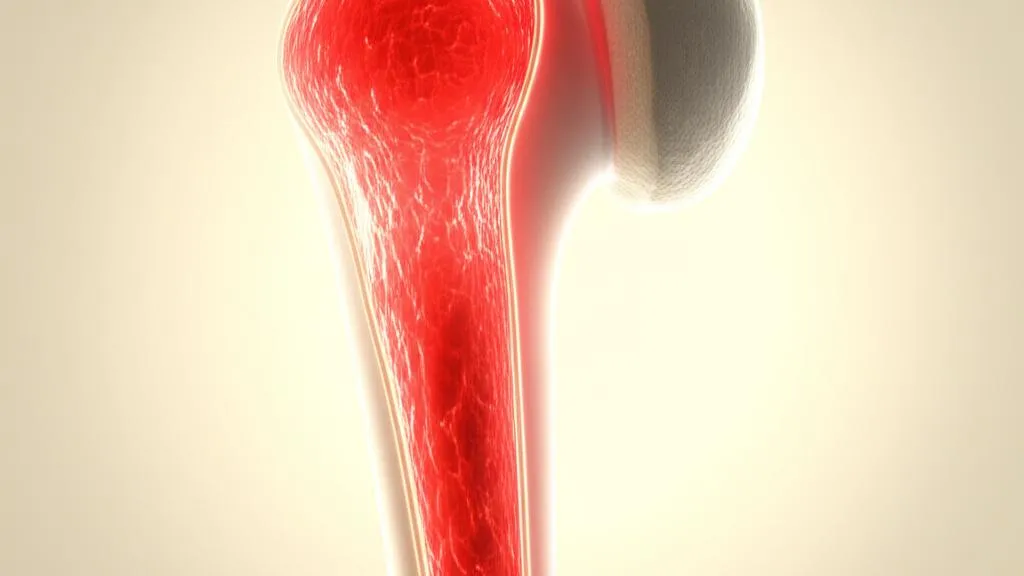
When you think of your bones, you probably picture a hard, sturdy frame holding up your body. That is completely true! However, hidden deep inside those hard outer layers lies a soft, sponge-like tissue. This living tissue is one of the most important factories in your entire body. It never sleeps, and it never takes a day off.
This spongy tissue is known as bone marrow. It is responsible for making almost all the blood cells that flow through your veins. Today, we will explore how bone marrow works, with a special focus on red bone marrow and its vital role in keeping you healthy and strong.
Key Takeaways About Your Bone Marrow
- Bone marrow is a soft, spongy tissue found in the center of your bones.
- There are two main types: red bone marrow, which makes blood cells, and yellow bone marrow, which mainly stores fat.
- Red bone marrow produces red blood cells, white blood cells, and platelets.
- Health conditions like anemia, infections, or leukemia can happen if your bone marrow stops working correctly.
- Regular doctor visits and routine blood tests help catch bone marrow issues early.
Two Different Types of Bone Marrow
Your body contains two main types of bone marrow. While they share the same home inside your skeleton, their jobs and appearances are quite different. Let us take a closer look at both types.
| Bone Marrow Type | Location in the Body / Main Job and Function |
|---|---|
| Red Bone Marrow | Location in the Body: Flat bones like your hip bones, skull, shoulder blades, breastbone, and ribs. Main Job and Function: Acts as your primary blood factory, producing red blood cells, white blood cells, and platelets. |
| Yellow Bone Marrow | Location in the Body: The hollow centers of long bones in your arms and legs. Main Job and Function: Stores fat to provide energy for bones and contains stem cells that can turn into bone or cartilage if needed. |
When you are a baby and a growing child, almost all your bone marrow is red because your body needs massive amounts of new blood cells to grow. As you get older, much of that red marrow turns into yellow marrow. However, your body keeps enough red marrow in key flat bones to supply all the fresh blood cells you need every single day.
The Amazing Work of Red Bone Marrow
Inside your red bone marrow, special master cells live and work around the clock. Doctors call these master cells hematopoietic stem cells. They are not regular blood cells. Instead, they are blank-slate cells that can copy themselves and transform into any type of blood cell your body requires.
The process of creating new blood cells is called hematopoiesis. Every hour, your red bone marrow produces billions of fresh cells to replace old ones that have reached the end of their lifespan. This continuous production involves three main families of blood cells.
1. Red Blood Cells
Red blood cells are the delivery trucks of your body. Their main job is to pick up oxygen from your lungs and carry it to every single tissue, organ, and muscle.
Inside each red blood cell is a special protein called hemoglobin. Hemoglobin grabs onto oxygen molecules in your lungs and holds them tightly during the journey. This protein is also what gives your blood its bright red color.
On the return trip, these hardworking cells collect waste carbon dioxide from your tissues and carry it back to your lungs. When you breathe out, your body gets rid of that carbon dioxide.
2. White Blood Cells
If red blood cells are your delivery trucks, white blood cells are your personal military force. They protect you from harmful germs, bacteria, viruses, and fungi that try to make you sick.
Whenever an infection enters your body, your bone marrow quickly ramps up production of white blood cells. These cells rush to the site of infection to destroy the invaders and keep you safe.
"Think of your body as a country. Your white blood cells act as different branches of the defense forces—army, navy, and air force—working together to protect your health."
There are several different types of white blood cells, and each one has a specific role in your immune system.
| White Blood Cell Type | Primary Defense Role |
|---|---|
| Lymphocytes | Produce antibodies to target specific germs and destroy infected cells. |
| Granulocytes | Swarm into areas of acute infection to neutralize bacteria and parasites directly. |
| Monocytes | Turn into cleanup cells that engulf and digest cellular debris and foreign invaders. |
3. Platelets
Platelets are tiny cell fragments that play a massive role in keeping you safe from bleeding too much. Whenever you scrape your knee or get a cut, your blood vessels experience a small break.
Platelets rush to the damaged spot right away. They stick together and form a temporary plug, working with proteins in your blood to create a solid clot. This process stops the bleeding and gives your skin time to heal properly.
Bone Marrow and Your Health
Because your red bone marrow produces such vital cells, any problem in this factory can affect your entire body. Various medical conditions can disrupt normal bone marrow function. Understanding these conditions helps you recognize when something might be wrong.
Cancer: Bone marrow can sometimes develop cancerous conditions. Leukemia is one of the most well-known blood cancers. In leukemia, abnormal white blood cells start multiplying out of control inside the marrow. These dysfunctional cells crowd out healthy blood cells, leaving your body vulnerable to severe infections and fatigue.
Aplastic Anemia: This is a rare and serious condition where your bone marrow stops making enough new blood cells of all types. It occurs when stem cells inside the marrow become damaged, leaving the factory largely empty.
General Anemia: Anemia is much more common. It happens when your blood lacks enough healthy red blood cells or hemoglobin. Often, this is caused by low levels of iron, vitamin B12, or folate in your diet. Your bone marrow needs these essential nutrients to build strong red blood cells. If you have anemia, you might notice specific warning signs:
- Feeling constantly exhausted or drained of energy .
- Having muscle weakness during everyday tasks .
- Noticeable shortness of breath after mild activity .
- Having pale skin or inner eyelids .
- Feeling dizzy, lightheaded, or unsteady .
Plasma Cell Disorders: Plasma cells are specialized white blood cells that make antibodies. When these cells multiply uncontrollably, they can weaken your immune system and harm your organs. Multiple myeloma is an example of a cancer that starts in these plasma cells.
Other Bone Marrow Conditions: Conditions like myelodysplastic syndromes and myeloproliferative neoplasms cause the marrow to produce deformed cells or overproduce a single type of cell. This creates imbalances that interfere with normal body functions.
Treatments for Bone Marrow Conditions
If a doctor diagnoses you with a bone marrow disorder, they will design a personalized treatment plan based on your exact condition and overall health. Modern medicine offers several effective ways to manage and treat these issues:
- Bone Marrow Transplants: Replacing damaged marrow with healthy stem cells from a compatible donor.
- Blood Transfusions: Providing healthy red blood cells or platelets directly into your bloodstream to relieve symptoms.
- Nutritional Therapy: Using iron supplements, vitamin B12 injections, or folate tablets to correct dietary deficiencies.
- Chemotherapy: Using specialized medicine to destroy abnormal cancer cells in the bone marrow.
- Immune-Suppressing Medicines: Calming an overactive immune system that might be attacking healthy bone marrow cells.
Many bone marrow problems do not cause obvious symptoms in their early stages. Doctors often spot early warning signs during routine yearly checkups using a simple blood test called a Complete Blood Count (CBC). This test measures your red blood cells, white blood cells, and platelets. Paying attention to how you feel and seeing a doctor when something feels off is a vital part of staying healthy.
When to Seek Emergency Medical Care
Bone marrow problems can sometimes lead to dangerously low blood counts. Seek emergency medical attention right away if you or a loved one experience any of these red flag symptoms:
- Severe, sudden shortness of breath or chest pain.
- A high fever accompanied by chills and uncontrollable shaking.
- Spontaneous, unexplained bruising or bleeding that will not stop.
- Extreme dizziness, confusion, or fainting spells.
Call 911 (US/Canada), 999 (UK), or go to your nearest Emergency Department right away.
Managing Blood and Bone Marrow Health: Do's and Don'ts
Keeping your blood factory running smoothly involves healthy daily habits. Review this quick guide on what to do and what to avoid.
| Do's for Healthy Marrow | Don'ts to Protect Your Blood |
|---|---|
| Eat iron-rich foods like leafy greens, lean meats, and beans. | Do not ignore persistent fatigue or unexplained bruising. |
| Get routine annual blood tests (CBC) recommended by your doctor. | Avoid smoking, as tobacco toxins can damage blood-forming cells. |
| Stay hydrated and maintain a balanced, nutritious diet. | Do not take high-dose vitamin supplements without consulting a doctor. |
💡 Take-Home Message
- Bone marrow is the soft tissue inside your bones that acts as your body's main blood factory.
- Red bone marrow produces red blood cells, white blood cells, and platelets.
- Disorders in the bone marrow can cause serious conditions like anemia or leukemia.
- Symptoms like ongoing fatigue, pale skin, and frequent infections should never be ignored.
- Always consult a doctor if you have concerns about your blood health or energy levels.
Sources & References:
- Cleveland Clinic. (2024). Bone Marrow: Function & What It Is. Cleveland Clinic Health Library.
- Mayo Clinic. (2023). Bone Marrow Transplant: Overview and Procedures. Mayo Clinic Patient Care.
- National Health Service (NHS). (2023). What is a bone marrow donation? NHS UK Guidelines.
- Centers for Disease Control and Prevention (CDC). (2024). Blood Disorders and Your Health. CDC Public Health Portal.
- National Institutes of Health (NIH). (2023). Hematopoiesis and Stem Cell Biology. PubMed Central Reference Books.






No comments yet. Be the first to share your question or experience below.