

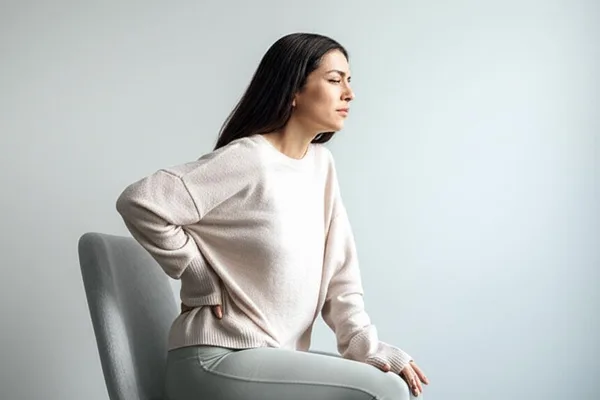
Back pain is a big problem for many people these days. Sometimes this pain comes after doing a little work, lifting a heavy load, and sometimes it can come for no reason at all. What is this condition that we often say, 'Oh... my back hurts'? Is this normal? Or is it something to be afraid of? Shall we talk about this in a little more detail, as if we were talking to a friend?
What are the causes of back pain?
Most of the time, our own bad habits that we do without realizing it are the root of this back pain. Think about it, our spine supports the weight of our entire body and helps us stand upright, bend, and turn. How much responsibility does it have? So if we don't take care of it properly, it's no wonder that problems arise.
Simply put, our spine is a tower made up of 24 small bones called vertebrae. It is where the spinal cord, the nerve network that controls sensation and movement throughout our body, runs. So, even if there is a small problem anywhere in this complex system, we can feel pain.
Here are some of the main reasons :
- Bad posture: Sitting in the same position for a long time in an office chair or while driving a car is uncomfortable. A lot of people slouch, right? That's not good for the back at all.
- Repetitive motion: When you continue to do the same bending and lifting tasks, as in some jobs, your back muscles can't handle it.
- Moving things around carelessly: Suddenly lifting, pushing, or pulling a heavy object can cause muscle strain if not done correctly.
In addition to these habits, there are other causes. The back can be damaged by an accident, an injury while playing sports, or a fall. Sometimes the muscles in the back suddenly tighten and become knotted (muscle spasms). It is a severe pain that feels like the flesh in the leg is being torn.
As we age, our joints wear down, and the cartilage between the vertebrae in our spine can wear down. This is called osteoarthritis . Also, the soft tissue between the vertebrae can bulge out and press on the nerves, which is called a herniated disc . These are serious conditions.
Many women experience back pain during pregnancy. This is because the extra weight and hormonal changes put extra pressure on the spine.
Sometimes, there is no clear cause for back pain. This is called 'nonspecific backache.' It may be because the muscles around the back are not strong enough to support daily activities.
Is back pain the only symptom?
No. If you have a back problem, you may experience other symptoms in your arms and legs in addition to pain. It's important to be aware of these as well.
| Symptom | Description |
|---|---|
| Radiating pain | It feels like an electric shock that travels from the back through the buttocks to the legs. It can also travel from the neck down the arms. |
| Numbness/Tingling | A tingling or prickling sensation in the hands, legs, or feet. |
| Weakness | Feeling like an arm or leg is going numb. Difficulty walking or lifting weights. |
Warning signs to watch out for: If you have back pain, loss of bladder or bowel control, or feel like your legs/arms are going numb, it could be a serious condition that is putting pressure on your spinal cord. In such a case , see a doctor immediately or go to the nearest hospital's Emergency Department (ETU). It's best not to delay this.
When should I see a doctor?
A normal backache may subside in a few days. However, in the following cases, you should definitely seek medical advice.
- If the pain came after an injury, such as a fall or accident.
- If the pain is interfering with your daily activities (e.g. walking, getting up, going to work).
- If the pain persists for more than 6 weeks , gets worse, or spreads to other areas.
When you see a doctor, they will examine you, check how far you can bend your spine, and check if your nerves are working properly. They may also order tests like an X-ray, MRI scan, or CT scan. But remember, the results of these tests don't always have a direct relationship to the pain you're feeling.
What are the treatments?
Many people think that when they have back pain, they should stay in bed. But that's actually wrong. Staying in bed can weaken the muscles and delay healing. It's better to do light exercise.
- Physical Therapy: A physical therapist can develop a series of exercises that are specific to your condition. These exercises can strengthen the muscles around your spine, reduce pain, and help you move better again.
- Painkillers: Over-the-counter pain relievers such as paracetamol and ibuprofen can provide temporary relief. Applying a hot water bottle or ice pack can also help. Your doctor may prescribe stronger medications, but they can be addictive, so they should only be used under medical supervision.
- Alternative treatments: Some people can also find relief from pain through things like chiropractic care, acupuncture, and massage.
- Surgery: This is a last resort. Surgery is only considered if there is bone damage, a herniated disc, or something more serious, such as a pinched nerve.
How do you avoid back pain?
They say, 'Prevention is better than cure.' So, instead of waiting until back pain strikes, follow these habits to stay away from it.
- Exercise: Do exercises that strengthen the muscles around your back (core muscles). Walking is one of the best and simplest exercises you can do for your back.
- Maintain good posture: Try to keep your ears, shoulders, and hips aligned while sitting, standing, and walking.
- Be careful when lifting weights: When lifting weights, do not bend your back, but bend at the knees and keep your back straight.
- Sleeping position: It's best to sleep on your side. Use a medium-firm mattress that's not too soft or too rock-like.
- Avoid smoking: Smoking impairs blood circulation, reducing the supply of nutrients and oxygen to the muscles.
Take-Home Message
- Most back pain is caused by bad habits, and it can be cured with time and simple care.
- When your back hurts, it's better to do light exercise and stay active than to stay in bed.
- Always maintain proper posture and follow proper technique when lifting weights.
- If you experience serious symptoms such as leg weakness, numbness, or inability to control urine/feces, see a doctor immediately.
- Don't hesitate to talk openly with your doctor about your pain and get the treatment plan that best suits you.




💬 Comments (0)
No comments yet. Be the first to share your thoughts here.
Add Your Comment