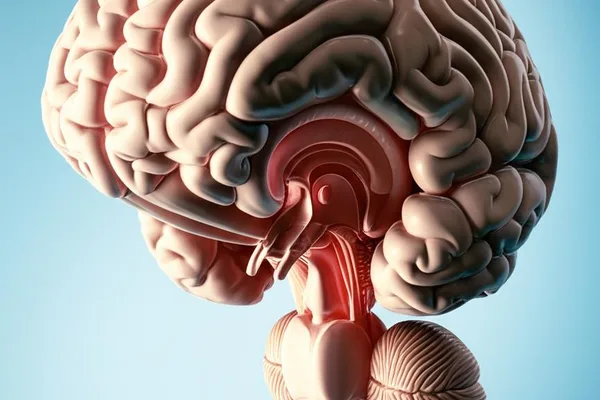
Do you know about the 'master control room' of your body? Let's talk about the Hypothalamus!

Do you know about the 'master control room' of your body? Let's talk about the Hypothalamus!

Have you ever wondered how you feel hungry at the right time, how your body temperature stays the same, or how you fall asleep at night? All of this doesn't just happen. Behind many of these very important processes in our body is a small, but very powerful 'boss'. He is the hypothalamus . Today we will talk about this part of our body that is the size of a small almond, but does a very amazing job.

Simply put, what is the hypothalamus?

The hypothalamus is a small gland in your brain. It is the master control center of our body's hormone system, or endocrine system. Just like the thermostat in your house. Just like the AC turns on when the temperature in your house rises and turns off when it drops, the hypothalamus receives signals from different parts of the body and does the necessary things to maintain homeostasis.

The hypothalamus does not work alone to do this job. It instructs its main assistant , the pituitary gland . We also call the pituitary gland the 'master gland' because, according to instructions from the hypothalamus, it is the one that releases the hormones needed by the other glands in the body (such as the thyroid gland, adrenal glands, kidneys, and reproductive organs).

Think of the hypothalamus as the CEO of a large company. It tells the pituitary gland (Manager) what to do. The Manager then instructs the other parts (organs of the body) to do exactly that.

Difference between Thalamus and Hypothalamus

These two names are a bit similar, so some people might get confused. Both are parts of the brain in the middle. But they have different functions.

  • Thalamus: Its job is to receive signals from our senses (except smell), select what is important, and send them to the cerebral cortex, the part of the brain that performs higher-level functions. It helps with things like memory, learning, and attention.
  • Hypothalamus : The Greek word "hypo" means "under." So this is located below the thalamus. As we discussed earlier, its main function is to control the body's hormonal system and maintain internal balance in the body.

What are the main functions of the hypothalamus?

The hypothalamus plays a huge role in keeping our bodies healthy and balanced. Take a look at this list.

  • Body growth and cell repair
  • Salt and water balance in the body
  • Body temperature control
  • Heart rate and blood pressure
  • Breathing rate
  • Inducing hunger and thirst
  • Digestion control
  • Control of sleep and wakefulness ( sleep cycle )
  • Mood
  • Sexual stimulation
  • Milk production in lactating mothers

Important hormones released by the hypothalamus

The hypothalamus controls two types of hormones. Some hormones are made and sent to the pituitary gland, which releases them to the organs that need them. Two other hormones are made and stored in the pituitary gland, and released only when needed.

Hormone The task is simple.
Thyrotropin-releasing hormone (TRH) It stimulates the thyroid gland and helps control the body's metabolism.
Corticotropin-releasing hormone (CRH) The adrenal glands are instructed to release the stress hormone cortisol .
Growth hormone-releasing hormone (GHRH) The pituitary gland is told to release growth hormone, which is necessary for the body's growth.
Gonadotropin-releasing hormone (GnRH) It stimulates the release of hormones (FSH and LH) necessary for the functioning of the reproductive system and sexual maturation.
Dopamine and Somatostatin What these do is stop the pituitary gland from releasing certain hormones. That is, they create control.
Oxytocin Also called the 'love hormone', it helps with human bonding, uterine contractions during childbirth, and breastfeeding.
Vasopressin It helps to control kidney function, maintain the proper water level in the body, and control blood pressure.

What are the possible causes of hypothalamic dysfunction?

If the functioning of such an important part is compromised, the entire body can be thrown off balance. This can be due to several reasons.

  • Birth defects: Abnormal developments that occur in the brain or hypothalamus while the baby is growing in the mother's womb.
  • Genetic diseases: For example, Prader-Willi syndrome or Kallmann syndrome.
  • Traumatic brain injury: Damage to the brain caused by an accident.
  • Brain tumors: Tumors that are located near or put pressure on the hypothalamus.
  • Brain surgery, radiation therapy, or chemotherapy.
  • Brain infections or inflammatory conditions: for example, multiple sclerosis.
  • Nutritional deficiencies and stress: Eating disorders , excessive exercise, not consuming enough calories, and severe mental stress can cause the body to produce more of the hormone cortisol. This can weaken the function of the hypothalamus.

Various diseases can occur due to impaired function of the hypothalamus.

Hypothalamic Obesity

Damage to the hypothalamus can disrupt the balance between hunger and the amount of calories the body burns. This can lead to symptoms such as feeling hungry no matter how much you eat , rapid weight gain, sleep problems, and difficulty regulating body temperature.

Functional Hypothalamic Amenorrhea

This is a condition that affects women. When the body does not get the necessary energy (poor diet, excessive exercise) or when there is severe stress, the hypothalamus reduces the release of the hormone GnRH. This prevents ovulation. As a result , menstruation may stop for more than 3 months .

Central Diabetes Insipidus

This is a rare autoimmune disease. In this condition, the immune system damages the hypothalamus. This causes a deficiency of the hormone vasopressin, which controls the body's water levels. As a result , excessive urination and excessive thirst occur.

Important: This condition, called Diabetes Insipidus, is completely different from the diabetes mellitus we commonly know.

Diagnosis and treatment

If you have these symptoms, your doctor will review your medical history and then order the necessary tests based on your symptoms.

  • Blood and urine tests: to check various hormone levels (thyroid, cortisol, sex hormones), sodium levels, etc.
  • Brain scans: An MRI or CT scan can check for a tumor or other damage to the brain.
  • Visual field tests

Treatment options depend on the cause of the disease and your symptoms. These include:

  • Surgery or radiation therapy for tumors.
  • Hormone replacement therapy for hormone deficiencies.
  • Diet and lifestyle changes.
  • Mental health counseling.

Any of these treatments should only be done under the advice of your doctor.

Take-Home Message

  • The hypothalamus is a very important 'control center' in our brain that regulates the body's hormonal system.
  • This little part controls your hunger, thirst, sleep, body temperature, mood, and much more.
  • Head injuries, brain tumors, infections, genetic conditions, as well as excessive stress and poor nutritional habits can affect the functioning of the hypothalamus.
  • If you experience unusual symptoms such as sudden weight gain, cessation of menstruation, and excessive thirst, it is very important to see your doctor immediately for advice.

Hypothalamus, brain, hormones, pituitary gland, body balance, hormone problems sinhala, brain tumors, hypothalamus function

⚠️ Important: The medical articles and information on Nirogi Lanka are for general awareness only, and are by no means a substitute for professional medical advice, diagnosis, or treatment. For any medical problem you have, consult a qualified physician immediately.

💬 Comments (0)

No comments yet. Be the first to share your thoughts here.

Add Your Comment

Please calculate: 1 + 5 =
Do you know about the 'master control room' of your body? Let's talk about the Hypothalamus!
How the Body WorksJuly 6, 2026

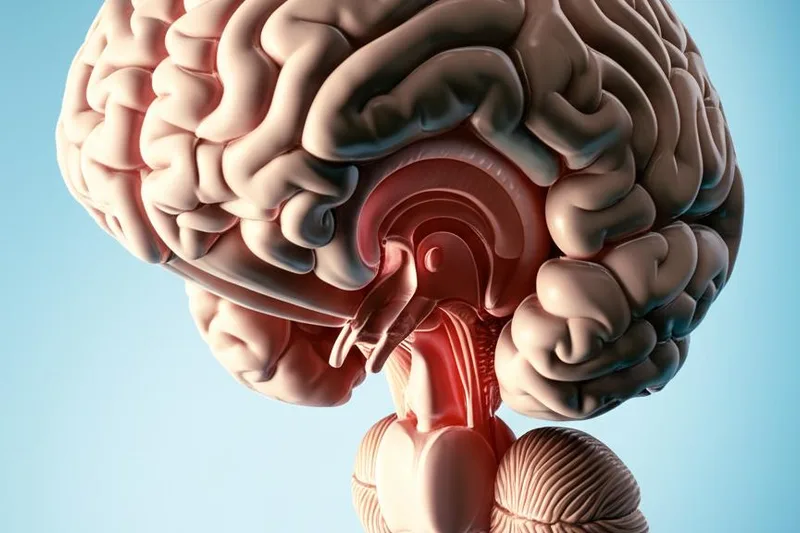
Do you know about the 'master control room' of your body? Let's talk about the Hypothalamus!

Have you ever wondered how you feel hungry at the right time, how your body temperature stays the same, or how you fall asleep at night? All of this doesn't just happen. Behind many of these very important processes in our body is a small, but very powerful 'boss'. He is the hypothalamus . Today we will talk about this part of our body that is the size of a small almond, but does a very amazing job.

Simply put, what is the hypothalamus?

The hypothalamus is a small gland in your brain. It is the master control center of our body's hormone system, or endocrine system. Just like the thermostat in your house. Just like the AC turns on when the temperature in your house rises and turns off when it drops, the hypothalamus receives signals from different parts of the body and does the necessary things to maintain homeostasis.

The hypothalamus does not work alone to do this job. It instructs its main assistant , the pituitary gland . We also call the pituitary gland the 'master gland' because, according to instructions from the hypothalamus, it is the one that releases the hormones needed by the other glands in the body (such as the thyroid gland, adrenal glands, kidneys, and reproductive organs).

Think of the hypothalamus as the CEO of a large company. It tells the pituitary gland (Manager) what to do. The Manager then instructs the other parts (organs of the body) to do exactly that.

Difference between Thalamus and Hypothalamus

These two names are a bit similar, so some people might get confused. Both are parts of the brain in the middle. But they have different functions.

  • Thalamus: Its job is to receive signals from our senses (except smell), select what is important, and send them to the cerebral cortex, the part of the brain that performs higher-level functions. It helps with things like memory, learning, and attention.
  • Hypothalamus : The Greek word "hypo" means "under." So this is located below the thalamus. As we discussed earlier, its main function is to control the body's hormonal system and maintain internal balance in the body.

What are the main functions of the hypothalamus?

The hypothalamus plays a huge role in keeping our bodies healthy and balanced. Take a look at this list.

  • Body growth and cell repair
  • Salt and water balance in the body
  • Body temperature control
  • Heart rate and blood pressure
  • Breathing rate
  • Inducing hunger and thirst
  • Digestion control
  • Control of sleep and wakefulness ( sleep cycle )
  • Mood
  • Sexual stimulation
  • Milk production in lactating mothers

Important hormones released by the hypothalamus

The hypothalamus controls two types of hormones. Some hormones are made and sent to the pituitary gland, which releases them to the organs that need them. Two other hormones are made and stored in the pituitary gland, and released only when needed.

Hormone The task is simple.
Thyrotropin-releasing hormone (TRH) It stimulates the thyroid gland and helps control the body's metabolism.
Corticotropin-releasing hormone (CRH) The adrenal glands are instructed to release the stress hormone cortisol .
Growth hormone-releasing hormone (GHRH) The pituitary gland is told to release growth hormone, which is necessary for the body's growth.
Gonadotropin-releasing hormone (GnRH) It stimulates the release of hormones (FSH and LH) necessary for the functioning of the reproductive system and sexual maturation.
Dopamine and Somatostatin What these do is stop the pituitary gland from releasing certain hormones. That is, they create control.
Oxytocin Also called the 'love hormone', it helps with human bonding, uterine contractions during childbirth, and breastfeeding.
Vasopressin It helps to control kidney function, maintain the proper water level in the body, and control blood pressure.

What are the possible causes of hypothalamic dysfunction?

If the functioning of such an important part is compromised, the entire body can be thrown off balance. This can be due to several reasons.

  • Birth defects: Abnormal developments that occur in the brain or hypothalamus while the baby is growing in the mother's womb.
  • Genetic diseases: For example, Prader-Willi syndrome or Kallmann syndrome.
  • Traumatic brain injury: Damage to the brain caused by an accident.
  • Brain tumors: Tumors that are located near or put pressure on the hypothalamus.
  • Brain surgery, radiation therapy, or chemotherapy.
  • Brain infections or inflammatory conditions: for example, multiple sclerosis.
  • Nutritional deficiencies and stress: Eating disorders , excessive exercise, not consuming enough calories, and severe mental stress can cause the body to produce more of the hormone cortisol. This can weaken the function of the hypothalamus.

Various diseases can occur due to impaired function of the hypothalamus.

Hypothalamic Obesity

Damage to the hypothalamus can disrupt the balance between hunger and the amount of calories the body burns. This can lead to symptoms such as feeling hungry no matter how much you eat , rapid weight gain, sleep problems, and difficulty regulating body temperature.

Functional Hypothalamic Amenorrhea

This is a condition that affects women. When the body does not get the necessary energy (poor diet, excessive exercise) or when there is severe stress, the hypothalamus reduces the release of the hormone GnRH. This prevents ovulation. As a result , menstruation may stop for more than 3 months .

Central Diabetes Insipidus

This is a rare autoimmune disease. In this condition, the immune system damages the hypothalamus. This causes a deficiency of the hormone vasopressin, which controls the body's water levels. As a result , excessive urination and excessive thirst occur.

Important: This condition, called Diabetes Insipidus, is completely different from the diabetes mellitus we commonly know.

Diagnosis and treatment

If you have these symptoms, your doctor will review your medical history and then order the necessary tests based on your symptoms.

  • Blood and urine tests: to check various hormone levels (thyroid, cortisol, sex hormones), sodium levels, etc.
  • Brain scans: An MRI or CT scan can check for a tumor or other damage to the brain.
  • Visual field tests

Treatment options depend on the cause of the disease and your symptoms. These include:

  • Surgery or radiation therapy for tumors.
  • Hormone replacement therapy for hormone deficiencies.
  • Diet and lifestyle changes.
  • Mental health counseling.

Any of these treatments should only be done under the advice of your doctor.

Take-Home Message

  • The hypothalamus is a very important 'control center' in our brain that regulates the body's hormonal system.
  • This little part controls your hunger, thirst, sleep, body temperature, mood, and much more.
  • Head injuries, brain tumors, infections, genetic conditions, as well as excessive stress and poor nutritional habits can affect the functioning of the hypothalamus.
  • If you experience unusual symptoms such as sudden weight gain, cessation of menstruation, and excessive thirst, it is very important to see your doctor immediately for advice.

Hypothalamus, brain, hormones, pituitary gland, body balance, hormone problems sinhala, brain tumors, hypothalamus function

⚠️ Important: The medical articles and information on Nirogi Lanka are for general awareness only, and are by no means a substitute for professional medical advice, diagnosis, or treatment. For any medical problem you have, consult a qualified physician immediately.

💬 Comments (0)

No comments yet. Be the first to share your thoughts here.

Add Your Comment

Please calculate: 1 + 5 =