
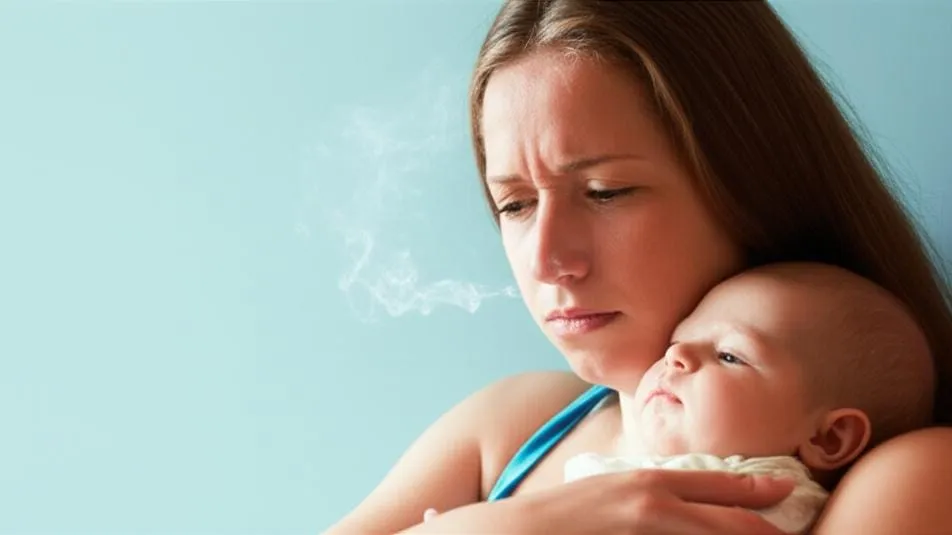
Imagine walking into your living room and seeing a visitor or a close family member light up a cigarette near your baby. You might instantly feel a quiet worry in your chest whispering that tobacco smoke is not good for a tiny child. Yet, many people still wonder if standing a little bit further away or smoking near an open window keeps a baby safe from harm.
The plain truth is that no safe level of tobacco smoke exposure exists for infants or growing children. In medical terms, breathing in this ambient tobacco waste is known as secondhand smoke. While many families treat tobacco smoke as a minor household nuisance, it poses severe, life-altering risks to young lungs and developing brains.
In this complete medical guide, we will explore exactly what secondhand smoke contains, how it harms unborn babies during pregnancy, the specific medical dangers it brings to newborns, and actionable steps you can take today to protect your family.
Key Takeaways at a Glance
- Secondhand smoke combines smoke from the burning tip of a cigarette and smoke exhaled by the smoker.
- Exposure during pregnancy increases the risk of premature birth, low birth weight, and sudden infant death syndrome.
- Infants exposed to tobacco smoke suffer from frequent ear infections, severe asthma attacks, bronchitis, and pneumonia.
- Making your home and vehicle 100 percent smoke-free zones is the single best way to protect your child.
- Professional medical support, counseling, and nicotine replacement therapies can help family members successfully quit smoking.
Calculate the due date based on the last menstrual period
What Is Secondhand Smoke?
Understanding secondhand smoke begins with looking at its composition. It is not just harmless water vapor or ordinary scented air. Instead, it is a toxic blend of invisible gases and fine microscopic particles created by burning tobacco products.
Secondhand smoke consists of two main components working together to pollute your indoor or outdoor air:
- Sidestream smoke: This is the harsh chemical smoke that drifts directly into the air from the burning tip of a cigarette, cigar, or pipe.
- Mainstream smoke: This is the contaminated smoke that the smoker inhales into their lungs and then actively breathes back out into the shared environment.
When these two smoke streams merge, they release more than 7,000 distinct chemical compounds into the surrounding air. Scientific research confirms that at least 70 of these specific chemicals are potent human carcinogens, meaning they directly cause cancer.
Every single time your baby breathes in an environment containing tobacco smoke, hundreds of these poisonous chemicals enter their delicate bloodstream. Because an infant's body weight is small and their organs are still forming, these toxins inflict far greater damage than they would on an adult.
How Secondhand Smoke Harms Your Unborn Baby During Pregnancy
Many people overlook the danger of tobacco smoke during pregnancy, assuming that risks begin only after birth. In reality, a pregnant mother exposed to secondhand smoke passes toxic chemicals directly to her unborn child.
When a mother breathes in tobacco smoke, poisonous substances enter her bloodstream in her lungs. These toxins cross the placenta and travel through the umbilical cord straight into the developing baby's circulatory system.
This prenatal exposure places the unborn baby in serious jeopardy. Major medical complications linked directly to secondhand smoke during pregnancy include:
- Sudden Infant Death Syndrome (SIDS): Babies exposed to smoke before birth face a drastically higher risk of unexplained death during sleep in their first year of life.
- Premature Birth: The baby may be born too early, before their lungs and vital organs have fully matured for independent survival.
- Miscarriage: Exposure to heavy tobacco toxins increases the tragic risk of losing the pregnancy during the early trimesters.
- Low Birth Weight: Babies often weigh greatly less than healthy newborns, which can lead to ongoing growth challenges.
- Developmental and Behavioral Issues: Growing children may later struggle with attention deficits, hyperactivity disorders, and learning challenges in school.
What Tobacco Smoke Does to Newborns and Infants
Newborn babies possess delicate lungs, narrow airways, and immature immune systems. Because they breathe faster than adults, they inhale more air relative to their body weight, drawing in high concentrations of ambient toxins.
The medical consequences of exposing infants and young children to secondhand smoke touch nearly every part of their growing bodies.
| Health Effect or Symptom | Plain-English Explanation |
|---|---|
| Respiratory Tract Troubles | Frequent coughing, persistent chest congestion, wheezing sounds when breathing, and shortness of breath. |
| Frequent Illness | Catching colds, flus, and viral infections much more often than peers due to suppressed immune defense. |
| Pneumonia and Bronchitis | High risk of developing severe lower respiratory lung infections requiring urgent medical evaluation. |
| Asthma Flare-Ups | Triggering severe asthma attacks in diagnosed children, or starting chronic asthma in healthy kids. |
| Middle Ear Infections | Fluid buildup behind the eardrum causing painful ear infections, sometimes requiring surgical ear tubes. |
| Other Discomforts | Recurrent headaches, throat irritation, stinging red eyes, and elevated vulnerability to dental decay. |
How to Protect Your Baby From Secondhand Smoke
Protecting your baby from tobacco smoke may feel like a daunting task, especially if family members or friends smoke. However, taking proactive steps creates a safe haven where your child can thrive.
1. Make Your Home a Smoke-Free Zone
Establish a strict family rule that no one is allowed to smoke anywhere inside your house under any circumstances. Stepping onto a balcony or standing near an open kitchen window does not stop toxic fumes from drifting back indoors. Remove all ashtrays from your living spaces to signal a permanent boundary.
2. Never Smoke Inside Any Vehicle
Never allow smoking inside cars or transport vehicles, even if windows are rolled down. Rolling down car windows fails to clear out toxic residues. Trapped tobacco smoke settles into car seat fabrics, exposing your baby to lingering poisons every time they ride in the car seat.
3. Choose Smoke-Free Childcare Facilities
When selecting a daycare center, preschool, or babysitter, inspect their environmental policies. Verify that the facility maintains a strict 100 percent smoke-free campus and that all staff members are non-smokers who never expose children to tobacco residue.
4. Screen Everyone Who Cares for Your Baby
Ensure that anyone who holds, feeds, or plays with your infant is entirely smoke-free. Keep in mind that third-hand smoke—the toxic chemical residue clinging to a smoker's clothing, hair, and breath after finishing a cigarette—can still transfer harmful poisons to your baby during cuddles.
5. Avoid Public Places That Allow Smoking
Steer clear of restaurants, parks, or social venues that permit smoking in outdoor seating areas or adjacent zones. Choose family-friendly, smoke-free establishments where you can enjoy outings without risking your child's respiratory health.
If You or a Family Member Need Help to Quit Smoking
If you smoke yourself, acknowledging that quitting is difficult is completely natural. Nicotine is an addictive chemical substance, and breaking free requires immense personal courage and support.
Your strongest motivation for quitting can be the health and well-being of your precious child. You do not have to walk this challenging path entirely alone.
If you need guidance, schedule an appointment with your family doctor or primary doctor. Doctors can prescribe nicotine replacement therapies, offer behavioral counseling, and connect you with local cessation support programs. Never feel discouraged by setbacks. Persistence pays off for your child's future.
When to Seek Emergency Medical Attention
Tobacco smoke exposure can trigger sudden, life-threatening breathing emergencies in infants. Call 911 (US/Canada), 999 (UK), or your local emergency number right away, or rush your baby to the nearest Emergency Department (ER / A&E) if you notice any of these red flag symptoms:
- Blue or gray coloring around your baby's lips, mouth, or fingernails.
- Severe difficulty breathing, nasal flaring, or ribs sucking inward with every breath.
- Unresponsiveness, extreme limpness, or difficulty waking up.
- Rapid breathing accompanied by high fever or persistent wheezing sounds.
Protecting Your Child: Do's and Don'ts
Review this practical comparison guide to ensure your household maintains optimal safety standards for your baby:
| DO (Recommended Actions) | DON'T (Risky Practices) |
|---|---|
| Keep your home and personal vehicle 100 percent smoke-free at all times. | Never smoke near open windows, doorways, or balconies assuming smoke won't enter. |
| Ask visitors to wash hands and change outer shirts after smoking outside before holding baby. | Don't ignore third-hand smoke residues clinging to clothing and hair. |
| Consult your doctor for professional smoking cessation aids and counseling support. | Don't assume quitting is impossible without trying evidence-based medical treatments. |
| Choose certified smoke-free daycares and caregivers for your infant. | Don't expose children to public venues allowing smoking near seating areas. |






No comments yet. Be the first to share your question or experience below.