
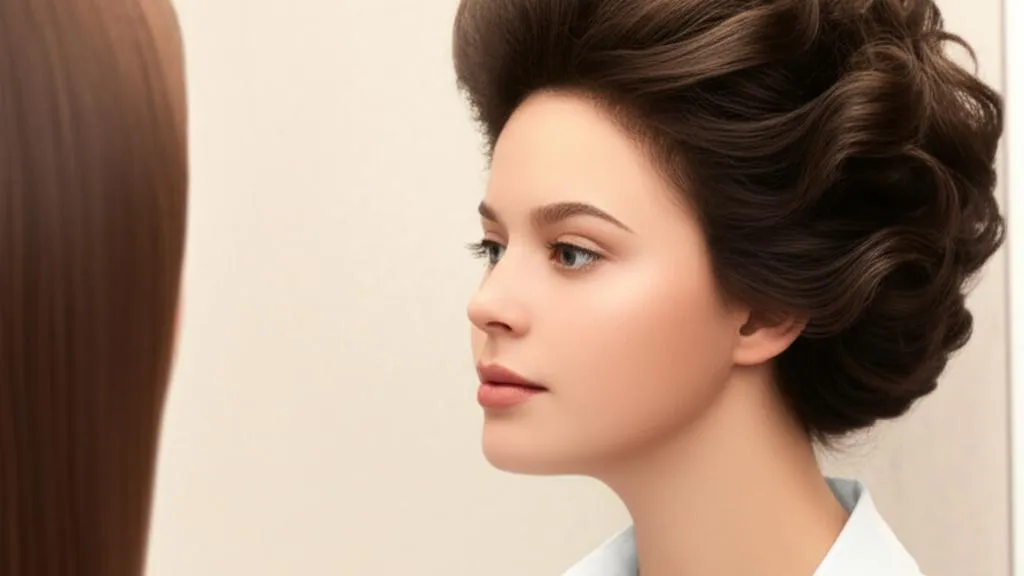
Have you been looking in the mirror lately and wondering what is a hair perm, how the step-by-step salon process actually works on your strands, or whether those chemical solutions are truly safe for your scalp? Whether you have pin-straight hair and dream of waking up with bouncy, effortless permanent curls, or you want to tame unruly waves into a sleek style, considering a permanent hair treatment is a big decision. We rarely stop to think about the chemistry happening right on top of our heads during a salon visit, do we? When patients come into our clinics with scalp irritation, sudden hair breakage, or questions about cosmetic hair procedures, we doctors look closely at two critical things: the structural integrity of your hair shaft and the protective skin barrier of your scalp. Before you sit in that salon chair, let us walk through everything that really happens to your hair during a perm, step by step, so you can get the look you love safely.
📌 Key Takeaways at a Glance
- What a perm actually does: A hair perm (permanent wave or straightening) uses specialized chemicals to break and rebuild the natural protein bonds (disulfide bonds) inside your hair shaft.
- How long it lasts: With proper daily care and scalp maintenance, professional permanent curls or waves typically last between three and six months.
- The 48-hour golden rule: You must wait at least 48 to 72 hours before getting your hair wet, sweating heavily, or washing it so the newly formed chemical bonds can lock firmly into place.
- Salon vs. home kits: Professional salon treatments are significantly safer than at-home box kits, which frequently lead to uneven breakage and scalp chemical burns (irritant contact dermatitis).
- Know when to skip it: If your hair is already heavily bleached, brittle, or chemically relaxed—or if you have active scalp eczema or psoriasis—you should avoid getting a perm until your hair and skin fully recover.
What Is a Hair Perm and How Does Permanent Hair Curling Work?
A hair perm, short for a permanent wave or permanent hair texture treatment, is a multi-step chemical procedure that alters the internal protein structure of your hair strands to create lasting curls, waves, or straight styles for three to six months.
Have you ever wondered why washing curled hair makes it go right back to being straight, unless you get a perm? Think about it for a second. When you use a regular curling iron or hot rollers at home, you are only changing weak, temporary bonds (hydrogen bonds) inside the hair that immediately reset the moment water touches them. A true hair perm goes much deeper into the architecture of your hair.
Whether people call it a permanent wave, getting your hair permed, or permanent curls, the underlying science is identical. Every single strand of your hair is built like a sturdy rope made of a tough protein called keratin. Holding those keratin fibers together are super-strong chemical bridges known as disulfide bonds. During a perm, a chemical lotion opens up the outer protective scales of your hair (the hair cuticle), slips inside, and unlocks those strong bridges. Once unlocked, your hair can be molded around rods for curls or pressed flat for straightness, and then locked right back together in its brand-new shape. Pretty fascinating, right?
How long your new permanent style holds up depends heavily on your individual biology and daily lifestyle habits. Your scalp health, the specific shampoos you use, and how fast your hair naturally grows all play a major role. If you keep a short crop, new untreated hair grows in quickly from the roots, meaning the permed ends will get trimmed off sooner. If you have long hair, those permanent curls will stay visible along your lengths for many months.
How Do Salons Do a Hair Perm Step by Step?
If you are typing "hair perm step by step" into your phone before your first appointment, knowing exactly what to expect in the salon chair takes away a lot of anxiety. The entire procedure usually takes anywhere from two to four hours depending on how thick and long your hair is. Here is the exact step-by-step process your stylist will follow:
- Step 1: Deep Clarifying Wash: Your stylist begins by washing your hair with a clarifying shampoo. This strips away natural scalp oils (sebum), dry shampoo residue, silicones, and everyday dirt so the perm solution can penetrate every strand evenly.
- Step 2: Sectioning and Wrapping on Perm Rods: While your hair is still damp, the stylist carefully sections it, wraps protective end-papers around the fragile tips, and winds the strands around specialized plastic cylinders called perm rods. Small rods create tight, springy ringlets, while larger rods create loose, beachy waves.
- Step 3: Applying the Waving Lotion (Chemical Reduction): Once every rod is secured, the stylist places a thick cotton strip around your hairline to protect your face and eyes, then saturates each wrapped rod with the alkaline or acid perm solution. This chemical immediately begins breaking the internal disulfide protein bonds.
- Step 4: Processing Time: You will sit with the solution in your hair—often under a plastic processing cap—for about 15 to 25 minutes. A skilled stylist will check a test curl every few minutes to see how your hair is responding.
- Step 5: Thorough Warm-Water Rinse: With the rods still firmly wound in your hair, the stylist rinses your head thoroughly at the sink for several minutes to flush away the active waving chemical, then gently blots the rods dry with towels.
- Step 6: Applying the Neutralizer (Chemical Oxidation): Next comes the crucial locking stage. The stylist applies a neutralizer liquid—which usually contains dilute hydrogen peroxide—over the rods. This stops the softening process and reforms the protein bridges into the exact curvature of the rollers.
- Step 7: Rod Removal and Final Conditioning Rinse: After the neutralizer sits for about 10 minutes, the stylist gently unwinds the rods without stretching the delicate new curls, rinses your hair one last time with lukewarm water, and applies a pH-balancing treatment to seal the hair cuticle shut.
What if you are getting a straightening perm (often called thermal reconditioning or a Japanese straight perm) instead of curls? In that case, instead of wrapping your hair on rods, the stylist rinses out the softening lotion, blows your hair dry, and uses a specialized ceramic flat iron to press the strands completely flat before applying the neutralizer to lock them straight. Now that makes sense, right?
Is It Safe to Do a Hair Perm at Home?
Be honest, you have probably scrolled past social media videos of people ordering cheap home perm kits online and rolling their own hair in the bathroom mirror, haven't you? On the surface, doing a perm at home looks like an easy way to save time and a couple hundred dollars. However, as doctors who treat the aftermath of DIY beauty mishaps in our clinics, we strongly advise against at-home perms.
Why is doing it yourself so risky? First, wrapping the back of your own head with uniform tension is almost impossible without professional training. If you pull the hair too tightly on the rods, the weakened protein bonds snap right at the root, causing patches of hair to break off flush with your scalp. Second, timing a chemical reaction on your own hair is tricky. Leaving the lotion on just five minutes too long can turn healthy hair into a gummy, over-processed mess that feels like wet cotton candy.
From a medical standpoint, the biggest danger of home kits is accidental skin and eye exposure. Without a professional barriers setup, the caustic liquid easily drips onto your neck, ears, or forehead, triggering a painful chemical burn or severe allergic skin reaction (allergic contact dermatitis). If you still decide to use a home kit despite these risks, always wear nitrile gloves, apply petroleum jelly around your hairline and ears, set a strict alarm timer, and keep a shower sprayer ready. If your scalp starts burning or stinging at any point, do not try to "tough it out"—rinse it off immediately with cool water.
What Chemicals Are Inside a Perm and How Do They Affect Your Scalp?
Remember how we talked earlier about your hair being made of strong keratin protein? In fact, keratin makes up roughly 90 to 95 percent of every hair strand on your head. To reshape something that strong, perm solutions must rely on potent reducing agents known as thiol compounds.
The classic powerhouse ingredient used in most traditional alkaline perms (also called cold waves) is ammonium thioglycolate. It has a high pH (usually between 9.0 and 9.6), which forces the outer hair cuticle to swell wide open so the chemical can rapidly remodel coarse or resistant hair. Notice that distinctive, pungent "rotten egg" smell in the salon? That comes from the sulfur atoms being broken and rearranged by the thioglycolate! Because it is so strong, ammonium thioglycolate is also the main culprit behind post-perm dryness and structural damage.
If your hair is fine, color-treated, or somewhat delicate, salons often choose an acid-balanced perm instead. These formulas use gentler agents like glyceryl monothioglycolate at a lower pH (around 6.5 to 7.5) and require gentle heat from a salon dryer hood to work. You may also see modern salons advertising "thioglycolate-free" perms that use amino acid derivatives like cysteamine hydrochloride or mercaptamine. While these newer molecules can feel slightly gentler on the hair shaft, do not be fooled by marketing labels—they are still active chemical reducing agents capable of damaging fragile strands or irritating sensitive skin.
We doctors always encourage you to ask your stylist exactly which chemical system they plan to use before your appointment day, and to request a 48-hour skin patch test behind your ear—especially if you are getting an acid wave containing glyceryl monothioglycolate, which is a well-known trigger for lingering skin allergies.
What Different Types of Perms Can You Choose From?
Gone are the days when getting a perm meant walking out of the salon with a single, uniform helmet of tight 1980s poodle curls! Today, stylists customize both the wrapping technique and the chemical formula to match your natural texture and styling goals. Have you ever wondered how a "digital perm" differs from a regular perm? Let us compare the main options side by side so you know what to ask for.
| Type of Perm / Scalp Reaction | How It Works & What You Should Do |
|---|---|
| Cold Wave Perm (Traditional Alkaline Perm) | Uses ammonium thioglycolate at room temperature without any external heat. It produces firm, well-defined, springy curls right from the root that look strongest when the hair is wet. What you should do: Choose this option if you have healthy, virgin (uncolored), coarse, or thick hair and want tight curls or volume that air-dries easily with curl cream. |
| Acid-Balanced Perm | Uses a milder pH solution (often glyceryl monothioglycolate) paired with gentle salon dryer heat. It creates softer, looser waves with less structural shock to the hair cuticle. What you should do: Request this formula if your hair is fine, naturally dry, or has mild previous color treatments, and always ask for a skin patch test 48 hours beforehand. |
| Digital Perm (Hot Perm) | Combines specialized thermal relaxing creams with temperature-controlled heated rods connected to a digital machine. It creates soft, natural-looking waves that look most defined when your hair is dry rather than wet. What you should do: Ideal if you have medium-to-long hair and want loose, bouncy waves that mimic the look of a large curling iron without daily heat styling. |
| Spot Perm or Root Perm | Applies rods and chemicals to only one targeted section of your head—such as the crown for root lift, the bangs, or just the ends—leaving the rest of your hair untouched. What you should do: Ask your stylist for this technique if your hair falls flat at the top of your head or if you want to blend uneven curl patterns without processing your entire scalp. |
| Active Scalp Stinging or Redness During Processing | Mild warmth is normal, but sharp stinging, burning, or intense itching means the alkaline chemical is breaching your scalp's skin barrier (acute irritant contact dermatitis). What you should do: Speak up immediately and ask your stylist to rinse your scalp thoroughly with cool running water right away—never wait for the timer to finish. |
How Do You Care for Permanent Curls So They Last?
One of the most common questions people search online is "how to care for permanent curls" after leaving the salon. Just like we said a moment ago, a perm permanently alters the cuticle of your hair, making it slightly more porous and prone to losing moisture. Whether you live in a dry, winter-heated home in Canada or the northern US, damp breezy weather in the UK, or intense sunny UV conditions in Australia, your daily hair care routine determines whether your curls stay bouncy for six months or turn frizzy in three weeks.
- Respect the 48-to-72-Hour Waiting Period: This is the number one rule of perm care. Even after the salon neutralizer is rinsed out, the internal disulfide bonds continue stabilizing over the next two to three days. Do not wash your hair, get caught in the rain without an umbrella, steam it in a hot shower without a shower cap, or do a heavy gym workout that makes your scalp sweat during this window. Also, do not tie your hair up in tight ponytails, clips, or headbands for 48 hours, or you can permanently crease the setting bonds!
- Switch to Sulfate-Free, Moisturizing Products: Harsh foaming cleansers (like sodium lauryl sulfate) strip away the natural lipids your permed hair desperately needs. Wash with a gentle, sulfate-free shampoo formulated for curly or chemically treated hair no more than two or three times a week, and follow up with a rich conditioner or weekly deep-conditioning mask containing ceramides, shea butter, or hydrolyzed proteins.
- Ditch the Brush for a Wide-Tooth Comb: Never drag a fine-bristle brush through dry permed hair—it will instantly break up the curl clumps into a halo of frizz and snap weakened strands. Instead, detangle gently in the shower while your hair is coated in slippery conditioner, using only your fingers or a wide-tooth comb, starting at the bottom tips and working your way up.
- Protect Against Chlorine and Sun Exposure: Swimming pool chlorine and strong ocean salt water chemically react with permed hair, stripping its moisture and relaxing the curl pattern prematurely. Before jumping in the pool or heading to the beach, wet your hair with clean tap water, coat it in leave-in conditioner, or wear a snug swim cap.
- Upgrade Your Bedtime Routine: Tossing and turning on a rough cotton pillowcase creates friction that roughs up your hair cuticle overnight. Sleeping on a smooth silk or satin pillowcase—or wearing a loose satin sleep bonnet—keeps your permanent curls intact and tangle-free until morning.
✔️ What You Should Do & ❌ What to Avoid
- ✔️ DO wait at least 2 to 4 weeks between coloring and perming: Give your hair shaft and scalp barrier time to recover between different chemical procedures.
- ✔️ DO tell your stylist your full hair history: Always mention if you have used henna, metallic hair dyes, box bleach, or keratin smoothing treatments over the past two years, as these can react dangerously with perm lotion.
- ✔️ DO blot your wet curls gently with a microfiber towel or cotton T-shirt: Scrunching upwards gently removes excess water without stretching out the curl spring.
- ❌ DON'T wash, wet, or pin up your hair for the first 48 hours: Moisture and tension right after the procedure will pull the stabilizing bonds straight.
- ❌ DON'T use high-heat flat irons or curling wands regularly: Excessive thermal styling degrades the altered keratin proteins and leads to split ends.
- ❌ DON'T get a perm over an irritated or sunburned scalp: Broken, peeling, or inflamed skin absorbs perm chemicals straight into the deeper tissue layers, causing severe pain.
Who Should Avoid Getting a Hair Perm?
While a fresh set of permanent curls can be a wonderful confidence booster, we doctors have to be honest with you: not every head of hair or scalp is a safe candidate for chemical texturizing. Putting strong reducing chemicals onto already compromised hair or skin is a recipe for regret.
First, look closely at the current condition of your hair strands. You should hold off on getting a perm if your hair falls into any of these categories:
- Heavily bleached or highlighted hair: Bleach permanently dissolves a significant portion of your hair's disulfide bonds. Adding perm lotion on top of bleached hair often causes immediate "chemical haircuts," where the hair snaps off near the roots.
- Hair previously treated with chemical relaxers (sodium hydroxide or guanidine): Mixing thioglycolate perm solutions with hydroxide-relaxed hair creates an incompatible chemical reaction that melts the hair shaft.
- Extremely dry, brittle, high-porosity hair with severe split ends: If your hair stretches like a loose rubber band when wet and snaps without bouncing back, it lacks the protein strength to hold a perm.
Second, consider your medical and dermatological health. If you have active scalp psoriasis plaques, seborrheic dermatitis flare-ups, scalp eczema, open scratches, or recent sunburn on your part line, you must wait until your skin barrier is 100 percent healed. We recommend seeing your Primary Care Physician (PCP) or family GP clinic to get scalp inflammation fully under control first.
What about children, preteens, and pregnant women? Medical experts and pediatric dermatologists advise against giving chemical hair perms or chemical straighteners to young children and preteens (such as ages 10 to 13). A child's scalp skin is thinner and more permeable, and ongoing public health studies have raised important questions about early-life cumulative exposure to harsh hair chemicals and hormone-disrupting fragrance additives. If you are pregnant or breastfeeding, while small amounts of scalp absorption haven't been proven to cause direct harm, surging pregnancy hormones often change how your hair reacts to chemicals—meaning the perm might not even take—and strong salon fumes can easily trigger nausea or skin sensitivity. Waiting until after delivery or sticking to heat-free rollers is always the safest bet.
🚨 When to Seek Immediate Emergency Care (Red-Flag Symptoms)
If you or someone near you develops any of these red-flag symptoms during or after a hair perm, do not wait — call 911 (US & Canada), 999 or 111 (UK), or 000 (Australia) immediately or go straight to the nearest hospital Emergency Room (ER / A&E):
- Signs of a severe allergic reaction (anaphylaxis): Swelling of your face, eyelids, lips, or tongue, widespread itchy hives across your body, dizziness, throat tightness, or any difficulty breathing or swallowing.
- Chemical splash into the eyes: Intense eye burning, tearing, redness, blurred vision, or inability to keep your eye open after perm lotion or neutralizer drips into the eye (flush continuously with lukewarm running water for 15 minutes while arranging urgent transport to the ER / A&E).
- Deep scalp chemical burns: Severe, unrelenting scalp pain accompanied by blistering, oozing yellow fluid, bleeding sores, or patches of dead, whitening skin.
- Signs of secondary scalp infection: Spreading redness and warmth extending down onto your forehead or neck, pus draining from the scalp, swollen tender lymph nodes behind your ears, or a fever developing a few days after a scalp burn (for milder rashes or localized blisters without systemic symptoms, visit your local Urgent Care center or family GP clinic promptly).
💡 Key Take-Home Message
- A hair perm reshapes your hair for three to six months by chemically breaking and reforming its core keratin protein bonds.
- Always choose a licensed, experienced salon stylist over an at-home box kit, and ask for a 48-hour patch test if you have sensitive skin.
- Protect your investment by keeping your hair completely dry and unpinned for the first 48 hours, then switching to sulfate-free hydration and wide-tooth combing.
- Listen to your body in the salon chair—if your scalp burns intensely, insist on an immediate water rinse and consult your family doctor if redness or blisters appear.



No comments yet. Be the first to share your question or experience below.