
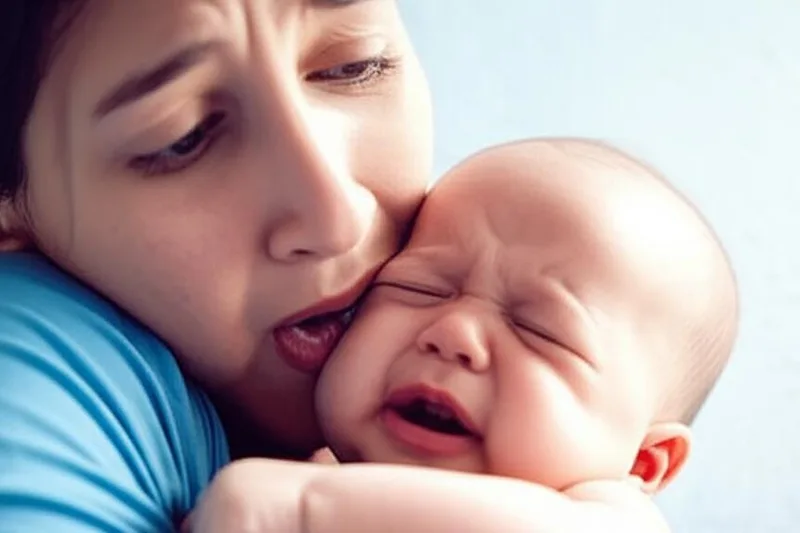
When we have a baby at home, we have a lot of joy and responsibility, right? Sometimes, when the baby cries all the time, we are more likely to make a small mistake due to the stress and anger that come to our mind without even realizing it. At such times, there is a dangerous thing that should not be done for any reason , but sometimes due to ignorance, this is called 'Shaken Baby Syndrome'. Let's talk about this in a little more detail today, because this is something that every mother, father, and everyone who takes care of a baby should know.
What exactly is 'Shaken Baby Syndrome'?
Simply put, this refers to the damage that can occur to the brain when a baby or toddler is shaken violently . Think about it, a baby's head is a little big and heavy compared to the rest of their body. Their neck muscles are not yet strong enough. So if someone shakes a baby hard, the baby's brain is bouncing back and forth inside the head. It's like water being shaken inside a coconut. This can cause swelling, bruising, and bleeding inside the brain. Sometimes this condition can even damage the baby's eyes, neck, and spine. Another name for this is 'Abusive Head Trauma'. It means violent injury to the head.
Why on earth is this happening?
This often happens because the baby's mother, father, or other caregiver is frustrated or angry when the baby cries. They may think that shaking the baby will stop the crying. At other times, the caregiver may be under a lot of stress. Then they can't handle the responsibility of caring for a child. Some people don't even realize that shaking a baby is so dangerous.
But one thing to remember. It is very normal for babies to cry. Sometimes they cry incessantly no matter what you do. However, the solution is never to shake, hit, or throw a baby. Even shaking a baby for a short period of time, like 5 seconds, can cause serious damage. It can cause brain damage, permanent disabilities, and even death.
Who is most affected by this situation?
This 'shaken baby syndrome' can happen to anyone. Most of the time, the baby is shaken by someone who has a direct relationship with the baby (mother, father) or someone who has an indirect relationship (babysitter, other family member). It is not limited to any race, income level, or family background.
Babies under one year of age are most susceptible to this condition. Babies between 2 and 8 months of age are especially at risk. Although this usually happens less often to children over 2 years of age, sometimes children as young as 6 years old have been subjected to this type of abuse.
How common is this situation really?
According to the National Center on Shaken Baby Syndrome, between 600 and 1,400 such cases are reported each year in the United States alone. It is said to be the leading cause of death due to child abuse among children under the age of 5 in the United States. Such cases are also reported in Sri Lanka, but most of the time they go undiagnosed.
Just think, shaking a small baby too hard can cause serious bleeding inside the brain. This is something that can affect them for the rest of their lives.
How does this affect the baby? What harm can it cause?
Shaken baby syndrome can cause very serious health problems for the baby. Let's take a look at what's mainly happening.
Brain damage
- Subdural hematoma: This is a collection of blood between the surface of the baby's brain and the tough membrane called the dura that surrounds the brain. When the baby is moved, the tiny blood vessels that run from the brain to this dura can stretch and rupture, causing bleeding.
- Subarachnoid hemorrhage: This is when bleeding occurs between the baby's brain and the spider-web-like membrane (the arachnoid) that surrounds the brain.
- Direct brain trauma : This can happen when a baby's brain is hit hard inside the head.
- Brain damage: If the baby stops breathing while being shaken, the brain can be deprived of oxygen and suffer brain damage.
- Brain cell damage: Chemicals are released from injured nerve cells , which further reduces the amount of oxygen reaching the brain and can cause the cells to die.
Damage to the eyes
- Retinal hemorrhages: This is bleeding behind the retina in the baby's eyes. This is a common symptom of shaken baby syndrome.
Injuries to the neck, spine, and other bones
- Neck and spinal cord damage: The delicate nerves in the neck and spinal cord can be damaged.
- Fractures: The skull, ribs, collarbone, and even the bones of the arms and legs can break.
How long does it take for symptoms to appear?
Symptoms of 'Shaken Baby Syndrome' soon after shaking the babySymptoms can begin to appear. These symptoms usually peak between 4 and 6 hours after exposure. Some symptoms may appear immediately, but others may appear later in life. For example, a child who is exposed to this type of shock as a child may develop attention and behavioral problems as they grow older.
What are the main symptoms of this?
If a baby is injured by being shaken, they may experience sudden, severe symptoms such as loss of consciousness, seizures, and shock. Other symptoms may include:
- Not smiling, not talking, not whispering.
- Severe restlessness, irritability.
- Vomiting .
- Loss of appetite , difficulty drinking milk.
- Difficulty breathing.
- Excessive fatigue, drowsiness, lethargy, and sleepiness that cannot be awakened.
- Pale or blue skin.
- Bruises on the arms and chest.
- The head appears large, the forehead protrudes forward.
- The fontanelle , the delicate spot on the top of the head, is swollen and bulging.
- Inability to raise the head.
- Widened pupils.
- Inability to focus the eyes on one spot, unable to look at anything that moves.
- Tremors.
- Being unconscious (coma).
Is it possible for this situation to go unnoticed and unnoticed?
Yes, sometimes there may be no visible signs of abuse or injury from the outside. Caregivers or doctors who are unaware that the baby has been shaken may not immediately detect the damage that has occurred inside. They may think that the cause of these symptoms in the baby is something else, such as a viral fever. That is why it is so important to be aware of this.
What exactly causes this?
Shaken baby syndrome occurs when someone shakes a baby or young child violently and quickly . It can also occur when a child is hit on the head, thrown, or dropped on purpose. When a child is shaken or hit, their brain is rapidly jolting back and forth inside the head.
Young children's brains are very soft. Their ligaments are weak. The muscles in their necks are not yet fully developed. In addition, their heads are large and heavy compared to the rest of their bodies. When shaken this violently, the child's blood vessels, nerves, and tissues are torn. This causes the brain to swell, bruise, and bleed.
This often happens when a baby cries continuously and the caregiver is upset and angry. They are unable to control their anger and stress. In most cases, the caregiver does not intentionally harm the baby, but this is also a serious form of child abuse.
So, does this happen by gently holding a baby up and holding it on your knee and rocking it?
No. Shaken baby syndrome is a form of child abuse. It happens when someone violently and quickly shakes a baby or young child. It doesn't happen because of these things:
- By holding the baby on your knee and gently rocking it.
- By gently lifting the baby up and holding it again (but this too must be done carefully).
- By riding a bike with a baby (with the baby in a safety seat).
- The baby may fall unexpectedly, for example from a chair (this is also dangerous, but does not cause SBS).
- When the car suddenly stops while driving, when going over potholes in the road.
These activities are not recommended because they can be dangerous, but they do not cause the severe injuries seen in 'shaken baby syndrome'. The main thing is that SBS is caused by violent, rapid, uncontrolled shaking.
How do doctors diagnose this?
Shaken Baby Syndrome can sometimes be difficult to diagnose. There are several reasons for this:
- Doctors don't always know the full story, whether the baby's injuries are related to trauma or not.
- Doctors can't tell babies and very young children what's wrong or where it hurts.
- Many of the symptoms of shaken baby syndrome (such as restlessness, vomiting, and drowsiness) can also be seen in other medical conditions (such as viral infections ).
Therefore, a doctor uses visual signs and tests to diagnose the condition and determine its severity. They look for blood in the baby's eyes, look for any marks on the scalp, arms, and legs, and look for bruises around the neck and chest.
What tests are done to diagnose this condition?
Doctors may use certain imaging tests to diagnose shaken baby syndrome. These tests can show if the baby has swelling, bleeding, or fractures in the skull or ribs. These tests include:
- X-rays
- CT scan (Computed tomography – CT scans)
- MRI scans (Magnetic resonance imaging – MRI scans)
Your baby's doctor may also do an eye exam to check for bleeding in the retina (retinal hemorrhages). This bleeding can occur above, below, or inside the retina. The injury can cause the layers of your baby's retina to separate (retinoschisis). The jelly-like substance inside the eye (vitreous) can also fill with blood.
How is this treated?
If your baby has any signs of shaken baby syndrome, seek immediate medical attention. This is not something you can treat at home.
In relatively less serious cases, the baby may need to be given medication and kept under observation in the hospital.
In more severe cases, life-saving treatment may be needed. If the baby is having trouble breathing, a breathing tube may need to be inserted. A surgeon may need to perform surgery to stop bleeding in the baby's brain or reduce swelling.
How on earth can we prevent something so dangerous as this?
Parents or caregivers who shake their babies usually say that it happened when the baby cried too much to stop. It's normal for babies to cry, and it can be really distressing. However, you can prevent this 'shaken baby syndrome' by understanding the dangers of shaking your baby and seeking help when necessary. Try these things:
- First, check to see if the baby is in any discomfort. Check to see if the diaper is clean, if he is hungry, if he is cold. Check for signs of illness such as fever, swelling, or if he is in pain from anything.
- Once all of your baby's needs have been met, introduce other sounds. Put on a radio, sing a song, talk to your baby. Some babies like the sounds of a vacuum cleaner, washing machine, hair dryer, or fan.
- Give the baby a toy and a pacifier.
- Try to give milk, and if you can give it by bottle, give it.
- Swaddle the baby, or gently rock him/her.
- Take your baby for a short ride in the car (with the baby in a safe car seat).
- Put the baby in the stroller and go for a walk.
- Put the baby in a swing outside and ride.
- If you feel very tired or angry, ask someone else (a friend, relative, neighbor) to help you take care of the baby for a while. There's no shame in asking for help.
- If no one else is around, place the baby safely in his crib and leave the room for a while to calm down. Remember, babies won't be harmed if they cry, but if they are shaken, they will definitely be harmed.
Make sure that anyone who looks after your baby (babysitters, nannies, other caregivers) is aware of the dangers of shaking a baby. It is also important that they know what to do and what not to do if they feel stressed while looking after your baby. Always check the background of your caregivers carefully. Never entrust your baby to someone you do not fully trust.
What is the outlook/prognosis in this situation?
Shaken baby syndrome is a very serious condition. The outlook varies depending on the severity of the baby's injuries, but it is generally not very good.
About 25% of babies die from injuries. Most often, the cause of death is:
- Swelling and increased pressure inside the baby's head and brain.
- Bleeding inside the baby's brain.
- Tearing of the baby's brain tissue.
Up to 80% of survivors can develop serious medical problems, severe neurological damage, and lifelong disabilities . Even babies who appear to be relatively unharmed by shaken baby syndrome can develop developmental problems later in life. Some of the conditions that can result from this condition include:
- Speech and developmental delays.
- Learning disabilities.
- Vision loss or blindness.
- Permanent hearing loss.
- Cerebral palsy.
- Epilepsy.
- Seizures.
- Paralysis.
Shaken baby syndrome is a severe form of physical child abuse that occurs when a parent or caregiver violently shakes a baby or child. This often happens when the baby won't stop crying, causing the caregiver to become angry and upset. This condition is completely preventable. If your baby won't stop crying, try some of the tips above, or ask a trusted caregiver for help.
Finally, the most important message to remember
A small child is a very delicate person. Their body, especially their head and neck, needs to be taken care of very carefully. Never, ever shake a small baby for any reason, no matter how angry or tired you are. What you do in those few seconds can ruin the baby's entire life.
If you feel the pressure of taking care of your baby is too much to bear, don't be shy and ask for help. It's your responsibility. Your baby's safety is more important than anything else. Make others aware of this. Then we can reduce such sad incidents.


💬 Comments (0)
No comments have been posted yet. Add your comment here for the first time.
Add your comment