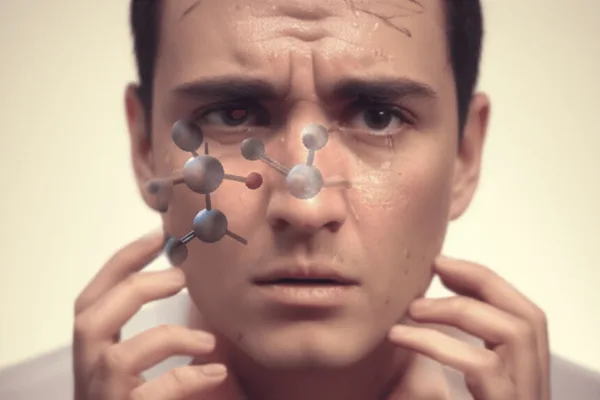
Do you feel like you're getting drunk even without drinking? This could be Auto-Brewery Syndrome!

Do you feel like you're getting drunk even without drinking? This could be Auto-Brewery Syndrome!

Imagine that you haven't had any alcohol , but you feel like you've been drinking. Your tongue slurs when you talk, you feel dizzy when you walk, and you feel dizzy. Your family and friends may even accuse you of drinking. Can this really happen to someone who hasn't had a single drop of alcohol ? Yes, it can. Today we're going to talk about a very rare but very important medical condition to be aware of.

Simply put, what is Auto-Brewery Syndrome (ABS)?

Another name for this is `gut fermentation syndrome`. Simply put, what happens in this is that the food we eat ferments and produces alcohol (ethanol) inside our intestines . It's like a small brewery working inside our stomachs. That's why it's called `Auto-Brewery Syndrome`.

Normally, our intestines are balanced with good and bad bacteria and fungi. We call this the `gut microbiome . ` But in someone with this condition, that balance is lost, and certain types of yeast or fungi (especially `Saccharomyces cerevisiae` and ` Candida albicans`) grow too much in the intestines. Then, when you eat foods high in carbohydrates , such as bread, rice, and sweets, those excess yeasts ferment that food and make alcohol.

When the amount of alcohol produced increases, our liver is unable to clean it all up. As a result, the alcohol builds up in the blood and we start to experience symptoms similar to those we would experience if we drank alcohol. This has been reported very rarely around the world, but many doctors believe that there may be more undiagnosed cases.

What could be the symptoms of this condition?

The symptoms are similar to those of alcohol intoxication. They can occur suddenly, especially after a meal high in carbohydrates.

Symptom category Visible features
General characteristics Feeling unexplained fatigue, dizziness, difficulty walking (such as staggering).
Mental and nervous system symptoms Slurred speech, inability to concentrate, memory loss, drowsiness, and chronic fatigue.
Characteristics related to the digestive system Conditions such as bloating, nausea, vomiting, stomach pain, and Irritable Bowel Syndrome (IBS).
In serious cases Seizures and even coma may occur.

The most dangerous thing about this is that if you drive a vehicle while you have these symptoms, it can be a great danger to yourself and others. Also, you can be guilty of drunk driving in the eyes of the law.

Who is at higher risk of developing this condition?

Although this condition can occur in even a healthy person, some people are at higher risk.

  • For those with diabetes .
  • For people with intestinal diseases such as Crohn's disease .
  • Short bowel syndrome (for those who have had part of the intestine surgically removed).
  • For people with non-alcoholic fatty liver disease (NAFLD).
  • People who use antibiotics for a long time. Because antibiotics kill the good bacteria in the intestines, allowing fungi to multiply.
  • For those who are accustomed to a high-carbohydrate diet.

How do you identify this exactly?

If you have these symptoms and others are accusing you of them, the first and best thing to do is to see a doctor immediately and talk about it.

The doctor will listen carefully to you about your symptoms. After that, they may do some tests to confirm the condition.

1. Blood tests: This will check your blood alcohol level. This can be done, especially if you have symptoms, to see if you have alcohol in your blood, even if you haven't drunk alcohol.

2. Fecal testing: This test helps to see if there is an overgrowth of yeast or fungi in the intestines.

3. Carbohydrate Challenge Test: This is the main test used to diagnose this disease. Here, when your blood alcohol level is at zero, the doctor gives you a glucose (sugar) liquid to drink. Then, your blood alcohol level is measured at different times over a few hours. If you have this disease, your blood alcohol level will increase after drinking the glucose.

How is it treated?

Once diagnosed, treatment usually involves a team of doctors, including your family doctor, a gastroenterologist, and a nutritionist.

Treatment methods can be mainly divided into two parts.

  • Drug treatment: Antifungal drugs are given to control the overgrowth of fungi in the intestines. Sometimes, if a bacterial infection is found to be the cause, antibiotics may also be given.
  • Dietary changes: This is the most important and longest-lasting treatment. Because alcohol is made from carbohydrates, you need to limit your intake of them.
  • Low-Carbohydrate Diet: Bread, rice, pasta, potatoes, sugar and sweet foods, and even fruits have to be severely limited.
  • Protein-rich foods: Your doctor will advise you to eat more protein-rich foods like meat, fish, and eggs.
  • For some people, this condition can be controlled without medication by properly controlling their diet.

In some cases, supplements such as probiotics can be given to help restore good bacteria in the gut. In very severe cases that do not respond to treatment, more advanced treatments such as fecal microbiota transplants may be considered.

Take-Home Message

  • Auto-Brewery Syndrome is a rare condition that causes a hangover due to the body producing alcohol itself, without drinking alcohol.
  • The main reason for this is the overgrowth of certain types of yeast or fungi in the intestines.
  • If you or someone you know is experiencing a hangover without drinking alcohol, do not take it lightly and seek medical advice immediately.
  • During treatment, it is very important to follow a low-carbohydrate diet , as well as medication.
  • It is very important to keep family and loved ones informed, as this condition can lead to social and legal problems.

Auto-Brewery Syndrome, gut fermentation syndrome, alcohol production in the stomach, dehydration, carbohydrates, digestive system, gut microbiome
⚠️ Important: The medical articles and information on Nirogi Lanka are for general awareness only, and are by no means a substitute for professional medical advice, diagnosis, or treatment. For any medical problem you have, consult a qualified physician immediately.

💬 Comments (0)

No comments have been posted yet. Add your comment here for the first time.

Add your comment

Please calculate: 7 + 5 =
Do you feel like you're getting drunk even without drinking? This could be Auto-Brewery Syndrome!
Nutrition and FoodAugust 16, 2025

Do you feel like you're getting drunk even without drinking? This could be Auto-Brewery Syndrome!

Imagine that you haven't had any alcohol , but you feel like you've been drinking. Your tongue slurs when you talk, you feel dizzy when you walk, and you feel dizzy. Your family and friends may even accuse you of drinking. Can this really happen to someone who hasn't had a single drop of alcohol ? Yes, it can. Today we're going to talk about a very rare but very important medical condition to be aware of.

Simply put, what is Auto-Brewery Syndrome (ABS)?

Another name for this is `gut fermentation syndrome`. Simply put, what happens in this is that the food we eat ferments and produces alcohol (ethanol) inside our intestines . It's like a small brewery working inside our stomachs. That's why it's called `Auto-Brewery Syndrome`.

Normally, our intestines are balanced with good and bad bacteria and fungi. We call this the `gut microbiome . ` But in someone with this condition, that balance is lost, and certain types of yeast or fungi (especially `Saccharomyces cerevisiae` and ` Candida albicans`) grow too much in the intestines. Then, when you eat foods high in carbohydrates , such as bread, rice, and sweets, those excess yeasts ferment that food and make alcohol.

When the amount of alcohol produced increases, our liver is unable to clean it all up. As a result, the alcohol builds up in the blood and we start to experience symptoms similar to those we would experience if we drank alcohol. This has been reported very rarely around the world, but many doctors believe that there may be more undiagnosed cases.

What could be the symptoms of this condition?

The symptoms are similar to those of alcohol intoxication. They can occur suddenly, especially after a meal high in carbohydrates.

Symptom category Visible features
General characteristics Feeling unexplained fatigue, dizziness, difficulty walking (such as staggering).
Mental and nervous system symptoms Slurred speech, inability to concentrate, memory loss, drowsiness, and chronic fatigue.
Characteristics related to the digestive system Conditions such as bloating, nausea, vomiting, stomach pain, and Irritable Bowel Syndrome (IBS).
In serious cases Seizures and even coma may occur.

The most dangerous thing about this is that if you drive a vehicle while you have these symptoms, it can be a great danger to yourself and others. Also, you can be guilty of drunk driving in the eyes of the law.

Who is at higher risk of developing this condition?

Although this condition can occur in even a healthy person, some people are at higher risk.

  • For those with diabetes .
  • For people with intestinal diseases such as Crohn's disease .
  • Short bowel syndrome (for those who have had part of the intestine surgically removed).
  • For people with non-alcoholic fatty liver disease (NAFLD).
  • People who use antibiotics for a long time. Because antibiotics kill the good bacteria in the intestines, allowing fungi to multiply.
  • For those who are accustomed to a high-carbohydrate diet.

How do you identify this exactly?

If you have these symptoms and others are accusing you of them, the first and best thing to do is to see a doctor immediately and talk about it.

The doctor will listen carefully to you about your symptoms. After that, they may do some tests to confirm the condition.

1. Blood tests: This will check your blood alcohol level. This can be done, especially if you have symptoms, to see if you have alcohol in your blood, even if you haven't drunk alcohol.

2. Fecal testing: This test helps to see if there is an overgrowth of yeast or fungi in the intestines.

3. Carbohydrate Challenge Test: This is the main test used to diagnose this disease. Here, when your blood alcohol level is at zero, the doctor gives you a glucose (sugar) liquid to drink. Then, your blood alcohol level is measured at different times over a few hours. If you have this disease, your blood alcohol level will increase after drinking the glucose.

How is it treated?

Once diagnosed, treatment usually involves a team of doctors, including your family doctor, a gastroenterologist, and a nutritionist.

Treatment methods can be mainly divided into two parts.

  • Drug treatment: Antifungal drugs are given to control the overgrowth of fungi in the intestines. Sometimes, if a bacterial infection is found to be the cause, antibiotics may also be given.
  • Dietary changes: This is the most important and longest-lasting treatment. Because alcohol is made from carbohydrates, you need to limit your intake of them.
  • Low-Carbohydrate Diet: Bread, rice, pasta, potatoes, sugar and sweet foods, and even fruits have to be severely limited.
  • Protein-rich foods: Your doctor will advise you to eat more protein-rich foods like meat, fish, and eggs.
  • For some people, this condition can be controlled without medication by properly controlling their diet.

In some cases, supplements such as probiotics can be given to help restore good bacteria in the gut. In very severe cases that do not respond to treatment, more advanced treatments such as fecal microbiota transplants may be considered.

Take-Home Message

  • Auto-Brewery Syndrome is a rare condition that causes a hangover due to the body producing alcohol itself, without drinking alcohol.
  • The main reason for this is the overgrowth of certain types of yeast or fungi in the intestines.
  • If you or someone you know is experiencing a hangover without drinking alcohol, do not take it lightly and seek medical advice immediately.
  • During treatment, it is very important to follow a low-carbohydrate diet , as well as medication.
  • It is very important to keep family and loved ones informed, as this condition can lead to social and legal problems.

Auto-Brewery Syndrome, gut fermentation syndrome, alcohol production in the stomach, dehydration, carbohydrates, digestive system, gut microbiome
⚠️ Important: The medical articles and information on Nirogi Lanka are for general awareness only, and are by no means a substitute for professional medical advice, diagnosis, or treatment. For any medical problem you have, consult a qualified physician immediately.

💬 Comments (0)

No comments have been posted yet. Add your comment here for the first time.

Add your comment

Please calculate: 7 + 5 =