

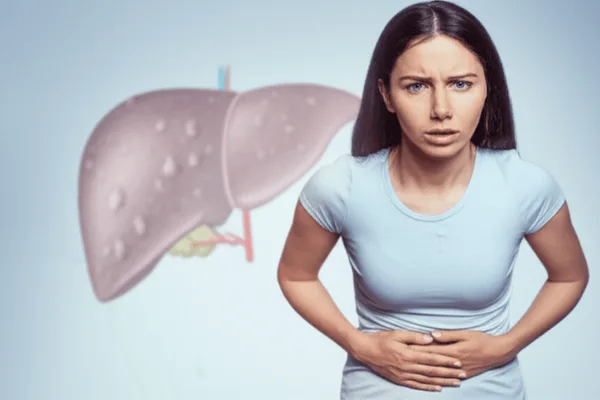
“Oh, doctor, I have fat deposits in my liver…” Have you heard something like this? Or do you also have this condition? Don’t worry. Today we are talking about this disease of fat deposits in the liver, or in other words, Steatotic Liver Disease. In the past, we called this “fatty liver.” What exactly is this? Why was it given a new name? Let’s talk about all this simply.
Why did the name "Fatty Liver" change?
We used to call this condition “fatty liver disease.” But in 2023, medical experts decided to change the name to “steatotic liver disease.” There are two main reasons for this. One is that the new name more accurately describes the causes of the condition. For example, while obesity is one cause, there are other risk factors that have nothing to do with weight. Another reason is that the term “fatty liver” can sometimes be embarrassing and stigmatizing for people with the condition, so changing the name helped to de-emphasize that. Simply put, “steatosis” is a term used by doctors to describe the accumulation of fat in an organ (usually the liver). A healthy, well-functioning liver contains a small amount of fat. This fat accumulation becomes a problem if it exceeds 5% of the liver's weight.
What are the types of fatty liver disease (SLD)?
Doctors classify SLD based on its causes and associated conditions. Let's take a look at the main types.
1. Alcohol-related liver disease (ALD)
What happens is that if you drink too much alcohol, fat builds up in your liver. Think about it, when you drink alcohol, your liver is the one that filters it out. In the process, some of the liver cells die. Normally, the liver can make new cells to replace the lost ones. But if you continue to drink too much alcohol, the liver can't do this job properly. That's when fat starts to build up in your liver, a condition called steatosis .
2. Metabolic dysfunction-associated steatotic liver disease (MASLD)
This was previously called non-alcoholic fatty liver disease (NAFLD). This is because the fat in the liver is not caused by excessive alcohol consumption. The new name says that the main factors that contribute to the development of fatty liver are cardiovascular and metabolic risk factors . Simply put, it is caused by certain conditions and characteristics that affect the health of your heart.
The main risk factors for developing MASLD are:
- Obesity
- Type 2 Diabetes
- High blood pressure
- Lipid abnormalities – These are imbalances in the types of fats in your blood, such as cholesterol and triglycerides.
Even if you drink a small amount of alcohol per week, that is, less than 140 grams per week for women and less than 210 grams per week for men, you can still be considered MASLD. (For example, in the United States, a typical 12-ounce can of beer contains about 14 grams of alcohol.)
3. Fatty deposits and inflammation in the liver due to metabolic dysfunction (Metabolic-associated steatohepatitis – MASH)
MASH is a more serious form of MASLD. In this condition, the liver becomes swollen and inflamed due to fat accumulation in the liver. Then, the liver tissue is damaged and begins to scar (fibrosis) . Previously, this was called non-alcoholic steatohepatitis (NASH).
4. MASLD and excessive alcohol use (MetALD)
If you have MetALD, it means that both metabolic risk factors and alcohol use have contributed to the accumulation of fat in your liver. In this case, you have cardiovascular and metabolic risk factors, and you consume more than 140 grams of alcohol per week for women and more than 210 grams for men.
Whether alcohol or metabolic risk factors are more likely to contribute to fat accumulation in the liver may vary from person to person.
5. Other SLD types
SLD can occur without alcohol use or metabolic risk factors. For example, some medications and other diseases can cause fat to build up in the liver. Sometimes doctors can't find a clear cause. SLD without a clear cause is called cryptogenic SLD .
Is fatty liver disease (SLD) a serious problem?
In most cases, fatty deposits in the liver do not cause any major problems or interfere with the normal functioning of the liver. However, sometimes this condition can gradually worsen and develop into liver disease. This usually happens in several stages:
- Hepatitis : The liver, which is initially filled with fat, becomes swollen and inflamed. This inflammation damages the liver tissue. This condition is called steatohepatitis. For example, MASLD becomes MASH as follows.
- Fibrosis: Scar tissue begins to form in areas of liver damage caused by inflammation. This causes the liver to become a little stiff. This process is called fibrosis .
- Cirrhosis of the liver: This is when healthy liver tissue is replaced by large amounts of scar tissue. This is when we call it cirrhosis of the liver. If not treated properly, cirrhosis can lead to life-threatening conditions like liver failure and liver cancer. For example, about 90% of people who develop hepatocellular carcinoma (HCC) , a type of liver cancer, have cirrhosis.
That's why it's so important to find out exactly what's causing your fatty liver and get treatment. Even if you have early stages of cirrhosis, there are things you can do to prevent further damage to your liver. Sometimes, if you follow your doctor's treatment plan carefully, you can even reverse some of the damage.
What are the symptoms of fatty liver disease (SLD)?
Not everyone with SLD will experience symptoms. Sometimes, if symptoms do occur, they may include:
- Stomach pain or a feeling of fullness in the upper right part of the abdomen.
- Feeling very tired or weak (fatigue).
However, most people only notice symptoms after SLD has progressed to cirrhosis . When cirrhosis develops, symptoms such as:
- Nausea.
- The food is tasteless.
- Being thin for no reason.
- Yellowing of the skin and whites of the eyes (jaundice).
- Ascites – This means that the abdomen is filled with fluid.
- Swelling (edema) of the legs, arms, or ankles.
- Bleeding (a doctor may see this in your esophagus, stomach, or rectum).
What are the causes of fatty liver disease (SLD)?
There are several reasons why SLD can develop. However, if you have cardiovascular and metabolic risk factors , if you use alcohol in an unhealthy way, or if you have both, you are more likely to develop SLD.
You are at higher risk of developing SLD if you have these things:
- Alcohol use disorder – that is, frequent or excessive alcohol consumption.
- Metabolic syndrome – This includes insulin resistance, high blood pressure, high cholesterol, and high triglyceride levels.
- Type 2 diabetes.
- Overweight – This means that your body mass index (BMI) is between 25 and 29.9 kg/m2.
- Obesity – BMI is 30 kg/m2 or more.
- Polycystic ovary syndrome (PCOS).
- Obstructive sleep apnea.
- Hypothyroidism.
- Decreased pituitary hormone levels (Hypopituitarism).
- Decreased sex hormones (Hypogonadism).
- Continuing to take certain medications. For example, Amiodarone (Amiodarone – Cordarone®), Diltiazem (Diltiazem – Cardizem®), Tamoxifen (Tamoxifen – Nolvadex®) or steroids. (Some medications can cause fat to build up in the liver as a side effect.)
What are the possible complications of SLD?
If left untreated, steatotic liver can progress to cirrhosis , which can lead to liver failure, liver cancer, and other cancers outside the liver. People with MASLD are particularly at risk for heart disease. It is important to remember that heart disease, not liver disease, is the leading cause of death among people with MASLD.
How is fatty liver disease (SLD) diagnosed?
Because SLD usually has no symptoms, your doctor may be the first to notice the problem. If your liver enzymes are elevated during a blood test for other conditions, it can be a warning sign. Elevated liver enzymes can mean that your liver is damaged.
To make a diagnosis, your doctor may do the following:
- Medical history: Asking about your medical conditions, how much alcohol you drink, and what medications you use.
- Physical exam: Check for signs of cirrhosis, such as an enlarged liver and jaundice .
- Imaging procedures: Tests such as an ultrasound , CT scan (Computed Tomography scan) , or MRI (Magnetic Resonance Imaging) scan are used to look for inflammation and scarring in the liver. A special ultrasound test called FibroScan® may be used to determine the amount of fat and scar tissue in the liver.
- Liver biopsy: This test is done to determine exactly how advanced the liver disease is. The only way to accurately differentiate between MASLD and MASH is to have a liver biopsy .
How is fatty liver disease (SLD) treated?
There is no specific treatment or medication for this condition. Instead, doctors focus on helping you control the risk factors that contribute to the condition. This includes making lifestyle changes that can improve your health.
Your doctor may recommend the following:
- Stop drinking alcohol completely: Even if your SLD was not caused by alcohol use, avoid alcohol completely.
- Lose weight: Exercise, dietary changes under the supervision of a nutritionist, and some medications, such as GLP-1RA, can help you lose weight. You may also consider weight loss surgery.(Bariatric surgery) may also be eligible.
- Take medications to control metabolic conditions: Take your prescribed medications to control diabetes, cholesterol, and blood fats (triglycerides). In some cases, you may also need to take vitamin E and thiazolidinediones (medicines for diabetes such as Actos® and Avandia® ).
- Get vaccinated against Hepatitis A and Hepatitis B : These viral infections are especially dangerous if you already have liver disease.
If a medication you're taking is causing fat to build up in your liver, your doctor may change your prescription.
How to prevent fatty liver disease (SLD)?
The best way to avoid SLD is to maintain your overall health:
- Exercise regularly.
- Limit your alcohol consumption.
- Maintain a healthy weight for you.
- If you have type 2 diabetes or metabolic syndrome, take your prescribed medication exactly as prescribed.
Is fatty liver disease (SLD) curable?
Depending on the severity of your condition, SLD can be reversed and some scarring can even be repaired. Your liver has an amazing ability to heal itself. If you follow your doctor's treatment plan exactly, you can reduce the amount of fat and inflammation in your liver. You can prevent the damage from getting worse, and in some cases, even reverse early liver damage.
Can SLD cause death?
For most people, SLD does not cause major problems unless it progresses to advanced cirrhosis . Many people with SLD live a normal life span.
However, untreated cirrhosis of the liver can eventually lead to liver failure or liver cancer. The liver is an essential organ for you. That's why it's so important to protect your liver if you find out you have SLD.
What is a good diet for someone with SLD?
If your SLD is associated with weight gain, follow a balanced diet to lose weight slowly but steadily. Doctors often recommend avoiding sugary foods. They also recommend trying the Mediterranean diet . It is rich in vegetables, fruits, and good fats. Also, things like nuts, legumes, whole grains, fish, and chicken are good food choices for people with SLD. It is also very important to avoid eating too much red meat and drinking sugary drinks.
It is a good idea to seek advice from your doctor or nutritionist about healthy ways to lose weight.
Frequently Asked Questions (FAQ)
Question: How much damage has been done to my liver?
Answer: Your doctor can tell you for sure. He will do blood tests, scans (Ultrasound, FibroScan) to check how much fat is in your liver and whether there is any scarring. Then he will explain the situation to you.
Question: How long does it take for liver damage to recover?
Answer:It really depends on your condition and your efforts. If it's in the early stages, if you control your diet and lose weight, you can see a good change in a few months. If it's severe, like cirrhosis, it's difficult to completely cure it, but you can stop it from getting worse.
Question: Do the medications I take affect SLD?
Answer: Yes, it can. Some medications, for example, Amiodarone and Diltiazem, can affect the liver. That's why you should tell your doctor about all the medications you take. He or she will then check to see if there is a problem with those medications.
Question: What is a healthy weight for me?
Answer: It depends on your height and age. It's generally best to keep your BMI under 25. But the best thing to do is ask your doctor or a nutritionist about the right weight for you. Even losing a little weight can be a big relief for your liver.
Question: Can I meet with a nutritionist to learn about a healthy diet?
Answer: Absolutely! That's the best thing to do. A nutritionist can help you create a list of foods that are right for you. They can tell you about things like the Mediterranean diet and easy-to-prepare foods. If you ask your doctor, he can refer you.
Question: How do I get treatment for alcohol use disorder?
Answer: If you are having trouble quitting drinking, don't be embarrassed. It's normal. The best thing to do is talk to your doctor about it. He or she can help you, and if necessary, refer you to a counseling service or a specialist. Remember, staying away from alcohol is essential to saving your liver.
The most important thing to remember (Take-Home Message)
Steatotic liver disease, also known as SLD, is a condition that causes cirrhosis.Consider it a warning sign that can help you avoid potentially fatal liver conditions like cirrhosis or liver cancer. Having too much fat in your liver is different from having liver scarring, and it's a much less serious condition. Work with your doctor to understand if you're at risk for liver inflammation or scarring. If you're at risk, focus on controlling the causes and contributing factors, including alcohol use and metabolic syndrome. You can take steps to protect your liver, improve your health, and maybe even save your life!




💬 Comments (0)
No comments have been posted yet. Add your comment here for the first time.
Add your comment