
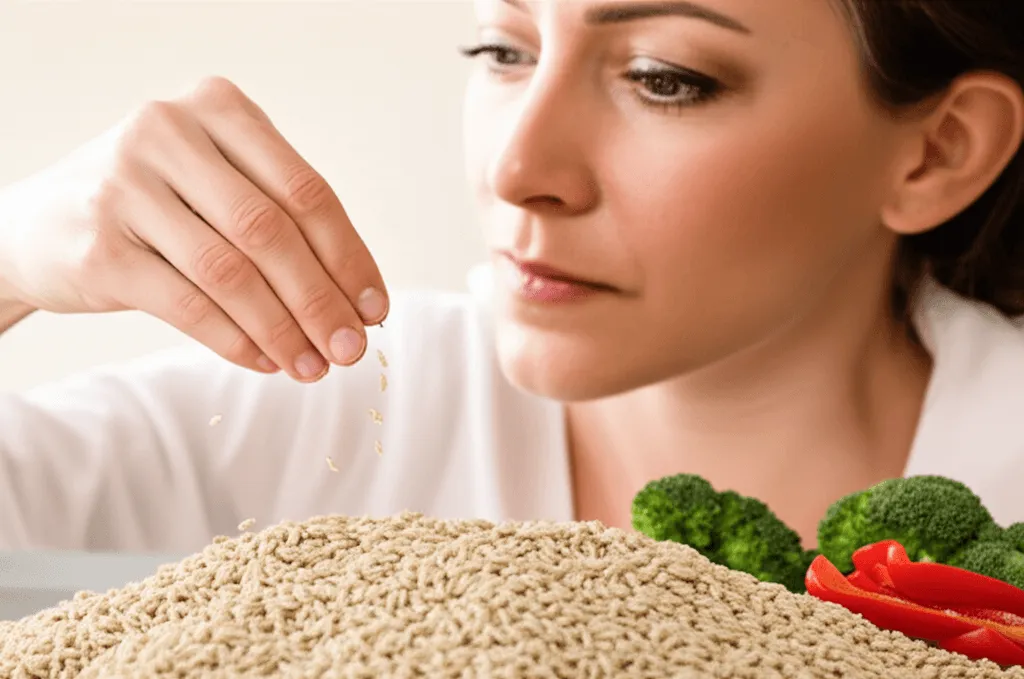
Many people have a strange relationship with carbohydrates, or “carbs” as we all know them. We all love the taste of foods like bread, pasta, potatoes, and rice. But when we gain a little weight or develop some other illness, we first blame these foods. How many times have you heard the story “I got big with rice”? But carbohydrates are not really good or bad. Most of the foods we eat contain carbohydrates. Also, carbohydrates are a major source of energy, or fuel, that our bodies need to function throughout the day.
Sapa uru uma apsuña calculadora. Ukhamaraki, hidratación personalizada uka meta ukaxa cuerpo peso, nivel de actividad ukatxa clima ukanakampi chikachasiñawa.
Simply put, what are carbohydrates?
Carbohydrates are a major nutrient that our body needs in large amounts, which is called a macronutrient . The other two major nutrients that we need in large amounts are protein and fat . In addition to these, there are nutrients that we need in small amounts, such as vitamins and minerals , which we call micronutrients.
Carbohydrates can be divided into two main categories:
1. Simple Carbohydrates: These are digested very quickly. Therefore, they can cause a sudden increase in blood sugar levels. This can also cause weight gain in the long run.
2. Complex Carbohydrates: These take longer to digest and contain many valuable nutrients like fiber , vitamins, and minerals.
On average, a healthy adult should get between 45% and 65% of their total daily calories from carbohydrates. For someone who eats 2,000 calories a day, this would be about 275 grams. However , this amount can vary depending on your age, activity level, and health status . So it's best to talk to your doctor about the right amount for you. It's important to get most of your carbohydrates from healthy, complex carbohydrates.
3 types of carbohydrates in the foods we eat
There are three main types of carbohydrates in the foods we eat and drink. If you understand these clearly, it will be easier for you to choose between good and bad.
| Type of carbohydrate | Description | Examples |
|---|---|---|
| Sugars | These are the simplest carbohydrates. Some are found naturally in foods. Some are added artificially when preparing food. | Fructose in fruit, lactose in milk and dairy products, sugar added to sweetened drinks, cakes, and biscuits. |
| Starches | These are a type of complex carbohydrate made up of many sugar molecules joined together. | Rice (especially bran rice), potatoes, sweet potatoes, cassava, grains, legumes like chickpeas, peas, and lentils. |
| Fiber | This is also a type of complex carbohydrate. However, our bodies cannot digest these. Therefore, they pass through the digestive system and are excreted in the feces. | Vegetables, fruits, herbs, oats, legumes, whole grains, nuts. |
What are the benefits of good carbohydrates for the body?
It's very important to include the right types of carbohydrates in your diet. Here are a few reasons why:
- Providing energy: Carbohydrates are our body's main source of fuel. They break down into glucose, which provides energy to our brain and muscles. Protein or fat cannot provide energy as efficiently.
- Nutrient-rich foods: Carbohydrates that come from whole foods, such as fruits, vegetables, and whole grains, are packed with vitamins, minerals, and disease-fighting phytonutrients .
- Get Fiber: In addition to facilitating digestion , fiber helps lower blood cholesterol levels and control blood sugar levels. Eating a diet rich in fiber can also reduce the risk of heart disease and some types of cancer .
- Helps maintain a healthy weight: Think about it, you feel more full when you eat a whole grain bread than you do when you eat two slices of white bread, right? The reason is that complex carbohydrates contain fiber. These make you feel full, which helps control overeating. It is a big myth that healthy carbohydrates cause weight gain.
So what do you think about this 'low-carb' diet?
People trying to lose weight are often directed to low-fat or low-carb diets. Both of these methods can help you lose weight. However, some research has shown that low-fat diets can help you lose more body fat.
When you start a low-carb diet, you may feel like you're losing weight very quickly in the first few days. The main reason for this is the loss of water retention in your body. It's not really fat burning.
Also, some low-carb diets can be high in saturated fats, which isn't good for heart health in the long run.
In two studies conducted by the National Institutes of Health, participants were asked to eat only the food provided, without bringing in outside food. In one study, participants were asked to try both low-fat and low-carb diets. Although both diets resulted in weight loss, the low-fat diet resulted in the greatest loss of body fat .
Therefore, rather than suddenly stopping rice and bread completely, it is wiser to be careful about the type and amount of carbohydrates you choose .
Carbohydrates and Blood Sugar
If you have diabetes and are concerned about the amount of carbohydrates you consume, it is very important to be aware of these two concepts.
1. Glycemic Index (GI): Simply put, this is a rating of how quickly the carbohydrates in a food are converted into sugar. Foods with a high GI raise blood sugar levels quickly.
2. Glycemic Load (GL): You can't decide whether a food is good or bad based on the GI value alone. Because it doesn't take into account the amount we eat. For example, watermelon has a high GI value, but the amount of carbohydrates in a piece of watermelon we eat is low. The glycemic load (GL) also takes into account the amount of food we eat. Therefore, this GL value is more useful for diabetes management and healthy food choices.
| Classification of foods according to glycemic load | |
|---|---|
| Foods with a high glycemic load that should be reduced | |
| Chocolate, toffee, candy | Processed breakfast cereals |
| French fries | White rice, white bread |
| Boiled potatoes | Sweet drink |
| Healthy foods with a low glycemic load to choose from | |
| Apples, oranges, pears | Nuts like peanuts and cashews |
| Chickpeas, peas, lentils | Vegetables like carrots, beans, cabbage |
| Oats, bran cereal | Yogurt (sugar-free) |
💡 Take-Home Message
- Carbohydrates are our body's main source of fuel. They are not the enemy. What matters is the type and amount of carbohydrates you choose.
- Choose complex carbohydrates such as whole grains, vegetables, and fruits instead of simple, refined carbohydrates like sugar, white bread, and white rice.
- The initial weight loss on a low-carb diet is due to water loss, not fat loss. With any diet, consider heart health.
- If you have diabetes or another medical condition, it is very useful to be aware of the glycemic load when choosing foods.
- Before making any major changes to your diet, especially if you have a medical condition, be sure to talk to your doctor or pharmacist for advice.






Janiw kuna arsuwinakas jichhakamax uñt’ayatäkiti. Aka chiqanx amuyt’awim jan ukax jiskt’awim yapxatañamawa.