
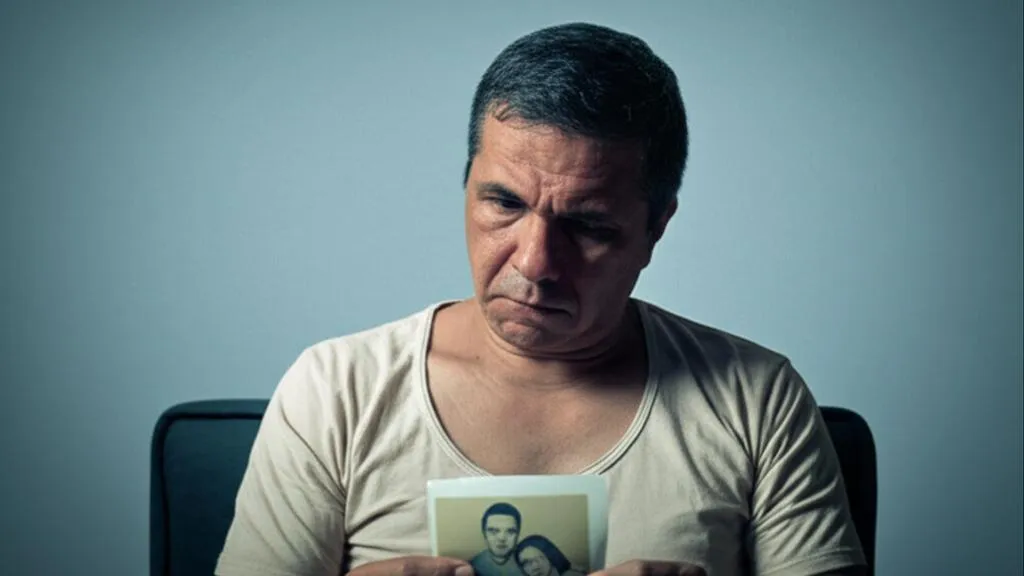
When you think of breast cancer, does a woman come to mind? In fact, many in our society think that this is a disease limited to women. But did you know that men can also develop this disease, albeit at a very low percentage? This is a topic that is often not discussed, hidden from the eyes of society, but we definitely need to be aware of it.
Know your body mass index (BMI) and weight classification
Even a teledrama can educate a society.
The popular foreign TV series "A Million Little Things" that aired recently talks about this in a wonderful way. In this story, a male protagonist develops breast cancer. Imagine how difficult it is for that character to tell even his best friends about this. This story shows how he feels left out, even in a support group, with no one to listen to him.
These kinds of creations are really important. Because they break down the misconceptions in society, such as 'this is a women's disease,' and instill compassion and kindness in people's hearts. Stories like these remind us how valuable our support is to anyone suffering from breast cancer, whether a woman or a man.
Why do men also get breast cancer?
Now you may be wondering, "How do men get breast cancer ?" Simply put, men have breast tissue, just like women. But this tissue doesn't grow like women do. However, when the cells in this breast tissue, for some reason, start to divide abnormally and uncontrollably, cancer can develop.
This is very rare. Less than 1% of all breast cancer cases reported worldwide are in men. However, rare does not mean it doesn't happen. That's why it's important to be aware.
The invisible battle that comes with the disease: mental stress
When a man is diagnosed with breast cancer, he has to fight another big battle in addition to fighting the disease. That is, the battle with societal attitudes.
- Shame and ostracism: Due to the social perception that "this is a woman's disease," many men feel ashamed to admit they have this condition. They may feel as if their masculinity has been diminished.
- Lack of support:When you tell your family and friends about this, some may laugh it off. Or they may not take it seriously. This can make the patient even more depressed.
- Loneliness: Breast cancer support groups are often filled with women, so a man can feel very alone and like an outsider when he goes to such a place.
Because of all this, coping with this mental stress can sometimes be more difficult than treating the illness.
What symptoms should we look out for?
It is very important for women and men to be aware of their bodies. Because like any disease, breast cancer is easier to treat the sooner it is detected. The table below shows some of the symptoms that a man may experience.
| Symptom | Description |
|---|---|
| A lump in the breast or armpit | A firm, palpable lump, often painless, is the most common symptom. |
| Nipple changes | Nipple retraction, discharge of fluid or blood from the nipple, redness or peeling of the skin around the nipple. |
| Breast skin changes | The skin of the breast may appear dimpled, like an orange peel, dimpling, redness, or discoloration. |
| Pain | In some cases, pain may occur in the breast area or nipple. |
The most important thing is that if you or someone you know notices any of these changes, don't be afraid or embarrassed, and see a doctor right away. Not every lump is cancer. But knowing exactly what it is could help save your life.
How do we support?
If a family member, friend, or man you know has this condition, there are many things you can do for them.
- Listen carefully: Listen to what he has to say without judgment. Allow him to express his fears and sadness.
- Don't trivialize feelings: Don't say things like "What's that?" or "Never mind." Instead, say things like "I understand you're having a hard time," or "I'm with you."
- Help in practical ways: Go with him to the doctor, help him research treatment options. Little things like this will be a big help to him.
- Educate others: Talk to your family and friends about this disease and the stress it brings. This can help dispel misconceptions in society.
- Encourage professional help: Remind the patient to talk openly with the doctor about their feelings. If necessary, they may also seek counseling.
Ultimately, a disease is not something to be ashamed of. It is just a condition that occurs in our bodies. It should be faced with love, understanding, and proper medical treatment.
💡 Take-Home Message
- Breast cancer is not limited to women; although it is very rare, it can also occur in men.
- If you notice anything unusual, such as a lump in your breast or armpit, a skin change, or a discharge from your nipple, don't be afraid or embarrassed, see a doctor immediately.
- A man diagnosed with this disease may face severe psychological stress due to the wrong attitudes of society. Therefore, our love, understanding, and support are very valuable to a person with this disease.
- By openly talking about hidden topics like these, we dispel misconceptions in society and pave the way for support for those in need.






No comments yet. Be the first to share your question or experience below.