
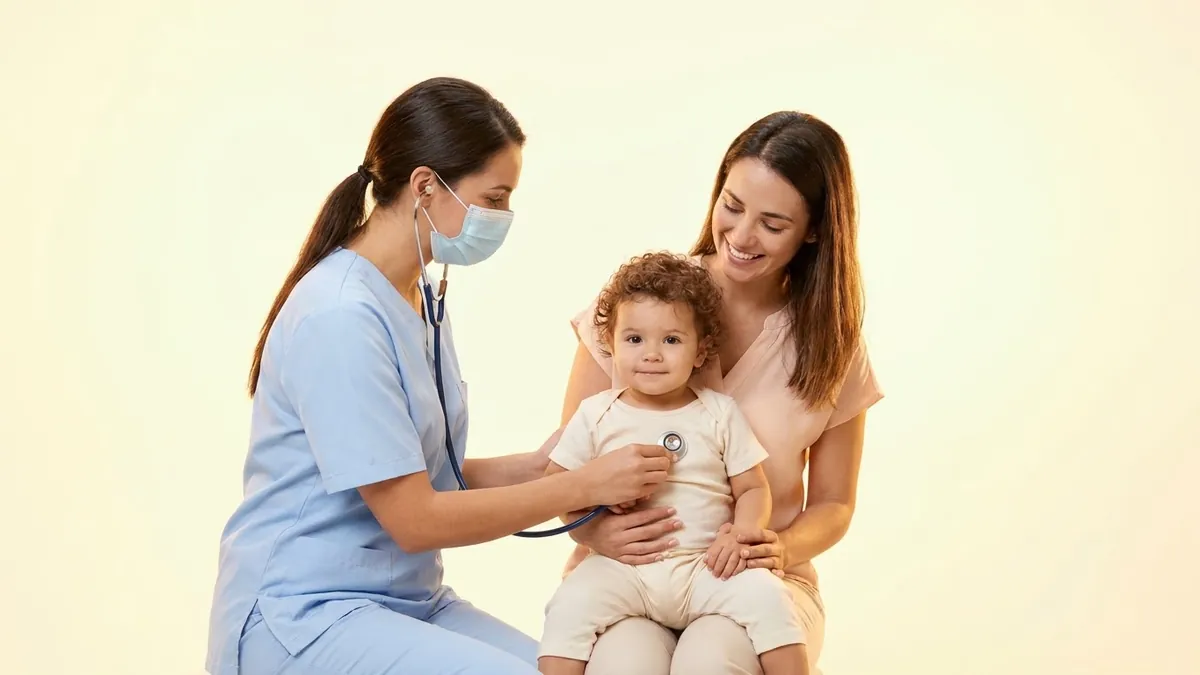
These days, the biggest fear in the mind of every parent is whether their little one will get the coronavirus, or COVID-19. Can children get it? What happens if they do? Will it be as bad as ours? You probably have many questions like these on your mind. Don't be afraid. Let's talk about this clearly and calmly today.
Gratis usurïña uruxa calculadora. Qhipa periodo uru jan ukax concepción uru qillqt’aña, EDD, jichha trimestre ukat jach’a lurawinakat jikxatañataki.
How dangerous is it for children to get coronavirus?
Actually, yes. Just like adults, children can get infected with the coronavirus that causes COVID-19. But the good news is that most of the time, when children get it, the symptoms are very mild. Some children can get the disease without any symptoms at all and recover.
But there are two situations where we need to be especially careful.
1. Babies under one year old: These little ones are more likely to be affected by the disease.
2. Children with other chronic diseases: These children are also at higher risk. We'll talk about that later.
The most important thing is to get your child vaccinated against COVID-19 at the right age. The vaccine can greatly reduce the risk of your child getting the disease and its severity.
Some children can develop a serious condition called Multisystem Inflammatory Syndrome in Children (MIS-C) a few weeks after contracting COVID-19. This is a rare condition, but it requires immediate medical attention. Let's take a look at that too.
Are the symptoms of coronavirus different in children and adults?
In general, there is no big difference. The symptoms of COVID-19 in children are similar to those in adults. However, more than 90% of children show very mild symptoms, similar to a cold.
Special attention to Multisystem Inflammatory Syndrome (MIS-C)
This is something we as parents need to know a little bit about. After contracting COVID-19, and perhaps recovering without any symptoms, a condition called (MIS-C) can occur between 2 and 6 weeks later. This is when various organ systems in the body (such as the heart, lungs, kidneys, and brain) become inflamed, or in other words, inflamed.
This condition can present with symptoms similar to Toxic Shock Syndrome or Kawasaki Disease (a disease that causes inflammation of the blood vessels in children).
| Fever | High fever that lasts for several days. |
| Stomach ache, vomiting, or diarrhea | Severe stomach pain. |
| Skin rash | Red rashes on various parts of the body. |
| Other features | Headache, confusion, red eyes, chapped lips. |
What if children with other illnesses get coronavirus?
Children with certain chronic conditions may have a more severe illness if they get COVID-19. Therefore, we need to be extra careful with these children.
- Asthma or other respiratory diseases
- Diabetes
- Blood disorders
- Heart or liver disease
- Kidney diseases requiring dialysis
- Diseases or medications that weaken the immune system
If your child has this condition, be sure to talk to your doctor about ways to protect against the virus and about getting vaccinated.
How can I protect my child from the coronavirus?
With a few simple, everyday habits, we can protect our children from these infectious diseases.
1. Vaccination
This is the most important and effective way. Every child over 6 months of age can get the COVID-19 vaccine. This will protect the child from severe illness.
2. Wash your hands frequently.
Make this a habit. Teach your child to wash their hands thoroughly with soap and water for at least 20 seconds. That's about the time it takes to sing the "Happy Birthday" song twice. Make sure to thoroughly clean their palms, backs of their hands, between their fingers, and under their nails. If soap and water are not available, use a hand sanitizer that contains at least 60% alcohol.Use one.
3. Keeping the house clean
Clean frequently touched surfaces such as doorknobs, light switches, tables, and telephones daily. Wash and dry your child's toys, especially stuffed animals, regularly.
4. Stay away from sick people
Keep your child away from people who have a fever or cold. And if your child is sick, keep them home. This will help prevent them from spreading the illness to others.
What treatment is given to young children if they get coronavirus?
Most children do not need special treatment. The main thing is to stay home, get plenty of rest, and drink fluids (water, fruit juice) .
Important: Do not give aspirin to children under 19 years of age for fever. It can cause a serious condition called Reye's syndrome. It is safer to give acetaminophen for fever or pain. Ask your doctor before giving NSAIDs such as ibuprofen or naproxen.
Children who are hospitalized and at high risk are given antiviral drugs like Remdesivir . Children over the age of 12 who are at high risk are also given a drug called Paxlovid . All of this is decided by the treating doctor.
What to do if your child gets coronavirus?
If you suspect your child has COVID-19 symptoms, the first thing to do is to call your doctor . He or she will give you the necessary advice. If your child is confirmed to have the disease, follow these steps.
1. Isolate the child:
- Keep them in a separate room away from other people in the house. If possible, let them use a separate bathroom.
- Do not allow pets at home to be cuddled or kissed.
- Wear a mask when you approach the child.
2. Do not share personal items:
- Keep things like glasses, plates, spoons, towels, and bedding separate for the child.
3. Monitor symptoms:
- Be aware of your child's condition. If any of the following warning signs appear, take them to a hospital's Emergency Treatment Unit (ETU) immediately.
- Difficulty breathing
- Chest pain or tightness
- Confusion or excessive sleepiness
- Blue lips or face
4. Ending the isolation period:
- Once the child has been fever-free for a full day without fever-reducing medication and all other symptoms have resolved, they can socialize with others.
- However, you will still need to wear a face mask when around other people for another 5 days.
💡 Take-Home Message
- Although children can get COVID-19, it is often mild. But be especially careful with babies under one year old and children with other illnesses.
- The best way to protect your child from severe illness is to get the COVID-19 vaccine.
- Simple habits like washing your hands frequently and keeping your home clean can provide great protection.
- Be aware of the symptoms of MIS-C (high fever, stomach ache, vomiting) that appear a few weeks after contracting COVID-19. If you have such symptoms, see a doctor immediately.
- If your child becomes ill, do not panic and call your doctor first for advice. If there are serious symptoms, such as difficulty breathing, go to a hospital's Emergency Treatment Unit (ETU) immediately.


Janiw kuna arsuwinakas jichhakamax uñt’ayatäkiti. Aka chiqanx amuyt’awim jan ukax jiskt’awim yapxatañamawa.