
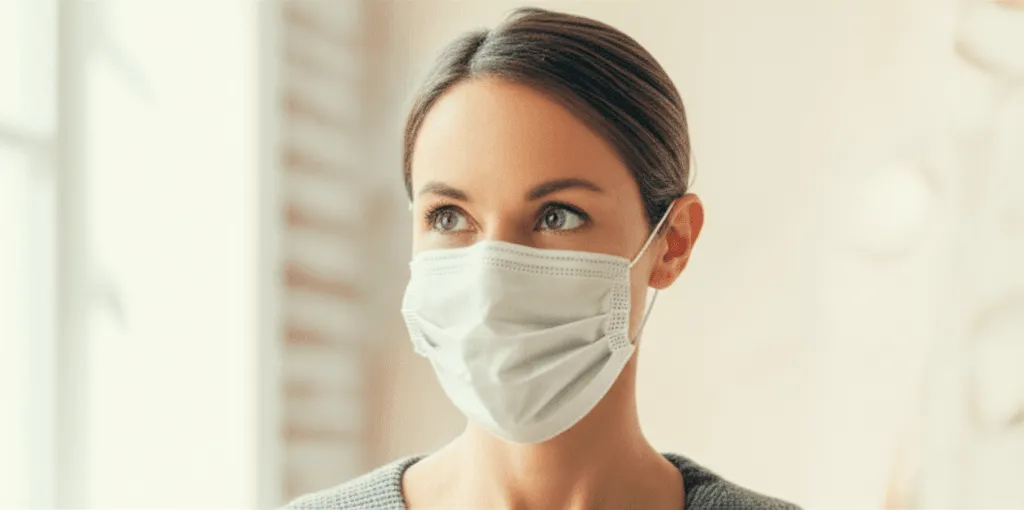
You may think that the COVID-19 pandemic is over. But the truth is, this virus is still circulating among us. You may be thinking, "I don't know if the cough and fever I'm having these days is COVID-19." Most people recover from this illness within a few weeks. But for some, symptoms can last for weeks or months. That's why it's important to be aware of this.
How long does it take to get COVID? How long can you infect someone else?
Usually, someone with mild symptoms will recover in about two weeks. However, for some people, especially those with other illnesses, it can take longer.
The most important thing is to be aware of the time during which you can infect someone else with this disease.
- You can spread the virus to someone else as early as two days before symptoms start .
- The virus spreads most during the first few days of symptoms .
- Imagine, some people may have COVID-19 without any symptoms. They can still spread the virus to others. We call this asymptomatic spread .
According to the CDC (Centers for Disease Control and Prevention), it is best to isolate yourself from others while you have a fever. You can return to normal activities after 24 hours without fever -reducing medication. However, it is important to continue to wear a mask and maintain social distancing for another 5 days to protect others.
How does this virus actually spread?
The virus that causes COVID-19 is mainly spread from person to person. There are several ways to do this. Let's take a look at what they are.
| Spreading method | Simply put... |
|---|---|
| Droplets and aerosols | Tiny droplets that come out of an infected person's nose and mouth when they cough, sneeze, or talkThe virus is in droplets. If someone within 6 feet of you inhales these, they can get sick. This is the main way. |
| Surface transmission | The virus can be on surfaces that an infected person has touched, such as doorknobs or tables. If you touch that surface and then touch your eyes, nose, or mouth with the same hand, you can get the virus. The virus can live on surfaces like plastic and stainless steel for up to 2-3 days. |
| Fecal-oral transmission | Virus particles have been found in the feces of infected people. This is a slightly less likely method. However, if an infected person has gone to the toilet and has not washed their hands thoroughly, there is a chance that the disease can spread through objects they touch. |
Let's also learn about airborne transmission.
Research has shown that the virus can remain in the air for up to 3 hours. This means that if you breathe in air that has been exhaled by an infected person, the virus can enter your lungs. This risk is especially high in crowded, poorly ventilated, indoor spaces.
The chances of you getting COVID-19 from groceries, packages, or food are very low. But the best thing to do is to wash your hands thoroughly with soap for at least 20 seconds before and after bringing anything home from outside.
Symptoms and 'Long COVID' status
COVID-19 symptoms can last from a few weeks to a few months. It depends on your immune system , other illnesses you have, and the severity of the infection .
- Mild infections: Usually, upper respiratory symptoms such as cough and sore throat occur. These usually improve in about 2 weeks.
- Loss of smell and taste: This symptom can last for a while for some people, possibly from 2 weeks to about 3 months.
- Severe infections: Symptoms affecting the lungs can last longer, perhaps even 2-3 months.
What is this Long COVID?
Some people continue to have symptoms for months after they recover from COVID-19. For example, they may experience fatigue, shortness of breath, joint pain, chest pain, and memory and attention problems. This is what we call Long COVID . If you have these long-term symptoms, be sure to talk to your doctor .
How can we protect ourselves from this? (Prevention methods)
There are many things we can do to protect ourselves from COVID-19. The most important thing is to follow these properly.
- Get vaccinated: Get up-to-date on COVID-19 vaccines and booster doses. While vaccinations may not completely prevent you from getting the disease, they do provide the greatest protection against severe illness, hospitalization, and death.
- Good hygiene: Wash your hands thoroughly with soap and water regularly. Or use a hand sanitizer with at least 60% alcohol.
- Avoid touching your face: Avoid touching your eyes, nose, and mouth.
- Wear a mask: Wearing a face mask provides great protection, especially in crowded places, on public transportation, and indoors with poor ventilation.
- Maintain social distancing: Maintain a distance of at least 6 feet from others, especially those who are coughing or sneezing.
- Good ventilation: Open windows in your rooms to ensure good ventilation. Use fans if possible. If you use air purifiers, those with (HEPA) filters are best.
- Stay home if you are sick: If you feel sick, stay home to protect others.
- Cleaning surfaces: Clean frequently touched objects (doorknobs, light switches, telephones) with disinfectant regularly.
What people at particular risk need to know
Although anyone can get COVID-19, some people are at higher risk of developing severe illness. These include:
- People over 65 years of age
- People with chronic diseases such as diabetes, heart disease, high blood pressure , and asthma
- People with a weakened immune system due to diseases such as cancer or other causes
- People with severe obesity (BMI over 40)
- Pregnant mothers
If you fall into this category, be extra careful with the safety precautions mentioned above.It should be. Also, use the medicine exactly as prescribed by your doctor. If you have any problems or suspect that you have the disease, call your doctor immediately.
When should I see a doctor?
If you have symptoms of COVID-19 and you fall into one of the risk groups mentioned above, seek medical advice immediately. Treatment with antiviral medications (Paxlovid, Remdesivir) given within the first few days of symptoms can prevent the disease from becoming severe.
These are serious symptoms that require emergency medical attention!
If you or someone in your family has any of the following symptoms, go to the nearest hospital's Emergency Department (ETU) immediately.
* Severe difficulty breathing
* Persistent pain or pressure in the chest
* Confusion or loss of consciousness
* Difficulty waking up or being unable to stay awake
* Lips or face turning blue
Don't stay home in a situation like this. Seeking medical attention quickly can save a life.
💡 Take-Home Message
- The COVID-19 virus is still among us, so it is essential to follow safety measures.
- The best way to protect yourself from serious illness is to get up-to-date COVID-19 vaccines.
- Simple things like washing hands frequently with soap, wearing a mask, and practicing social distancing can provide great protection.
- If you are sick, stay home to protect others.
- If serious symptoms such as difficulty breathing and chest pain occur, go to the Emergency Department (ETU) immediately.
- If you are in a risk group, be extra careful and talk to your doctor about any concerns.




Janiw kuna arsuwinakas jichhakamax uñt’ayatäkiti. Aka chiqanx amuyt’awim jan ukax jiskt’awim yapxatañamawa.