
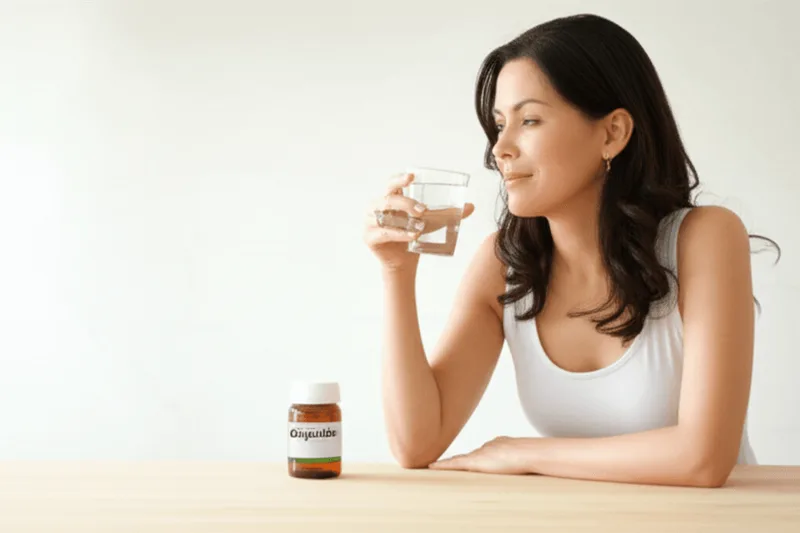
A medicine for diabetes: Let's learn about Glipizide tablets?

A medicine for diabetes: Let's learn about Glipizide tablets?

Are you also struggling with Diabetes Mellitus? If so, your doctor may have prescribed you a pill called Glipizide . This is a major medication for people with Type 2 Diabetes Mellitus. So, today we will talk about these Glipizide pills, how they work, what to be careful about while using them, and many other important things. Knowing exactly how to use this medicine is very important for your health.

What is this medicine called Glipizide? How does it work?

Simply put, this medicine called Glipizide increases the level of insulin in your body. Insulin is an important hormone that controls the level of sugar, or glucose, in our body. When the sugar from the food we eat enters the blood, it is this insulin that controls the amount of sugar and helps it be absorbed into the cells.

Type 2 Diabetes Mellitus occurs when the body either does not produce enough insulin, or the body cannot use the insulin it does produce properly. So, what this medicine Glipizide does is give the pancreas a little boost and helps it produce more insulin. When this medicine increases insulin, the amount of sugar in the blood decreases. It also helps your body use insulin properly.

This medicine belongs to a group of medicines called sulfonylureas. But one thing should be kept in mind. Diabetes cannot be controlled by taking this medicine alone. It must be accompanied by a good diet and daily exercise . The doctor will tell you how to control your diet and what exercises you should do.

What are the things I need to tell the doctor before taking this medicine?

Okay, now let's see what are the things you need to tell your doctor before starting these Glipizide pills. It's better not to hide these things, right? Because only then will the doctor be able to treat you correctly and safely.

You should definitely tell your doctor if you have any of these conditions:

  • If you have diabetic ketoacidosis, a serious condition caused by diabetes , this causes harmful substances called ketones to accumulate in the blood.
  • If you have a genetic condition called glucose-6-phosphate dehydrogenase deficiency (G6PD deficiency) . This can cause sensitivity to some medications.
  • Heart disease , that is, if you have heart disease.
  • Kidney disease , that is, if you have a kidney problem.
  • Liver disease , that is, if there is a problem with the liver.
  • If you have a rare disease called porphyria .
  • If you have a severe infection or injury .
  • If you have thyroid disease .
  • If you have had a previous allergic reaction to glipizide, sulfa drugs (some antibiotics belong to this group), other medications, foods, food dyes, or preservatives.
  • If you are pregnant or trying to get pregnant.
  • If you are a breastfeeding mother.

If you say these things correctly, your doctor can decide whether this medication is right for you or if you need another option.

How should I use this medicine?

This medicine should be taken by mouth. Swallow it with a glass of water. Most importantly, do not take this with food.This should be taken 30 minutes before meals. That's when the medicine is properly absorbed into the body and helps control the sugar that builds up in the blood after meals.

Follow the instructions on the medicine package as your doctor tells you. If you are taking this medicine once a day, take it 30 minutes before breakfast. If your doctor has told you to take it several times a day, take it 30 minutes before each main meal. Try to take the medicine at the same time every day. This will help keep the medicine working consistently. Do not take more than the dose your doctor tells you to take.

About young children and adults

If you are giving this medicine to young children, you should definitely talk to your doctor about it. Special care and dosage adjustments may be needed.

Also, people over the age of 65 may feel the effects of this medicine a little more strongly. Therefore, the doctor may prescribe a smaller dose for them than for the average person.

What to do if you take too much medicine?

Imagine that you have taken too much of this medicine, or someone in your household has taken it by mistake. If that happens , immediately call the Poison Control Center at the National Hospital or the emergency room of a government hospital. Or go to a hospital immediately. Don't take this for granted, okay? Because if you take too much Glipizide, your blood sugar can drop dangerously low.

Remember: This medicine is only for you. Don't assume that your friend will be okay with this medicine if they also have diabetes. The right medicine and dosage for everyone is different.

What if I miss my medication appointment?

Now let's say you miss a dose. If that happens, take the pill as soon as you remember . But if it's almost time for your next dose, for example, if it's due in a few hours, skip the missed dose and take the next dose as usual. Never take two pills at once, that is, a double dose. Doing so can cause your blood sugar to drop too low.

Other things that may interact with this medicine (Interactions)

Glipizide can interact with other medications and other things. So, tell your doctor about all the medications you take, including vitamins, herbs, non-prescription drugs, and dietary supplements. Also, tell your doctor if you smoke, drink alcohol, or use other drugs. Some things can interact with this medication, which can change how well it works or increase side effects.

Here are some medications that can interact with Glipizide:

  • Bosentan
  • Chloramphenicol
  • Cisapride
  • Clarithromycin
  • Medications for fungal or yeast infections (e.g. Fluconazole, Miconazole)
  • Metoclopramide
  • Probenecid `(Probenecid)`
  • Warfarin (a medicine that prevents blood clotting)

Also, there are many other medications that can increase or decrease blood sugar levels. They can also interact with glipizide. Here are a few examples:

  • Alcohol-containing beverages : Alcohol can cause blood sugar to drop suddenly.
  • Aspirin and aspirin-like medications
  • Chromium (sometimes taken as a supplement)
  • Diuretics – medicines that remove water from the body
  • Female hormones, such as estrogens or progestins, and birth control pills
  • Some heart medications (e.g., beta-blockers)
  • Isoniazid (a medicine for tuberculosis)
  • Male hormones or anabolic steroids
  • Medications for weight loss
  • Medications for allergies, asthma, cold, or cough (some may contain sugar)
  • Medications for mental problems
  • Medicines in the class of drugs called `MAO Inhibitors`, for example Nardil, Parnate, Marplan, Eldepryl
  • Niacin
  • Painkillers called `NSAIDs`, such as ibuprofen or naproxen.
  • Pentamidine
  • Phenytoin `(Phenytoin)`
  • Quinolone antibiotics include ciprofloxacin, levofloxacin, and ofloxacin.
  • Some herbal dietary supplements
  • Steroid medications, such as prednisone or cortisone
  • Thyroid medication

This list is not exhaustive, understand? So it's safest and best to tell your doctor about everything you take.

Things to be careful about when using this medicine

When using this medicine, you should see your doctor regularly to check how you are doing. That means going to your scheduled clinic days.

  • HbA1C test: A test called `HbA1C (A1C)` is done to see how well your blood sugar is controlled. This is a simple blood test. It usually shows how well your sugar has been controlled over the past 2-3 months. This test is usually done every 3-6 months, as prescribed by your doctor.
  • Measuring blood sugar: It is very important to learn how to self-monitor your blood glucose levels at home. Your doctor may have given you a glucometer for this. Be sure to understand the symptoms of low blood sugar (hypoglycemia) and high blood sugar (hyperglycemia) and how to control them.
  • Emergency Preparedness: Always keep a quick source of sugar (e.g. 2-3 sugar cubes, glucose tablets, some fruit juice) nearby in case your blood sugar suddenly drops (hypoglycemia). If you have a severe case of low blood sugar, such as seizures, or if you lose consciousness, tell your family and friends that you may choke if you try to give them food or drink at that time. If this happens, you should seek medical attention immediately.
  • Tell your doctor : If you notice that your blood sugar levels are consistently high (e.g., frequent thirst, frequent urination, feeling weak), tell your doctor. Your medication dose may need to be adjusted. If you have an illness like a fever or cold, or if you exercise more than usual, ask your doctor if your medication dose needs to be adjusted.
  • Meals and alcohol: Don't skip meals.Doing so can lower your blood sugar. Ask your doctor if you should avoid drinking alcohol. Alcohol is not recommended in most cases. Some cough and cold syrups you buy from pharmacies may contain sugar or alcohol. They can affect your blood sugar, so it's a good idea to ask your doctor before taking them.
  • Sun protection: This medicine may make your skin sensitive to sunlight (photosensitivity). Therefore, be careful of strong sunlight during the day. If you must go out in the sun, wear clothing that covers your body, wear a hat, and use a good `Sunscreen` (SPF 30 or higher). Do not use `Sun lamps` or `Tanning beds/booths`.
  • Medical ID: Wear a medical ID bracelet or chain that lists your condition (diabetes), the medications you take, and when to take them, or keep a card with those details in your purse at all times. This can be very important in an emergency.

Side effects that may occur with this medicine

Like all medications, Glipizide can have side effects. Some of them are serious and should be reported to your doctor immediately. Some of them are not serious and will go away in a few days.

Side effects that you should tell your doctor immediately:

  • Allergic reactions: This is very dangerous. Seek immediate medical attention if you experience symptoms such as skin rash, severe itching, hives, swelling of the face, lips, tongue, or throat. Swelling of the throat can cause difficulty breathing.
  • Severe hypoglycemia: tremors or shaking, anxiety, excessive sweating, cold or clammy skin , confusion, severe dizziness, rapid heartbeat, loss of consciousness, seizures. If this happens, you should go to the hospital immediately.
  • Hemolytic Anemia: This is anemia caused by the breakdown of red blood cells. This can cause unusual weakness or fatigue, dizziness, headache, trouble breathing, dark urine, and yellowing skin or eyes.

Side effects that are usually not serious, but should be reported to your doctor if they persist:

  • Diarrhea
  • Dizziness (mild)
  • Gas, stomach bloating
  • Nausea, vomiting `(Nausea)`
  • Tremors or shaking (not related to low blood sugar)

This list may not include all possible side effects, so if you notice anything new or unusual, don't be afraid to talk to your doctor about it.

How should you store your medicine?

  • Keep this medicine out of the reach of children and out of their reach.
  • Store at room temperature, below 30 degrees Celsius (86 degrees Fahrenheit), in a dry place. Do not store in high humidity areas, such as the bathroom.
  • Do not use expired medications. Dispose of them properly. You can ask your pharmacy for instructions on how to properly dispose of medications.

Finally, things to remember (Take-Home Message)

Okay, so we've talked a lot about this diabetes drug called Glipizide, haven't we? Although this is a bit of a long article, I hope you've gotten some important information.

The most important thing to remember is to use this medicine exactly as the doctor tells you, at the right time, and in the right dosage. Controlling your diet and exercising daily are also essential things to do with this medicine. Without them, it is difficult to control your diabetes well by taking this medicine alone.

If you have any questions, new symptoms, or concerns, don't be afraid or embarrassed to ask your doctor. Or ask your pharmacist. Living with diabetes can be challenging at times, but if you are properly educated about your condition, follow your doctor's advice, and take care of your body, you can definitely live a healthy, happy life!


⚠️ Important: The medical articles and information on Nirogi Lanka are for general awareness only, and are by no means a substitute for professional medical advice, diagnosis, or treatment. For any medical problem you have, consult a qualified physician immediately.

💬 Comments (0)

No comments have been posted yet. Add your comment here for the first time.

Add your comment

Please calculate: 6 + 7 =
A medicine for diabetes: Let's learn about Glipizide tablets?
MedicationsJune 9, 2025

A medicine for diabetes: Let's learn about Glipizide tablets?

Are you also struggling with Diabetes Mellitus? If so, your doctor may have prescribed you a pill called Glipizide . This is a major medication for people with Type 2 Diabetes Mellitus. So, today we will talk about these Glipizide pills, how they work, what to be careful about while using them, and many other important things. Knowing exactly how to use this medicine is very important for your health.

What is this medicine called Glipizide? How does it work?

Simply put, this medicine called Glipizide increases the level of insulin in your body. Insulin is an important hormone that controls the level of sugar, or glucose, in our body. When the sugar from the food we eat enters the blood, it is this insulin that controls the amount of sugar and helps it be absorbed into the cells.

Type 2 Diabetes Mellitus occurs when the body either does not produce enough insulin, or the body cannot use the insulin it does produce properly. So, what this medicine Glipizide does is give the pancreas a little boost and helps it produce more insulin. When this medicine increases insulin, the amount of sugar in the blood decreases. It also helps your body use insulin properly.

This medicine belongs to a group of medicines called sulfonylureas. But one thing should be kept in mind. Diabetes cannot be controlled by taking this medicine alone. It must be accompanied by a good diet and daily exercise . The doctor will tell you how to control your diet and what exercises you should do.

What are the things I need to tell the doctor before taking this medicine?

Okay, now let's see what are the things you need to tell your doctor before starting these Glipizide pills. It's better not to hide these things, right? Because only then will the doctor be able to treat you correctly and safely.

You should definitely tell your doctor if you have any of these conditions:

  • If you have diabetic ketoacidosis, a serious condition caused by diabetes , this causes harmful substances called ketones to accumulate in the blood.
  • If you have a genetic condition called glucose-6-phosphate dehydrogenase deficiency (G6PD deficiency) . This can cause sensitivity to some medications.
  • Heart disease , that is, if you have heart disease.
  • Kidney disease , that is, if you have a kidney problem.
  • Liver disease , that is, if there is a problem with the liver.
  • If you have a rare disease called porphyria .
  • If you have a severe infection or injury .
  • If you have thyroid disease .
  • If you have had a previous allergic reaction to glipizide, sulfa drugs (some antibiotics belong to this group), other medications, foods, food dyes, or preservatives.
  • If you are pregnant or trying to get pregnant.
  • If you are a breastfeeding mother.

If you say these things correctly, your doctor can decide whether this medication is right for you or if you need another option.

How should I use this medicine?

This medicine should be taken by mouth. Swallow it with a glass of water. Most importantly, do not take this with food.This should be taken 30 minutes before meals. That's when the medicine is properly absorbed into the body and helps control the sugar that builds up in the blood after meals.

Follow the instructions on the medicine package as your doctor tells you. If you are taking this medicine once a day, take it 30 minutes before breakfast. If your doctor has told you to take it several times a day, take it 30 minutes before each main meal. Try to take the medicine at the same time every day. This will help keep the medicine working consistently. Do not take more than the dose your doctor tells you to take.

About young children and adults

If you are giving this medicine to young children, you should definitely talk to your doctor about it. Special care and dosage adjustments may be needed.

Also, people over the age of 65 may feel the effects of this medicine a little more strongly. Therefore, the doctor may prescribe a smaller dose for them than for the average person.

What to do if you take too much medicine?

Imagine that you have taken too much of this medicine, or someone in your household has taken it by mistake. If that happens , immediately call the Poison Control Center at the National Hospital or the emergency room of a government hospital. Or go to a hospital immediately. Don't take this for granted, okay? Because if you take too much Glipizide, your blood sugar can drop dangerously low.

Remember: This medicine is only for you. Don't assume that your friend will be okay with this medicine if they also have diabetes. The right medicine and dosage for everyone is different.

What if I miss my medication appointment?

Now let's say you miss a dose. If that happens, take the pill as soon as you remember . But if it's almost time for your next dose, for example, if it's due in a few hours, skip the missed dose and take the next dose as usual. Never take two pills at once, that is, a double dose. Doing so can cause your blood sugar to drop too low.

Other things that may interact with this medicine (Interactions)

Glipizide can interact with other medications and other things. So, tell your doctor about all the medications you take, including vitamins, herbs, non-prescription drugs, and dietary supplements. Also, tell your doctor if you smoke, drink alcohol, or use other drugs. Some things can interact with this medication, which can change how well it works or increase side effects.

Here are some medications that can interact with Glipizide:

  • Bosentan
  • Chloramphenicol
  • Cisapride
  • Clarithromycin
  • Medications for fungal or yeast infections (e.g. Fluconazole, Miconazole)
  • Metoclopramide
  • Probenecid `(Probenecid)`
  • Warfarin (a medicine that prevents blood clotting)

Also, there are many other medications that can increase or decrease blood sugar levels. They can also interact with glipizide. Here are a few examples:

  • Alcohol-containing beverages : Alcohol can cause blood sugar to drop suddenly.
  • Aspirin and aspirin-like medications
  • Chromium (sometimes taken as a supplement)
  • Diuretics – medicines that remove water from the body
  • Female hormones, such as estrogens or progestins, and birth control pills
  • Some heart medications (e.g., beta-blockers)
  • Isoniazid (a medicine for tuberculosis)
  • Male hormones or anabolic steroids
  • Medications for weight loss
  • Medications for allergies, asthma, cold, or cough (some may contain sugar)
  • Medications for mental problems
  • Medicines in the class of drugs called `MAO Inhibitors`, for example Nardil, Parnate, Marplan, Eldepryl
  • Niacin
  • Painkillers called `NSAIDs`, such as ibuprofen or naproxen.
  • Pentamidine
  • Phenytoin `(Phenytoin)`
  • Quinolone antibiotics include ciprofloxacin, levofloxacin, and ofloxacin.
  • Some herbal dietary supplements
  • Steroid medications, such as prednisone or cortisone
  • Thyroid medication

This list is not exhaustive, understand? So it's safest and best to tell your doctor about everything you take.

Things to be careful about when using this medicine

When using this medicine, you should see your doctor regularly to check how you are doing. That means going to your scheduled clinic days.

  • HbA1C test: A test called `HbA1C (A1C)` is done to see how well your blood sugar is controlled. This is a simple blood test. It usually shows how well your sugar has been controlled over the past 2-3 months. This test is usually done every 3-6 months, as prescribed by your doctor.
  • Measuring blood sugar: It is very important to learn how to self-monitor your blood glucose levels at home. Your doctor may have given you a glucometer for this. Be sure to understand the symptoms of low blood sugar (hypoglycemia) and high blood sugar (hyperglycemia) and how to control them.
  • Emergency Preparedness: Always keep a quick source of sugar (e.g. 2-3 sugar cubes, glucose tablets, some fruit juice) nearby in case your blood sugar suddenly drops (hypoglycemia). If you have a severe case of low blood sugar, such as seizures, or if you lose consciousness, tell your family and friends that you may choke if you try to give them food or drink at that time. If this happens, you should seek medical attention immediately.
  • Tell your doctor : If you notice that your blood sugar levels are consistently high (e.g., frequent thirst, frequent urination, feeling weak), tell your doctor. Your medication dose may need to be adjusted. If you have an illness like a fever or cold, or if you exercise more than usual, ask your doctor if your medication dose needs to be adjusted.
  • Meals and alcohol: Don't skip meals.Doing so can lower your blood sugar. Ask your doctor if you should avoid drinking alcohol. Alcohol is not recommended in most cases. Some cough and cold syrups you buy from pharmacies may contain sugar or alcohol. They can affect your blood sugar, so it's a good idea to ask your doctor before taking them.
  • Sun protection: This medicine may make your skin sensitive to sunlight (photosensitivity). Therefore, be careful of strong sunlight during the day. If you must go out in the sun, wear clothing that covers your body, wear a hat, and use a good `Sunscreen` (SPF 30 or higher). Do not use `Sun lamps` or `Tanning beds/booths`.
  • Medical ID: Wear a medical ID bracelet or chain that lists your condition (diabetes), the medications you take, and when to take them, or keep a card with those details in your purse at all times. This can be very important in an emergency.

Side effects that may occur with this medicine

Like all medications, Glipizide can have side effects. Some of them are serious and should be reported to your doctor immediately. Some of them are not serious and will go away in a few days.

Side effects that you should tell your doctor immediately:

  • Allergic reactions: This is very dangerous. Seek immediate medical attention if you experience symptoms such as skin rash, severe itching, hives, swelling of the face, lips, tongue, or throat. Swelling of the throat can cause difficulty breathing.
  • Severe hypoglycemia: tremors or shaking, anxiety, excessive sweating, cold or clammy skin , confusion, severe dizziness, rapid heartbeat, loss of consciousness, seizures. If this happens, you should go to the hospital immediately.
  • Hemolytic Anemia: This is anemia caused by the breakdown of red blood cells. This can cause unusual weakness or fatigue, dizziness, headache, trouble breathing, dark urine, and yellowing skin or eyes.

Side effects that are usually not serious, but should be reported to your doctor if they persist:

  • Diarrhea
  • Dizziness (mild)
  • Gas, stomach bloating
  • Nausea, vomiting `(Nausea)`
  • Tremors or shaking (not related to low blood sugar)

This list may not include all possible side effects, so if you notice anything new or unusual, don't be afraid to talk to your doctor about it.

How should you store your medicine?

  • Keep this medicine out of the reach of children and out of their reach.
  • Store at room temperature, below 30 degrees Celsius (86 degrees Fahrenheit), in a dry place. Do not store in high humidity areas, such as the bathroom.
  • Do not use expired medications. Dispose of them properly. You can ask your pharmacy for instructions on how to properly dispose of medications.

Finally, things to remember (Take-Home Message)

Okay, so we've talked a lot about this diabetes drug called Glipizide, haven't we? Although this is a bit of a long article, I hope you've gotten some important information.

The most important thing to remember is to use this medicine exactly as the doctor tells you, at the right time, and in the right dosage. Controlling your diet and exercising daily are also essential things to do with this medicine. Without them, it is difficult to control your diabetes well by taking this medicine alone.

If you have any questions, new symptoms, or concerns, don't be afraid or embarrassed to ask your doctor. Or ask your pharmacist. Living with diabetes can be challenging at times, but if you are properly educated about your condition, follow your doctor's advice, and take care of your body, you can definitely live a healthy, happy life!


⚠️ Important: The medical articles and information on Nirogi Lanka are for general awareness only, and are by no means a substitute for professional medical advice, diagnosis, or treatment. For any medical problem you have, consult a qualified physician immediately.

💬 Comments (0)

No comments have been posted yet. Add your comment here for the first time.

Add your comment

Please calculate: 6 + 7 =