
⚡ Herramienta Clínica de Salud uka tuqita
GAD-7 Llakisiña yant’awi & Screener Calculadora
GAD-7 ukax llakisiñ uñakipiri. 7 jiskt’awinakaru jaysaña, trastorno de ansiedad generalizada uñakipañataki. Sapa kutiw mä profesional de salud mental ukar jiskt’asiñama, ukhamat diagnostico lurañataki.
Who are these hackers?
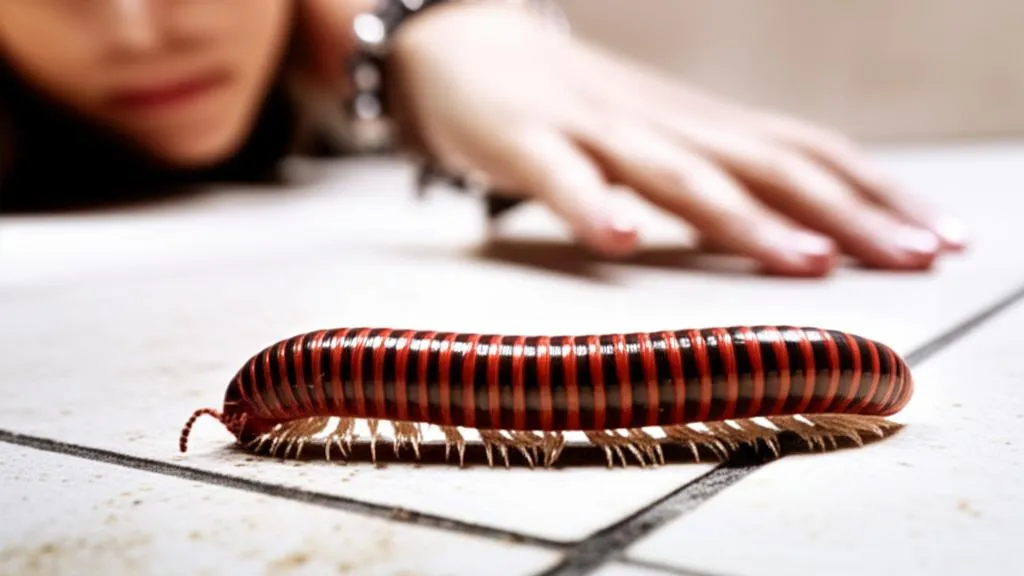
First of all, spiders are not insects. They actually belong to the class of animals called (Arthropoda). Simply put, they are closely related to animals like crabs, shrimp, and lobsters. Spiders have long, cylindrical bodies that are divided into segments. Although some people call these animals "thousand-legged creatures," they actually don't have a thousand legs. Most spiders have fewer than 100 legs. Their distinguishing feature is that four legs (two pairs) grow from a single body segment.Don't confuse hackers and scammers!
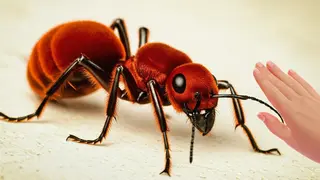
Many people confuse hackers and scammers. Although they may seem similar, there are big differences between them. It is important to understand this distinction.| Attribute | Millipede | Centipede |
|---|---|---|
| Body shape | It is cylindrical and has a round shape. | It has a flat body. |
| Leg position | Four legs (2 pairs) come from one part of the body. | Two legs (1 pair) come from one part of the body. |
| Diet | They eat decaying matter (leaves, wood). They are herbivores. | They hunt and eat other small insects. They are carnivorous. |
| Security system | When scared, they curl up in a circle. They sometimes release a foul-smelling liquid. | It bites when it gets scared. It's poisonous . |
| Impact on people | Not harmful. Doesn't bite. | The bite is painful and venomous (but usually not life-threatening). |
What do these animals eat and how do they live?
Snails are a very important group in the ecosystem. They are like nature's "cleaners". They mainly eat decaying matter . For example, moist, decaying wood, fallen leaves, and animal manure are their main food. If these are missing, they will damage living plants. A snail can live for about 7 years. The female lays eggs in the soil, and the chicks hatch from these eggs in a few weeks. They molt about 10 times before they reach adulthood.Why do these hackers come into houses?
You may be wondering why these animals sneak into homes. There are several main reasons for this:- Seeking moisture: During the dry season, they seek out moist places inside homes (bathrooms, under sinks, damp areas on walls) in search of the moisture they need to survive.
- Escape from water: During heavy rains, when the soil where they live fills with water, they come up to the surface to escape it and find a dry place to come home to.
- Food shortage: Even when there is less perishable food outside, people can still come inside.
The most important question: Are hackers really dangerous?
Okay, now let's get to the biggest question everyone has. Are hackers dangerous? Are they toxic?The simple answer is: No. Spiders are not dangerous to humans. They do not bite, and they are non-venomous .But, like all animals, hedgehogs have a way to protect themselves. When they feel threatened, they curl up into a circle to protect themselves from predators. Then, some hedgehogs release a foul-smelling substance from their bodies. This substance can contain very small amounts of the following chemicals:
- Hydrochloric acid (Hydrochloric acid)
- Hydrogen cyanide
- Organic acids
- Phenol
- Benzoquinones
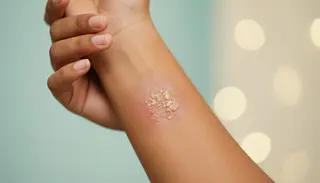
- Skin redness and itching .
- A burning sensation as if the skin is burning.
- Sometimes small blisters appear.
- Temporary change in skin color to a brownish color.
What to do if you have a skin problem?
If you experience any itching or burning sensation after being bitten by a mosquito or getting its venom on your skin, do the following: 1. Wash immediately with soap and water: Clean the affected area with soap and water. 2. Avoid contact with eyes: Never touch your eyes with hands that have been exposed to the venom. If you accidentally get it in your eyes, rinse your eyes thoroughly with clean water for 15-20 minutes. Then see a doctor immediately. 3. Skin treatment: For mild redness or itching, consult your doctor and use a suitable cream. 4. Seek medical advice: If the skin blisters are severe, the inflammation is severe, or the itching persists for several days, you should definitely see a doctor and get treatment.How to control cockroaches at home?
Spraying pesticides inside the house won't solve this problem, because new animals will keep coming in. The best thing to do is to discourage the critters from coming into the house.- Keep the garden clean: Keep the garden clean by removing loose leaves, decaying wood, and trash that has accumulated around the house.
- Control humidity:Reduce the humidity in your home. Fix any leaks in your pipes. Keep bathrooms dry. Use a dehumidifier if necessary.
- Seal gaps: Seal cracks in the walls of your home, and gaps under doors and windows, with cement or sealant.
- Keep compost and wood piles away: Keep things like compost piles and wood piles away from the walls of your home.
- Natural methods: Diatomaceous earth can be sprinkled in places where insects can enter the house (doorways, window sills).
💡 Take-Home Message
- Millipedes are not a species of animal to be afraid of. They do not bite or are poisonous.
- They come into homes mainly in search of moisture.
- If you develop an allergic reaction from applying witch hazel to your skin, immediately wash the area thoroughly with soap.
- If the liquid gets in your eyes, rinse thoroughly with water and seek medical attention immediately. Also seek medical advice for severe skin reactions.
- The best way to control cockroaches is to keep the home and garden clean and dry.



Janiw kuna arsuwinakas jichhakamax uñt’ayatäkiti. Aka chiqanx amuyt’awim jan ukax jiskt’awim yapxatañamawa.