

Have you ever seen a friend or family member suffering from kidney disease and thought, “I wish I could have donated one of my kidneys to help him or her recover?” Or, do you have a strong desire to help save a life, even if you don’t know anyone? This is truly a noble decision, and one that carries a great responsibility. So today, let’s talk about what you need to know before donating a kidney.
eGFR calculadora ukaxa CKD-EPI 2021 ukampi luratawa. Creatinina uksatxa riñon lurawipa jakhthapiña ukhamaraki CKD etapa uñt’aña.
Why are kidneys so important to our body?
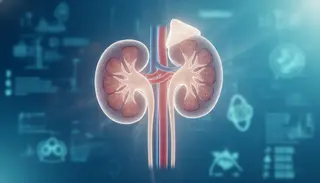
Simply put, the kidneys are like two super filters in our bodies. Their main job is to purify about 200 liters of fluid in our bodies every day and excrete unwanted waste products as urine . Imagine how big a job this is!
Not only that, but the kidneys also help with many important things, such as producing hormones that control our blood pressure , helping to make red blood cells , and activating vitamin D.
So when these two kidneys are not working properly, toxins start accumulating in our body. Then, to stay healthy, we have to take treatment. Sometimes, the best solution for that is a kidney transplant .
Who can donate a kidney to me?
This is a problem that many people have. You can donate your kidney to:
- To a family member or friend: You can donate a kidney to someone you know who needs it, such as your mother, father, brother, sister, or close friend.
- To a stranger: You can donate a kidney to someone you don't know but who needs it. Doctors call this a " nondirected donation." In this case, you can meet the recipient if you wish, or you can choose not to reveal your identity. However, doctors will give your kidney to the person who needs it most and is the best match.
How do I know if I am healthy enough to donate a kidney?
This is the most important thing. It is essential that you are healthy. Your doctor will do several tests to determine if you are suitable.
Typically, tests like these are done:
- Blood tests
- Urine tests
- Ultrasound or X-ray of the kidneys
If you have medical conditions like diabetes mellitus or high blood pressure , you may not be able to donate a kidney. Because living with one kidney puts a lot of strain on that kidney, it is important that you are in good health.
If your doctor has done all these tests and decides that you are a good fit, he will schedule the surgery for one day. You will need to rest for about 4 to 6 weeks after this surgery. Therefore, it is very important to have someone to help you during that time.
What happens after the surgery?
The doctor will give you painkillers to control the pain after the surgery. He will also advise you to get up and start walking as soon as possible.
As with any surgery, there are some risks. For example, pain, infections, and the possibility of developing conditions like high blood pressure over time, as there is only one kidney.
Remember, this is a major surgery, so it's very important to talk openly with your doctor about all the possible risks.
But don't worry. After donating a kidney, you can live a normal life. Your remaining kidney will grow slightly larger to take on the work of the other kidney. However, your doctor may ask you to make some changes to your physical activity. For example, you may be advised to avoid contact sports such as football and soccer to protect your remaining kidney.
| Before surgery | After surgery |
|---|---|
| It is essential to undergo a complete medical examination. | Medication is given to control pain. |
| Your blood type and tissue are checked to see if they are compatible with the recipient. | Getting up and walking quickly helps with recovery. |
| Plan for a 4-6 week recovery period and have someone ready to help. | You can live a normal life, but you should follow medical advice. |
| Talk to your doctor about all the risks and benefits. | Avoid contact sports to protect the remaining kidney. |
If I also want to donate, what should I do?
Once you've made this great decision, here's what you need to do next.
- If you are donating to someone you know: Talk to the doctor at the transplant center that is treating your friend or family member. They will then begin the necessary tests to see if you are a match.
- If you are donating to a stranger: You can call your nearest kidney transplant center and ask if they have a “ general kidney donation” program. Or, you can ask your doctor for a list of places that have such programs.
Donating a kidney is the greatest sacrifice you can make to save a life. It is also a big decision that will affect your life. Therefore, make this decision after thinking carefully, talking to your doctors, and informing your family.
💡 Take-Home Message
- Donating a kidney is not only a life-saving but also a very serious medical procedure. It is not a decision to be taken lightly.
- Before you get pregnant, you must undergo a comprehensive medical examination to ensure you are completely healthy.
- It will take several weeks to recover from surgery, and you will need someone to support you during that time.
- After donating a kidney, you can live a normal, full life. However, it is very important to follow medical advice to protect your remaining kidney.
- Before making any decision, openly discuss all the possible pros and cons with the doctor at the kidney transplant center.





Janiw kuna arsuwinakas jichhakamax uñt’ayatäkiti. Aka chiqanx amuyt’awim jan ukax jiskt’awim yapxatañamawa.