Shall we talk about these bronchial tubes? Information about your airways!

Shall we talk about these bronchial tubes? Information about your airways!

Hello! How are you? Today we are going to talk about a very, very important part of our body. That is the bronchial tubes, or what we call them in English, which are closely related to our breathing. Maybe you have heard this name, but it doesn't matter, today we will simply talk about what these are, what they do, and how to keep them healthy. Just like talking to a friend!

What are the bronchial tubes? Where are they located?

Okay, now let's see what kind of things these tracheas are. Simply put, these are the tubes that carry air into our lungs . Think about it, when you breathe in through your nose or mouth, that air first goes into a large tube in our throat. We call it the trachea , or in English, it's also called the ``(Trachea)`` or ``(Windpipe)``.

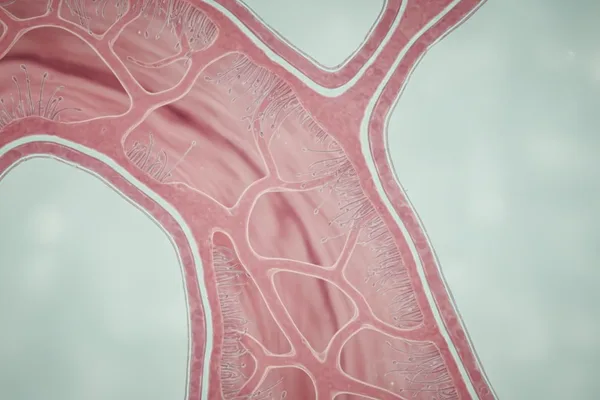
Then, this trachea, like a tree trunk, splits in two in the middle of the chest. Those two main tubes that split are called the main bronchi . One goes to the right lung, and the other goes to the left lung. See, it's like a road splitting in two!

These main bronchial tubes, called bronchioles, divide into smaller branches as they enter the lungs. Just like the branches of a large tree divide into smaller branches. These tiny tubes are called bronchioles . These are the ones that take air and carry it to the smallest air sacs at the end of the lungs. That's where oxygen is added to our blood and carbon dioxide is released from the blood. Isn't it an amazing mechanism?

So, now you know what bronchial tubes are and where they are located. They are like the airways inside our lungs.

What actually happens in these bronchial tubes?

Now let's see what service this system of tubes provides to our body. The main one, as we all know, is to make breathing easier .

  • Inhalation and exhalation: The trachea is the main airway. When we inhale, oxygen-rich air from the environment is taken into the lungs, and when we exhale, carbon dioxide gas produced in the body is taken back out through this tube.
  • Protecting the lungs: This is a very important job. The walls of these bronchial tubes have very fine, hair-like things inside them. They are called cilia . Also, a sticky liquid is produced inside these tubes, which we call mucus or, in medical terms, mucus .
  • Now imagine, when you breathe, things like dust, germs , and pollen can enter through your nose. At that time, these things stick to this mucus. Then those microscopic hairs ``(Cilia)`` are like little brooms, pushing the trapped dirt up and bringing it to the throat . Then we can expel it when we cough or spit. A great defense system, right?
  • Warming and humidifying the air: The air we breathe can sometimes be cold and dry. It is not good if such air goes directly into the lungs. These airways add some warmth and moisture to that air, making it suitable for the lungs.

So, you see, right? These little tubes called trachea are not just tubes that carry air, they do a lot more than that.

What are the common problems that can occur in the bronchial tubes?

Like every part of our body, these respiratory tracts can sometimes suffer from minor illnesses and problems. Don't be afraid, it's important to be aware of these so that we can be careful and, if any problems arise, quickly identify and seek treatment.

Bronchitis - inflammation of the bronchial tubes

This is a common respiratory disease that many people suffer from. " Bronchitis " refers to the swelling or inflammation of the lining of the bronchial tubes . It's like when our skin gets injured, it turns red and swells.

  • Causes:
  • Most of the time, this is caused by a viral infection , like the same viruses that cause colds.
  • Sometimes it can also be due to bacterial infections .
  • This can happen more often to smokers . The airways are often affected by cigarette smoke.
  • Frequent exposure to things like dust and chemical fumes can also be a cause.
  • What are the characteristics?
  • The main thing is the cough . This cough can sometimes be accompanied by thick mucus.
  • A rattling sound may be heard from the chest when breathing.
  • It may feel a little suffocating.
  • There may also be things like a feeling of weakness and a low-grade fever.

There are two types of bronchitis. One is acute bronchitis, which comes on suddenly . This usually gets better in a week or two. The other type is chronic bronchitis , which can last for months or years, especially in smokers. This is part of a condition called chronic obstructive pulmonary disease (COPD).

Asthma - Hatiya

Asthma, or wheezing, is another common respiratory condition. You've probably heard of it, and maybe someone in your family has it.

  • What happens when you develop asthma?
  • A person with asthma has very sensitive airways. When exposed to certain things (we call them `` triggers ''), these airways suddenly become blocked, the inner walls swell, and excess mucus is produced . This narrows the airways, making it difficult to breathe.
  • What are common triggers?
  • Dust, house dust mites, pollen, animal dander.
  • Cold air.
  • Exercise (only for some people).
  • Smoke (cigarette smoke, other types of smoke).
  • Certain foods or medications (rarely).
  • Stress.
  • Characteristics:
  • Making a wheezing sound when breathing (we call this `(Wheezing)`).
  • Cough (may be worse especially at night or in the early morning).
  • The feeling of tightness in the chest, like it's being squeezed.
  • Difficulty breathing, shortness of breath.

However, asthma is a condition that can be well controlled . If you use the medication prescribed by your doctor, your inhaler properly, and stay away from triggers, you can live a normal life.

Pneumonia - lung infection

Pneumonia is not a respiratory disease, but it is a serious infection that can affect the lungs. It often begins as an upper respiratory tract infection.

  • What is this pneumonia?
  • What happens in this is that the air sacs (alveoli) inside the lungs become infected and fill with fluid. Then, oxygen doesn't get into the blood properly.
  • Characteristics:
  • Severe cough (may come with phlegm, sometimes mixed with a little blood).
  • High fever, chills and shivering.
  • Chest pain when breathing.
  • Increased respiratory rate, difficulty breathing.
  • My body is very tired.

Pneumonia is a medical condition that requires immediate medical attention. So if you have any of these symptoms, see a doctor immediately.

How do we keep our bronchial tubes healthy?

Okay, so now we've talked about illnesses. But the most important thing is to prevent illnesses before they happen and keep our airways healthy. There are a few simple things we can do to do that.

  • Avoid smoking completely: This is the number one thing . If you are a smoker, make every effort to quit. Also, breathing in second-hand smoke when someone else is smoking is not good.
  • Stay away from things that irritate the airways:Avoid dusty areas, chemical fumes, and paint fumes as much as possible. If you have such things at work, use protective measures such as a mask.
  • Wash your hands often: This may seem like a simple thing, but many respiratory infections (like colds and flu) are spread by dirty hands. So make it a habit to wash your hands thoroughly with soap and water.
  • Eat a healthy diet: Eating foods rich in vitamins and nutrients boosts the body's immunity, making it easier to resist diseases.
  • Drink enough water: Drinking at least 8 glasses of water a day helps thin the mucus in the airways and make it easier to expel.
  • Exercise regularly: Exercise helps your lungs function better and become stronger. However, if you have a condition like asthma, talk to your doctor about what exercises are right for you.
  • Get vaccinated at the right time: The flu vaccine, which is given every year, and the pneumonia vaccine, which is recommended for some people, can protect against respiratory infections.

When should you see a doctor?

Sometimes, no matter how careful we are, we can still get sick. In such cases, it is wise to see a doctor rather than self-medicate. If you have any of these symptoms, you should definitely seek medical advice.

  • If you continue to have difficulty breathing, or if you suddenly feel short of breath.
  • If you have severe chest pain, especially with coughing.
  • If you cough up blood with mucus, this is a symptom that should never be ignored.
  • If you have a high fever that lasts more than three or four days.
  • If the cough does not subside after two or three weeks, or if it gets worse and worse.
  • If you make unusual sounds (sighing, gurgling) while breathing.
  • If you have asthma, your symptoms are getting worse and can't be controlled with your regular inhaler.

Remember, when you have symptoms like these, instead of waiting for "it's okay," you can prevent a bigger problem by seeing a doctor quickly to find the cause.

Important things to keep in mind (Take-Home Message)

Well, we talked a lot about the bronchial tubes today, didn't we? I think you have a pretty clear understanding of these.

Finally, our respiratory system is a very important and essential part of our life . Just like a good car, its engine needs to be maintained well, we need to take good care of our respiratory system.

  • Take care of your airway.
  • Follow healthy habits.
  • Be aware of the warning signs and seek medical advice if necessary.

I wish you a healthy and happy day! I hope this information is useful to you.


` Bronchial Tubes, Breathing, Lungs, Bronchitis, Asthma, Pneumonia

⚠️ Important: The medical articles and information on Nirogi Lanka are for general awareness only, and are by no means a substitute for professional medical advice, diagnosis, or treatment. For any medical problem you have, consult a qualified physician immediately.

💬 Comments (0)

No comments have been posted yet. Add your comment here for the first time.

Add your comment

Please calculate: 4 + 2 =
Shall we talk about these bronchial tubes? Information about your airways!
Root of the MatterMarch 11, 2026

Shall we talk about these bronchial tubes? Information about your airways!

Hello! How are you? Today we are going to talk about a very, very important part of our body. That is the bronchial tubes, or what we call them in English, which are closely related to our breathing. Maybe you have heard this name, but it doesn't matter, today we will simply talk about what these are, what they do, and how to keep them healthy. Just like talking to a friend!

What are the bronchial tubes? Where are they located?

Okay, now let's see what kind of things these tracheas are. Simply put, these are the tubes that carry air into our lungs . Think about it, when you breathe in through your nose or mouth, that air first goes into a large tube in our throat. We call it the trachea , or in English, it's also called the ``(Trachea)`` or ``(Windpipe)``.

Then, this trachea, like a tree trunk, splits in two in the middle of the chest. Those two main tubes that split are called the main bronchi . One goes to the right lung, and the other goes to the left lung. See, it's like a road splitting in two!

These main bronchial tubes, called bronchioles, divide into smaller branches as they enter the lungs. Just like the branches of a large tree divide into smaller branches. These tiny tubes are called bronchioles . These are the ones that take air and carry it to the smallest air sacs at the end of the lungs. That's where oxygen is added to our blood and carbon dioxide is released from the blood. Isn't it an amazing mechanism?

So, now you know what bronchial tubes are and where they are located. They are like the airways inside our lungs.

What actually happens in these bronchial tubes?

Now let's see what service this system of tubes provides to our body. The main one, as we all know, is to make breathing easier .

  • Inhalation and exhalation: The trachea is the main airway. When we inhale, oxygen-rich air from the environment is taken into the lungs, and when we exhale, carbon dioxide gas produced in the body is taken back out through this tube.
  • Protecting the lungs: This is a very important job. The walls of these bronchial tubes have very fine, hair-like things inside them. They are called cilia . Also, a sticky liquid is produced inside these tubes, which we call mucus or, in medical terms, mucus .
  • Now imagine, when you breathe, things like dust, germs , and pollen can enter through your nose. At that time, these things stick to this mucus. Then those microscopic hairs ``(Cilia)`` are like little brooms, pushing the trapped dirt up and bringing it to the throat . Then we can expel it when we cough or spit. A great defense system, right?
  • Warming and humidifying the air: The air we breathe can sometimes be cold and dry. It is not good if such air goes directly into the lungs. These airways add some warmth and moisture to that air, making it suitable for the lungs.

So, you see, right? These little tubes called trachea are not just tubes that carry air, they do a lot more than that.

What are the common problems that can occur in the bronchial tubes?

Like every part of our body, these respiratory tracts can sometimes suffer from minor illnesses and problems. Don't be afraid, it's important to be aware of these so that we can be careful and, if any problems arise, quickly identify and seek treatment.

Bronchitis - inflammation of the bronchial tubes

This is a common respiratory disease that many people suffer from. " Bronchitis " refers to the swelling or inflammation of the lining of the bronchial tubes . It's like when our skin gets injured, it turns red and swells.

  • Causes:
  • Most of the time, this is caused by a viral infection , like the same viruses that cause colds.
  • Sometimes it can also be due to bacterial infections .
  • This can happen more often to smokers . The airways are often affected by cigarette smoke.
  • Frequent exposure to things like dust and chemical fumes can also be a cause.
  • What are the characteristics?
  • The main thing is the cough . This cough can sometimes be accompanied by thick mucus.
  • A rattling sound may be heard from the chest when breathing.
  • It may feel a little suffocating.
  • There may also be things like a feeling of weakness and a low-grade fever.

There are two types of bronchitis. One is acute bronchitis, which comes on suddenly . This usually gets better in a week or two. The other type is chronic bronchitis , which can last for months or years, especially in smokers. This is part of a condition called chronic obstructive pulmonary disease (COPD).

Asthma - Hatiya

Asthma, or wheezing, is another common respiratory condition. You've probably heard of it, and maybe someone in your family has it.

  • What happens when you develop asthma?
  • A person with asthma has very sensitive airways. When exposed to certain things (we call them `` triggers ''), these airways suddenly become blocked, the inner walls swell, and excess mucus is produced . This narrows the airways, making it difficult to breathe.
  • What are common triggers?
  • Dust, house dust mites, pollen, animal dander.
  • Cold air.
  • Exercise (only for some people).
  • Smoke (cigarette smoke, other types of smoke).
  • Certain foods or medications (rarely).
  • Stress.
  • Characteristics:
  • Making a wheezing sound when breathing (we call this `(Wheezing)`).
  • Cough (may be worse especially at night or in the early morning).
  • The feeling of tightness in the chest, like it's being squeezed.
  • Difficulty breathing, shortness of breath.

However, asthma is a condition that can be well controlled . If you use the medication prescribed by your doctor, your inhaler properly, and stay away from triggers, you can live a normal life.

Pneumonia - lung infection

Pneumonia is not a respiratory disease, but it is a serious infection that can affect the lungs. It often begins as an upper respiratory tract infection.

  • What is this pneumonia?
  • What happens in this is that the air sacs (alveoli) inside the lungs become infected and fill with fluid. Then, oxygen doesn't get into the blood properly.
  • Characteristics:
  • Severe cough (may come with phlegm, sometimes mixed with a little blood).
  • High fever, chills and shivering.
  • Chest pain when breathing.
  • Increased respiratory rate, difficulty breathing.
  • My body is very tired.

Pneumonia is a medical condition that requires immediate medical attention. So if you have any of these symptoms, see a doctor immediately.

How do we keep our bronchial tubes healthy?

Okay, so now we've talked about illnesses. But the most important thing is to prevent illnesses before they happen and keep our airways healthy. There are a few simple things we can do to do that.

  • Avoid smoking completely: This is the number one thing . If you are a smoker, make every effort to quit. Also, breathing in second-hand smoke when someone else is smoking is not good.
  • Stay away from things that irritate the airways:Avoid dusty areas, chemical fumes, and paint fumes as much as possible. If you have such things at work, use protective measures such as a mask.
  • Wash your hands often: This may seem like a simple thing, but many respiratory infections (like colds and flu) are spread by dirty hands. So make it a habit to wash your hands thoroughly with soap and water.
  • Eat a healthy diet: Eating foods rich in vitamins and nutrients boosts the body's immunity, making it easier to resist diseases.
  • Drink enough water: Drinking at least 8 glasses of water a day helps thin the mucus in the airways and make it easier to expel.
  • Exercise regularly: Exercise helps your lungs function better and become stronger. However, if you have a condition like asthma, talk to your doctor about what exercises are right for you.
  • Get vaccinated at the right time: The flu vaccine, which is given every year, and the pneumonia vaccine, which is recommended for some people, can protect against respiratory infections.

When should you see a doctor?

Sometimes, no matter how careful we are, we can still get sick. In such cases, it is wise to see a doctor rather than self-medicate. If you have any of these symptoms, you should definitely seek medical advice.

  • If you continue to have difficulty breathing, or if you suddenly feel short of breath.
  • If you have severe chest pain, especially with coughing.
  • If you cough up blood with mucus, this is a symptom that should never be ignored.
  • If you have a high fever that lasts more than three or four days.
  • If the cough does not subside after two or three weeks, or if it gets worse and worse.
  • If you make unusual sounds (sighing, gurgling) while breathing.
  • If you have asthma, your symptoms are getting worse and can't be controlled with your regular inhaler.

Remember, when you have symptoms like these, instead of waiting for "it's okay," you can prevent a bigger problem by seeing a doctor quickly to find the cause.

Important things to keep in mind (Take-Home Message)

Well, we talked a lot about the bronchial tubes today, didn't we? I think you have a pretty clear understanding of these.

Finally, our respiratory system is a very important and essential part of our life . Just like a good car, its engine needs to be maintained well, we need to take good care of our respiratory system.

  • Take care of your airway.
  • Follow healthy habits.
  • Be aware of the warning signs and seek medical advice if necessary.

I wish you a healthy and happy day! I hope this information is useful to you.


` Bronchial Tubes, Breathing, Lungs, Bronchitis, Asthma, Pneumonia

⚠️ Important: The medical articles and information on Nirogi Lanka are for general awareness only, and are by no means a substitute for professional medical advice, diagnosis, or treatment. For any medical problem you have, consult a qualified physician immediately.

💬 Comments (0)

No comments have been posted yet. Add your comment here for the first time.

Add your comment

Please calculate: 4 + 2 =