
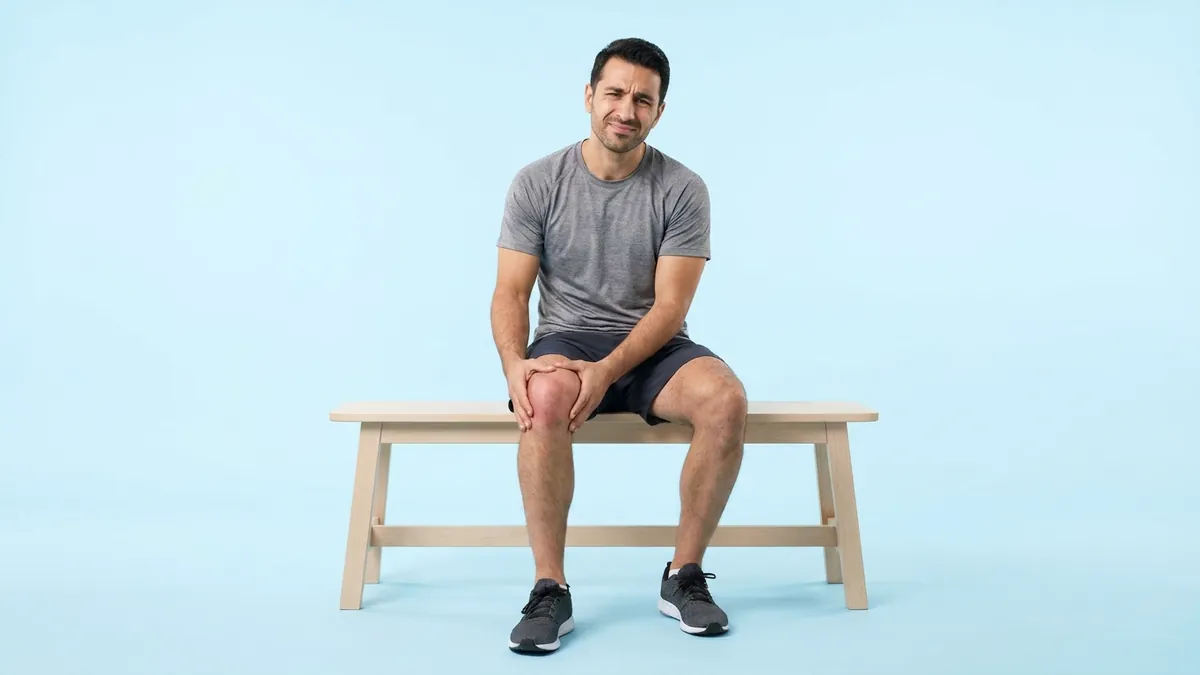
Knee pain is something we've all heard of, and perhaps even experienced. One of the main causes of this pain in the knee, whether it's climbing stairs, running, or just sitting up, is damage to a part called the 'meniscus'. Many people have heard of this name, but they don't know exactly what it is, where it is, or what happens. So let's talk about it in a simple way today, in a way that you can understand.
What is this meniscus?
Simply put, the meniscus is a C-shaped, rubbery piece of cartilage inside your knee joint. Think of it like a shock absorber in a car. Our knee is made up of the femur (thigh bone) on top and the tibia (shin bone) on the bottom. The meniscus' main function is to prevent these two bones from rubbing together and act as a cushion between them.
There are two meniscuses like this in each knee.
- Medial Meniscus: The one on the inside of the knee.
- Lateral Meniscus: The one on the outside of the knee.
These are made mostly of water and a special type of protein called collagen . This collagen is what gives the meniscus its strength and flexibility.
But the most important and somewhat dangerous thing here is that most of the meniscus does not have a direct blood supply. That is, it receives the necessary nutrition through the synovial fluid inside the joint. Therefore, if the meniscus is injured, that is, if it is torn, it has a very low chance of healing on its own.
What are the main functions of the meniscus?
Without the meniscus, we wouldn't be able to use our knees properly. That's how important it is. Look at what happens with it.
| Function | Simple Explanation |
|---|---|
| Load bearing and distribution | When we stand and walk, our knees help support the weight of our entire body. And they distribute that weight evenly throughout the joint, rather than concentrating it in one place. |
| Shock absorption | They absorb the shock that hits the knee when we run, jump, or climb stairs, protecting the bones. Just like the shock absorbers in a car. |
| Joint stability | The femur and the tibia help keep the pelvis stable and stable. |
| Joint lubrication | This prevents the two bones from rubbing together, allowing the knee to bend and extend easily and without pain. |
Because of these functions, the meniscus also plays a major role in protecting our knee joints from wear and tear ( osteoarthritis ) over time.
How do I know if there is a problem with the meniscus in my knee?
When a meniscus tears, you may not feel any pain right away. But symptoms will start to appear after a while or the next day. These are the main warning signs.
- Hearing a 'click' or 'pop' sound: This type of sound may be heard from inside the knee at the time of the injury.
- Pain and swelling: The knee usually begins to hurt and swell within a few hours of the injury .
- Knee locking: The knee is locked in one position, unable to bend or straighten. Like a locked door.
- Inability to fully extend the knee: Stiffness and pain are felt when trying to straighten the knee.
- Knee weakness: The knee feels like it is "dropping" and unable to stand with weight on it.
- Foot drop: The pain makes it impossible to put your foot down properly.
If you have any of these symptoms, don't ignore them. As I said before, meniscus injuries don't heal on their own.It is very important to definitely see a doctor and get advice.
What conditions affect the meniscus?
Let's talk about two conditions that mainly affect the meniscus.
Meniscus Tear
This is a common problem. The meniscus can tear due to sudden twisting of the knee, falling, or a direct blow to the knee while playing a sport like cricket or football. Also, the strength of the meniscus decreases with age. Therefore, in the case of an elderly person, sometimes even something as small as getting up from a chair can tear the meniscus.
Discoid Meniscus
This is a congenital condition. Instead of the normal 'C' shape, the meniscus is shaped like an oval or a plate. This abnormal shape can cause knee pain, clicking, and stiffness from an early age. It most often affects the meniscus on the outside of the knee.
What can you do to keep the meniscus healthy?
Preventing a meniscus tear is always better than treating one. So make these things a habit to take care of your knees.
- Strengthen the muscles around the knee: It is especially important to exercise the muscles in the front of the thigh (Quadriceps) and the muscles in the back (Hamstrings) . When these muscles are strong, the pressure on the knee joint is reduced.
- Maintain flexibility: Make it a habit to warm up and stretch your muscles before and after exercising.
- Wear shoes that are appropriate for the sport or work you are doing: This can reduce unnecessary pressure and strain on your knees.
- Control your weight: The more weight you carry, the more pressure your knees will bear. Therefore, maintaining a healthy weight is very important.
- Be careful of accidents: Follow proper posture and safety techniques to protect your knees, whether playing sports or doing other work.
💡 Take-Home Message
- The meniscus is an important shock-absorbing cushion between the two bones in your knee.
- If you experience pain, swelling, stiffness, or a 'cracking' sound in your knee , it could be a sign of a meniscus injury.
- Do not ignore these symptoms. Meniscus injuries do not heal on their own, so be sure to seek medical advice .
- Strengthening the muscles around the knee, wearing the right shoes, and controlling your body weight can help protect the meniscus.



Janiw kuna arsuwinakas jichhakamax uñt’ayatäkiti. Aka chiqanx amuyt’awim jan ukax jiskt’awim yapxatañamawa.