Are mussels good for you? Let's find out for sure!

Are mussels good for you? Let's find out for sure!

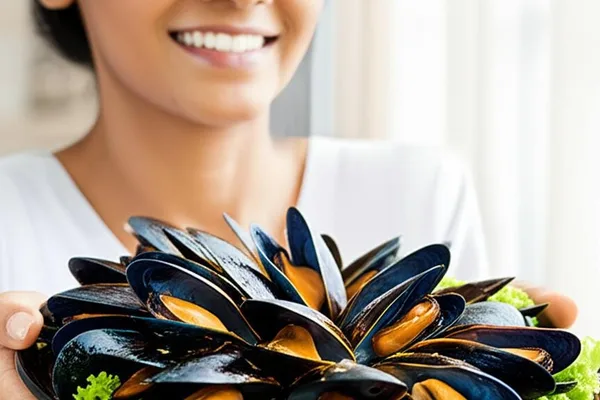
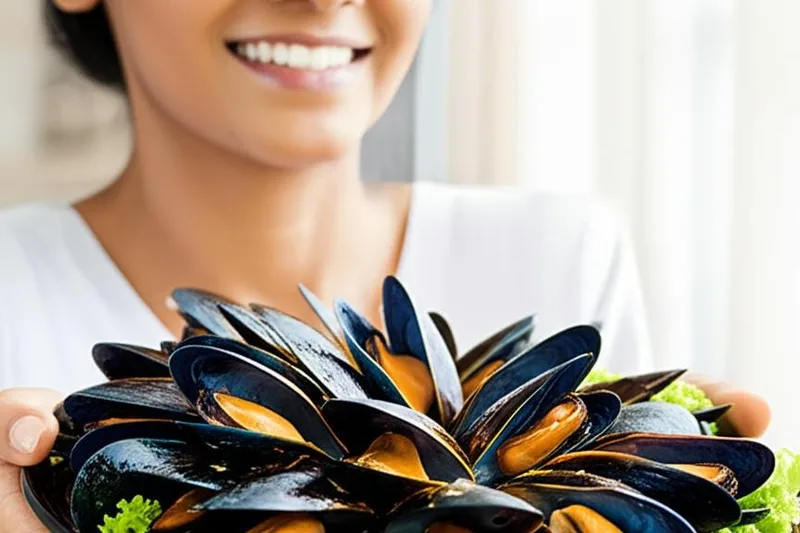
In Sri Lanka, we love to eat seafood. Along with shrimp, squid, and crab, 'matti' is also a popular dish among some of us. These are a type of shellfish with a delicious meat inside a blue-black shell. But did you know that there are benefits as well as some risks to eating these mussels? Don't worry, today we will talk about what you need to know before eating mussels.

First, let's see, what are these mussels?

Mussels are a type of bivalve mollusk. The blue mussel is the most common type of mussel we eat. These animals gather in one place and filter out tiny organisms (plankton) that float in the seawater. Think of them as a water-filtering machine.

Because the water is filtered this way, sometimes harmful bacteria and toxins in the water can also accumulate in their bodies. This is the main reason why we need to be a little careful when eating mussels. Although most of these harmful substances are destroyed when cooked properly, some toxins may remain.

Nowadays, there are also mussels that are grown on farms, that is, on ropes suspended from the sea. Since they are not on the seabed, they are relatively clean. However, if there are toxins in the water, they can still be absorbed into the body. Therefore, although mussels have health benefits, some people are more at risk from eating them.

How nutritious are mussels?

Mussels are actually a very nutritious food. Let's take a look at what's in about 85 grams (3 ounces) of boiled mussels.

Nutrient section Size
Calories 146
Protein 20 grams
Fat 4 grams
Carbohydrates 6 grams
Vitamin C Contains a high amount
Iron About 1/3 of the daily requirement
Vitamin A and Calcium Contains a significant amount

What are the health benefits of eating mussels?

Due to this nutritional composition, there are several benefits to our bodies from eating mussels.

A storehouse of the highest quality protein

Mussels are a very high source of protein. They contain all the essential amino acids that our body needs. Simply put, these amino acids are the basic units of protein. The protein in this is easily digested by our body. This protein helps a lot in strengthening the muscles of the body, boosting the immune system , strengthening bones and healing wounds quickly . If you eat 85 grams of mussels, an average person will get 40% of the protein needed for a day.

Helps prevent anemia

Iron deficiency anemia , or as we call it, anemia , is a very common condition in our country. This causes the body to feel tired and weak. This condition is especially common among our women, especially pregnant mothers. Mussels are a food rich in iron. They are also rich in vitamin B12, which is essential for making red blood cells.

Therefore, it can be very beneficial for those suffering from iron deficiency to add a food like mussels to their diet, following the doctor's advice.

Good for heart health

Omega-3 fatty acids are essential for heart health. They help regulate heart rate, lower blood pressure, and maintain healthy blood vessels. Mussels and seafood are particularly rich in omega-3s, EPA and DHA.

Are you trying to lose weight?

If you're trying to lose weight, mussels are a great choice. They 're low in calories but high in nutrients. But remember, frying them in a lot of oil will negate their benefits. Boiling, steaming, and cooking them with low-calorie seasonings are the best ways to go.

But be careful! The risks of eating mussels

Along with the benefits, there are some risks to eating mussels. It's important to be aware of these.

Risk Description and what to do
Shellfish Poisoning Mussels can be poisonous at times due to conditions such as 'red tides' in the sea. Eating these can cause serious conditions such as stomach upset and later loss of muscle mass. This is less likely to happen with mussels bought from the market. If you catch them yourself, consult local health authorities. If in doubt, go to a hospital emergency room (ETU) immediately. If necessary, call the National Poisons Information Centre at the Colombo National Hospital for advice.
Mercury content Most seafood contains some mercury. But smaller organisms like mussels have lower levels. Eating about 340 grams (12 ounces) per week is safe for most people. It is important for pregnant women to talk to their doctor about this and follow their advice.
Allergies Seafood allergies are very common, and can even be life-threatening. If you have an allergy to other seafood, such as shrimp or crab, avoid eating mussels altogether.
The dangers of eating raw Eating raw mussels is very dangerous for some people. Especially those with cancer, liver disease, diabetes mellitus, weakened immune systems, and digestive system diseases should definitely only eat mussels after they are thoroughly cooked .

Take-Home Message

  • Mussels are a highly nutritious food, rich in protein, iron, and Omega-3.
  • Eating these raw can lead to bacterial infections and poisoning. Avoid eating them raw.
  • If you have a seafood allergy, avoid eating mussels completely.
  • It is very important for pregnant mothers, those with weakened immune systems, and those with chronic illnesses to consult their doctor before eating mussels.
  • If you suspect poisoning, go to a hospital's Emergency Department (ETU) immediately.

Mussels, shellfish, health benefits, allergy, seafood, nutrition

⚠️ Important: The medical articles and information on Nirogi Lanka are for general awareness only, and are by no means a substitute for professional medical advice, diagnosis, or treatment. For any medical problem you have, consult a qualified physician immediately.

💬 Comments (0)

No comments have been posted yet. Add your comment here for the first time.

Add your comment

Please calculate: 2 + 9 =
Are mussels good for you? Let's find out for sure!
Nutrition and FoodAugust 23, 2025

Are mussels good for you? Let's find out for sure!

In Sri Lanka, we love to eat seafood. Along with shrimp, squid, and crab, 'matti' is also a popular dish among some of us. These are a type of shellfish with a delicious meat inside a blue-black shell. But did you know that there are benefits as well as some risks to eating these mussels? Don't worry, today we will talk about what you need to know before eating mussels.

First, let's see, what are these mussels?

Mussels are a type of bivalve mollusk. The blue mussel is the most common type of mussel we eat. These animals gather in one place and filter out tiny organisms (plankton) that float in the seawater. Think of them as a water-filtering machine.

Because the water is filtered this way, sometimes harmful bacteria and toxins in the water can also accumulate in their bodies. This is the main reason why we need to be a little careful when eating mussels. Although most of these harmful substances are destroyed when cooked properly, some toxins may remain.

Nowadays, there are also mussels that are grown on farms, that is, on ropes suspended from the sea. Since they are not on the seabed, they are relatively clean. However, if there are toxins in the water, they can still be absorbed into the body. Therefore, although mussels have health benefits, some people are more at risk from eating them.

How nutritious are mussels?

Mussels are actually a very nutritious food. Let's take a look at what's in about 85 grams (3 ounces) of boiled mussels.

Nutrient section Size
Calories 146
Protein 20 grams
Fat 4 grams
Carbohydrates 6 grams
Vitamin C Contains a high amount
Iron About 1/3 of the daily requirement
Vitamin A and Calcium Contains a significant amount

What are the health benefits of eating mussels?

Due to this nutritional composition, there are several benefits to our bodies from eating mussels.

A storehouse of the highest quality protein

Mussels are a very high source of protein. They contain all the essential amino acids that our body needs. Simply put, these amino acids are the basic units of protein. The protein in this is easily digested by our body. This protein helps a lot in strengthening the muscles of the body, boosting the immune system , strengthening bones and healing wounds quickly . If you eat 85 grams of mussels, an average person will get 40% of the protein needed for a day.

Helps prevent anemia

Iron deficiency anemia , or as we call it, anemia , is a very common condition in our country. This causes the body to feel tired and weak. This condition is especially common among our women, especially pregnant mothers. Mussels are a food rich in iron. They are also rich in vitamin B12, which is essential for making red blood cells.

Therefore, it can be very beneficial for those suffering from iron deficiency to add a food like mussels to their diet, following the doctor's advice.

Good for heart health

Omega-3 fatty acids are essential for heart health. They help regulate heart rate, lower blood pressure, and maintain healthy blood vessels. Mussels and seafood are particularly rich in omega-3s, EPA and DHA.

Are you trying to lose weight?

If you're trying to lose weight, mussels are a great choice. They 're low in calories but high in nutrients. But remember, frying them in a lot of oil will negate their benefits. Boiling, steaming, and cooking them with low-calorie seasonings are the best ways to go.

But be careful! The risks of eating mussels

Along with the benefits, there are some risks to eating mussels. It's important to be aware of these.

Risk Description and what to do
Shellfish Poisoning Mussels can be poisonous at times due to conditions such as 'red tides' in the sea. Eating these can cause serious conditions such as stomach upset and later loss of muscle mass. This is less likely to happen with mussels bought from the market. If you catch them yourself, consult local health authorities. If in doubt, go to a hospital emergency room (ETU) immediately. If necessary, call the National Poisons Information Centre at the Colombo National Hospital for advice.
Mercury content Most seafood contains some mercury. But smaller organisms like mussels have lower levels. Eating about 340 grams (12 ounces) per week is safe for most people. It is important for pregnant women to talk to their doctor about this and follow their advice.
Allergies Seafood allergies are very common, and can even be life-threatening. If you have an allergy to other seafood, such as shrimp or crab, avoid eating mussels altogether.
The dangers of eating raw Eating raw mussels is very dangerous for some people. Especially those with cancer, liver disease, diabetes mellitus, weakened immune systems, and digestive system diseases should definitely only eat mussels after they are thoroughly cooked .

Take-Home Message

  • Mussels are a highly nutritious food, rich in protein, iron, and Omega-3.
  • Eating these raw can lead to bacterial infections and poisoning. Avoid eating them raw.
  • If you have a seafood allergy, avoid eating mussels completely.
  • It is very important for pregnant mothers, those with weakened immune systems, and those with chronic illnesses to consult their doctor before eating mussels.
  • If you suspect poisoning, go to a hospital's Emergency Department (ETU) immediately.

Mussels, shellfish, health benefits, allergy, seafood, nutrition

⚠️ Important: The medical articles and information on Nirogi Lanka are for general awareness only, and are by no means a substitute for professional medical advice, diagnosis, or treatment. For any medical problem you have, consult a qualified physician immediately.

💬 Comments (0)

No comments have been posted yet. Add your comment here for the first time.

Add your comment

Please calculate: 2 + 9 =