
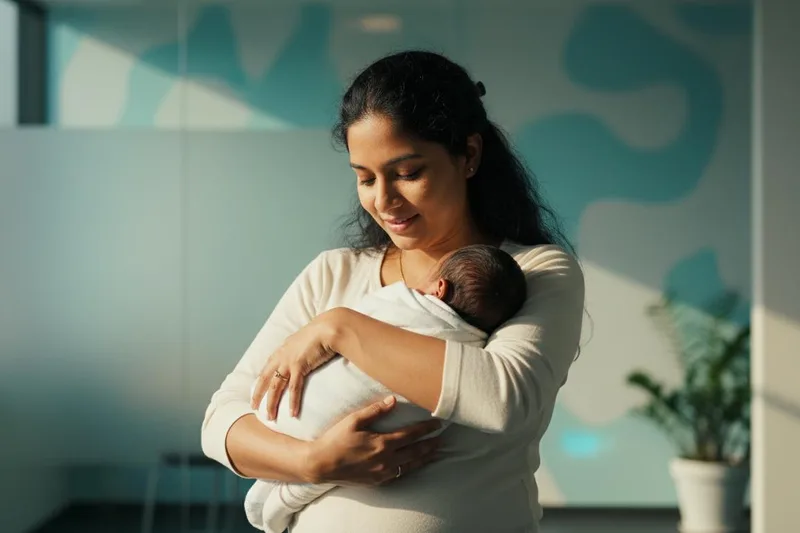
Mom, how is your body and mind after having a baby? Let's learn about this! (Postpartum Recovery)

Mom, how is your body and mind after having a baby? Let's learn about this! (Postpartum Recovery)

After having a baby, along with the greatest joy in your life, comes a big change, right? With this new joy, your body and mind start to feel different little changes. This is very normal. So, today we will talk about what you can expect after giving birth, that is, during the postpartum period , how we cope with it, and how we recover.
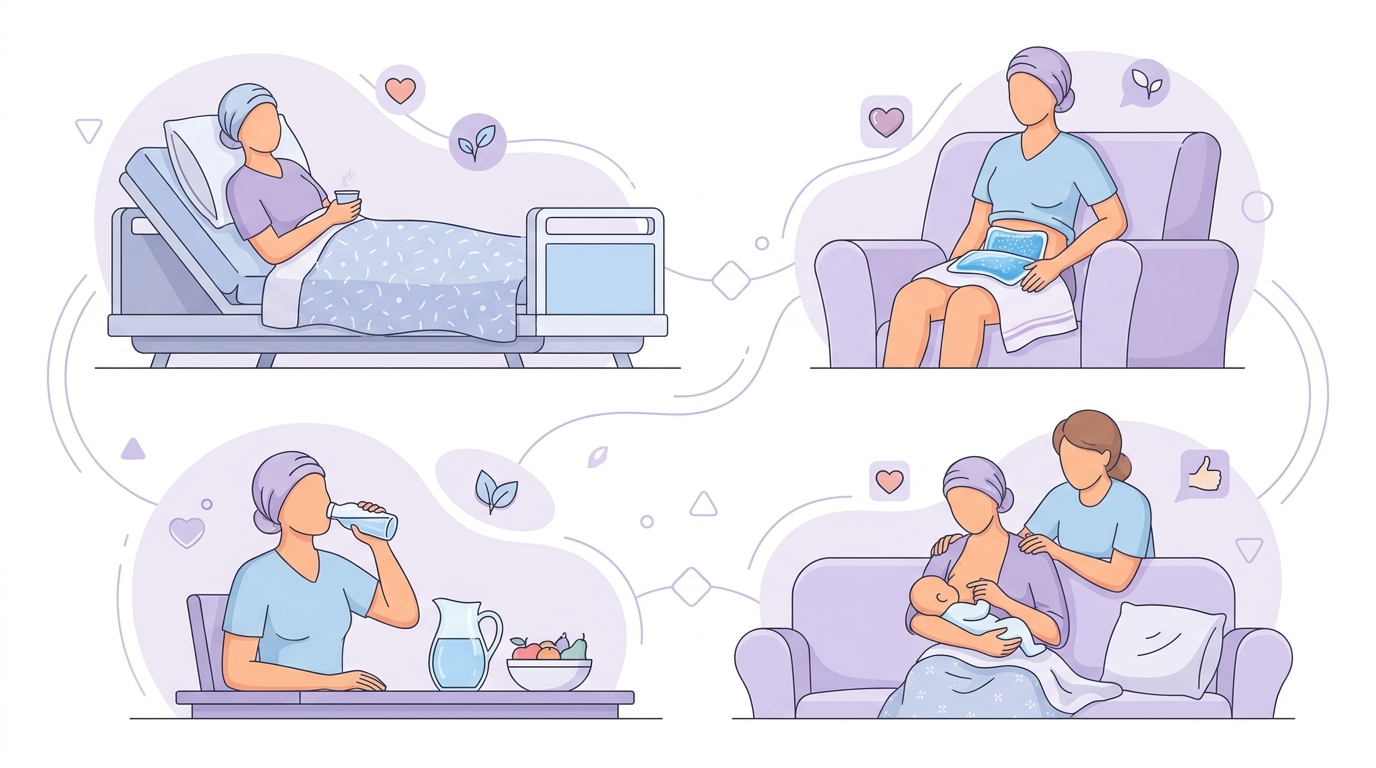
What are the physical changes?

After having a baby, your body will start to change. Some of these may be a little uncomfortable for you, but remember, most of these things are temporary.

  • Breast pain and swelling: When your milk starts to come in, your breasts may become painfully full and swollen for a few days. Sometimes your nipples may also hurt. This is called `(Engorgement)`.
  • Pain around the vagina: If the area between the vagina and the anus, called the ``perineum'', tears during childbirth, or if the doctor makes a small cut in that area, called an ``episiotomy'', it may be difficult to sit or walk for a few days with the stitches. It may also hurt when coughing or sneezing. The vagina may also be a little painful.
  • Constipation or constipation: You may not be able to have a bowel movement for a few days after having a baby. If you have hemorrhoids, it may be painful to have a bowel movement because the muscles in that area are sore until the stitches from the episiotomy heal.
  • Hot and Cold Flashes: Your body temperature can suddenly go up and down as your body adjusts to changes in hormones and blood flow. It's like the thermostat inside your body is being turned up and down.
  • Hemorrhoids: This is something that happens to most people, but for some it is something that comes as a surprise. This is a swelling of the blood vessels around the rectum or anus.
  • Urinary Incontinence or Fecal Incontinence: As your muscles tighten after giving birth, you may leak urine when you laugh, cough, or lift something. Sometimes, you may also have difficulty controlling your bowels, especially if you had a history of incontinence for a long time before giving birth vaginally.
  • Afterpains: Your uterus will continue to contract for a few days after you have your baby. This can feel like menstrual cramps. You may experience bleeding when you breastfeed your baby.This is felt more when taking medication to reduce weight.
  • Vaginal discharge (Lochia): Initially, you will have a vaginal discharge that is blood-colored, heavier than your normal period, and may contain blood clots. It will gradually turn white or yellow and stop after a few weeks. This is called lochia.
  • Weight loss: After having a baby, you will lose about 12 to 13 pounds, including the weight of the baby, placenta, and amniotic fluid. Then, within the first week, your body water will also decrease. But it can take several months, maybe even a year, to get back to your pre-pregnancy weight. So don't worry, okay?

If you had a cesarean section (C-section)...

If you had a Caesarean section (C-section), it will take a little longer to recover. This is because it is an abdominal surgery that takes a long time to heal. The pain will be more intense for the first few days after the surgery, but it should gradually decrease. Your doctor will tell you what to be careful of after the surgery. For example, you will need to stop doing strenuous activities, lifting weights , and driving for a while . Your doctor will also tell you how to bathe, how to start small exercises to help you recover quickly and prevent constipation.

What are the emotional changes?

Both the body and the mind experience changes during this time. It is very important to be aware of these as well.

What are "Baby Blues"?

Many new mothers may feel irritable, sad, tearful, or anxious in the first few days after having a baby. This is called the 'baby blues'. This is very common. It can be caused by physical changes (hormonal changes, fatigue, unexpected childbirth) and the emotional transition as you adjust to your new baby and new responsibilities. The 'baby blues' usually go away within a week or two.

Postpartum Depression (PPD)

This is a more serious and longer-lasting condition than the 'baby blues'. It can cause mood swings, fear, guilt, and persistent sadness. Postpartum Depression (PPD) can occur up to a year after having a baby. People who have had depression before, those who have a lot of problems in their lives, and those who have a family history of depression are more likely to develop it. If you are feeling this way, don't be shy and talk to a doctor.

The sex life between you and your husband...

You and your husband are having sex at this time.There are two ways to think about intimacy. You may be ready to go back to the way you were before having the baby. But you may be feeling unwell, so you just need to get some sleep. Doctors usually recommend that you avoid sex for a few weeks to recover.

The Healing Process

Just as it takes months for your body to bring a baby into the world, it also takes time for it to get back to normal. If you had a cesarean section, it can take even longer, as it takes longer to heal after surgery. If you had to have an unplanned cesarean section, it can also be emotionally draining.

Remember, every mother's recovery time is different. Allow yourself to heal at your own pace.

You should also think about family planning methods (Birth Control).

You can get pregnant again before your first postpartum period . This is less likely if you are exclusively breastfeeding your baby, if your period has not yet started, or if your baby is less than 6 months old, but it is still possible.

If you want to protect yourself from getting pregnant again, talk to your doctor about the options available to you. These may include barrier methods like condoms or diaphragms, an IUD, pills, patches, an implantable device, or injections.

These things are important for a breastfeeding mother (Breastfeeding Advice)

You need to get enough sleep, plenty of water, and good nutrition , especially if you're breastfeeding. The easiest way is to drink a glass of water after your baby drinks. At least until your milk comes in, cut down on caffeine (like coffee and tea). These can increase urination and dehydrate your baby, which can sometimes make your baby wake up and fussy.

If you have any problems breastfeeding, talk to your doctor, midwife, or a lactation specialist. A lactation specialist at your clinic or hospital can help with any questions you may have.

  • Clogged Milk Ducts: Clogged milk ducts can be cured by breast massage, frequent breastfeeding, warm baths before breastfeeding, and warm moist compresses throughout the day.
  • If you have a breast infection (mastitis): If you have a fever, chills, or your breasts are sore or red, you may have an infection (mastitis), which may require antibiotics. If this happens , call your doctor immediately.But continue to breastfeed from both breasts or pump, and drink plenty of water.

Some more useful tips

How to care for episiotomy stitches

Continue to take sitz baths, first with cold water and then with hot water, for the first few days. Squeeze your buttocks together when you sit, which will help reduce the pain from the stitches. It may be more comfortable to sit on a pillow than sitting in a hard position. Use a squirt bottle of warm water to rinse the area when you go to the toilet; use it slowly. After a bowel movement, wipe from front to back to help prevent infection. Reduce swelling with ice packs or chilled witch hazel pads. Local anesthetic sprays can also help. Talk to your doctor about taking an anti-inflammatory medication like ibuprofen to help with pain and swelling.

How to start exercising?

Start exercising as soon as your doctor gives you the okay. It will help you regain your strength and pre-pregnancy body, increase your energy and well-being, and reduce constipation. Start small and gradually increase your activity. Walking and swimming are great exercises.

What to do for hemorrhoids and constipation?

Alternating warm sitz baths and cold packs can help with hemorrhoids. Sitting on an inflatable donut cushion can also help. Ask your doctor about a stool softener. Do not use laxatives, suppositories , or enemas without your doctor's approval. Drink plenty of water, eat fruits and vegetables that are high in fiber, and exercise after your doctor gives you permission.

Before starting sex again...

Your body needs time to heal. Doctors usually recommend avoiding sex for 4-6 weeks to reduce the risk of infection, increased bleeding, and reopening of healing wounds. Start slowly. Start with things like caressing and caressing. You may notice that your vaginal lubrication is reduced (this is a hormonal change, usually temporary), so a water-based lubricant may help. Try to find positions that are comfortable and reduce pressure on sore areas. If you feel any pain or anxiety during sex, tell your partner - talking about it can help both of you feel less anxious and feel more confident about starting a sexual life again.

Loss of urinary/fecal control (Incontinence)

As your body returns to its pre-pregnancy state, problems such as involuntary leakage of urine or stool will gradually decrease. Do Kegel exercises to help with this process. These strengthen the pelvic floor muscles. Find the right muscles and imagine that you are trying to stop urinating . Tighten those muscles for a few seconds and then relax (your doctor can see if you are doing this correctly). Wear a sanitary pad for protection, and tell your doctor about any loss of control you have.

Getting Help From Others

It's hard for you to do everything on your own these days. So don't be shy about asking your husband, friends, or family for help. Think about what you could tell them if someone asked you to help them.

  • Ask a friend or relative to bring you something from the store.
  • Ask them to come hold the baby while you take a bath or go for a walk.
  • Or ask them to prepare a meal and bring it to you.
  • If possible, hire a young person or a cleaning service to clean the house.

When Should I Call the Doctor?

You should talk to your doctor immediately if you have any of these concerns about your postpartum health:

  • If you have a fever of 100.4°F (38°C) or higher.
  • If you are wetting more than one sanitary napkin per hour, passing large blood clots (larger than a quarter), or if your bleeding is heavy.
  • If you had a cesarean section or an episiotomy and the incision site is very red, swollen, or oozing pus.
  • If you have new pain, swelling, or tenderness in your legs.
  • If you have breasts that feel hot, red, or painful to the touch, or if there is a crack or bleeding in the nipple or the dark skin around the nipple (areola).
  • If your vaginal discharge smells bad.
  • If it hurts when you urinate , if you suddenly need to urinate , or if you can't control your urination .
  • If the pain around the vagina increases.
  • If you have new or severe stomach pain.
  • If you have a cough, chest pain, nausea, or vomiting.
  • If you have a headache or vision changes.
  • If you feel depressed, have hallucinations, have thoughts of suicide, or have thoughts of harming your baby. These are very serious warning signs, so seek medical advice immediately.

Finally, I have to tell you... (Take-Home Message)

Mom, the recovery period after having a baby can be a bit tough. There are new things to get used to. But remember, these things will get easier. Sooner than you think, you'll be able to focus on just being happy with your new baby. You're strong, you can do this!

👩🏽‍⚕️ Additional questions (FAQs)

💬 What is postpartum depression?

A few weeks after the birth of a child, some mothers feel like crying for no reason, miss their baby, and feel depressed to the point of being bored with life. This is a serious condition caused by hormonal changes.

💬 How long does it take for stitches to heal after a normal delivery?

It often takes between 2 and 4 weeks for an episiotomy to fully heal. During this time, it is very important to keep the area clean by washing it with lukewarm water.

💬 Why do I feel so tired and sleepy for months after having a baby?

Having to get up at night to check on the baby (lack of sleep), the energy drain from breastfeeding, and iron deficiency (anemia) due to the heavy blood loss during childbirth, all of these factors can leave a mother feeling constantly exhausted and exhausted.


` Postpartum recovery, postpartum care, mother and baby, cesarean section, breastfeeding, baby blues, postpartum depression

⚠️ Important: The medical articles and information on Nirogi Lanka are for general awareness only, and are by no means a substitute for professional medical advice, diagnosis, or treatment. For any medical problem you have, consult a qualified physician immediately.

💬 Comments (0)

No comments have been posted yet. Add your comment here for the first time.

Add your comment

Please calculate: 3 + 9 =
Mom, how is your body and mind after having a baby? Let's learn about this! (Postpartum Recovery)

Mom, how is your body and mind after having a baby? Let's learn about this! (Postpartum Recovery)

After having a baby, along with the greatest joy in your life, comes a big change, right? With this new joy, your body and mind start to feel different little changes. This is very normal. So, today we will talk about what you can expect after giving birth, that is, during the postpartum period , how we cope with it, and how we recover.

What are the physical changes?

After having a baby, your body will start to change. Some of these may be a little uncomfortable for you, but remember, most of these things are temporary.

  • Breast pain and swelling: When your milk starts to come in, your breasts may become painfully full and swollen for a few days. Sometimes your nipples may also hurt. This is called `(Engorgement)`.
  • Pain around the vagina: If the area between the vagina and the anus, called the ``perineum'', tears during childbirth, or if the doctor makes a small cut in that area, called an ``episiotomy'', it may be difficult to sit or walk for a few days with the stitches. It may also hurt when coughing or sneezing. The vagina may also be a little painful.
  • Constipation or constipation: You may not be able to have a bowel movement for a few days after having a baby. If you have hemorrhoids, it may be painful to have a bowel movement because the muscles in that area are sore until the stitches from the episiotomy heal.
  • Hot and Cold Flashes: Your body temperature can suddenly go up and down as your body adjusts to changes in hormones and blood flow. It's like the thermostat inside your body is being turned up and down.
  • Hemorrhoids: This is something that happens to most people, but for some it is something that comes as a surprise. This is a swelling of the blood vessels around the rectum or anus.
  • Urinary Incontinence or Fecal Incontinence: As your muscles tighten after giving birth, you may leak urine when you laugh, cough, or lift something. Sometimes, you may also have difficulty controlling your bowels, especially if you had a history of incontinence for a long time before giving birth vaginally.
  • Afterpains: Your uterus will continue to contract for a few days after you have your baby. This can feel like menstrual cramps. You may experience bleeding when you breastfeed your baby.This is felt more when taking medication to reduce weight.
  • Vaginal discharge (Lochia): Initially, you will have a vaginal discharge that is blood-colored, heavier than your normal period, and may contain blood clots. It will gradually turn white or yellow and stop after a few weeks. This is called lochia.
  • Weight loss: After having a baby, you will lose about 12 to 13 pounds, including the weight of the baby, placenta, and amniotic fluid. Then, within the first week, your body water will also decrease. But it can take several months, maybe even a year, to get back to your pre-pregnancy weight. So don't worry, okay?

If you had a cesarean section (C-section)...

If you had a Caesarean section (C-section), it will take a little longer to recover. This is because it is an abdominal surgery that takes a long time to heal. The pain will be more intense for the first few days after the surgery, but it should gradually decrease. Your doctor will tell you what to be careful of after the surgery. For example, you will need to stop doing strenuous activities, lifting weights , and driving for a while . Your doctor will also tell you how to bathe, how to start small exercises to help you recover quickly and prevent constipation.

What are the emotional changes?

Both the body and the mind experience changes during this time. It is very important to be aware of these as well.

What are "Baby Blues"?

Many new mothers may feel irritable, sad, tearful, or anxious in the first few days after having a baby. This is called the 'baby blues'. This is very common. It can be caused by physical changes (hormonal changes, fatigue, unexpected childbirth) and the emotional transition as you adjust to your new baby and new responsibilities. The 'baby blues' usually go away within a week or two.

Postpartum Depression (PPD)

This is a more serious and longer-lasting condition than the 'baby blues'. It can cause mood swings, fear, guilt, and persistent sadness. Postpartum Depression (PPD) can occur up to a year after having a baby. People who have had depression before, those who have a lot of problems in their lives, and those who have a family history of depression are more likely to develop it. If you are feeling this way, don't be shy and talk to a doctor.

The sex life between you and your husband...

You and your husband are having sex at this time.There are two ways to think about intimacy. You may be ready to go back to the way you were before having the baby. But you may be feeling unwell, so you just need to get some sleep. Doctors usually recommend that you avoid sex for a few weeks to recover.

The Healing Process

Just as it takes months for your body to bring a baby into the world, it also takes time for it to get back to normal. If you had a cesarean section, it can take even longer, as it takes longer to heal after surgery. If you had to have an unplanned cesarean section, it can also be emotionally draining.

Remember, every mother's recovery time is different. Allow yourself to heal at your own pace.

You should also think about family planning methods (Birth Control).

You can get pregnant again before your first postpartum period . This is less likely if you are exclusively breastfeeding your baby, if your period has not yet started, or if your baby is less than 6 months old, but it is still possible.

If you want to protect yourself from getting pregnant again, talk to your doctor about the options available to you. These may include barrier methods like condoms or diaphragms, an IUD, pills, patches, an implantable device, or injections.

These things are important for a breastfeeding mother (Breastfeeding Advice)

You need to get enough sleep, plenty of water, and good nutrition , especially if you're breastfeeding. The easiest way is to drink a glass of water after your baby drinks. At least until your milk comes in, cut down on caffeine (like coffee and tea). These can increase urination and dehydrate your baby, which can sometimes make your baby wake up and fussy.

If you have any problems breastfeeding, talk to your doctor, midwife, or a lactation specialist. A lactation specialist at your clinic or hospital can help with any questions you may have.

  • Clogged Milk Ducts: Clogged milk ducts can be cured by breast massage, frequent breastfeeding, warm baths before breastfeeding, and warm moist compresses throughout the day.
  • If you have a breast infection (mastitis): If you have a fever, chills, or your breasts are sore or red, you may have an infection (mastitis), which may require antibiotics. If this happens , call your doctor immediately.But continue to breastfeed from both breasts or pump, and drink plenty of water.

Some more useful tips

How to care for episiotomy stitches

Continue to take sitz baths, first with cold water and then with hot water, for the first few days. Squeeze your buttocks together when you sit, which will help reduce the pain from the stitches. It may be more comfortable to sit on a pillow than sitting in a hard position. Use a squirt bottle of warm water to rinse the area when you go to the toilet; use it slowly. After a bowel movement, wipe from front to back to help prevent infection. Reduce swelling with ice packs or chilled witch hazel pads. Local anesthetic sprays can also help. Talk to your doctor about taking an anti-inflammatory medication like ibuprofen to help with pain and swelling.

How to start exercising?

Start exercising as soon as your doctor gives you the okay. It will help you regain your strength and pre-pregnancy body, increase your energy and well-being, and reduce constipation. Start small and gradually increase your activity. Walking and swimming are great exercises.

What to do for hemorrhoids and constipation?

Alternating warm sitz baths and cold packs can help with hemorrhoids. Sitting on an inflatable donut cushion can also help. Ask your doctor about a stool softener. Do not use laxatives, suppositories , or enemas without your doctor's approval. Drink plenty of water, eat fruits and vegetables that are high in fiber, and exercise after your doctor gives you permission.

Before starting sex again...

Your body needs time to heal. Doctors usually recommend avoiding sex for 4-6 weeks to reduce the risk of infection, increased bleeding, and reopening of healing wounds. Start slowly. Start with things like caressing and caressing. You may notice that your vaginal lubrication is reduced (this is a hormonal change, usually temporary), so a water-based lubricant may help. Try to find positions that are comfortable and reduce pressure on sore areas. If you feel any pain or anxiety during sex, tell your partner - talking about it can help both of you feel less anxious and feel more confident about starting a sexual life again.

Loss of urinary/fecal control (Incontinence)

As your body returns to its pre-pregnancy state, problems such as involuntary leakage of urine or stool will gradually decrease. Do Kegel exercises to help with this process. These strengthen the pelvic floor muscles. Find the right muscles and imagine that you are trying to stop urinating . Tighten those muscles for a few seconds and then relax (your doctor can see if you are doing this correctly). Wear a sanitary pad for protection, and tell your doctor about any loss of control you have.

Getting Help From Others

It's hard for you to do everything on your own these days. So don't be shy about asking your husband, friends, or family for help. Think about what you could tell them if someone asked you to help them.

  • Ask a friend or relative to bring you something from the store.
  • Ask them to come hold the baby while you take a bath or go for a walk.
  • Or ask them to prepare a meal and bring it to you.
  • If possible, hire a young person or a cleaning service to clean the house.

When Should I Call the Doctor?

You should talk to your doctor immediately if you have any of these concerns about your postpartum health:

  • If you have a fever of 100.4°F (38°C) or higher.
  • If you are wetting more than one sanitary napkin per hour, passing large blood clots (larger than a quarter), or if your bleeding is heavy.
  • If you had a cesarean section or an episiotomy and the incision site is very red, swollen, or oozing pus.
  • If you have new pain, swelling, or tenderness in your legs.
  • If you have breasts that feel hot, red, or painful to the touch, or if there is a crack or bleeding in the nipple or the dark skin around the nipple (areola).
  • If your vaginal discharge smells bad.
  • If it hurts when you urinate , if you suddenly need to urinate , or if you can't control your urination .
  • If the pain around the vagina increases.
  • If you have new or severe stomach pain.
  • If you have a cough, chest pain, nausea, or vomiting.
  • If you have a headache or vision changes.
  • If you feel depressed, have hallucinations, have thoughts of suicide, or have thoughts of harming your baby. These are very serious warning signs, so seek medical advice immediately.

Finally, I have to tell you... (Take-Home Message)

Mom, the recovery period after having a baby can be a bit tough. There are new things to get used to. But remember, these things will get easier. Sooner than you think, you'll be able to focus on just being happy with your new baby. You're strong, you can do this!

👩🏽‍⚕️ Additional questions (FAQs)

💬 What is postpartum depression?

A few weeks after the birth of a child, some mothers feel like crying for no reason, miss their baby, and feel depressed to the point of being bored with life. This is a serious condition caused by hormonal changes.

💬 How long does it take for stitches to heal after a normal delivery?

It often takes between 2 and 4 weeks for an episiotomy to fully heal. During this time, it is very important to keep the area clean by washing it with lukewarm water.

💬 Why do I feel so tired and sleepy for months after having a baby?

Having to get up at night to check on the baby (lack of sleep), the energy drain from breastfeeding, and iron deficiency (anemia) due to the heavy blood loss during childbirth, all of these factors can leave a mother feeling constantly exhausted and exhausted.


` Postpartum recovery, postpartum care, mother and baby, cesarean section, breastfeeding, baby blues, postpartum depression

⚠️ Important: The medical articles and information on Nirogi Lanka are for general awareness only, and are by no means a substitute for professional medical advice, diagnosis, or treatment. For any medical problem you have, consult a qualified physician immediately.

💬 Comments (0)

No comments have been posted yet. Add your comment here for the first time.

Add your comment

Please calculate: 3 + 9 =