

You've completed 29 weeks of pregnancy! Isn't that exciting? The little one inside you has changed a lot by now. Let's talk about what's happening to you and your baby this week, and what to look out for.
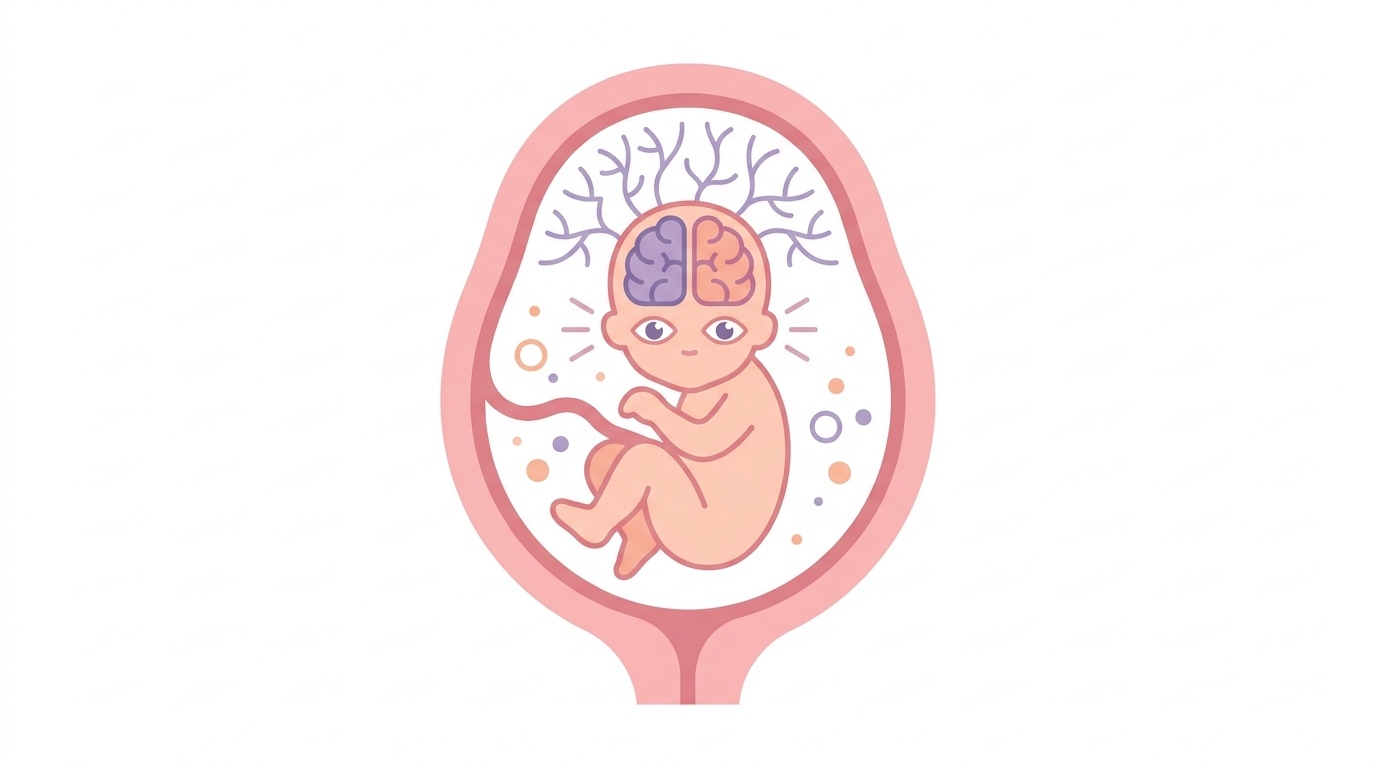
How is the baby's development this week?
Your little one is now quite big. To be precise, he's about the size of a medium-sized pumpkin . He may weigh close to one and a half kilos (1.5 kg) and be about 38 centimeters (about 15 inches) tall. But it's okay for a baby to have a little variation in these numbers. That's normal.
How does the brain develop?
The baby's brain is developing very quickly these days. Grooves and indentations are starting to form on the surface of the brain . These are what will help the baby's intelligence, memory, and everything else later on. Imagine, a little scientist is growing inside you!
Are the lungs ready?
The lungs are also gradually preparing to come into this world. But they are not yet fully mature. A special substance called `(Surfactant)` has started to form inside the lungs . This is very important, because it is this `(Surfactant)` that helps keep the lungs from collapsing when the baby is born. That is why we say it is good for the baby to stay in the womb as long as possible.
Bones become stronger.
The baby's bones are also getting stronger now, just like a coconut shell is maturing. The calcium you take in will help with that the most. So you should eat plenty of calcium-rich foods (milk, cheese, yogurt, green vegetables, small fish with shells) during this time.
How are the sensory organs?
Your baby can now hear sounds very well. He can hear them when you talk or sing. Sometimes he will startle if there is a loud noise! He can also distinguish between light and dark with his eyes. The little taste buds on his tongue have also developed.
Fetal Movements
You've probably noticed your baby's movements by now. It used to be a little awkward, but now you can feel the kicks and kicks . Sometimes, the kicks can be so hard that it's hard to breathe. That's normal.
"But remember this. You should always pay attention to the baby's movements (kicks). Doctors say that the baby should move at least ten times within two hours . We also call this ``Fetal Kick Count''. You can count this when you have some free time."
If you suddenly feel like your baby's movements are less than usual, or if you haven't moved even ten times in two hours, you should definitely tell your doctor or midwife, okay? Don't put it off.
Skin and baby's position
The baby's skin is now a little smoother. This is because a layer of fat is forming under the skin. This layer of fat helps keep the baby warm after birth. The baby's skin may still be covered with a white coating called Vernix Caseosa. There may also still be some fine hair called Lanugo. During this week, most babies turn their heads down, as if they are getting ready to come into the world. However, some babies may not turn that way for a few more days. Don't worry about it.
What's happening to your body this week?
Now that your baby is growing, you're probably feeling some changes in your body, right? These are mostly normal things, but they can be a little annoying.
Heartburn or gastritis (Acid Reflux)
It is common at this time to feel like the acid in the stomach is coming up into the throat. This happens because the baby is growing and the stomach is getting bigger. Eat small meals several times a day, reduce spicy and oily foods. Do not lie down after eating. Drink a little more water. If there is a deficiency, you can ask the doctor for medicine.
Constipation
This is also a problem for many mothers. It is caused by hormonal changes and pressure on the intestines. Eat a lot of fiber-rich foods (fruits, vegetables, legumes, bran bread). Drink plenty of water. Walking a little every day also helps.
Backaches and Edema
It is normal for your back to feel heavy as your belly grows. Maintain proper posture while sitting and standing. Avoid lifting heavy objects. Keeping a pillow between your legs while sleeping can also help. It is normal to have a little swelling (edema) in your hands, feet, and ankles . Keep your legs slightly elevated. Drink plenty of water. However, if your face and hands suddenly swell a lot, accompanied by headaches and blurred vision, it could be a sign of preeclampsia. If this happens, you should see a doctor immediately.
Difficulty breathing and frequent urination
You may feel a little short of breath as your uterus grows and presses against your chest. Practice deep breathing. It is also normal to have to urinate frequently as the baby's head is now pressing on your bladder.
Leg cramps
There may be pain in the legs, especially at night, as if the hair is rolling over.Stretch your legs. Drink plenty of water throughout the day. It could also be due to a lack of calcium and magnesium . Talk to your doctor.
Braxton Hicks Contractions
During this time, you may feel a tightening in your stomach from time to time, a slight pain. These are called ``Braxton Hicks contractions.'' It's like your body is getting used to labor. These are not as intense as real labor, they don't come all at once, and they go away after a while. But if this pain is persistent, severe, comes more than four or five times an hour, or is accompanied by your water breaking, it could be a sign of ``Preterm Labor.'' In that case, see a doctor immediately.
Weight gain and mental well-being
By now, you may have gained a little weight. That's normal. As the doctor says, gaining weight in a healthy way is good for both you and the baby. It's normal to feel different things in your mind as your body changes . Talk about what's on your mind with your husband, family, or a trusted friend.
Things you need to be careful about this week
You need to think especially about food and drink.
What you eat is what your baby eats, so it's important to eat a balanced, nutritious diet.
- Iron : To build the baby's blood and give your body strength.
- Calcium: Strengthens baby's bones and teeth.
- Folic Acid : For the development of the baby's nervous system.
- Protein: Helps the baby's cells grow and build muscle.
- DHA ( Omega-3 ): Very important for a baby's brain and eyesight.
- Water: Drink at least 8-10 glasses of water a day.
Exercise and rest
Exercising during pregnancy is good for both you and your baby. Walking for about 30 minutes a day, light exercises like prenatal yoga are good. It is very important for you to rest well and sleep well during this time. It is best to sleep on your left side.
Don't mention these things.
- Stop smoking and alcohol consumption completely.
- Do not take any medicine without your doctor's approval.
- Do not eat raw meat, raw fish, or raw eggs.
See the doctor regularly.
Go to the clinic on the day your doctor or midwife gives you. Your weight and blood pressure will be checked at this time. Your baby's heartbeat will be listened to. You may have already had a glucose tolerance test. If your blood type is Rh negative, you may be given the Rh immunoglobulin vaccine at this time.
If you have these symptoms, see a doctor immediately!
"If you have any of these symptoms, see a doctor or go to a hospital without delay. These could be signs of a serious condition."
- If you have a severe stomach ache, or if you have persistent stomach pain.
- If there is vaginal bleeding.
- If a watery liquid suddenly comes out of the vagina (water breaking).
- If you have a severe headache, blurred vision, or sudden swelling of your limbs and face (these may be signs of preeclampsia).
- If you have a fever, if your body is cold and shivering.
- If there is pain or burning when urinating.
- If the baby's movements decrease significantly (fewer than 10 movements in 2 hours).
- If you vomit without stopping.
- Regular, painful contractions occur before 37 weeks (a sign of preterm labor).
Are we preparing for childbirth?
Now, the baby is only a few weeks away, right? So it's a good idea to start preparing for childbirth.
- You can create a small ``Birth Plan'' about how you want your baby to be born, just as you have it in mind.
- Start preparing the hospital bag you want to take to the hospital.
- Do some research and read about what happens when the baby is born and what the chances of giving birth are. Many hospitals also offer antenatal classes for pregnant mothers.
- Talk to your husband and family about this.
Important things for you to consider
Okay, so week 29 is a very special milestone in your pregnancy journey.
" The most important thing is to listen to your body, stay happy, eat nutritious foods, follow your doctor's advice, and be aware of the warning signs. "
Take good care of yourself and your baby until they arrive. Don't hesitate to ask your doctor or midwife any questions or concerns you may have. Everything will be fine!
` 29th week of pregnancy, baby development, fetal movements, pregnancy health, food during pregnancy, preparation for childbirth, pregnancy warnings
ukat juk’ampinaka Doctoran qillqatapa
ukat juk’ampinaka Usuña 29 semanaxa kimsïri trimestre qalltañawa. Jichhax wawax p’iqipax wali jank’akiw jilxattaski ukat wawax nayranakap jist’arañ ukat jist’antañ yati. Jichhajj wawan nayranakapajj anqäjjat jutir qhanarus uñjarakispawa. Samsuñax juk’a pachakiw (Smartness of breath) ukat sapa kuti urinañax wali uñt’atawa kunatix taykax juk’ampiw jilxattaski. Amtañani, wawax kunjams sarnaqaski (Baby kicks) sapa uru (Kick count) chiqapar jakthapiñax aka semanatpachaw wali wakiskiri.
❓ ukat juk’ampinaka Mä qawqha juk’amp jiskt’äwinakampiw jikisipxasma (FAQ) .
ukat juk’ampinaka ¿Qhawqha jachʼas mä wawajj 29 semananjja?▼
ukat juk’ampinaka Jichhaxa wawaxa niya 1,2 kg ukja pesa (mä jach’a coliflor ukhama). Largupax niya 15,2 pulgadas ukhawa.
ukat juk’ampinaka ¿Kunjamsa kick count uñakipt’añaxa?▼
ukat juk’ampinaka Mä chikatanitxa, wawax 12 horanakanwa 10 kutis sarnaqañapa. Jan kuyntʼañjamäkaspas ukham amuyassta ukhajja, jankʼakiw doctorar uñjañama.
¿Kunas taykan jan samsuñapatak yanaptʼi?▼
ukat juk’ampinaka Ukax taykan diafragmapax jach’aptaskir utero ukan jilxattatapatw utji. Ukajj normaläkchisa, sinti jan walin uñjasisajj doctoraruw ewjjtʼapjjañapa.





💬 Comments (0)
No comments have been posted yet. Add your comment here for the first time.
Add your comment