
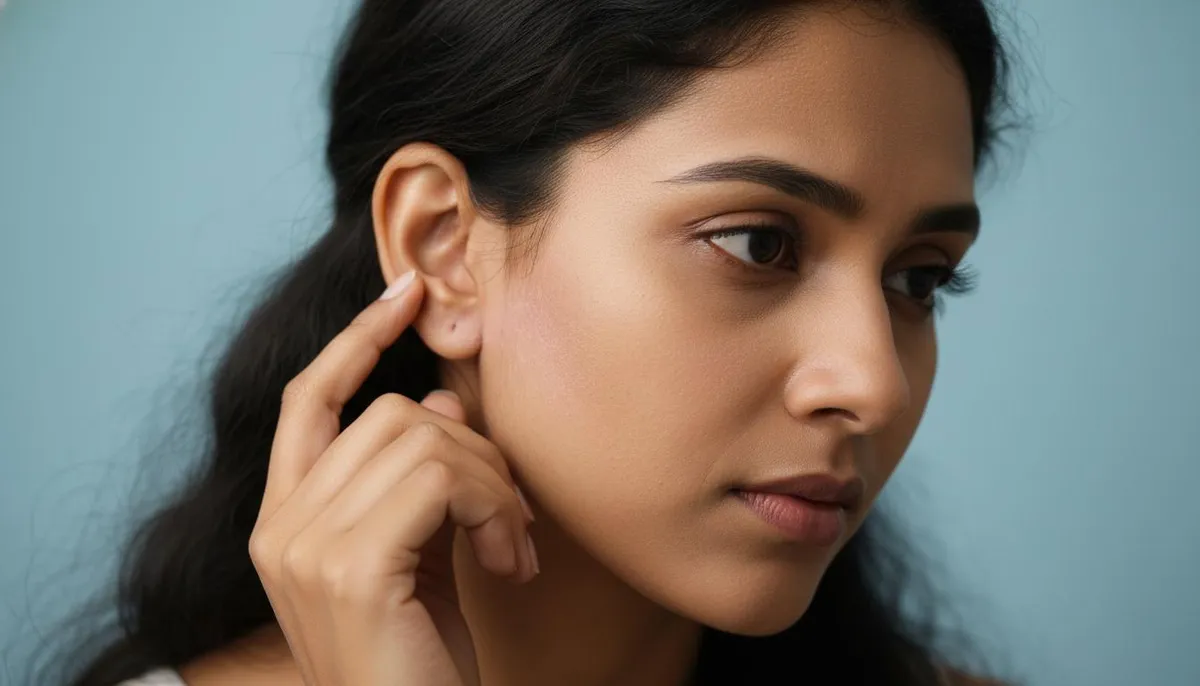
Have you ever noticed that your ears, either around or inside your ears, are sometimes flaky, red, and sometimes itchy? Some people may not pay attention to this, but this can sometimes be something to be concerned about. Today we are going to talk about something like this, which is psoriasis of the ears, or in medical terms (Psoriasis). Don't worry, we will talk about this simply, in a way that you can understand.
What exactly is psoriasis?
Simply put, psoriasis is a chronic condition that affects our skin. It can occur anywhere on the body, including the ears, earlobes, around the ears, and sometimes even inside the ears. The main reason for this is a change in the functioning of our body's immune system . To be precise, our immune system, which is like a good soldier, sometimes starts attacking our own healthy skin cells. Then, new skin cells are produced too quickly, and the old cells die before they die. These dead cells accumulate and form plaques that look like scales, sometimes silvery white. This is why the skin starts to itch, become red, and hurt.
When psoriasis develops, it can affect areas like:
- Ear folds
- Ear lobe
- The passage inside the ear canal)
- Scalp - This can also spread to the ears
What are the types of psoriasis that occur around the ears?
There are different types of psoriasis. Although the symptoms are similar, there may be slight differences. Here are some of the most common types that can be seen around the ears:
- Plaque psoriasis: This is the most common type. It causes thick, scaly patches to form on the inside and outside of the skin.
- Inverse psoriasis: This type usually occurs in areas where the skin folds. So, the folds of the ears appear as red, smooth, shiny patches. It does not peel as much as the other types.
- Sebopsoriasis: This is a condition that has features of both psoriasis and another skin condition called seborrheic dermatitis. It causes oily, yellow, scaly patches on the scalp.
Who gets psoriasis on the ears? Is this common?
Psoriasis is a common skin condition that affects millions of people worldwide.
However, psoriasis symptoms are less common around the ears . It is usually seen on the hands, feet, elbows, and knees. However, since it can appear anywhere on the skin, it is not impossible for the ears to develop as well.
What is the difference between Psoriasis and Eczema?
Like psoriasis, eczema is another condition that can affect the skin of the ear. Some of the symptoms of both (such as itching and redness) are similar, so they can sometimes be confused. However, an experienced doctor, especially a dermatologist, can tell the difference between the two based on your symptoms.
The main difference is:
- Psoriasis: This usually causes thick, silvery white scales. The skin may appear dry and cracked.
- Eczema: This causes small blisters, dry, red skin, and sometimes a watery discharge. It is less likely to cause severe peeling than psoriasis.
But remember, sometimes a person can have both of these conditions at the same time.
What are the symptoms of psoriasis in the ear?
When psoriasis develops in the ear, you may experience symptoms such as:
- Severe itching: This is the main concern for many people.
- Skin discoloration: The affected skin may turn red, sometimes brown.
- Peeling or scaling: White, silvery flakes of skin peel off.
- Dry skin: The skin in the affected area is very dry.
Importantly, sometimes this wax can accumulate in the ear canal and block it. This can lead to hearing loss, ear pain, and discomfort.
Also, sometimes a condition called "weeping psoriasis" can occur. This means that due to a skin infection, those scaly patches can ooze a moist, pus-like substance. It's very painful.
What causes psoriasis in the ear?
As we mentioned earlier, the main reason for this is the overactivity of our immune system . Normally, our immune system protects us from external enemies such as bacteria and viruses that cause diseases. However, in a person with psoriasis, this immune system mistakenly identifies our own healthy skin cells as an enemy.
Then, to fight against those "enemies", the immune system forces skin cells to divide very quickly, making new cells. The process of cell renewal, which normally takes about a month, starts to happen in a few days. So these rapidly growing cells, together with the dead old cells, accumulate on the surface of the skin. That's what we see as the symptoms of psoriasis.
Can psoriasis cause hearing loss?
Yes, it can happen. As we mentioned earlier, dead skin cells, or crusty things, can build up in the ear canal and completely block it.If this happens, sound waves may not be able to reach the ear properly, which may result in temporary hearing loss.
Additionally, a condition called psoriatic arthritis (which causes joint pain), another complication of psoriasis, can sometimes affect the sensitive parts of the inner ear. This can lead to permanent hearing loss and side effects such as:
- Dizziness
- Vertigo (feeling like you or your surroundings are spinning)
- Tinnitus (hearing constant noises in the ears)
How to know for sure if you have psoriasis in your ear? (Diagnosis)
If you have these symptoms in your ear, it is best to see a doctor, especially a dermatologist . The doctor will examine your skin carefully and ask about your complete medical history (such as any previous illnesses you have had, whether anyone in your family has had similar skin conditions). This is because psoriasis can sometimes be hereditary.
Most of the time, a physical examination can tell if it's psoriasis. However, sometimes, because the symptoms are similar to other skin conditions, a skin biopsy may be done to confirm the diagnosis .
If your hearing is affected by psoriasis, you may need to see an ear, nose, and throat specialist (ENT specialist) .
How to cure this scaly skin on the ear (Psoriasis)? (Treatment)
There are two main goals when treating psoriasis:
1. Reducing your symptoms (itching, pain, discomfort).
2. Preventing earwax from accumulating inside the ear and blocking the ear canal (as this can cause hearing loss).
Since the ear is a very sensitive area, treating it can be a bit challenging. But don't worry, there are various treatment options:
- Topical creams or ointments: These are often used first. These include steroid creams, vitamin D ointments, or other specialized ointments prescribed by a doctor. These can be applied to the skin outside the ear and inside the ear (only on medical advice).
- Phototherapy: This involves the treatment of skin with controlled exposure to ultraviolet (UV) light.
- Oral medications: If your symptoms are severe, your doctor may prescribe oral medications. These help control the activity of your immune system.
- Biological treatments:These are usually injections or oral medications given for more severe cases of psoriasis, when other treatments have failed. They target specific parts of the immune system.
Are there any side effects of the treatment? What should I be aware of?
The most important thing is that if you have psoriasis, do not put anything inside your ear for any reason. This means cotton swabs, fingers, hairpins, etc. If you do, there is a high chance that the affected skin cells will fall off and go inside the ear, get stuck in the ear canal, and cause hearing loss.
Your doctor will give you instructions to manage your ear symptoms and prevent complications. It is very important to follow those instructions exactly.
How soon will I feel better after treatment?
Once you start treatment, things like itching and discomfort may start to subside within a few days. However, it can take several weeks for psoriasis patches to completely heal. With topical treatments, symptoms should start to improve within a few days. If you are not feeling better after treatment, or if you have any concerns about how your body is responding, be sure to talk to your doctor.
What to expect if you have psoriasis in your ear?
Psoriasis is a chronic skin disease . This means that there is no cure for it yet. However, with proper treatment, symptoms can be well controlled and you can live a normal life. Symptoms may subside at times, but flare-ups may occur.
For some people, psoriasis can affect their mental health, as it can affect their face, ears, neck, and scalp, making it difficult to cover with clothing. You may feel embarrassed and lose self-confidence. If you have this condition, talking to your doctor and, if necessary, seeking help from a mental health counselor can help you feel better.
Can ear psoriasis be prevented?
In fact, it is impossible to completely prevent psoriasis. This is because it is a genetic and immune system issue. However, there are things you can do to reduce and control flare-ups:
- Do not use cotton swabs to clean your ears.
- Wash the outer skin of the ear daily with a mild soap or cleanser and apply a gentle moisturizer. Never put moisturizer or soap inside the ear.
- Try to identify triggers that make your psoriasis symptoms worse (for example, some people may experience increased exposure to sunlight, stress, certain foods, and certain medications). Avoid them as much as possible.
What time should I see a doctor?
In cases like these, you should definitely see a doctor:
- If you feel like you have a hearing loss or are having difficulty hearing.
- If you have psoriasis, you may experience pain, swelling, or oozing (this could be a sign of infection).
- If you are concerned about your appearance due to psoriasis.
- If there is severe pain or unbearable itching .
What questions should I ask the doctor?
When you visit your doctor, you can ask questions like these to help you gain a better understanding of the condition:
- What type of psoriasis do I have?
- Are there any side effects to the medication I was prescribed?
- How exactly should I apply these creams to my ears?
- What should I do to prevent skin tags from getting into my ear?
💡 Finally, take-home message
Although psoriasis is a rare condition, it can occur anywhere on the body, and symptoms can appear suddenly. If you have symptoms on, in, or around your ear, try to avoid scratching or picking at the area as much as possible. Doing so can cause dead skin cells to get into your ear, blocking the ear canal, and causing hearing loss.
Don't be afraid, don't panic. Your doctor can help you manage these symptoms. Then you can get relief quickly. Always follow your doctor's instructions and get treatment as prescribed. Then you can stay healthy even with this condition.






Janiw kuna arsuwinakas jichhakamax uñt’ayatäkiti. Aka chiqanx amuyt’awim jan ukax jiskt’awim yapxatañamawa.