
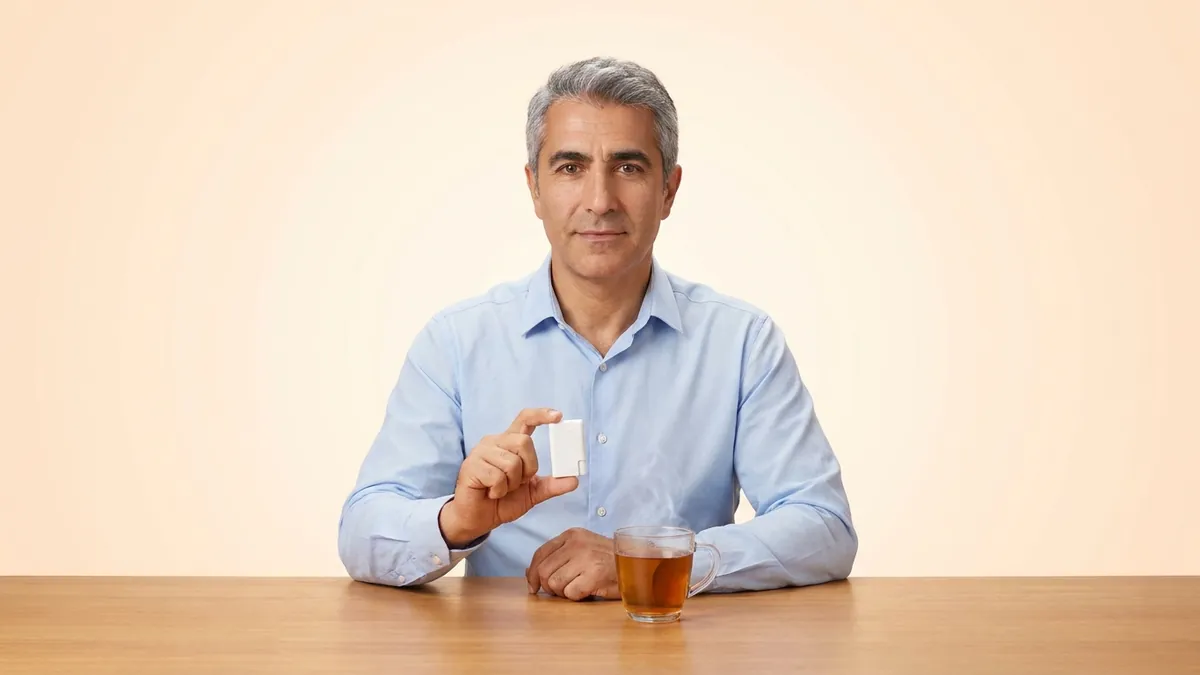
What exactly is Saccharin?
Simply put, saccharin is a zero-calorie artificial sweetener. This means that it adds sweetness without adding any calories to our bodies. Surprisingly, it is 200 to 700 times sweeter than regular sugar! So you can get a lot of sweetness with a very small amount. Because it is also inexpensive, it is often added to foods that are labeled low-calorie or 'sugar-free'. For example: But saccharin has a slight metallic aftertaste. To eliminate this taste, manufacturers add various things to it. Some of them are other artificial sweeteners like Aspartame and Cyclamate.Isn't this good for the body? Is there any truth to the cancer story?
This is where many people get scared. In the 1970s, a study using laboratory rats found that saccharin, when given in high doses, caused bladder cancer in the animals. This incident caused a huge uproar, and even led to a law requiring a warning label on all products containing saccharin. However, the most important thing to understand here is that after many years of studies using humans , it was not proven that it had the same effect on humans. It was later discovered that this was due to the difference between the way the rat body works and the way the human body works. Therefore, in 2000, the National Institutes of Health and the Food and Drug Administration (FDA) in the United States removed the warning label and officially declared saccharin safe for human consumption.Just imagine, for a human to experience the same effects as those rats, they would have to drink about 800 bottles of sugary diet soda a day! Who drinks that much, right? So there's no reason to be afraid of the amounts we normally consume.Currently, the U.S. Food and Drug Administration (FDA) recommends that it is safe to consume no more than 5 milligrams per kilogram of your body weight (5 mg per kg of body weight) of saccharin per day. That is much more than we usually consume.
What are the advantages and disadvantages of saccharin?
Like anything, saccharin has its pros and cons. Let's take a look at what they are.| Benefit / Disadvantage | Simple Explanation |
|---|---|
| Benefit: Helps with weight control | Sugar is high in calories. By using zero-calorie sweeteners instead, you can reduce the number of calories you consume per day. This can help prevent obesity and help you lose weight. |
| Benefit: Prevents tooth decay | When you eat sugar, bacteria in your mouth use it to make acids. These acids are what dissolve tooth enamel and cause cavities. But saccharin doesn't ferment in the mouth. So it's less likely to cause tooth decay. |
| Benefit: Blood sugar levels | Our bodies cannot digest saccharin. Therefore, it does not raise blood sugar levels after taking it. Therefore, it seems like a good alternative to sugar for people with diabetes, but this is still in the research stage. |
| Disadvantage: Impact on gut bacteria | Some studies have shown that consuming large amounts of saccharin over a long period of time can affect the balance of beneficial bacteria in our gut. Changes in these bacteria may be linked to conditions like type 2 diabetes and obesity. |
Is it okay to give saccharin to young children?
This is a problem for many parents. In fact, giving children artificial sweeteners in moderate amounts has not been proven to pose any major health risks. Perhaps, like adults, it can help with weight control and dental health in children. Another good thing is that saccharin does not produce the same chemicals in our brains that make us happy (Dopamine, Endorphins) as sugar does. Therefore, there is less risk of addiction like sugar.But there's one thing to be careful of. If you introduce things like saccharin to a child at a very young age, even before they can talk, their body can sometimes develop allergies to it.Therefore, before giving your little one anything containing saccharin, be sure to talk to your pediatrician about it. The doctor will assess your child's health and advise you on what is best for you.
💡 Take-Home Message
- Saccharin is a calorie- free artificial sweetener that is much sweeter than sugar.
- The cancer scare in the 1970s was caused by a test using mice . There is no evidence that there is any such risk in humans in normal use. It is now considered safe.
- It can help with weight loss and dental health.
- There is a belief that excessive use may have some effect on the beneficial bacteria in the gut.
- It is very important to always talk to your pediatrician before giving your child a food containing saccharin.
- As with anything, it's wise to use saccharin in moderation and as part of a balanced diet .






Janiw kuna arsuwinakas jichhakamax uñt’ayatäkiti. Aka chiqanx amuyt’awim jan ukax jiskt’awim yapxatañamawa.