 ✓ Ðɔkta Priya Sammani (MBBS) ye to atikewɔwɔ me
BMI Akɔntabubumɔ̃ (Asia & WHO Cutoffs) .
BMI ƒe akɔntabubumɔ̃ femaxee. Ŋlɔ wò kɔkɔme kple kpekpeme be nàxɔ wò Body Mass Index, kpekpeme ƒe hatsotso, kple lãmesẽ ŋuti aɖaŋuɖoɖo siwo sɔ na wò.
🧬 Nye Lãmesẽ Ŋuti Nyatakakawo Trɔ asi le Metrics ŋu ▾
📈 Emetsonuwo ƒe Spectrum
🩺 Nyati Siwo Wokafu

Nusianu si wòle be nànya tso ANA Dodokpɔ (ANA Dodokpɔ) ŋu .
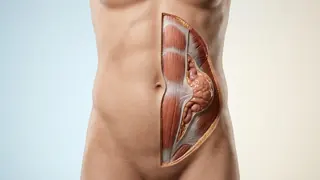
Ðe ƒunukpeƒetetedɔ wɔnuku aɖe le wò ƒodo tea? Esia ate ŋu anye ‘Spigelian Hernia’!
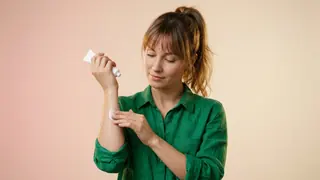
Ðe nèle Lindane Lotion zãm? Ekema ele be nànya nu siawo godoo!
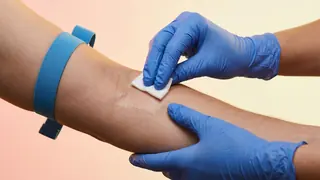
Nya nusiawo hafi nàɖu yivu!

Mina míasrɔ̃ nu tso Ibuprofen Infant Suspension na vidzĩwo ŋu.
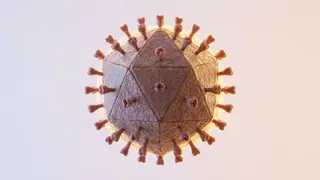
Ðe "Agbugbɔgbugbɔ Dɔléle" le ŋuwò kpɔa? Mina míasrɔ̃ nu tso mononucleosis ŋu!
❓ Nya Siwo Wobia Enuenu
What is a healthy BMI?
According to WHO (World Health Organization) guidelines, a healthy BMI for most adults is between 18.5 and 24.9.
Is BMI correct for athletes?
Because muscle weighs more than fat, BMI may overstate the body fat of athletes and bodybuilders. Use body fat percentage for a clearer understanding.
Does BMI change for children?
Yes BMI for children and adolescents is not recorded as a range, but as a percentile of age- and gender-specific growth charts.
🧮 Akɔntabubumɔ̃ Siwo Do Ƒome Kplii
BMR Akɔntabubumɔ̃ (Basal Metabolic Rate) .
Bu wò Basal Metabolic Rate (BMR) ŋu to Mifflin-St Jeor ƒe sɔsɔŋusẽ zazã me. Se n
TDEE & Gbesiagbe Calorie ƒe Akɔntabubumɔ̃
Bu wò Gbesiagbe Ŋusẽzazã Katã (TDEE) ŋu. Di nuɖuɖumeŋusẽ ƒe taɖodzinu siwo sɔ na
Ŋutilã ƒe Kpekpeme Ŋuti Akɔntabubumɔ̃ Nyuitɔ (IBW) .
Di wò ŋutilã ƒe kpekpeme nyuitɔ to Hamwi, Devine, Robinson, kple Miller ƒe atike
Ŋutilã me Ami ƒe Alafa Memamã Ŋuti Akɔntabubumɔ̃ (U.S. Ƒudzisrafowo) .
Zã United States Ƒudzisrafowo ƒe kasɛtdzidzenu tsɔ bu ami ƒe alafa memamã le ŋut
Ŋutilã ƒe Agbɔsɔsɔme Ŋuti Akɔntabubumɔ̃ (LBM) .
Bu akɔnta le ŋutilã ƒe lolome si me lãmesẽ mele o ŋu to Boer ƒe mɔfiame zazã me.
FFMI Akɔntabubumɔ̃ (Ami Si Me Ami Mele O ƒe Agbɔsɔsɔme Ŋuti Nuŋlɔɖi) .
Bu wò Fat-Free Mass Index (FFMI) ƒe akɔnta. Tsɔ wò lãmekawo sɔ kple kamedefefewɔ