
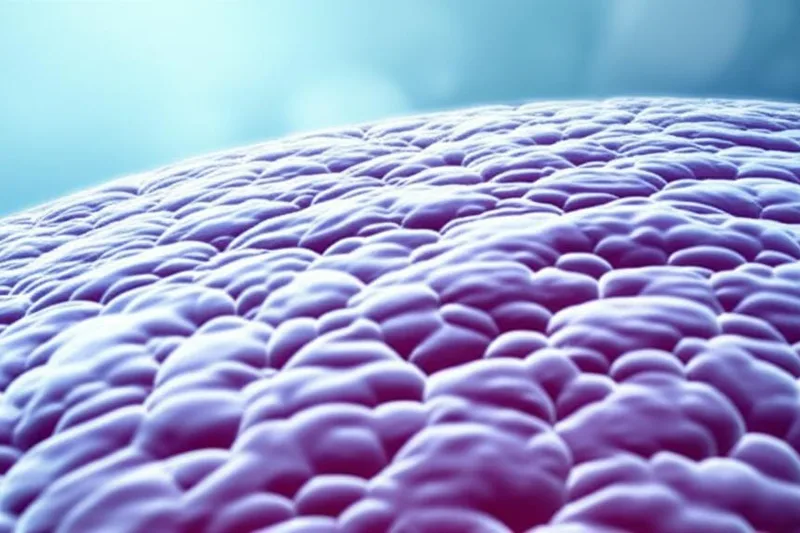
We all probably haven't heard the word 'Urothelium' much in our daily conversation, right? But did you know that this is an amazing part of our body, especially the urinary system, that plays a very important role. To be precise, this urothelium works like a silent guard that sits inside our body and protects us from various diseases and germs. So, today, in this article, we will talk about what this urothelium is, how it helps our body's health, and what diseases it can affect.
What exactly is a urothelium?
Simply put, the urothelium is a protective tissue lining the inside of our urinary tract. Like plaster on a wall, it covers the inside of our urinary system. It is made up of several layers of cells. The main function of these cell layers is to prevent the urine (also called urine ) that we excrete from our body and various pathogens from entering our blood or other tissues of the body.
You might be wondering how many other layers of tissue there are in the body. Yes, that's true. But, this urothelium is a very specialized `(epithelium)`, which means a cellular lining. For example, it's not like the linings in our lungs or intestines. They need to let things like nutrients and oxygen pass through. But, the urothelium doesn't need to do that. But, it has a special ability! That is, it can constantly stretch and contract. Imagine, your bladder gets bigger when it's full of urine, and gets smaller again when it's empty? At that time, this urothelium also stretches and contracts in the same way, maintaining its protective barrier in the same way. Isn't it amazing?
What services does the urothelium provide to our body?
The services that this tiny layer of cells provides to our bodies are no small feat. Let's look at some of the key things:
- Protecting our internal organs from urine: Just think, our urine is slightly acidic by nature. If this urine directly comes into contact with sensitive areas inside us, such as blood vessels and muscles, it can cause damage. One of the primary functions of the urothelium is to protect us from that danger.
- Protection from infections: The urothelium acts like a wall to prevent germs, such as bacteria, from entering the body through the urinary tract, which is often called `Urinary Tract Infections (UTIs)`.
- Helping with messaging: When your bladder is full, how do you feel, "I need to pee now?" That's how our nerves tell us what's going on in the bladder.This urothelium also helps send messages to the nervous system.
- Controlling the composition of urine: It also helps regulate the levels of water, salts, and other substances in urine.
- Stretching and contracting ability: As mentioned earlier, in order for the bladder to be able to hold different amounts of urine, it needs to stretch and contract. The urothelium provides maximum support for this.
Simply put, the urothelium is like a silent hero who performs a great service, indispensable to the healthy existence of our urinary system.
Where is the urothelium located in our body?
The urothelium is mainly located in our lower urinary tract . That is:
- Renal pelvis: Urine from the kidneys first collects here.
- Ureters : The two tubes that carry urine from the kidneys to the bladder.
- Bladder: We all know it as the bag that collects and stores urine.
- Urethra : The tube that carries urine from the bladder out of the body.
The inner surface of all these places is covered by this layer called the urothelium.
What are the layers of the urothelium?
The urothelium is not a single layer of cells. It can also be divided into three main layers, each with a specific function.
1. Superficial layer / umbrella cells
This is the layer of cells on the top of the urothelium, the side that meets the urine. These are also called ``umbrella cells`` . This is because these cells are shaped like an umbrella, and each umbrella cell covers several cells in the intermediate layer below it.
The special thing about these umbrella cells is that they can change their shape. When the bladder is full, these cells flatten out, and when the bladder is empty, they return to their original shape. These cells are very tightly bound to each other. That's why urine and germs don't leak into the body.
If a germ accidentally infects this surface layer, these umbrella cells die and collect in the urinary tract. Then, both the cells and the germs are excreted from the body with the urine. Also, there are proteins called `receptors` in this surface layer. Like an antenna. These can alert our immune cells about germs entering the body.
2. Intermediate layer
This is the middle part of the urothelium. It can also have several layers of cells. When the bladder is full, the number of these layers decreases. These intermediate cells are larger than the basal cells below, but smaller than the umbrella cells above. These cells play a major role in repairing the urothelium if it is damaged . They can also replace the umbrella cells if necessary.
3. Basal layer
This is the layer that lies beneath the urothelium. That is, the layer closest to our connective tissue , muscles, and blood vessels. These cells are the smallest type of cell in the urothelium. Their main function is to help the other cells in the urothelium regenerate and repair themselves. Like the roots of a plant, this is where new cells grow.
What diseases affect the urothelium?
Like every part of our body, the urothelium can be affected by various medical conditions. The main ones are:
- Cancer: Urothelial carcinoma is the most common type of cancer that occurs in the bladder. It can start not only in the bladder, but also in the lining of the kidneys, the urethra, or the ureters.
- Interstitial cystitis: This is a condition characterized by chronic pain, pressure, or discomfort in the bladder. Doctors believe that damage to the urothelium may lead to this condition.
- Overactive bladder or urinary incontinence: Sometimes, other problems in the urinary system, such as kidney stones, can cause changes in the urothelium. This can cause the body to send incorrect signals to empty the bladder. This can lead to frequent urination (overactive bladder) or involuntary leakage of urine (leaking pee).
What are the common symptoms of urothelium-related diseases?
If there is a problem affecting your urothelium, you may experience symptoms such as:
- Blood in the urine (hematuria): The urine may appear red, pink, or brown.
- Cloudy pee: Urine that is not clear and has a cloudy color.
- Abdominal pain: Feeling pain in the lower abdomen.
- Painful or frequent urination: Burning, pain when urinating , or the need to urinate more often than usual.
If you have one or more of these symptoms, it is definitely best to seek medical advice.
What tests can your doctor perform?
If you have symptoms related to urothelium, your doctor may perform one or more of the following tests:
- Urinalysis: This checks your urine for blood cells, bacteria, or other abnormalities.
- Kidney functioning tests: Blood or urine tests can give you an idea of how well your kidneys are working.
- Blood tests: Blood tests can provide information about what is going on inside the body.
- Urethral swab: Sometimes a sample of fluid from the urethra is taken and tested.
- Imaging tests: To accurately diagnose some medical conditions, tests such as an ultrasound scan, MRI (magnetic resonance imaging) scan, or CT (computed tomography) scan may be performed.
Additionally, if cancer or infection is suspected, a tissue sample (biopsy) may be taken and tested.
Is it normal to pass urothelial cells with urine?
Sometimes your urine test report may say "urothelial cells present." Don't panic if you see this. It's normal for some urothelial cells to be passed out with your urine. Because, as we discussed earlier, these cells die and are shed naturally.
However, there are some situations where these cells can be released in excess. For example:
- If there is any trauma (surgery on the urinary system, passing a kidney stone).
- If there is an infection.
- If there is a cancer or a non-cancerous (benign) growth.
If the report says "benign" or "benign-appearing" urothelial cells, it rarely means cancer. However, if you have any questions about your test report or the pathology report, be sure to talk to your doctor.
What is dysplasia of the urothelium of the bladder?
Dysplasia is a condition in which cells in the urothelium look abnormal under a microscope. This does not necessarily mean that the cells will become cancerous. However, a person with this condition may have a slightly increased risk of developing cancer in the future. Therefore, if doctors detect this condition, they will pay more attention to it.
Finally, things to remember
Many people may not have heard the word "urothelium" before. But now you know how important and indispensable a part of our body it is. These specialized cells protect us from germs and harmful substances in urine.
So, if you have any symptoms related to your urinary system (e.g., blood in your urine, pain when urinating, frequent urination), or if you have any concerns about the health of your urinary system, don't hesitate to talk to your doctor about it. A healthy urinary system is essential for a healthy life!
👩🏽⚕️ Additional questions (FAQs)
💬 What is the 'urothelium' inside the urinary system?
This is the name given to the layer of specialized cells (skin) that line the inside walls of our urinary bladder and urethra. This layer completely protects the rest of our body from the harsh chemicals and acids found in urine.
💬 What special ability does the bladder have because of this layer?
Urothelium cells have the amazing ability to stretch like a rubber balloon. That's why the bladder can expand to hold large amounts of urine when it fills up, and then shrink back down when you're done urinating.
💬 What is the main disease that affects this urothelium layer?
Bladder cancer most often begins in the innermost layer of cells called the urothelium. Especially in smokers, the risk of developing cancer in these cells is very high when the toxic chemicals in cigarettes are excreted in the urine.
` Urothelium, Urinary system, Bladder, Urinary tract infection, UTI, Kidney, Cell lining, Urinary symptoms


💬 Comments (0)
No comments yet. Be the first to share your thoughts here.
Add Your Comment