

Almost everyone has to deal with some kind of pain or ache during their lifetime. Did you know that not all pain is the same? Pain changes in nature and duration depending on what is causing it in your body.
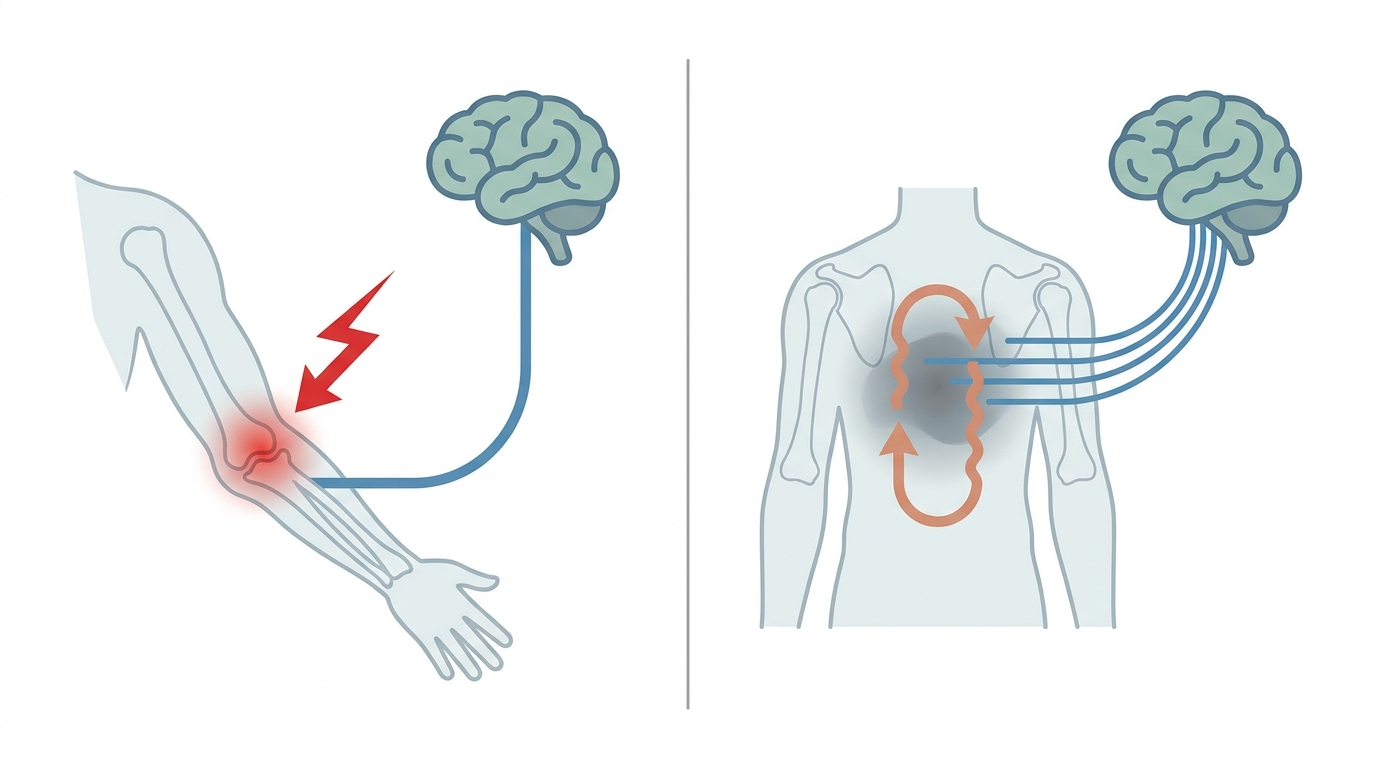
Today, we are going to talk about the two main types of pain so you can better understand what your body is telling you. Let's look at how short-term pain differs from long-term pain and what you can do to feel better.
Key Takeaways.
- Pain is your body's natural warning signal that something needs attention.
- Acute pain starts suddenly from a clear injury and usually goes away as you heal.
- Chronic pain lasts for six months or longer and can persist even after the initial injury heals.
- Both physical and mental health can be affected when you live with persistent pain.
- Always talk to a doctor to get an accurate diagnosis and a safe treatment plan.
What is Pain? Let's Understand It Simply!
Pain is an uncomfortable, unpleasant feeling you experience when something hurts in your body. To put it simply, pain is like a warning signal that tells you something might be wrong.
When you feel discomfort, you are the person who knows your pain best. Understanding why it happens is the first step toward getting the right care and feeling like yourself again.
Sudden Pain - We Call It Acute Pain.
Now let's look at sudden pain, which doctors call acute pain. This type of pain usually starts all of a sudden. It also has a very clear and specific cause.
Think about everyday situations where you might feel this type of discomfort. Common examples include:
- The pain you feel if you twist or break your arm or leg.
- The discomfort that comes after you have surgery or an operation.
- The ache you experience when you go to get a tooth pulled or treated.
- The sharp sting you feel if you get a burn or a cut on your skin.
- The labor pains that mothers experience when they are about to give birth.
Acute pain is often sharp and intense. It might feel like a throbbing, aching, or stabbing sensation. The best part about this type of pain is that it usually does not last longer than six months.
Once the original cause of the pain goes away—such as when your wound heals or your problem gets solved—the pain goes away completely. After that, you can easily go back to your normal daily activities.
Long-Lasting Pain - This is Chronic Pain.
Now let's talk about the other main category of pain, which is long-lasting pain, known in the medical world as chronic pain. This is a much more complex topic that affects millions of people worldwide.
Chronic pain is any pain that lasts for more than six months. It can also appear on and off over a very long period. Sometimes, this pain continues even after the original injury or illness has completely healed.
Think about how your nervous system works. In chronic pain conditions, your nervous system keeps sending pain signals long after it should have stopped. These signals can remain active for weeks, months, or even years.
One of the most surprising things about chronic pain is that some people can experience it without any clear physical injury or obvious tissue damage at all.
What Conditions Are Connected to Chronic Pain?
Chronic pain is often linked to various medical conditions and health issues. Here are some common examples that you might recognize:
- Frequent headaches, including severe conditions like migraines.
- Arthritis, which causes joint pain and stiffness as people age.
- Certain types of cancer that can cause ongoing, long-term discomfort.
- Nerve pain, also known as neuropathic pain, which can feel like electric shocks or burning sensations.
- Persistent lower back pain that does not seem to go away with simple rest.
- Fibromyalgia, a condition that causes widespread muscle pain, stiffness, and fatigue all over the body.
How Chronic Pain Affects Your Body and Mind.
When chronic pain stays with you day after day, it can create heavy burdens for both your physical body and your mental health. It often feels like a constant, unrelenting pressure.
Effects on Your Physical Body.
- Muscle tightness: Constant pain can make your muscles tense up, which leads to even more discomfort and stiffness.
- Limited movement: Pain can make it hard for you to move your body or complete routine physical tasks.
- Low energy and fatigue: Living with ongoing pain drains your energy and leaves you feeling exhausted all the time.
- Changes in appetite: Some people lose interest in eating. This others find their eating habits changing greatly.
Effects on Your Mental Health.
Your mental well-being is just as important as your physical health. Chronic pain is never just a physical problem.
- Depression: Dealing with daily pain can leave you feeling deeply sad, hopeless, or discouraged.
- Frustration: You might find yourself feeling angry and asking why this is happening to you.
- Anxiety: Worrying about whether your pain will get worse can cause intense fear and nervousness.
- Fear of re-injury: This fear might stop you from doing things you love or going to work. For example, someone with back pain might become afraid to lift anything at all.
The most important thing to remember is that you do not have to suffer through this pain all by yourself. Talking to a doctor and getting the right treatment can change your life for the better.
When to Seek Emergency Medical Care.
Some types of pain require immediate emergency evaluation. Call 911 (US/Canada) or 999 (UK), or go to your nearest emergency room right away if you experience:
- Sudden, severe chest pain or pressure that may radiate to your arm or jaw.
- Sudden weakness, numbness, or difficulty speaking, which could signal a stroke.
- Severe abdominal pain accompanied by persistent vomiting or high fever.
- Pain resulting from a major traumatic injury, deep wound, or severe head impact.
What Should We Do About It?
If you are dealing with acute pain, or especially if you have chronic pain, the best step is to visit a doctor and talk about what you are feeling. A doctor can figure out what is causing your discomfort.
Your doctor can determine whether your pain is short-term or long-term. From there, they can recommend safe pain relief options, lifestyle changes, or therapies like physiotherapy to help you recover safely.
| Feature. | Acute Pain. | Chronic Pain. |
|---|---|---|
| Duration. | Short-term (less than six months). | Long-term (six months or longer). |
| Cause. | Clear injury, surgery, or tissue damage. | Often complex, nerve-related, or ongoing. |
| Purpose. | Acts as an immediate warning signal. | Often persists after healing has finished. |
Take-Home Message.
Let's review the most important points we have covered so you can keep them in mind:
- Pain is a helpful signal that tells you something in your body needs attention.
- Acute pain comes on suddenly, has a clear cause, and goes away when the injury heals.
- Chronic pain lasts longer than six months and can affect both your physical body and your mental health.
- Professional medical advice is essential if your pain continues or disrupts your daily life.
- You are not alone because many people live with and manage these conditions every single day.
If you have questions about pain or if something feels wrong, do not ignore it. Reach out for medical guidance today and take charge of your health and well-being.
A Note from Dr. Priya Sammani.
Personal and family health is something we should always prioritize. Understanding the differences between acute and chronic pain helps you take control of your well-being. Managing inflammation and seeking guidance from an experienced doctor after a thorough examination is always the smartest choice for a healthy life.


💬 Comments (0)
No comments yet. Be the first to share your thoughts here.
Add Your Comment